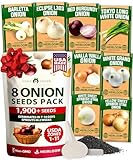
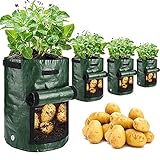
Imagine biting into a fresh, homegrown onion, bursting with flavor, grown right on your balcony or patio. Growing onions in pots is a rewarding experience, even if you have limited space. It’s a fantastic way to enjoy the satisfaction of gardening and the delicious taste of fresh produce, all while adding a touch of green to your living space.
This guide will walk you through every step of the process, from choosing the right onion variety to harvesting your crop. You’ll learn the best practices for soil preparation, watering, and pest control, ensuring a successful and bountiful onion harvest. Get ready to transform your small space into a productive onion garden.
Whether you’re a seasoned gardener or a complete beginner, this comprehensive guide on how to plant onions in a pot will provide you with all the knowledge you need. Embrace the joy of growing your own food and enjoy the incredible flavor of homegrown onions. Let’s get started!
Choosing the Right Onion Variety for Pot Planting
Not all onion varieties are created equal when it comes to pot gardening. Some are better suited to container life than others. Selecting the right variety is crucial for maximizing your chances of a successful harvest. Consider factors like your local climate, the amount of sunlight your pot will receive, and your personal taste preferences.
Types of Onions for Pots
Several onion types thrive in pots. Consider these popular options:
- Bunching Onions (Scallions): These are the easiest to grow in pots and mature quickly. They don’t form large bulbs, so you harvest the entire plant, both the green tops and the white base. Scallions are perfect for continuous harvesting.
- Bulb Onions: These are the classic onions you find in the grocery store. Choose varieties known for their smaller bulb size and shorter growing seasons. Look for “short-day” varieties if you live in a warmer climate and “long-day” varieties if you live in a cooler climate.
- Multiplier Onions: These onions produce multiple bulbs from a single planted bulb. They are relatively easy to grow and yield a good harvest. They are often planted in the spring.
Recommended Varieties for Container Gardening
Here are some specific onion varieties that are well-suited for pot planting:
- For Bunching Onions:
- ‘Evergreen Hardy White’: A popular and reliable variety with mild flavor.
- ‘White Lisbon’: Another excellent choice for its quick growth and crisp texture.
- For Bulb Onions (Short-Day):
- ‘Texas 1015Y’: A sweet and popular short-day variety.
- ‘Granex Yellow’: Another good option for warm climates.
- For Bulb Onions (Long-Day):
- ‘Walla Walla Sweet’: Known for its exceptionally sweet flavor.
- ‘Yellow Spanish’: A classic yellow onion with good storage potential.
- For Multiplier Onions:
- ‘Potato Onion’: Produces clusters of bulbs, perfect for continuous harvest.
Consider your climate and personal preferences when making your selection. Research the specific needs of each variety before you plant. Understanding the different types of onions and their specific needs will help you decide which is best for you.
Choosing the Right Pot and Soil
The container you choose and the soil you use are fundamental to successfully growing onions in a pot. The right pot and soil provide the necessary environment for healthy root development and overall plant growth. This section will guide you through selecting the right pot size and soil composition.
Pot Size and Material
The size of your pot is crucial for onion growth. Onions need enough space for their roots to develop. The material of the pot can also affect the plant’s health.
- Size: Choose a pot that is at least 6-8 inches deep and wide for bunching onions. For bulb onions, a pot that is 8-12 inches deep and wide is recommended. The larger the pot, the more onions you can plant in it. Ensure there is adequate space between each onion plant.
- Material:
- Terracotta: Terracotta pots are porous, allowing for good air circulation and drainage. However, they can dry out quickly, so you may need to water more frequently.
- Plastic: Plastic pots retain moisture better than terracotta pots, reducing the need for frequent watering. They are also lightweight and less expensive.
- Ceramic: Ceramic pots offer a balance between drainage and moisture retention. They are also often decorative.
- Drainage: Regardless of the material, ensure your pot has drainage holes at the bottom to prevent waterlogging, which can lead to root rot.
Soil Composition
Onions thrive in well-draining, fertile soil. The soil should retain moisture but not become waterlogged. A well-balanced soil mix is key to healthy onion growth. The following is a recommended soil composition:
- Potting Mix: Use a high-quality potting mix as the base. Avoid using garden soil directly, as it can be too dense and compact for container gardening.
- Amendments: Add the following amendments to the potting mix to improve drainage, aeration, and nutrient content:
- Compost: Incorporate a generous amount of compost to enrich the soil with organic matter and improve its fertility. Compost also helps retain moisture.
- Perlite or Vermiculite: Add perlite or vermiculite to improve drainage and aeration. These materials also help prevent soil compaction.
- Coco Coir: Coco coir can also be added to enhance moisture retention.
- pH Level: Onions prefer a slightly acidic to neutral soil pH, ideally between 6.0 and 7.0. You can test your soil’s pH using a soil testing kit and adjust it accordingly.
Preparing the right pot and soil is a critical step in learning how to plant onions in a pot. By following these guidelines, you will create an optimal environment for your onion plants to flourish. (See Also: How to Plant a Flower Garden: A Beginner’s Guide)
Planting Onions: Seeds, Sets, or Transplants
You have several options when it comes to planting onions: seeds, sets, or transplants. Each method has its advantages and disadvantages. The best choice for you will depend on your experience level, available time, and desired harvest time. Understanding each method will help you make the best decision.
Planting From Seeds
Starting onions from seeds is the most economical option, but it requires more patience and time. You can start seeds indoors about 6-8 weeks before the last expected frost or directly sow them outdoors once the soil can be worked. Growing from seed offers the widest variety of onion options.
- Starting Indoors:
- Fill a seed tray or small pots with a seed-starting mix.
- Sow the onion seeds about ¼ inch deep and ½ inch apart.
- Keep the soil consistently moist but not waterlogged.
- Provide plenty of light, either from a sunny windowsill or grow lights.
- Once the seedlings have developed a few true leaves, thin them to about 1 inch apart.
- Harden off the seedlings before transplanting them outdoors.
- Direct Sowing Outdoors:
- Prepare the soil in your pot.
- Sow the seeds about ½ inch deep and 1-2 inches apart.
- Water gently and keep the soil moist.
- Thin the seedlings to the recommended spacing (2-4 inches apart, depending on the variety) once they have developed a few true leaves.
Planting From Onion Sets
Onion sets are small, dormant onion bulbs. They are a convenient option because they are already partially grown and require less time to mature. However, they may be more susceptible to bolting (prematurely producing a flower stalk) than plants started from seeds or transplants.
- Choose healthy onion sets that are firm and free from mold or rot.
- Plant the sets with the pointed end up, about 1-2 inches deep and 4-6 inches apart.
- Water well after planting.
Planting Onion Transplants
Onion transplants are young onion plants that have already been started from seeds. This method offers the convenience of sets, but with a potentially lower risk of bolting. Transplants are often available at garden centers in the spring.
- Select healthy transplants with a good root system and strong stems.
- Plant the transplants at the same depth they were growing in their pots.
- Space them according to the variety’s recommendations (usually 4-6 inches apart).
- Water thoroughly after planting.
Knowing the different planting methods and their pros and cons is essential when you want to learn how to plant onions in a pot. The best method for you will depend on your preferences and available resources.
Caring for Your Potted Onions
Once your onions are planted, consistent care is essential for healthy growth and a successful harvest. This includes regular watering, fertilizing, and providing the right amount of sunlight. Proper care will ensure your onions thrive.
Watering
Onions require consistent moisture throughout their growing season. The amount of water needed depends on the weather, the size of the plant, and the soil type. Overwatering can lead to root rot, while underwatering can stunt growth. Monitoring the soil moisture levels is key.
- Frequency: Water your onions when the top inch of soil feels dry to the touch. This typically means watering every 1-2 days, especially during hot weather.
- Technique: Water deeply, ensuring the water reaches the roots. Avoid wetting the foliage, as this can increase the risk of fungal diseases.
- Drainage: Make sure your pot has adequate drainage holes to prevent waterlogging.
- Considerations: During the bulbing stage, onions require more consistent watering. Reduce watering as the foliage begins to die back before harvest.
Fertilizing
Onions are heavy feeders and benefit from regular fertilization. Providing the right nutrients will promote strong growth and larger bulbs. Start fertilizing a few weeks after planting.
- Type of Fertilizer: Use a balanced fertilizer with a ratio of 10-10-10 or 14-14-14. You can also use organic fertilizers, such as compost tea or fish emulsion.
- Application: Follow the instructions on the fertilizer package. You can apply liquid fertilizer every 2-3 weeks or use a slow-release granular fertilizer once a month.
- Timing: Fertilize regularly throughout the growing season, especially during the bulbing stage. Stop fertilizing a few weeks before harvest.
Sunlight
Onions need plenty of sunlight to grow properly. Insufficient sunlight will result in weak growth and small bulbs. The amount of sunlight needed can vary depending on the variety.
- Requirement: Onions need at least 6-8 hours of direct sunlight per day.
- Placement: Place your potted onions in a location that receives ample sunlight. If you don’t have a sunny spot, consider using grow lights.
- Rotation: Rotate the pot regularly to ensure all sides of the plant receive adequate sunlight.
Weeding
Weeds compete with your onions for nutrients, water, and sunlight. Regular weeding is necessary to maintain healthy growth. (See Also: How Do You Plant Daffodil Bulbs? A Simple Guide)
- Method: Hand-pull weeds regularly as soon as you see them.
- Mulching: Apply a layer of mulch (such as straw or shredded leaves) around the onions to suppress weed growth and retain moisture.
By following these care tips, you’ll be well on your way to a plentiful harvest of delicious homegrown onions. Regular monitoring and care will help you ensure your onions thrive.
Common Pests and Diseases and How to Prevent Them
Like all plants, onions can be susceptible to pests and diseases. Early detection and preventative measures are key to keeping your onions healthy. Being aware of potential problems and taking appropriate action can save your crop. This section will guide you on how to identify and deal with the most common issues.
Common Pests
Several pests can attack onions, causing damage to the foliage and bulbs. Regular inspection of your plants will help you catch any problems early.
- Onion Thrips: These tiny, slender insects suck sap from onion leaves, causing silvery streaks and stunted growth.
- Control: Introduce beneficial insects like lacewings or predatory mites. Spray with insecticidal soap or neem oil.
- Onion Maggots: These larvae feed on the roots and bulbs, causing wilting and plant death.
- Control: Use row covers to prevent adults from laying eggs. Rotate crops and avoid planting onions in the same location year after year.
- Cutworms: These caterpillars can chew through young onion stems at the soil line, causing plants to topple over.
- Control: Handpick cutworms at night. Use cutworm collars made from cardboard or plastic.
Common Diseases
Onions are also vulnerable to several diseases, particularly in humid conditions. Proper air circulation and sanitation are essential for preventing diseases.
- Downy Mildew: This fungal disease causes yellow spots on the leaves, which eventually turn brown.
- Control: Ensure good air circulation. Avoid overhead watering. Treat with a copper-based fungicide.
- Pink Root: This soilborne disease causes the roots to turn pink and eventually die.
- Control: Rotate crops. Improve soil drainage. Remove and dispose of infected plants.
- White Rot: This fungal disease causes the leaves to yellow and the bulbs to rot.
- Control: Rotate crops. Avoid planting in areas with a history of white rot. Remove and dispose of infected plants.
Preventative Measures
The best way to deal with pests and diseases is to prevent them in the first place. Here are some preventative measures you can take:
- Choose Resistant Varieties: Some onion varieties are more resistant to certain pests and diseases. Research and select varieties that are known for their resistance in your area.
- Provide Good Air Circulation: Ensure your onions have adequate air circulation by spacing them properly and avoiding overcrowding.
- Water at the Base: Water your onions at the base of the plant to avoid wetting the foliage, which can promote fungal diseases.
- Inspect Regularly: Regularly inspect your plants for signs of pests or diseases. Early detection is key to preventing widespread problems.
- Crop Rotation: Rotate your crops each year to prevent the buildup of soilborne pests and diseases. Avoid planting onions in the same location year after year.
- Remove Debris: Remove any plant debris or fallen leaves from around your onions, as these can harbor pests and diseases.
By implementing these preventative measures, you can minimize the risk of pests and diseases and ensure a healthy and productive onion crop. Proactive gardening practices are key to success.
Harvesting and Storing Your Potted Onions
Harvesting and storing your onions are the final steps in the process. Knowing when and how to harvest your onions will ensure you get the best flavor and storage potential. Proper storage will extend the life of your harvest and allow you to enjoy your homegrown onions for months to come.
Harvesting
The harvest time for onions depends on the variety and your desired use. You can harvest bunching onions at any time. For bulb onions, you’ll want to wait until the tops are mature.
- Bunching Onions (Scallions): Harvest these when the green tops reach the desired size. You can harvest the entire plant or snip off the green tops as needed.
- Bulb Onions: Harvest bulb onions when the tops begin to turn yellow and fall over. This indicates that the bulbs are mature.
- Gently loosen the soil around the bulbs with a trowel or your hands.
- Carefully pull the onions from the soil.
- Allow the onions to cure (dry) in a well-ventilated area for a week or two.
Curing Onions
Curing is the process of drying the onion bulbs to extend their storage life. Curing helps prevent spoilage and allows the outer layers to dry and form a protective skin.
- Method: Lay the onions in a single layer in a well-ventilated location, such as a garage, shed, or covered porch. Protect them from direct sunlight.
- Time: Allow the onions to cure for 1-2 weeks, or until the necks are dry and the outer skins are papery.
- Turning: Turn the onions periodically to ensure even drying.
Storing Onions
Proper storage is essential to keep your onions fresh and flavorful for as long as possible. The storage method depends on the type of onion. Proper storage will ensure you get the most out of your harvest. (See Also: How Do You Say Ruda Plant in English? A Complete Guide)
- Bulb Onions:
- Trim the roots and cut off the tops, leaving about 1 inch of stem.
- Store the cured onions in a cool, dark, and well-ventilated place, such as a pantry or root cellar.
- Ideal temperature is 35-40°F (2-4°C) and humidity is 65-70%.
- Do not store onions near apples or potatoes, as they release gases that can cause the onions to sprout.
- Under these conditions, bulb onions can store for several months.
- Bunching Onions (Scallions):
- Wrap the scallions in a damp paper towel and store them in the refrigerator.
- They will keep for about a week.
- You can also chop scallions and freeze them for later use.
By following these harvesting and storage guidelines, you can enjoy the fruits of your labor for months to come. Preserving your harvest allows you to savor the flavor of fresh, homegrown onions long after the growing season ends. Properly storing your onions is a key component of success.
Troubleshooting Common Problems
Even with the best care, you may encounter some challenges when growing onions in pots. Understanding common problems and how to address them will help you troubleshoot any issues that arise. This section provides solutions to common problems to help ensure a successful harvest.
Yellowing Leaves
Yellowing leaves can indicate several issues. Determining the cause is essential for addressing the problem.
- Cause: Overwatering, underwatering, nutrient deficiencies, or pests.
- Solution: Check soil moisture levels. Adjust watering accordingly. Fertilize with a balanced fertilizer. Inspect for pests and treat if necessary.
Small Bulbs
Small bulbs can be caused by various factors, including insufficient sunlight and inadequate fertilization.
- Cause: Insufficient sunlight, nutrient deficiencies, overcrowding, or improper watering.
- Solution: Ensure your onions receive at least 6-8 hours of direct sunlight. Fertilize regularly. Thin the plants if they are overcrowded. Water consistently.
Bolting (premature Flowering)
Bolting occurs when the onion plant prematurely produces a flower stalk, which diverts energy from bulb development.
- Cause: Stress from temperature fluctuations, insufficient water, or planting sets.
- Solution: Provide consistent watering and avoid temperature extremes. If bolting occurs, you can still harvest the onion, but the bulb may be smaller.
Pests and Diseases
Pests and diseases can also cause problems. Early detection and treatment are vital.
- Cause: Onion thrips, onion maggots, downy mildew, etc.
- Solution: Inspect plants regularly. Identify the pest or disease. Treat with appropriate methods, such as insecticidal soap, neem oil, or fungicides.
By addressing these common problems, you can help ensure a healthy and productive onion crop. Problem-solving is a key part of the gardening experience.
Conclusion: Enjoying Your Homegrown Onions
Congratulations! You’ve successfully learned how to plant onions in a pot and are now ready to enjoy the fruits of your labor. Growing your own onions is a rewarding experience, offering fresh, flavorful produce and the satisfaction of nurturing a plant from seed to harvest. Remember to continue providing consistent care and attention to your onions.
With each harvest, you’ll gain valuable experience and refine your gardening skills. Savor the delicious taste of your homegrown onions in your favorite recipes, and share the joy of gardening with others. Enjoy the process of growing your own food, and relish the satisfaction of a successful harvest. Happy gardening!
Recommended Products