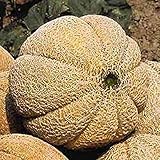
Imagine biting into a perfectly ripe, juicy muskmelon, its sweetness bursting across your palate. The satisfaction of growing your own food is unmatched, and muskmelons are a rewarding choice for home gardeners. This guide will walk you through the process, from selecting the right seeds to harvesting your delicious bounty. Learn how to plant muskmelon and transform your backyard into a melon paradise.
Muskmelons, also known as cantaloupes, are relatively easy to grow, provided you give them the right conditions. This article will cover everything you need to know, including soil preparation, planting techniques, and ongoing care. You’ll gain the knowledge to cultivate healthy plants and enjoy a plentiful harvest of these summer favorites. Ready to get started?
Choosing the Right Muskmelon Variety
The first step in learning how to plant muskmelon is selecting the appropriate variety. Numerous muskmelon cultivars exist, each offering unique characteristics in terms of flavor, size, disease resistance, and growing season requirements. Choosing the right variety for your climate and preferences is crucial for success.
Popular Muskmelon Varieties
Here are some popular muskmelon varieties to consider, along with their key features:
- Hales Best Jumbo: A classic variety known for its large size, sweet flavor, and good disease resistance. It typically matures in about 85 days.
- Honey Rock: A smaller, early-maturing variety with a sweet, aromatic flavor. It’s a good choice for shorter growing seasons, usually ready in 75 days.
- Athena: A hybrid variety with excellent disease resistance and a consistent, high-quality flavor. It matures in approximately 80 days.
- Sugar Cube: A compact variety ideal for small gardens, producing small, intensely sweet melons. It ripens in about 70 days.
- Minnesota Midget: A very early-maturing variety, perfect for cooler climates. Its small size makes it easy to manage, and it ripens in about 65 days.
Consider your local climate and growing season length when making your selection. Some varieties thrive in warmer climates with long growing seasons, while others are better suited for cooler regions. Also, think about your space constraints and desired melon size. Smaller varieties are suitable for container gardening or limited spaces.
Disease Resistance
Disease resistance is another crucial factor. Muskmelons are susceptible to various diseases, including powdery mildew, downy mildew, and fusarium wilt. Selecting disease-resistant varieties can significantly reduce the risk of crop failure. Check seed packets or catalogs for information on disease resistance.
Flavor and Texture
Finally, consider your flavor preferences. Some muskmelon varieties are known for their intense sweetness, while others have a more subtle flavor profile. The texture of the flesh can also vary, from firm to soft and juicy. Research different varieties and read reviews to find the ones that best suit your taste.
Preparing the Soil for Muskmelon
Proper soil preparation is essential for successful muskmelon cultivation. Muskmelons thrive in well-drained soil that is rich in organic matter. They prefer a slightly acidic to neutral pH (6.0 to 7.0).
Soil Testing
Before planting, it’s highly recommended to conduct a soil test. A soil test will provide information on the soil’s pH level, nutrient content, and organic matter content. This information will help you determine what amendments are needed to optimize the soil for muskmelon growth. You can purchase soil test kits online or take a soil sample to your local agricultural extension office.
Soil Amendments
Based on the soil test results, you can amend the soil to improve its quality. Here are some common soil amendments and their benefits:
- Organic Matter: Adding organic matter, such as compost, well-rotted manure, or leaf mold, improves soil structure, drainage, and water retention. It also provides essential nutrients to the plants.
- Compost: Compost is a rich source of nutrients and beneficial microorganisms. It improves soil structure and helps retain moisture.
- Well-Rotted Manure: Manure provides nutrients and helps improve soil fertility. Ensure the manure is well-rotted to avoid burning the plants.
- Lime: If the soil pH is too low (acidic), adding lime can raise the pH.
- Sulfur: If the soil pH is too high (alkaline), adding sulfur can lower the pH.
Incorporate the amendments into the soil to a depth of at least 6-8 inches. Work the soil thoroughly to ensure the amendments are evenly distributed. (See Also: Yield Secrets: How Many Pounds of Potatoes Per Plant?)
Sunlight and Drainage
Muskmelons require at least six to eight hours of direct sunlight per day. Choose a planting location that receives ample sunlight. Ensure the soil has good drainage to prevent waterlogging, which can lead to root rot. If your soil is poorly drained, consider amending it with sand or other materials to improve drainage, or consider planting on raised beds.
Planting Muskmelon Seeds or Transplants
You can start muskmelons from seeds or transplants. Starting from seeds is the most common method, but using transplants can give you a head start on the growing season. Here’s how to plant muskmelon using both methods.
Starting Seeds Indoors
If you have a shorter growing season, starting muskmelon seeds indoors can give you a head start. Start the seeds about 3-4 weeks before the last expected frost. Use peat pots or biodegradable containers to minimize root disturbance when transplanting.
- Fill the pots with a seed-starting mix.
- Sow 2-3 seeds per pot at a depth of about 1/2 inch.
- Water the pots gently and keep the soil moist but not waterlogged.
- Place the pots in a warm location with plenty of sunlight or under grow lights.
- Thin the seedlings to one strong seedling per pot once they have developed a few sets of true leaves.
- Harden off the seedlings before transplanting them outdoors. This involves gradually exposing them to outdoor conditions over a week or so.
Direct Sowing Seeds Outdoors
In areas with longer growing seasons, you can direct sow muskmelon seeds outdoors. Wait until the soil temperature reaches at least 70°F (21°C) and the danger of frost has passed.
- Prepare the planting bed by loosening the soil and removing any weeds or debris.
- Sow the seeds directly into the soil at a depth of about 1 inch. Plant seeds about 18-24 inches apart, in hills spaced 4-6 feet apart.
- Plant 5-6 seeds per hill.
- Water the seeds gently after planting.
- Once the seedlings emerge, thin them to 2-3 plants per hill.
Transplanting Seedlings
If you are using transplants, wait until the danger of frost has passed and the soil temperature has reached at least 70°F (21°C). Transplant the seedlings on a cloudy day or in the late afternoon to minimize stress.
- Dig a hole slightly larger than the root ball of the seedling.
- Gently remove the seedling from its pot, being careful not to damage the roots.
- Place the seedling in the hole and backfill with soil, gently pressing around the roots.
- Water the seedlings thoroughly after transplanting.
- Space the plants according to the variety’s mature size, typically 18-24 inches apart.
Caring for Your Muskmelon Plants
Once your muskmelon plants are established, proper care is essential for healthy growth and a bountiful harvest. This includes watering, fertilizing, weeding, and pest and disease management.
Watering
Muskmelons require consistent watering, especially during fruit development. Water deeply and regularly, providing about 1-2 inches of water per week. Avoid overhead watering, which can promote fungal diseases. Water at the base of the plants to keep the foliage dry. Check the soil moisture regularly and adjust your watering schedule accordingly.
Fertilizing
Muskmelons are heavy feeders and benefit from regular fertilization. Apply a balanced fertilizer at planting time, following the manufacturer’s instructions. Side-dress the plants with a nitrogen-rich fertilizer when the vines begin to run and again when the fruits start to form. Avoid over-fertilizing, which can lead to excessive vine growth at the expense of fruit production.
Weeding
Weeds compete with muskmelon plants for nutrients, water, and sunlight. Regularly weed your muskmelon patch to keep weeds under control. Mulching with organic materials, such as straw or shredded leaves, can help suppress weeds and retain moisture.
Pest and Disease Management
Muskmelons are susceptible to several pests and diseases. Regular monitoring and preventative measures can help minimize problems. (See Also: How to Plant a Foxtail Palm: A Comprehensive Guide)
- Pests: Common pests include cucumber beetles, squash bugs, aphids, and spider mites. Handpick pests or use insecticidal soap or other organic pest control methods if necessary.
- Diseases: Common diseases include powdery mildew, downy mildew, and fusarium wilt. Provide good air circulation, avoid overhead watering, and select disease-resistant varieties. Treat diseases with appropriate fungicides if necessary.
Supporting the Vines
Muskmelon vines can spread extensively. Provide support for the vines, especially if you have limited space or want to improve air circulation. You can use trellises, fences, or other structures to train the vines to grow vertically. This can also help keep the fruits off the ground, reducing the risk of rot and pest damage.
Pollination
Muskmelons require pollination to produce fruit. Bees and other pollinators play a crucial role in this process. Avoid using insecticides that can harm pollinators. If you have few pollinators in your area, you may need to hand-pollinate the flowers. To do this, use a small paintbrush to transfer pollen from the male flowers to the female flowers.
Harvesting Your Muskmelons
Knowing when and how to harvest muskmelons is essential for enjoying their peak flavor and sweetness. The timing of the harvest depends on the variety and growing conditions.
Signs of Ripeness
Here are some signs that a muskmelon is ripe and ready to harvest:
- Change in Color: The skin color of the melon will change from green to a yellowish or tan color, depending on the variety.
- Skin Texture: The skin texture will become slightly rough and the netting will become more prominent.
- Aroma: The melon will develop a sweet, fragrant aroma.
- Slip Test: Gently tug on the stem. A ripe muskmelon will easily slip from the vine, leaving a clean separation. This is the most reliable indicator of ripeness.
Harvesting Technique
Once the melon is ripe, gently detach it from the vine. If the stem doesn’t slip easily, you can use a sharp knife or pruners to cut the stem, leaving about 1-2 inches of stem attached to the fruit. Handle the melons carefully to avoid bruising. Harvest in the morning when the melons are cool.
Storage
Store ripe muskmelons at room temperature for a few days to allow them to fully ripen. Once ripe, store them in the refrigerator for up to a week. Cut muskmelons should be stored in the refrigerator, wrapped in plastic wrap or in an airtight container.
Troubleshooting Common Problems
Even with careful planning and care, you may encounter some challenges when growing muskmelons. Here are some common problems and how to address them:
Failure to Set Fruit
If your muskmelon plants are not producing fruit, there may be several reasons. One common cause is a lack of pollination. Ensure that you have enough pollinators in your garden, or consider hand-pollinating the flowers. Other factors that can affect fruit set include extreme temperatures, insufficient water, and nutrient deficiencies.
Yellowing Leaves
Yellowing leaves can indicate several problems. Nutrient deficiencies, such as nitrogen deficiency, can cause yellowing. Overwatering or underwatering can also lead to yellow leaves. Pests and diseases can also cause yellowing. Inspect your plants carefully and address the underlying cause.
Pest Infestations
Pest infestations can damage muskmelon plants and reduce fruit production. Regularly inspect your plants for pests and take appropriate action. Insecticidal soap, neem oil, and other organic pest control methods can be effective. Consider companion planting to deter pests. (See Also: Essential Guide: How to Take Care of Tulips Plant for Blooms)
Disease Outbreaks
Disease outbreaks can quickly spread and damage your muskmelon plants. Practice good sanitation, provide adequate air circulation, and select disease-resistant varieties. If a disease outbreak occurs, treat it promptly with appropriate fungicides.
Maximizing Your Muskmelon Harvest
To maximize your muskmelon harvest, consider the following tips:
- Choose the right variety: Select varieties that are well-suited to your climate and growing conditions.
- Prepare the soil properly: Amend the soil with organic matter and conduct a soil test.
- Water consistently: Provide regular watering, especially during fruit development.
- Fertilize regularly: Use a balanced fertilizer and side-dress the plants as needed.
- Control pests and diseases: Monitor your plants and take action to prevent or control pests and diseases.
- Provide support for the vines: Use trellises or other structures to support the vines.
- Harvest at the right time: Harvest the melons when they are ripe and have reached their peak flavor.
Frequently Asked Questions (faq)
Here are some common questions about growing muskmelons:
What Is the Best Time to Plant Muskmelon Seeds?
The best time to plant muskmelon seeds is after the danger of frost has passed and the soil temperature has reached at least 70°F (21°C). This is typically in late spring or early summer.
How Far Apart Should I Plant Muskmelon Plants?
Plant muskmelon plants about 18-24 inches apart, depending on the variety’s mature size. Space the rows 4-6 feet apart.
How Often Should I Water My Muskmelon Plants?
Water your muskmelon plants deeply and regularly, providing about 1-2 inches of water per week. Adjust your watering schedule based on the weather conditions and soil moisture.
How Do I Know When My Muskmelon Is Ripe?
A ripe muskmelon will have a change in skin color, a sweet aroma, and will easily slip from the vine. The netting on the skin will become more prominent.
Can I Grow Muskmelons in Containers?
Yes, you can grow muskmelons in containers, but choose a compact variety and a large container (at least 10 gallons). Provide adequate support for the vines.
Conclusion
Learning how to plant muskmelon can be a rewarding experience, providing you with delicious, homegrown fruit throughout the summer. By following these steps, you can create a thriving muskmelon patch in your own backyard. Remember to consider your local climate and preferences when selecting varieties, and provide the right conditions for your plants to flourish. Enjoy the sweet taste of success as you harvest your own muskmelons!
Recommended Products