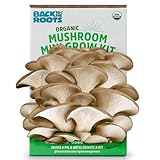
Are you dreaming of fresh, flavorful mushrooms harvested right from your backyard? Growing mushrooms at home is a rewarding experience, providing you with a sustainable food source and a fascinating glimpse into the fungal kingdom. It’s easier than you might think, even for beginner gardeners, and this guide will walk you through every step of the process.
This comprehensive guide will teach you how to plant mushrooms in your garden, from choosing the right mushroom species and preparing your growing bed to harvesting your bounty. We’ll delve into the science behind mushroom cultivation, exploring the ideal conditions for growth and common challenges you might encounter. Get ready to embark on an exciting journey into the world of mycology!
You’ll discover the secrets to successful mushroom cultivation, including the importance of substrate, inoculation, and environmental control. Whether you’re a seasoned gardener or a complete novice, this article will equip you with the knowledge and confidence to cultivate delicious mushrooms in your own garden.
Choosing the Right Mushrooms for Your Garden
Before you begin, selecting the right mushroom species for your garden is crucial. Different mushrooms thrive in different environments and on various substrates. Some are easier to grow than others, making them ideal for beginners. Consider factors like your local climate, the availability of substrate materials, and your personal preferences when making your choice.
Beginner-Friendly Mushroom Varieties
Several mushroom species are particularly well-suited for beginners. These varieties are generally more forgiving, requiring less specialized equipment and environmental control. They also tend to be faster growers, providing quicker results and more immediate gratification.
- Oyster Mushrooms (Pleurotus ostreatus): Oyster mushrooms are among the easiest to cultivate. They are incredibly versatile and can grow on various substrates, including straw, wood chips, and even coffee grounds. They are known for their fast growth and prolific fruiting.
- Wine Cap Mushrooms (Stropharia rugosoannulata): Wine cap mushrooms are another excellent choice for beginners. They prefer wood chip beds and are relatively low-maintenance. They are prized for their meaty texture and delicious flavor.
- Shiitake Mushrooms (Lentinula edodes): Shiitake mushrooms are a classic choice, known for their distinctive flavor and medicinal properties. While they require a bit more patience, they are still manageable for beginners, often grown on logs.
Mushrooms for More Experienced Growers
Once you gain experience, you might want to try more challenging varieties. These mushrooms often require more specific environmental conditions and substrate preparation.
- Morels (Morchella spp.): Morels are highly prized for their unique flavor and texture but are notoriously difficult to cultivate. They often require specific soil conditions and symbiotic relationships with trees.
- King Oyster Mushrooms (Pleurotus eryngii): While related to oyster mushrooms, king oysters have different growing requirements, needing a more controlled environment and specific substrates.
Consider Your Climate and Garden Conditions
Your local climate plays a significant role in determining which mushrooms will thrive in your garden. Consider the temperature, humidity, and rainfall patterns in your area. Some mushrooms prefer cooler temperatures, while others thrive in warmer climates. The amount of shade and sunlight your garden receives is also important.
Also consider the substrate availability. Do you have access to straw, wood chips, or logs? The substrate you choose will influence the types of mushrooms you can grow. For example, log-grown mushrooms are often best suited for shaded areas, whereas straw-based mushrooms may tolerate more sunlight.
Preparing Your Growing Bed
Proper bed preparation is essential for successful mushroom cultivation. This involves creating a suitable environment for the mushroom mycelium to colonize and fruit. The specific steps will vary depending on the mushroom species and substrate you choose.
Choosing Your Substrate
The substrate is the material the mushroom mycelium will feed on. The type of substrate you use will depend on the mushroom species. Common substrates include:
- Straw: Ideal for oyster mushrooms and wine cap mushrooms.
- Wood Chips: Suitable for oyster mushrooms, wine cap mushrooms, and some shiitake varieties.
- Logs: Best for shiitake mushrooms, as well as some oyster and other wood-loving varieties.
- Compost: Can be used for some varieties, but requires careful management to avoid contamination.
Sterilizing or Pasteurizing Your Substrate
To prevent contamination from unwanted fungi and bacteria, it’s often necessary to sterilize or pasteurize your substrate. This process kills off competing organisms, giving the mushroom mycelium a head start. The method you use will depend on your substrate and the mushroom species.
- Pasteurization: Typically used for straw and wood chips. This involves heating the substrate to a specific temperature for a certain amount of time.
- Sterilization: Often used for compost and other substrates where complete elimination of all organisms is desired. This often involves using a pressure cooker.
Preparing Straw Beds
For straw-based mushrooms, prepare the straw by soaking it in hot water for several hours or overnight. This helps to hydrate the straw and pasteurize it. Then, drain the excess water and allow the straw to cool. You can then layer the straw in your growing bed, mixing in your mushroom spawn.
Preparing Wood Chip Beds
Wood chips can be used directly, or you can pasteurize them by soaking them in hot water. The key is to ensure the wood chips are moist but not waterlogged. The best wood chips are from hardwoods, which are preferred by many mushroom varieties.
Preparing Log Beds
Logs for mushroom cultivation should be fresh-cut and from healthy trees. Drill holes in the logs and insert mushroom spawn plugs. Seal the holes with wax to prevent the logs from drying out. Place the logs in a shady area and keep them moist. (See Also: Easy Guide: How to Start a String of Pearls Plant)
Inoculation: Introducing Mushroom Spawn
Inoculation is the process of introducing mushroom spawn (the mushroom mycelium) to the prepared substrate. Mushroom spawn is essentially the “seeds” of the mushroom. It comes in various forms, including grain spawn, sawdust spawn, and plug spawn.
Choosing Your Spawn Type
The type of spawn you choose will depend on your substrate and the mushroom species. Grain spawn is often used for straw and wood chip beds, while plug spawn is used for logs.
- Grain Spawn: Consists of mushroom mycelium grown on grains like rye or wheat. It’s a fast-colonizing spawn and is well-suited for larger-scale cultivation.
- Sawdust Spawn: Mushroom mycelium grown on sawdust. It’s often used with wood chips and logs.
- Plug Spawn: Wooden dowels inoculated with mushroom mycelium. Used for inoculating logs.
Inoculating Straw and Wood Chip Beds
Mix the spawn thoroughly with the prepared substrate. Ensure even distribution for consistent colonization. You can layer the spawn and substrate, or mix them together in a container. Pack the substrate loosely but firmly, to allow for air circulation.
Inoculating Log Beds
Drill holes into the logs using a drill bit that matches the size of your spawn plugs. Insert the spawn plugs into the holes and seal them with wax. This will protect the spawn from drying out and prevent contamination. Space the holes evenly along the log’s surface.
Best Time to Inoculate
The best time to inoculate depends on your climate and the mushroom species. Generally, spring and fall are ideal, as temperatures are moderate and humidity levels are often higher. Avoid inoculating during extreme heat or cold.
Creating the Right Growing Environment
Providing the right environmental conditions is crucial for successful mushroom cultivation. Mushrooms need specific levels of temperature, humidity, and air circulation to thrive. The ideal conditions will vary depending on the mushroom species.
Temperature Requirements
Most mushrooms prefer moderate temperatures. The ideal temperature range for colonization (the period when the mycelium is spreading through the substrate) is often warmer than the temperature required for fruiting (when the mushrooms produce). Research the specific temperature requirements of your chosen mushroom species.
Humidity Control
Mushrooms need high humidity to grow. The substrate should be kept consistently moist but not waterlogged. You can maintain humidity by misting your growing beds regularly or by using a humidifier. Covering the beds with a breathable material, such as burlap or a plastic sheet with air holes, can also help to retain moisture.
Air Circulation
Mushrooms also need good air circulation to thrive. Proper airflow helps to prevent the buildup of carbon dioxide and the growth of unwanted molds and bacteria. Ensure adequate ventilation in your growing area. If growing indoors, consider using a fan to circulate the air.
Light Requirements
While mushrooms don’t need direct sunlight, they do need some light to fruit. A shaded area is usually ideal, such as under a tree or in a partially shaded part of your garden. Some species, like oyster mushrooms, can tolerate more light than others. However, direct sunlight can dry out the substrate.
Caring for Your Mushroom Beds
Once you’ve inoculated your substrate and established the right growing environment, it’s time to care for your mushroom beds. This involves regular monitoring, watering, and protection from pests and diseases.
Watering Your Mushrooms
Keep the substrate consistently moist. Water your mushroom beds regularly, especially during dry periods. Use a spray bottle or a gentle sprinkler to avoid disturbing the mycelium. The frequency of watering will depend on your climate and the type of substrate you are using.
Monitoring for Contamination
Regularly inspect your mushroom beds for signs of contamination. Look for any unusual colors, odors, or textures. If you see signs of contamination, remove the affected area immediately to prevent it from spreading. Common contaminants include green mold (Trichoderma) and other fungi. (See Also: Proper Planting: How Deep to Plant Weed Sprout for Success)
Protecting From Pests and Diseases
Mushrooms can be susceptible to pests and diseases. Common pests include fungus gnats and slugs. Use organic pest control methods to protect your mushroom beds. Consider using netting to protect from slugs and other garden pests. Ensure good air circulation to prevent diseases.
Maintaining the Right Humidity
Maintain consistent humidity. You can monitor humidity levels with a hygrometer. Adjust your watering and ventilation practices as needed to keep the humidity within the optimal range for your mushroom species.
Harvesting Your Mushrooms
Harvesting mushrooms at the right time is crucial for both flavor and yield. The ideal time to harvest will vary depending on the mushroom species and the stage of development. The general rule is to harvest before the mushrooms release their spores.
Identifying When to Harvest
Watch for visual cues to determine when to harvest. For example, oyster mushrooms are typically harvested when the edges of the caps begin to flatten out. Shiitake mushrooms are harvested when the caps have fully opened, but before the gills begin to release spores. Wine cap mushrooms are ready when the caps are fully developed.
Harvesting Techniques
Harvest mushrooms by gently twisting or cutting them at the base of the stem. Avoid pulling or tearing the mushrooms, as this can damage the mycelium. You can use a sharp knife or scissors to cut the stems cleanly.
Proper Handling and Storage
Handle harvested mushrooms with care. Gently brush off any dirt or debris. Store mushrooms in a breathable container, such as a paper bag or a container with air holes, in the refrigerator. Fresh mushrooms are best eaten soon after harvesting.
Troubleshooting Common Problems
Even with careful preparation, problems can arise when growing mushrooms. Here are some common issues and how to address them:
Contamination
Contamination is the most common problem. If you see green mold (Trichoderma), it’s a sign of contamination. Remove the affected area immediately and improve your sanitation practices. Ensure your substrate is properly pasteurized or sterilized. Prevent contamination by maintaining a clean growing environment.
Dry Substrate
A dry substrate can prevent or slow down mushroom growth. Keep the substrate consistently moist by watering regularly. Use a spray bottle or a gentle sprinkler to avoid disturbing the mycelium. Cover the beds with a breathable material to retain moisture.
Pests
Fungus gnats and slugs can damage your mushrooms. Use organic pest control methods. Consider using netting to protect your mushroom beds.
Poor Fruiting
If your mushrooms aren’t fruiting, check your environmental conditions. Make sure the temperature, humidity, and air circulation are within the optimal range for your mushroom species. Ensure adequate light. Adjust your watering and ventilation practices as needed.
Faq: Frequently Asked Questions
Here are some of the most common questions about growing mushrooms in your garden:
Q: How long does it take to grow mushrooms?
A: The time it takes to grow mushrooms varies depending on the species and conditions. Oyster mushrooms can fruit in as little as a few weeks, while shiitake mushrooms may take several months. (See Also: How to Plant Dicentra: A Comprehensive Guide to Success)
Q: Can I grow mushrooms indoors?
A: Yes, you can grow mushrooms indoors. This gives you more control over the growing environment. You can use a mushroom growing kit or create your own setup.
Q: What are the best substrates for growing mushrooms?
A: The best substrate depends on the mushroom species. Common substrates include straw, wood chips, and logs.
Q: How do I know when my mushrooms are ready to harvest?
A: Watch for visual cues, such as the shape and size of the mushroom caps. The ideal time to harvest will vary depending on the mushroom species.
Q: Are there any mushrooms I should avoid growing?
A: Some mushrooms are poisonous. Avoid growing wild mushrooms unless you are an expert.
Advanced Tips for Mushroom Cultivation
Once you’ve mastered the basics, you can explore more advanced techniques to enhance your mushroom cultivation efforts. These tips can help you increase your yields, improve the quality of your mushrooms, and expand the range of species you can grow.
Creating a Mushroom Garden
Dedicate a specific area in your garden to mushroom cultivation. This can be a shaded corner, a raised bed, or even a designated area under trees. The advantage of a mushroom garden is the ability to create a microclimate that perfectly suits the needs of your chosen mushroom species. You can control the environment more precisely and provide the ideal conditions for growth.
Using a Greenhouse or Grow Tent
For even greater control over environmental conditions, consider using a greenhouse or grow tent. These structures allow you to regulate temperature, humidity, and light levels more effectively. They also help to protect your mushrooms from pests and diseases. This is particularly useful in regions with unpredictable weather patterns.
Experimenting with Different Substrates
Don’t be afraid to experiment with different substrates. While the standard substrates like straw and wood chips are reliable, you can also try other materials, such as coffee grounds, cardboard, and even agricultural waste products. Experimentation can lead to discovering new and exciting mushroom cultivation opportunities.
Mushroom Spawn Production
For more experienced growers, consider producing your own mushroom spawn. This allows you to control the quality of your spawn and reduces the cost of purchasing it. You will need a sterile laboratory environment and specialized equipment, but the rewards can be significant.
Cloning Mushrooms
Cloning involves taking a tissue sample from a desirable mushroom and using it to create new cultures. This allows you to propagate specific strains with unique characteristics, such as superior flavor, size, or disease resistance. Cloning is a great way to improve your mushroom strains.
Composting Spent Mushroom Substrate
After harvesting your mushrooms, the spent substrate can be composted and used as a valuable soil amendment. This helps to recycle nutrients and improve the soil structure in your garden. The composted substrate provides nutrients and organic matter that will benefit your plants.
Conclusion
Learning how to plant mushrooms in garden offers a unique and rewarding experience. From selecting the right varieties to harvesting your bounty, the journey is filled with discovery. By following the tips in this guide, you can successfully cultivate delicious, homegrown mushrooms. Enjoy the satisfaction of harvesting your own fresh mushrooms and the unique flavors they bring to your table. Happy growing!
Recommended Products