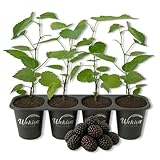
Are you dreaming of fresh, juicy mulberries right from your backyard? Planting a mulberry tree is a fantastic way to enjoy this delicious fruit, and it’s easier than you might think. This comprehensive guide will walk you through every step of the process, from selecting the right variety to ensuring your tree thrives and produces an abundance of sweet berries.
Mulberry trees are known for their fast growth and relatively low maintenance requirements, making them a great choice for both novice and experienced gardeners. Whether you’re interested in the fruit for jams and pies, or simply want to provide shade and beauty to your landscape, learning how to plant mulberry tree is a rewarding endeavor. Prepare to embark on a journey towards a fruitful and fulfilling gardening experience.
This guide dives deep into the essentials, covering everything from choosing the ideal location and preparing the soil to planting techniques and ongoing care. We’ll also explore common challenges and how to overcome them, ensuring your mulberry tree flourishes for years to come. Get ready to cultivate your own mulberry bounty!
Choosing the Right Mulberry Tree Variety
Before you even think about digging a hole, the first step in learning how to plant mulberry tree is selecting the right variety. Different mulberry tree varieties offer varying characteristics, including fruit color, size, and growth habits. Choosing the right one for your climate and preferences is crucial for success.
Popular Mulberry Tree Varieties
- Black Mulberry (Morus nigra): Known for its intensely flavored, dark purple to black fruit. This is often considered the best-tasting mulberry, but it can be messy due to fruit drop. It’s best suited for warmer climates.
- White Mulberry (Morus alba): Produces white, pink, or light purple fruit. While the fruit may not be as flavorful as the black mulberry, it’s often preferred for its cleaner drop (less staining) and adaptability to a wider range of climates. It’s also the primary food source for silkworms.
- Red Mulberry (Morus rubra): Native to North America, this variety produces red to dark purple fruit. It’s known for its hardiness and ability to thrive in various soil conditions.
- Everbearing Mulberry (Morus alba ‘Everbearing’): As the name suggests, this variety produces fruit throughout the growing season, offering a continuous harvest. It’s a popular choice due to its extended fruiting period.
Considerations for Your Climate and Needs
Your local climate is a primary factor in choosing a mulberry tree. Some varieties are more cold-hardy than others. Consider the following:
- Hardiness Zone: Determine your USDA hardiness zone to ensure the variety you choose can survive your winters.
- Fruit Color Preference: Do you prefer the intense flavor of black mulberries or the milder taste of white mulberries?
- Fruit Drop: Be aware that mulberries drop their fruit when ripe, which can create a mess. Consider the location of your tree and whether you mind the potential cleanup. Everbearing varieties tend to have a more gradual drop.
- Space Availability: Mulberry trees can grow quite large. Ensure you have enough space for the mature size of the tree. Dwarf varieties are available for smaller spaces.
Research local nurseries to see which varieties thrive in your area. Consulting with local gardening experts can also provide valuable insights into the best choices for your specific location.
Selecting the Perfect Planting Site
Once you’ve chosen your mulberry tree variety, the next critical step in how to plant mulberry tree is selecting the right planting site. The location significantly impacts the tree’s health, growth, and fruit production. Proper site selection sets the stage for a thriving tree.
Sunlight Requirements
Mulberry trees thrive in full sun, which means they need at least six to eight hours of direct sunlight per day. Adequate sunlight is essential for photosynthesis, which is how the tree produces energy and, ultimately, fruit. Insufficient sunlight can lead to stunted growth and reduced fruit production.
Soil Conditions
Mulberry trees prefer well-drained soil. They can tolerate a range of soil types, including sandy, loamy, and even slightly alkaline soils. However, they don’t do well in consistently waterlogged conditions. Poor drainage can lead to root rot and other diseases.
Before planting, it’s a good idea to test your soil’s drainage. Dig a hole about a foot deep and fill it with water. If the water drains within a few hours, the drainage is adequate. If the water remains for longer than a day, you may need to amend the soil or choose a different location.
Spacing and Location Considerations
Consider the mature size of the mulberry tree when choosing a planting site. Give the tree enough space to grow without overcrowding other plants or structures. This will also allow for good air circulation, which can help prevent diseases.
Also, consider the location relative to your house, walkways, and other features. The fruit drop can create a mess, so avoid planting the tree directly over patios or driveways. The roots can be aggressive, so plant away from underground pipes and foundations.
Wind Protection
While mulberry trees are relatively hardy, strong winds can damage young trees. If your area is prone to strong winds, consider planting the tree in a location that offers some wind protection, such as near a fence or building.
Preparing the Soil for Planting
Proper soil preparation is essential for successful mulberry tree establishment. This step in how to plant mulberry tree sets the stage for healthy root development and overall tree vigor. Taking the time to prepare the soil will pay off in the long run.
Soil Testing and Amendment
Before planting, it’s a good idea to test your soil to determine its pH and nutrient levels. You can purchase a soil testing kit from a local nursery or send a sample to a soil testing laboratory. This will help you identify any deficiencies and determine what amendments are needed.
Mulberry trees prefer a slightly acidic to neutral soil pH (around 6.0 to 7.0). If your soil is too acidic, you can add lime to raise the pH. If it’s too alkaline, you can add sulfur or other acidifying agents. Incorporate these amendments into the soil several weeks before planting. (See Also: Zinnia Seeds: Your Guide on How to Plant & Grow!)
Digging the Planting Hole
The planting hole should be twice as wide as the root ball of the mulberry tree and just as deep. This provides ample space for the roots to spread and establish themselves. When digging the hole, be sure to loosen the soil around the edges.
Remove any rocks, debris, or compacted soil from the hole. This will ensure that the roots can easily penetrate the soil and access water and nutrients. A well-prepared hole is key for healthy root development.
Adding Compost and Organic Matter
Adding compost and other organic matter to the planting hole is highly beneficial. Organic matter improves soil structure, drainage, and fertility. It also helps the soil retain moisture and provides essential nutrients for the tree.
Mix a generous amount of compost, well-rotted manure, or other organic matter into the soil you removed from the hole. You can also add a slow-release fertilizer at this stage, following the package instructions. This will provide the young tree with a boost of nutrients.
Planting Your Mulberry Tree
With the soil prepared and your tree chosen, it’s time to learn the practical aspects of how to plant mulberry tree. Careful planting is vital for the tree’s initial success and long-term health. Following these steps will help ensure your tree gets off to a strong start.
Removing the Tree From Its Container
Carefully remove the mulberry tree from its container. If the tree is root-bound (the roots are circling the container), gently loosen the roots with your fingers or a gardening tool. This encourages the roots to grow outward into the surrounding soil.
Avoid damaging the roots during this process. A healthy root system is crucial for the tree’s ability to absorb water and nutrients.
Positioning the Tree in the Hole
Place the tree in the planting hole, ensuring that the top of the root ball is level with or slightly above the surrounding soil. Planting the tree too deep can lead to root rot, while planting it too shallow can expose the roots to the air and dry them out.
Gently backfill the hole with the amended soil, tamping it down lightly to remove any air pockets. Be careful not to pack the soil too tightly, as this can restrict root growth.
Watering and Mulching
After planting, water the tree thoroughly to help settle the soil and encourage root growth. Water deeply and slowly, allowing the water to penetrate the soil around the roots.
Apply a layer of mulch around the base of the tree, keeping it a few inches away from the trunk. Mulch helps retain moisture, suppress weeds, and regulate soil temperature. Use organic mulches, such as wood chips or shredded bark. This is essential for understanding how to plant mulberry tree.
Caring for Your Young Mulberry Tree
Once your mulberry tree is planted, ongoing care is essential for its healthy growth and fruit production. Proper care, including watering, fertilizing, and pruning, ensures the tree thrives. Here are the key aspects of caring for your young mulberry tree.
Watering Guidelines
Young mulberry trees need regular watering, especially during dry periods. Water deeply and less frequently, allowing the soil to dry out slightly between waterings. This encourages the roots to grow deep.
The frequency of watering will depend on your climate and soil type. Check the soil moisture regularly by inserting your finger a few inches into the soil. If the soil feels dry, it’s time to water. Avoid overwatering, as this can lead to root rot.
Fertilizing Your Mulberry Tree
Fertilize your mulberry tree annually in the spring, before new growth begins. Use a balanced fertilizer formulated for fruit trees, following the package instructions. Avoid over-fertilizing, as this can lead to excessive growth at the expense of fruit production. (See Also: Learn How to Plant Mint Seeds: A Complete Guide)
You can also supplement the soil with compost and other organic matter, which will provide the tree with essential nutrients. Mulching around the base of the tree will also help improve soil fertility.
Pruning Techniques
Pruning is an important part of mulberry tree care. It helps shape the tree, remove dead or diseased branches, and improve fruit production. Prune your mulberry tree during the dormant season (late winter or early spring), before new growth begins.
Remove any dead, damaged, or crossing branches. Thin out the canopy to allow for better air circulation and sunlight penetration. You can also prune the tree to control its size and shape. Pruning is a crucial part of knowing how to plant mulberry tree.
Protecting From Pests and Diseases
Mulberry trees are generally resistant to pests and diseases, but they can be susceptible to certain problems. Regularly inspect your tree for signs of pests or diseases, such as leaf spots, aphids, or scale.
If you notice any problems, take action promptly. You can use organic pest control methods, such as insecticidal soap or neem oil, to control pests. For diseases, remove and dispose of infected branches and leaves. Good air circulation is key to disease prevention.
Common Problems and Solutions
Even with the best care, your mulberry tree may encounter some challenges. Understanding common problems and how to address them is an essential part of learning how to plant mulberry tree. Being prepared to address these issues will help ensure your tree’s long-term health and productivity.
Root Rot
Root rot is a common problem caused by overwatering or poor drainage. Symptoms include yellowing leaves, stunted growth, and the eventual death of the tree. To prevent root rot, ensure your tree has well-drained soil and avoid overwatering. If root rot is suspected, allow the soil to dry out and consider improving drainage.
Leaf Spot
Leaf spot is a fungal disease that causes spots on the leaves. It’s often caused by excessive moisture. To prevent leaf spot, ensure good air circulation and avoid overhead watering. If leaf spot is present, remove and dispose of infected leaves and consider using a fungicide.
Pest Infestations
Mulberry trees can be susceptible to pests such as aphids and scale. These pests can damage the leaves and weaken the tree. Inspect your tree regularly for signs of pests. If you notice an infestation, use organic pest control methods, such as insecticidal soap or neem oil.
Fruit Drop
Excessive fruit drop can be caused by various factors, including drought stress, nutrient deficiencies, and pest infestations. Ensure your tree receives adequate water and nutrients. Remove any pests or diseases. Certain varieties, like Everbearing, are less prone to heavy fruit drops.
Harvesting and Using Mulberries
The culmination of your efforts in learning how to plant mulberry tree is the harvest! Knowing when and how to harvest mulberries is essential to enjoying their delicious fruit. Here’s a guide to harvesting and using your mulberry bounty.
When to Harvest
Mulberries ripen over a period of several weeks, typically in late spring or early summer, depending on the variety and your climate. The fruit is ripe when it is easily pulled from the tree. The color of the fruit will indicate ripeness, varying by variety.
Black mulberries turn a deep purple to black when ripe. White mulberries can range from white to pink to light purple. Ripe fruit is soft and juicy. Taste a few berries to confirm they are sweet and flavorful.
Harvesting Methods
Harvesting mulberries can be a bit messy because the fruit is delicate and easily crushed. Here are a few harvesting methods:
- Handpicking: The most straightforward method, but time-consuming. Gently pull the ripe berries from the tree.
- Shaking the Tree: Spread a sheet or tarp under the tree and gently shake the branches. The ripe berries will fall onto the sheet. This is a quick method.
- Using a Fruit Picker: Specialized fruit pickers can help reach high branches and gently remove the fruit.
Using Mulberries
Mulberries are incredibly versatile and can be used in various ways: (See Also: Corn Yield: How Many Ears of Corn Per Plant?)
- Eating Fresh: The simplest and most enjoyable way to enjoy mulberries is to eat them fresh off the tree.
- Jams and Jellies: Mulberries make delicious jams and jellies.
- Pies and Tarts: Use mulberries in pies, tarts, and other baked goods.
- Juices and Smoothies: Blend mulberries into juices and smoothies.
- Drying: Dry mulberries to preserve them for later use.
- Wine and Liqueurs: Mulberries can be used to make wine and liqueurs.
Frequently Asked Questions (faq)
Addressing common questions is an essential component of understanding how to plant mulberry tree. Here are answers to some frequently asked questions:
Q: How long does it take for a mulberry tree to produce fruit?
A: The time it takes for a mulberry tree to produce fruit varies depending on the variety and growing conditions. Grafted trees often produce fruit within 1-2 years, while trees grown from seed may take 3-5 years or longer.
Q: Can I grow a mulberry tree in a container?
A: Yes, you can grow a mulberry tree in a container, but choose a dwarf variety. Provide a large container with adequate drainage and regular watering. Pruning is essential to control the tree’s size.
Q: Do I need to prune my mulberry tree?
A: Yes, pruning is essential for mulberry tree care. Pruning helps shape the tree, remove dead or diseased branches, and improve fruit production. Prune during the dormant season (late winter or early spring).
Q: How do I control the fruit drop from my mulberry tree?
A: The fruit drop is a natural characteristic of mulberry trees. Choosing an Everbearing variety can help minimize the impact. Regular watering, fertilization, and pest control can also contribute to reducing fruit drop.
Q: Are mulberry trees messy?
A: Yes, mulberry trees can be messy due to the fruit drop. Choose a location away from walkways and patios. Regular cleaning and harvesting can help manage the mess.
Conclusion
Reap the Rewards of Knowing How to Plant Mulberry Tree
Planting a mulberry tree is a rewarding experience that combines the joy of gardening with the deliciousness of fresh fruit. From selecting the right variety and preparing the soil to planting and ongoing care, this guide has provided a comprehensive overview of how to plant mulberry tree. By following these steps and addressing common challenges, you can enjoy the sweet bounty of your own mulberry tree for years to come. Embrace the journey and savor the fruits of your labor!
Recommended Products