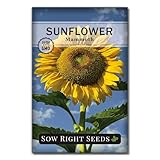
Imagine towering giants gracing your garden, their massive heads following the sun. This is the magic of the Mammoth Sunflower, a variety known for its impressive height and enormous seed heads. But the journey from tiny seed to majestic sunflower isn’t automatic; it requires understanding and care.
This comprehensive guide details exactly how to plant mammoth sunflower seeds, from choosing the right seeds to harvesting your bounty. We’ll cover everything from soil preparation and planting techniques to pest control and harvesting. Get ready to transform your garden into a sunflower spectacle.
You’ll learn about the ideal conditions for these giants to thrive and discover the secrets to coaxing the most impressive blooms from your plants. Whether you’re a seasoned gardener or a complete beginner, this guide will provide you with the knowledge and confidence to successfully grow mammoth sunflowers.
Choosing Your Mammoth Sunflower Seeds
The first step in your sunflower journey is selecting the right seeds. Not all sunflower varieties are created equal, and choosing high-quality seeds is essential for success. Mammoth sunflowers are known for their size, so make sure you’re actually getting the right variety.
Look for seeds specifically labeled as ‘Mammoth’ or ‘Mammoth Grey Stripe’. These are the most common and reliable varieties for achieving impressive height. Consider the source: reputable seed companies often offer better quality and germination rates than generic brands. Check the seed packet for information on germination rates and expected plant height.
Seed Quality and Germination Rates
Seed quality directly impacts your success. Fresh seeds generally have higher germination rates. Check the ‘sell-by’ date on the seed packet. Storing seeds properly (in a cool, dry place) also helps maintain their viability. You can perform a simple germination test before planting a large batch.
To test, place a few seeds on a damp paper towel, fold it over, and put it in a sealed plastic bag. Keep the paper towel moist and check for germination after a week. If a significant percentage of seeds sprout, you can be confident in your seed quality. A low germination rate indicates that you may need to sow more seeds or source a new batch.
Where to Buy Mammoth Sunflower Seeds
Mammoth sunflower seeds are widely available. You can find them at local garden centers, nurseries, and online retailers. Popular online marketplaces like Amazon and specialized seed companies offer a vast selection. Comparing prices and reading reviews can help you make an informed decision.
Consider seed companies that specialize in sunflowers or heirloom varieties, as they often offer a wider selection and better quality. Always check the seller’s reputation and read customer reviews before making a purchase. Buying from a reputable source ensures you receive viable seeds and helpful growing information.
Understanding the Ideal Growing Conditions
Mammoth sunflowers are sun-worshippers and thrive in specific conditions. Understanding these requirements is crucial for successful cultivation. From sunlight and soil to water and temperature, each factor plays a vital role in the plant’s growth and development.
Providing the right environment will give your sunflowers the best chance to reach their full potential, resulting in those impressive heights and seed heads you desire. Neglecting any of these elements can lead to stunted growth, poor flowering, and a disappointing harvest. Let’s explore the key requirements for growing mammoth sunflowers.
Sunlight Requirements
Sunlight is the most critical factor. Mammoth sunflowers need at least 6-8 hours of direct sunlight per day. Choose a planting location that receives ample sunlight, ideally in a south-facing area. Insufficient sunlight will result in weak stems, smaller flowers, and reduced seed production.
Consider the sun’s path throughout the day and ensure the planting site isn’t shaded by trees, buildings, or other obstructions. Observe the area during different times of day to assess the amount of sunlight it receives. The more sun, the better your chances of growing giant sunflowers.
Soil Preparation and Amendments
Mammoth sunflowers prefer well-draining soil that is rich in organic matter. Prepare the soil by loosening it to a depth of at least 12 inches. Add compost, well-rotted manure, or other organic amendments to improve drainage, fertility, and water retention. This will create a healthy environment for root growth.
Conducting a soil test before planting is highly recommended. This will provide valuable information about your soil’s pH and nutrient levels. Amend the soil based on the test results to ensure optimal growing conditions. Aim for a slightly acidic to neutral pH (6.0-7.0) for best results.
Watering and Irrigation
Consistent watering is vital, especially during the seedling stage and during dry spells. Water deeply and regularly, allowing the soil to dry slightly between waterings. Avoid overwatering, which can lead to root rot. Aim to keep the soil consistently moist but not waterlogged.
Consider using a soaker hose or drip irrigation system to deliver water directly to the roots, minimizing water loss through evaporation and reducing the risk of fungal diseases. Mulching around the plants can also help retain moisture and suppress weeds. Sunflowers are thirsty plants, so consistent watering is crucial for their growth.
Temperature and Climate
Mammoth sunflowers thrive in warm temperatures and are sensitive to frost. Plant seeds after the last expected frost in your area. The ideal soil temperature for germination is around 70-80°F (21-27°C). Provide protection from strong winds, as tall sunflowers can be susceptible to being blown over. (See Also: Essential Guide: How to Care for a Weed Plant for Beginners)
Choose a planting location sheltered from strong winds or consider providing support for the plants as they grow. Monitor the weather forecast and be prepared to protect young plants from late frosts. Mammoth sunflowers are relatively hardy once established, but they need a warm start to thrive.
Planting Your Mammoth Sunflower Seeds
Once you’ve chosen your seeds and prepared the planting site, it’s time to sow. Proper planting techniques will set your sunflowers up for success. This includes understanding the ideal planting depth, spacing, and timing. Following these steps carefully will ensure healthy seedlings and a strong start to the growing season.
Whether you choose to direct sow or start seeds indoors, understanding the nuances of planting is essential. Timing is also critical; planting too early or too late can hinder germination and growth. Let’s delve into the specifics of planting your mammoth sunflower seeds.
Direct Sowing vs. Starting Seeds Indoors
Mammoth sunflowers are generally best suited for direct sowing, meaning planting the seeds directly into the ground. They have a long taproot and don’t transplant well. However, you can start seeds indoors if you have a short growing season or want to get a head start.
If you choose to start seeds indoors, plant them in biodegradable pots to minimize root disturbance during transplanting. Transplant seedlings outdoors after the last frost, when they have several sets of true leaves. Be extremely careful when transplanting to avoid damaging the roots.
Planting Depth and Spacing
Plant seeds about 1-2 inches deep. Space the seeds at least 12-18 inches apart, as mammoth sunflowers need ample space to grow. For multiple rows, space the rows at least 2-3 feet apart. This allows for good air circulation and easy access for weeding and harvesting.
Consider the mature size of the sunflowers and adjust the spacing accordingly. Overcrowding can lead to competition for resources and reduced plant size. Thin seedlings if necessary, leaving the strongest plants in place. Proper spacing is crucial for healthy growth.
Watering After Planting
After planting, water the seeds thoroughly to encourage germination. Keep the soil consistently moist but not waterlogged. Avoid disturbing the soil around the seeds. Monitor the soil moisture and water as needed, especially during dry periods.
Gentle watering is key at this stage. Use a watering can with a rose or a gentle spray setting on your hose to avoid dislodging the seeds. Consistent moisture is crucial for successful germination and early growth. Proper watering sets the stage for healthy seedlings.
Thinning Seedlings
Once the seedlings emerge, thin them to the recommended spacing. Remove the weaker seedlings, leaving the strongest ones in place. This will ensure that the remaining plants have enough space and resources to thrive. Thinning promotes better air circulation and reduces the risk of disease.
Thin seedlings when they have several sets of true leaves. You can either snip the unwanted seedlings at the soil level or carefully pull them out, being careful not to disturb the roots of the remaining plants. Thinning is essential for maximizing the size and health of your sunflowers.
Caring for Your Growing Sunflowers
Once your sunflowers have sprouted, ongoing care is essential for their health and well-being. This involves providing adequate water and nutrients, protecting them from pests and diseases, and providing support as needed. Consistent care will ensure that your sunflowers reach their full potential.
Regular monitoring and maintenance are crucial throughout the growing season. Early intervention is key to addressing any issues that may arise. Let’s explore the essential care practices for growing mammoth sunflowers.
Watering and Fertilizing
Continue to water your sunflowers regularly, especially during dry spells. Supplement with a balanced fertilizer, or amend with compost to provide a steady supply of nutrients. Avoid over-fertilizing, which can lead to excessive foliage growth at the expense of flower production.
Water deeply and less frequently, allowing the soil to dry slightly between waterings. Apply fertilizer according to the product’s instructions. Look for signs of nutrient deficiencies, such as yellowing leaves, and adjust your fertilizing schedule accordingly. Proper watering and fertilization are crucial for healthy growth.
Pest and Disease Control
Sunflowers are relatively pest-resistant, but they can be susceptible to certain pests and diseases. Common pests include aphids, sunflower moths, and sunflower beetles. Monitor your plants regularly and take action at the first sign of infestation.
Use insecticidal soap or neem oil to control pests. Remove and destroy any infected plant parts. Diseases like rust and downy mildew can also affect sunflowers. Ensure good air circulation and avoid overhead watering to minimize the risk of fungal diseases. Early detection and treatment are crucial for preventing serious problems. (See Also: How to Trim Basil Plant Without Killing It: A Gardener’s Guide)
Staking and Support
Mammoth sunflowers can grow very tall and may require staking or other support to prevent them from falling over, especially in windy conditions. Use sturdy stakes, such as wooden posts or metal pipes, and tie the stems loosely to the stakes with soft twine or garden ties.
Stake the plants early in the growing season to prevent them from leaning. Consider using a trellis or other support structure for multiple plants. Proper support will prevent the plants from being damaged by wind or heavy seed heads. Staking is especially important for areas prone to strong winds.
Weed Control
Weeds can compete with sunflowers for water, nutrients, and sunlight. Regularly remove weeds by hand or with a hoe. Mulching around the plants can also help suppress weed growth. Proper weed control will ensure that your sunflowers have the resources they need to thrive.
Weed regularly, especially when the plants are young and vulnerable. Avoid using herbicides near your sunflowers. Mulching with organic materials, such as straw or wood chips, can help suppress weeds and retain moisture. Weed control is essential for maximizing sunflower growth and yield.
Harvesting and Storing Mammoth Sunflower Seeds
The final stage is the harvest, a rewarding experience after months of care. Harvesting at the right time is crucial for maximizing seed yield and quality. Proper harvesting and storage techniques will ensure that you can enjoy your sunflower seeds for months to come.
Knowing when and how to harvest, dry, and store your seeds will allow you to savor the fruits of your labor and use them for various purposes. Let’s explore the steps involved in harvesting and storing your mammoth sunflower seeds.
Harvesting Time
The best time to harvest sunflower seeds is when the back of the flower head turns yellow or brown and the petals start to dry and fall off. The seeds will be plump and firm, and the head will droop downwards. This indicates that the seeds are mature and ready for harvest.
Monitor the sunflower heads regularly and harvest them before they are completely dry to prevent birds and other wildlife from eating the seeds. Gently tap the back of the flower head; if the seeds easily fall out, they are ready to harvest. Timing is everything for a successful harvest.
Harvesting Techniques
Cut the sunflower heads from the stalks, leaving a few inches of stem attached. If birds are a problem, you can cover the heads with paper bags or netting before harvesting. Carefully remove the seeds from the head by rubbing the head against your hands or a hard surface.
Be gentle when harvesting to avoid damaging the seeds. You can also use a fork or other tool to help remove the seeds. Collect the seeds in a container and separate any debris. Harvesting efficiently is key to getting the most from your plants.
Drying and Curing Seeds
Spread the seeds in a single layer on a screen or tray and allow them to dry in a well-ventilated area for several weeks. This will reduce the moisture content and prevent mold growth. Turn the seeds regularly to ensure even drying.
The seeds are dry when they are hard and brittle. You can test a few seeds by cracking them open; they should be dry and firm. Proper drying is crucial for long-term storage and preventing spoilage. Drying ensures the seeds are ready for eating or planting next season.
Storing Sunflower Seeds
Once the seeds are completely dry, store them in airtight containers in a cool, dark, and dry place. This will help preserve their quality and extend their shelf life. Proper storage will keep the seeds viable for planting next season and prevent them from becoming rancid.
Ideal storage conditions are around 60-70°F (15-21°C) and low humidity. Label the containers with the variety and the harvest date. Properly stored seeds can last for several months, or even years, depending on the conditions. Proper storage ensures your seeds are ready to enjoy.
Common Problems and Solutions
Even with the best care, you may encounter challenges. Identifying and addressing these issues promptly is essential for preventing serious problems and ensuring a successful harvest. Understanding potential problems and their solutions will help you troubleshoot any issues.
From pests and diseases to environmental factors, various issues can affect your sunflowers. Let’s explore some common problems and their solutions.
Pests and Diseases
As mentioned before, aphids, sunflower moths, and sunflower beetles can be problematic. Use insecticidal soap or neem oil to control pests. Diseases like rust and downy mildew can also affect sunflowers. Ensure good air circulation and avoid overhead watering. (See Also: Aloe Vera Watering Guide: How Much Water Does It Need?)
Inspect your plants regularly for signs of pests or diseases. Early detection and treatment are crucial for minimizing damage. Remove and destroy any infected plant parts. Choose disease-resistant varieties if possible. Prompt action is key for healthy plants.
Environmental Challenges
Strong winds can blow over tall sunflowers. Stake your plants early in the season to provide support. Insufficient sunlight can lead to weak stems and reduced flower production. Choose a planting location that receives at least 6-8 hours of direct sunlight.
Drought conditions can stunt growth. Water your plants regularly, especially during dry spells. Amend your soil with organic matter to improve water retention. Be prepared to address environmental challenges to protect your plants.
Poor Germination
Poor germination can be caused by several factors, including old seeds, poor soil conditions, and insufficient watering. Use fresh seeds and prepare the soil properly. Ensure the soil is consistently moist but not waterlogged. Check the soil temperature; it should be warm.
Perform a germination test before planting a large batch of seeds. If the germination rate is low, consider purchasing new seeds. Proper planting depth and spacing are also important for successful germination. Addressing these issues can ensure healthy seedlings.
Troubleshooting Tips
Here are some additional tips for addressing common issues. Remember that prevention is always the best approach. Monitoring your plants regularly and taking proactive steps can help prevent problems before they become serious. These tips provide additional guidance for successful sunflower cultivation.
By following these tips, you’ll be well-equipped to handle any challenges that arise during your sunflower-growing journey. Let’s explore some troubleshooting tips to address common issues.
Yellowing Leaves
Yellowing leaves can be a sign of several problems, including nutrient deficiencies, overwatering, or underwatering. Assess the watering schedule and adjust accordingly. Test your soil and amend it with nutrients based on the test results. Proper watering and fertilization are key.
Check for signs of pests or diseases, as they can also cause yellowing leaves. Early detection and treatment are crucial for preventing serious problems. Address the underlying cause to restore the plant’s health. Yellowing leaves can indicate a problem.
Stunted Growth
Stunted growth can be caused by a variety of factors, including poor soil conditions, lack of sunlight, or pests and diseases. Ensure your plants are receiving adequate sunlight and nutrients. Address any pest or disease problems promptly.
Improve the soil quality by adding compost or other organic matter. Check the soil pH and amend it accordingly. Provide adequate water, especially during dry spells. Address the underlying cause to encourage healthy growth.
Failure to Bloom
Failure to bloom can be caused by insufficient sunlight, nutrient deficiencies, or pest infestations. Ensure your plants are receiving at least 6-8 hours of direct sunlight per day. Fertilize your plants with a balanced fertilizer. Address any pest or disease problems.
Ensure the plants are not overcrowded. Adequate spacing is crucial for healthy growth and flowering. Check the soil pH and amend it accordingly. Providing the right conditions will help trigger flower production.
Conclusion
Growing mammoth sunflowers is a rewarding experience. From selecting the right seeds to harvesting the giant seed heads, the process offers a unique gardening adventure. By following the guidelines in this article, you can successfully cultivate these impressive plants.
Remember to choose a sunny location, prepare the soil properly, and provide consistent care throughout the growing season. With patience and attention, you can transform your garden into a sunflower spectacle, enjoying the beauty of these giants and the bounty of their seeds. Enjoy the process and the results!
Recommended Products