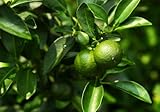
Dreaming of fresh key lime pies, tangy margaritas, and the vibrant scent of citrus in your own backyard? Growing your own key lime tree from seed is a rewarding experience, offering the unique satisfaction of nurturing a plant from its humble beginnings. While it requires patience, the journey from tiny seed to fruit-bearing tree is filled with learning and the promise of delicious rewards. This guide will walk you through every step of how to plant key lime seeds, ensuring you have the best chance of success.
Key limes, known for their distinctive tartness and aromatic zest, are a delightful addition to any garden or home. They are relatively easy to grow, especially with the right knowledge and care. Learning how to plant key lime seeds is the first step towards enjoying the fruits of your labor. Follow the instructions and you’ll be on your way to a homegrown supply of these delicious fruits.
Choosing and Preparing Your Key Lime Seeds
The journey of growing your own key lime tree begins with the seeds themselves. The quality of the seeds significantly impacts the success of your project. Selecting the right seeds and preparing them properly is the first crucial step.
Selecting Quality Key Limes
The best key lime seeds come from fresh, ripe key limes. Look for fruits that are plump, slightly yielding to the touch, and have a vibrant green color. Avoid limes that are bruised, discolored, or show signs of decay. These may indicate that the seeds inside are not viable.
Consider where you get your key limes. Buying them from a local market or a reputable grocery store often yields better results than purchasing them from an unknown source. The fresher the fruit, the higher the chance of viable seeds.
Extracting and Cleaning the Seeds
Once you have your key limes, carefully extract the seeds. Cut the lime open and gently remove the seeds. Rinse the seeds thoroughly under cool water to remove any pulp or fruit residue. This prevents mold and fungal growth during germination.
Use your fingers to gently rub the seeds to remove any remaining pulp. This will ensure that the seeds are clean and ready for planting. Clean seeds are less susceptible to rotting before they have a chance to sprout.
Drying the Seeds (optional)
While not strictly necessary, drying the seeds slightly can improve their storage and handling. Place the cleaned seeds on a paper towel and let them air dry for about 24-48 hours. Make sure they are not completely dried out, as this can reduce their viability.
Do not leave the seeds out for too long as they could become too dry. Store them in a cool, dark place until you are ready to plant them. Proper storage is crucial for maintaining seed viability.
Germinating Key Lime Seeds
Germination is the process where the seed sprouts and begins to grow. This is a critical stage, and providing the right conditions will greatly increase your chances of success. There are a few different methods you can use to germinate your key lime seeds.
Method 1: Direct Sowing in Soil
This is the simplest method, and often the most effective. Fill a small pot or seed starting tray with a well-draining potting mix. A mixture of peat moss, perlite, and vermiculite works well. Moisten the soil thoroughly before planting.
Plant the seeds about half an inch deep in the soil, spacing them an inch or two apart. Cover the seeds gently with soil and lightly water them. Keep the soil consistently moist but not waterlogged. The best temperature for germination is around 70-75°F (21-24°C).
Method 2: Paper Towel Method
This method allows you to monitor the germination process closely. Moisten a paper towel and place the key lime seeds on it, spacing them apart. Fold the paper towel over the seeds and place it inside a zip-top bag. (See Also: How to Get Rid of Spider Mites on Plant: A Complete Guide)
Keep the bag in a warm location, checking it daily for moisture. The paper towel should remain moist but not soaking wet. After a week or two, you should see the seeds begin to sprout. Once they have sprouted, carefully plant them in soil.
Providing Optimal Germination Conditions
Regardless of the method you choose, providing the right environment is crucial. Key lime seeds need warmth, moisture, and proper light to germinate. A consistent temperature, adequate moisture, and sufficient light are key to successful germination.
- Temperature: Maintain a temperature of 70-75°F (21-24°C). A heat mat can be helpful if your home is cooler.
- Moisture: Keep the soil or paper towel consistently moist, but avoid overwatering.
- Light: Provide indirect sunlight or use a grow light. Avoid direct sunlight, which can scorch the seedlings.
PAA: How long does it take for key lime seeds to germinate? Key lime seeds typically germinate within 2-4 weeks, though this can vary depending on conditions.
Planting and Caring for Key Lime Seedlings
Once your key lime seeds have germinated, it is time to transplant them into individual pots or a larger container. Proper care during this stage is essential for healthy growth.
Transplanting Seedlings
When the seedlings have developed a few sets of true leaves (the leaves that look like miniature versions of the adult tree’s leaves), it’s time to transplant. Carefully remove the seedlings from their starting container. Handle the delicate roots with care to avoid damage.
Plant each seedling in its own pot filled with well-draining potting mix. Choose pots that are approximately 4-6 inches in diameter. Water the seedlings thoroughly after transplanting. Gently firm the soil around the base of the seedling.
Providing the Right Environment
Key lime seedlings need plenty of sunlight, regular watering, and protection from extreme temperatures. The right environment will help ensure the healthy growth of your seedlings.
- Sunlight: Place the seedlings in a location where they will receive at least 6-8 hours of sunlight per day. If natural light is insufficient, use a grow light.
- Watering: Water the seedlings regularly, keeping the soil moist but not soggy. Allow the top inch of soil to dry out between waterings.
- Temperature: Maintain a temperature between 65-80°F (18-27°C). Protect the seedlings from frost and extreme heat.
Fertilizing Your Seedlings
Fertilizing is essential for providing your seedlings with the nutrients they need to grow. Use a balanced, slow-release fertilizer formulated for citrus trees. Avoid over-fertilizing, as this can damage the roots. Follow the instructions on the fertilizer package.
Apply the fertilizer according to the manufacturer’s instructions. Usually, this involves applying it every few weeks during the growing season (spring and summer). Reduce or stop fertilizing during the fall and winter months.
Dealing with Pests and Diseases
Key lime seedlings, like all plants, can be susceptible to pests and diseases. Regular monitoring and prompt action are key to preventing problems. Early detection is crucial to preventing the infestation from spreading.
- Common Pests: Watch out for aphids, spider mites, and scale insects. Treat infestations with insecticidal soap or neem oil.
- Common Diseases: Be aware of fungal diseases such as root rot and leaf spot. Ensure proper drainage and avoid overwatering to prevent these diseases.
PAA: How often should I water my key lime seedling? Water your key lime seedling when the top inch of soil feels dry. This usually means watering every few days, but it can vary depending on the environment.
Caring for Your Key Lime Tree
As your key lime seedlings grow, they will eventually mature into fruit-bearing trees. Caring for a mature key lime tree involves providing the right conditions for continued growth and fruit production. (See Also: Mastering the Green: How to Plant Seeds for Grass)
Choosing the Right Location
Key lime trees thrive in warm climates with plenty of sunlight. Select a location that receives at least 6-8 hours of direct sunlight per day. If you live in a colder climate, you can grow your tree in a container and bring it indoors during the winter.
The location should also have well-draining soil. Key lime trees do not tolerate soggy soil. If planting in the ground, amend the soil with compost or other organic matter to improve drainage. Consider the size of the mature tree when choosing a location.
Watering and Fertilizing Mature Trees
Mature key lime trees have different watering and fertilizing needs than seedlings. Proper watering and fertilizing are essential for fruit production.
- Watering: Water deeply and regularly, especially during the growing season. Allow the soil to dry out slightly between waterings.
- Fertilizing: Fertilize regularly with a citrus-specific fertilizer. Follow the instructions on the fertilizer package. Apply fertilizer in the spring and summer.
Pruning Your Key Lime Tree
Pruning is an important part of caring for a key lime tree. It helps maintain the tree’s shape, encourages fruit production, and promotes air circulation. Pruning is essential for maintaining the health of your tree.
- When to Prune: Prune your key lime tree in late winter or early spring, before new growth begins.
- How to Prune: Remove any dead, damaged, or crossing branches. Thin out the canopy to improve air circulation.
Protecting Your Tree From Pests and Diseases
Mature key lime trees can still be susceptible to pests and diseases. Regular monitoring and prompt action are essential for protecting your tree. Early detection will prevent the infestation or disease from spreading.
- Common Pests: Watch out for aphids, scale insects, and spider mites. Treat infestations with insecticidal soap or neem oil.
- Common Diseases: Be aware of fungal diseases such as citrus canker and root rot. Ensure proper drainage and avoid overwatering.
PAA: How long does it take for a key lime tree to produce fruit? Key lime trees grown from seed typically take 3-5 years to start producing fruit. Grafted trees may produce fruit within 1-2 years.
Troubleshooting Common Problems
Even with the best care, you may encounter some challenges while growing your key lime tree. Here are some common problems and how to address them.
Yellowing Leaves
Yellowing leaves, also known as chlorosis, can be caused by various factors. These factors include nutrient deficiencies, overwatering, and pest infestations. Identifying the cause is crucial for a solution.
To diagnose the cause, consider the following: Check the soil moisture. Inspect the leaves for pests. Consider the fertilizer schedule. Adjust the watering and fertilizer accordingly.
Leaf Drop
Leaf drop can be a sign of stress. Common causes of leaf drop include temperature fluctuations, insufficient sunlight, and overwatering. Address the underlying cause to prevent further leaf drop.
Move the tree to a location with more consistent temperature and sunlight. Adjust your watering schedule. Consider repotting the tree if the soil is poorly draining.
Lack of Fruit Production
If your tree is not producing fruit, several factors could be at play. This includes the age of the tree, insufficient sunlight, and nutrient deficiencies. Ensure all the needs of the tree are met. (See Also: Planting Lavender: How Far Apart Should I Plant Lavender?)
Ensure the tree receives enough sunlight. Fertilize the tree regularly with a citrus-specific fertilizer. Be patient, as it can take several years for a tree grown from seed to bear fruit.
Pest Infestations
Pest infestations can weaken your tree and reduce fruit production. Regular monitoring and prompt treatment are essential. Identifying the problem early is key.
Inspect your tree regularly for pests. Treat infestations with insecticidal soap or neem oil. Isolate the affected tree to prevent the spread of pests.
Enjoying the Fruits of Your Labor
Once your key lime tree begins to bear fruit, you can finally enjoy the fruits of your labor. Harvesting and using your key limes is a rewarding experience.
Harvesting Key Limes
Key limes are typically ready to harvest when they are slightly yellow and have a slight give when squeezed. The exact timing will depend on your climate and growing conditions. Keep in mind that key limes are usually harvested when still green.
Use clippers or scissors to cut the limes from the tree, leaving a small stem attached. Avoid pulling the limes, as this can damage the tree. Harvest the limes regularly to encourage continued fruit production.
Using Your Key Limes
Key limes are incredibly versatile and can be used in a variety of ways. From refreshing beverages to flavorful dishes, key limes are a delicious addition to your culinary creations.
- Beverages: Use key lime juice in margaritas, lemonade, and other refreshing drinks.
- Desserts: Make key lime pie, key lime bars, and other delicious desserts.
- Savory Dishes: Add key lime juice to marinades, sauces, and dressings.
PAA: How do you know when key limes are ripe? Key limes are typically ready to harvest when they are slightly yellow and have a slight give when squeezed. They can also be harvested when green.
Conclusion
Growing a key lime tree from seed is a fulfilling experience that requires patience, care, and attention to detail. By following the steps outlined in this guide, you can successfully germinate key lime seeds, nurture your seedlings, and eventually enjoy the delicious fruits of your own tree. The journey may take time, but the reward of fresh, homegrown key limes is well worth the effort. Now that you know how to plant key lime seeds, you are one step closer to enjoying the taste of homegrown citrus. Enjoy the process and savor the delicious results!
Recommended Products