Are you captivated by the allure of the jade plant, with its succulent leaves and symbolic ties to prosperity? These resilient beauties are relatively easy to care for, making them a favorite among both novice and experienced gardeners. Learning how to plant jade plant correctly is the cornerstone of their long-term health and vibrant appearance. Get ready to unlock the secrets to cultivating a flourishing jade plant that will bring beauty and good fortune to your home.
This comprehensive guide will walk you through every step of the process, from selecting the right pot and soil to propagating new plants from cuttings. We’ll delve into the optimal conditions for growth, including sunlight, watering, and fertilization. Whether you’re starting with a small cutting or repotting a mature specimen, you’ll gain the knowledge and confidence needed to nurture your jade plant to its full potential.
Discover the techniques that will ensure your jade plant thrives, bringing you years of enjoyment and a touch of natural elegance. Prepare to transform your space with the beauty of this iconic succulent. Let’s begin the journey of learning how to plant jade plant and watch it flourish!
Choosing the Right Jade Plant and Preparing for Planting
Before you begin the planting process, you need to select the right jade plant and gather the necessary materials. Choosing a healthy plant and preparing the environment will set the stage for success. This initial preparation is critical for the long-term well-being of your jade plant.
Selecting a Healthy Jade Plant
The first step is selecting a healthy jade plant. Look for a plant with firm, plump leaves, free from any signs of disease or pests. Avoid plants with soft, mushy leaves, which could indicate overwatering or root rot. The overall appearance should be vibrant and robust, suggesting a plant that is ready to thrive in its new home.
Consider the size and shape of the jade plant. Choose a plant that suits your available space and aesthetic preferences. Remember that jade plants can grow quite large over time, so plan accordingly. If you’re starting with a cutting, ensure it has calloused over before planting to prevent rot.
Gathering Essential Materials
Having all the necessary materials on hand will make the planting process smoother and more efficient. This preparation also prevents any unexpected delays during the planting process. Here’s a list of what you’ll need:
- Jade Plant: Either a cutting, a small plant, or a mature specimen.
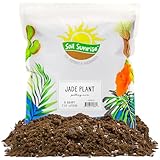
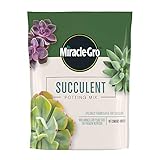
- Potting Mix: Specifically formulated for succulents and cacti, ensuring good drainage.
- Pot: With drainage holes, sized appropriately for the plant’s current and potential size.
- Gloves: To protect your hands from any irritants in the soil.
- Trowel or Small Shovel: For scooping and handling the potting mix.
- Watering Can: For gentle watering after planting.
- Optional: Horticultural charcoal, perlite, or pumice for improved drainage.
Choosing the Right Pot
The pot you choose plays a crucial role in the health of your jade plant. It affects drainage, aeration, and overall root health. Selecting the right pot is a key factor when learning how to plant jade plant.
- Material: Terracotta or unglazed ceramic pots are excellent choices because they are porous and allow for better air circulation and drainage. Plastic pots can also work, but make sure they have adequate drainage holes.
- Size: Choose a pot that is slightly larger than the root ball of your jade plant. Avoid pots that are too large, as this can lead to overwatering and root rot. As the plant grows, you’ll need to repot it into a larger container.
- Drainage: Ensure the pot has drainage holes at the bottom. These are essential for preventing water from accumulating and causing root rot.
Preparing the Potting Mix
Jade plants thrive in well-draining soil. A succulent and cactus potting mix is ideal, as it provides the right balance of nutrients and drainage. You can also create your own mix by combining: (See Also: Planting Sweet Potato Slips: A Guide to a Bountiful Harvest)
- Commercial Succulent Mix: This is the easiest option, providing a pre-mixed solution.
- Potting Soil: A small amount of general-purpose potting soil can be added.
- Perlite or Pumice: These materials improve drainage and aeration.
- Horticultural Charcoal: Charcoal helps to absorb excess moisture and prevent rot.
Mix the ingredients thoroughly before planting. The goal is to create a soil that drains quickly and doesn’t retain too much moisture.
Planting Your Jade Plant: A Step-by-Step Guide
Now that you have your materials ready, you can begin the actual planting process. This section provides a detailed, step-by-step guide on how to plant jade plant, ensuring your succulent gets off to a strong start.
Step 1: Preparing the Pot
Before you introduce the jade plant, you must prepare the pot. This step ensures that the pot is ready to receive your plant. Here’s how:
- Clean the Pot: Make sure the pot is clean and free of any debris or old soil.
- Add Drainage Layer (Optional): If desired, place a layer of gravel or broken pottery at the bottom of the pot to improve drainage. This is especially helpful in pots without sufficient drainage holes.
- Add Potting Mix: Fill the pot about one-third to one-half full with the prepared potting mix.
Step 2: Removing the Jade Plant From Its Current Container (if Applicable)
If you’re transplanting a jade plant from an existing pot, carefully remove it. This step requires some careful handling to avoid damaging the plant. If you’re starting with a cutting, you can skip this step.
- Gently Loosen the Soil: If the plant is in a pot, gently loosen the soil around the edges of the pot with your fingers or a trowel.
- Carefully Remove the Plant: Gently tip the pot on its side and slide the plant out, supporting the base of the plant with your hand.
- Inspect the Roots: Check the roots for any signs of root rot (mushy, dark roots) or pests. Trim away any damaged roots with clean scissors or pruning shears.
Step 3: Positioning the Jade Plant in the New Pot
Proper positioning in the pot is important for the jade plant’s growth and stability. This step ensures that the plant is centered and has enough room to grow.
- Center the Plant: Place the jade plant in the center of the pot, ensuring the top of the root ball is slightly below the rim of the pot.
- Adjust the Height: Add or remove soil to adjust the plant’s height, ensuring the base of the plant is not buried too deep.
Step 4: Filling the Pot with Potting Mix
Now, fill the pot around the jade plant with the prepared potting mix. This step provides the necessary support and nutrients for the plant.
- Add Soil Around the Roots: Carefully fill the pot with the potting mix, gently packing it around the roots.
- Avoid Overfilling: Leave about an inch of space between the soil surface and the rim of the pot to allow for watering.
- Gently Tap the Pot: Tap the pot gently to settle the soil and eliminate any air pockets.
Step 5: Watering Your Newly Planted Jade Plant
Watering correctly after planting is crucial for the jade plant’s survival. Overwatering can lead to root rot, so it’s important to water appropriately. This step is a vital part of learning how to plant jade plant.
- Water Thoroughly: Water the plant thoroughly until water drains out of the drainage holes at the bottom of the pot.
- Allow Excess Water to Drain: Make sure all excess water drains out to prevent waterlogging.
- Avoid Overwatering: Do not water again until the soil is completely dry.
Caring for Your Newly Planted Jade Plant
Proper care is essential for your jade plant’s health and longevity. From sunlight to fertilization, understanding the needs of your jade plant will ensure it thrives. Learning how to plant jade plant is only the first step; ongoing care is vital. (See Also: Spinach Seeds: How Deep to Plant for a Bountiful Harvest)
Sunlight Requirements
Jade plants need plenty of sunlight to thrive. Adequate light is crucial for photosynthesis and overall growth. Here’s what you need to know about sunlight requirements:
- Ideal Location: Place your jade plant in a location that receives at least six hours of direct sunlight per day. South-facing windows are ideal.
- Indoor Placement: If you’re growing your jade plant indoors, place it near a sunny window. Rotate the plant regularly to ensure even exposure to sunlight.
- Outdoor Placement: If you move your jade plant outdoors, gradually acclimate it to direct sunlight to prevent sunburn. Avoid placing it in full sun during the hottest part of the day.
Watering Techniques
Watering is one of the most critical aspects of jade plant care. Overwatering is a common mistake that can lead to root rot. Proper watering techniques are key when learning how to plant jade plant.
- Watering Frequency: Water your jade plant only when the soil is completely dry. This typically means watering every 2-3 weeks, depending on environmental conditions.
- Watering Method: Water deeply until water drains out of the drainage holes. Ensure the entire root ball is moistened.
- Avoid Overwatering: Never let your jade plant sit in standing water. Empty the drainage tray after watering.
- Seasonal Adjustments: Reduce watering during the winter months when the plant’s growth slows down.
Fertilizing Your Jade Plant
Fertilizing helps to provide the necessary nutrients for healthy growth. Using the right fertilizer and method is important for your jade plant. Here’s a guide:
- Fertilizer Type: Use a balanced, water-soluble fertilizer formulated for succulents or cacti. Alternatively, use a fertilizer specifically made for jade plants.
- Frequency: Fertilize your jade plant during the growing season (spring and summer) every 2-4 weeks. Reduce or stop fertilizing during the dormant winter months.
- Application: Dilute the fertilizer to half the recommended strength to avoid over-fertilization. Apply the fertilizer according to the package instructions.
- Signs of Over-Fertilization: Be mindful of signs of over-fertilization, such as salt buildup on the soil surface or leaf burn. Flush the soil with water if you suspect over-fertilization.
Temperature and Humidity
Jade plants prefer moderate temperatures and low humidity. Providing the right temperature and humidity conditions will contribute to their health.
- Temperature: Jade plants thrive in temperatures between 65-75°F (18-24°C). They can tolerate slightly cooler temperatures in the winter.
- Humidity: Jade plants prefer low humidity. Avoid placing them in humid environments.
- Air Circulation: Ensure good air circulation around your jade plant to prevent fungal diseases.
Pruning and Maintenance
Regular pruning and maintenance will help keep your jade plant healthy and attractive. These steps are important for maintaining the shape and health of your plant.
- Pruning: Prune your jade plant to maintain its shape, remove dead or damaged branches, and encourage bushier growth. Use clean pruning shears or scissors.
- Cleaning: Wipe the leaves with a damp cloth to remove dust and keep them clean.
- Repotting: Repot your jade plant every 2-3 years, or when it outgrows its current pot. Repotting is usually done in the spring.
Common Problems and Solutions
Even with the best care, jade plants can sometimes encounter problems. Recognizing and addressing these issues promptly is essential for keeping your plant healthy. This section provides solutions to common problems that jade plants may face.
Root Rot
Root rot is a common problem caused by overwatering. It can be fatal if not addressed. Early detection and action are critical.
- Symptoms: Soft, mushy leaves; yellowing leaves; and a foul odor from the soil.
- Causes: Overwatering, poor drainage, and soil that retains too much moisture.
- Solutions:
- Remove the plant from the pot: Gently remove the plant from its pot and inspect the roots.
- Trim Affected Roots: Cut away any rotted roots with clean scissors or pruning shears.
- Repot in Fresh Soil: Repot the plant in a well-draining potting mix and a pot with good drainage.
- Adjust Watering: Water less frequently, allowing the soil to dry out completely between waterings.
Pests
Jade plants can be susceptible to pests, such as mealybugs and spider mites. Regular inspections and prompt treatment are essential. (See Also: Expert Guide: How to Plant Strawberry Starts for Bountiful Harvests)
- Mealybugs: These are small, white, cottony pests that suck sap from the plant.
- Spider Mites: These tiny pests can cause webbing on the leaves and stems.
- Solutions:
- Isolate the Plant: If you notice pests, isolate the plant to prevent the spread.
- Manual Removal: For small infestations, remove pests manually with a cotton swab dipped in rubbing alcohol.
- Insecticidal Soap: Spray the plant with insecticidal soap, following the product instructions.
- Neem Oil: Apply neem oil to the plant to control pests.
Leaf Drop
Leaf drop can occur due to various reasons, including overwatering, underwatering, or stress. Identifying the cause will help you address the issue effectively.
- Causes: Overwatering, underwatering, insufficient light, temperature stress, or pest infestation.
- Solutions:
- Assess Watering: Adjust watering frequency, ensuring the soil dries out completely between waterings.
- Check Light Levels: Ensure the plant receives adequate sunlight.
- Inspect for Pests: Examine the plant for pests and treat accordingly.
- Check Temperature: Ensure the plant is in a suitable temperature range.
Other Issues
Here are some other common problems that can affect jade plants:
- Wrinkled Leaves: This can be a sign of underwatering. Increase watering frequency.
- Yellowing Leaves: This can be a sign of overwatering or insufficient light. Adjust watering and lighting conditions.
- Leggy Growth: This is often due to insufficient light. Move the plant to a location with more sunlight.
Propagating Jade Plants
Propagating jade plants is an easy and rewarding way to expand your collection or share plants with others. Jade plants can be propagated from stem or leaf cuttings. This section explains the propagation process step-by-step.
Propagation From Stem Cuttings
Stem cuttings are an easy way to propagate jade plants. Here’s how to do it:
- Take the Cutting: Use clean scissors or pruning shears to take a stem cutting that is 4-6 inches long.
- Allow the Cutting to Callous: Let the cutting sit in a dry place for a few days to allow the cut end to callous over. This prevents rot.
- Plant the Cutting: Plant the calloused end of the cutting in a well-draining potting mix.
- Water Sparingly: Water sparingly until roots develop.
- Provide Bright, Indirect Light: Place the cutting in a location with bright, indirect light.
- Rooting: Roots should develop within a few weeks.
Propagation From Leaf Cuttings
Leaf cuttings are another method for propagating jade plants. This method is slightly slower than stem cuttings, but still effective.
- Take the Leaf: Gently twist a healthy leaf from the stem. Make sure you get the entire leaf.
- Allow the Leaf to Callous: Let the leaf sit in a dry place for a few days to allow the cut end to callous over.
- Place the Leaf on Soil: Place the calloused end of the leaf on top of a well-draining potting mix.
- Water Sparingly: Water sparingly until roots develop.
- Provide Bright, Indirect Light: Place the leaf in a location with bright, indirect light.
- Rooting: Roots and a new plant will develop from the base of the leaf, usually within a few weeks.
Caring for Propagated Plants
Once your cuttings or leaf cuttings have rooted, care for them as you would a mature jade plant. This includes providing adequate sunlight, watering sparingly, and fertilizing during the growing season. Patience is key, as these new plants will take time to mature. As you learn how to plant jade plant and propagate them, you’ll be able to create a flourishing collection.
Conclusion: Enjoying Your Thriving Jade Plant
Congratulations! You’ve learned how to plant jade plant and how to care for it. By following these steps, you’ll be well on your way to enjoying the beauty and benefits of a thriving jade plant. Remember to be patient, observe your plant, and adjust your care routine as needed. With a little care and attention, your jade plant will flourish, bringing you joy and a touch of natural elegance for years to come. Enjoy the journey!
Recommended Products