Are you dreaming of vibrant blooms that splash color across your garden? Impatiens, with their cheerful faces and easy-going nature, are a fantastic choice for adding a touch of magic to any space. But before you can enjoy their beauty, you need to understand how to plant impatiens seeds.
This guide will walk you through the entire process, from selecting the right seeds to nurturing those tiny seedlings into thriving plants. We’ll cover everything from soil preparation and light requirements to watering techniques and potential problems. Get ready to transform your garden with these stunning flowers!
Whether you’re a seasoned gardener or a complete beginner, this guide is designed to help you succeed. So, grab your gardening gloves, and let’s get started on the journey of growing your own beautiful impatiens!
Choosing the Right Impatiens Varieties
Impatiens are beloved for their vibrant blooms and ability to thrive in shady areas. Before you even think about planting, selecting the right variety is crucial for success. Consider the space you have available, the amount of sunlight your garden receives, and your personal color preferences. Doing this initial research saves time and ensures a beautiful display.
Impatiens come in a wide range of colors, from bright reds and oranges to soft pinks and purples. They also vary in size and growth habit, so matching the variety to your garden’s conditions is vital. Some varieties are more compact, suitable for containers, while others spread wider, perfect for ground cover.
Popular Impatiens Types
Here’s a look at some popular impatiens types to help you make your selection:
- Impatiens walleriana (Busy Lizzie): This is the classic impatiens, known for its prolific blooms and tolerance for shade. It’s available in a vast array of colors.
- New Guinea Impatiens: These impatiens are larger and more sun-tolerant than the traditional variety. They have showier flowers and often have variegated foliage.
- Double Impatiens: These varieties have double the petals, resembling small roses. They add a touch of elegance to any garden.
- SunPatiens: Bred to be more sun-tolerant than traditional impatiens, SunPatiens offer a longer bloom period and are available in a variety of vibrant colors.
Gathering Your Supplies
Once you’ve chosen your impatiens seeds, it’s time to gather the necessary supplies. Having everything ready before you start planting will streamline the process and make it more enjoyable. This will help you keep the process organized and efficient.
The right tools and materials ensure your seeds have the best chance of sprouting and growing into healthy plants. Don’t underestimate the importance of quality potting mix and the right containers to start your seeds.
Essential Supplies List
Here’s a list of what you’ll need to plant impatiens seeds successfully:
- Impatiens seeds: Choose a variety you like.
- Seed starting trays or small pots: These should have drainage holes.
- Seed starting mix: This is a lightweight, sterile potting mix designed for starting seeds.
- Water: A spray bottle is helpful for gentle watering.
- Labels and a marker: To identify your seedlings.
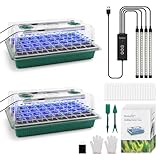
- Optional: A heat mat to provide bottom heat (helpful for faster germination), a humidity dome to retain moisture.
Starting Impatiens Seeds Indoors
Starting impatiens seeds indoors gives them a head start on the growing season, especially in cooler climates. This method allows you to control the environment and protect the seedlings from harsh weather conditions. It also increases the chances of successful germination.
Starting seeds indoors allows you to enjoy blooms earlier in the season. It also allows you to control the environment, which is crucial for impatiens seeds. This ensures optimal conditions for growth. (See Also: Learn How Do You Plant a Maple Tree: A Step-by-Step Guide)
Step-by-Step Guide to Indoor Seed Starting
- Prepare the seed starting mix: Moisten the seed starting mix thoroughly, ensuring it’s damp but not soggy.
- Fill your seed trays or pots: Fill the containers almost to the top with the moistened seed starting mix. Gently tap the containers to settle the mix.
- Sow the seeds: Impatiens seeds are tiny, so it’s best to sprinkle them on the surface of the soil. Do not cover them with soil, as they need light to germinate.
- Gently mist the seeds: Use a spray bottle to lightly mist the soil surface.
- Provide warmth and humidity: Place the seed trays or pots in a warm location (around 70-75°F or 21-24°C). If you have a humidity dome, cover the trays to help retain moisture. A heat mat can also be used to provide bottom heat, which can speed up germination.
- Keep the soil moist: Check the soil regularly and mist it whenever the surface starts to dry out.
- Provide light: Once the seeds germinate, usually within 1-3 weeks, move the seedlings to a location with bright, indirect light. If you don’t have enough natural light, use a grow light.
- Thin the seedlings: Once the seedlings have their first true leaves, thin them, leaving only the strongest seedlings in each cell or pot.
- Harden off the seedlings: Before transplanting outdoors, gradually acclimate the seedlings to outdoor conditions. This process, called “hardening off,” involves gradually exposing the seedlings to sunlight, wind, and cooler temperatures over the course of a week or two.
Transplanting Impatiens Seedlings Outdoors
Once the threat of frost has passed and your seedlings have been hardened off, it’s time to transplant them outdoors. This is an exciting step, as it means your impatiens are on their way to brightening up your garden. Proper transplanting techniques are vital to ensure the plants thrive.
Choosing the right location and providing the right care after transplanting are key to the success of your impatiens. Taking the time to prepare the soil and water them correctly will set your impatiens up for a beautiful season of blooms.
Choosing the Right Location
Impatiens thrive in shade or partial shade. They need protection from the hot afternoon sun, which can scorch their delicate leaves. Look for a location that receives morning sun and afternoon shade, or dappled sunlight throughout the day. Consider the soil conditions.
Good soil drainage is essential for impatiens, as they don’t like to sit in soggy soil. The location should also have good air circulation to prevent fungal diseases. Avoid areas that are prone to standing water after rain.
Preparing the Soil
Before transplanting, prepare the soil by amending it with organic matter, such as compost or well-rotted manure. This will improve drainage, fertility, and water retention. Impatiens prefer slightly acidic soil, so you can also add a small amount of peat moss to the soil.
Loosen the soil to a depth of about 12 inches to allow the roots to spread easily. Dig a hole slightly larger than the root ball of each seedling. Space the plants about 6-12 inches apart, depending on the variety, to allow for adequate airflow and growth.
Transplanting the Seedlings
- Gently remove the seedlings from their pots or trays: Carefully loosen the soil around the roots and gently lift the seedlings, being careful not to damage the delicate roots.
- Place the seedlings in the prepared holes: Position the seedlings in the holes so that the top of the root ball is level with the soil surface.
- Backfill the holes: Gently fill the holes with soil, patting it lightly around the base of each plant.
- Water thoroughly: Water the newly transplanted impatiens deeply to help settle the soil and encourage root growth.
- Mulch around the plants: Apply a layer of organic mulch, such as shredded bark or straw, around the plants to help retain moisture, suppress weeds, and regulate soil temperature.
Caring for Your Impatiens
Once your impatiens are planted, proper care is essential to keep them healthy and blooming. This includes watering, fertilizing, and protecting them from pests and diseases. Regular care ensures a vibrant display.
Consistent care is key to enjoying a season full of beautiful impatiens blooms. By providing the right conditions, you can ensure that your impatiens thrive and brighten up your garden.
Watering
Impatiens need consistent moisture, especially during hot, dry weather. Water them regularly, making sure to keep the soil evenly moist but not waterlogged. Water at the base of the plants to avoid wetting the foliage, which can increase the risk of fungal diseases.
Check the soil moisture regularly by sticking your finger into the soil. If the top inch of soil feels dry, it’s time to water. Avoid overhead watering, which can lead to fungal diseases. (See Also: Unlocking the Secrets: How to Plant Truffles Successfully)
Fertilizing
Impatiens benefit from regular feeding during the growing season. Use a balanced, water-soluble fertilizer formulated for flowering plants. Follow the instructions on the fertilizer label for application rates.
Fertilize your impatiens every 2-4 weeks throughout the growing season. Too much fertilizer can lead to lush foliage but fewer flowers. Avoid over-fertilizing.
Pest and Disease Control
Impatiens can be susceptible to certain pests and diseases. Common pests include aphids, spider mites, and whiteflies. Diseases include downy mildew, impatiens necrotic spot virus (INSV), and fungal diseases. Early detection is key.
Inspect your plants regularly for signs of pests or diseases. If you notice any problems, take action immediately. Treat pests with insecticidal soap or neem oil. Remove and dispose of any diseased plants to prevent the spread of disease.
Deadheading
Deadheading, or removing spent flowers, encourages the plant to produce more blooms. This simple practice can significantly extend the flowering season and keep your impatiens looking their best. It also prevents the plant from setting seed.
Pinch off the faded flowers just below the flower head. This encourages the plant to put its energy into producing new blooms. Deadheading regularly will keep your impatiens looking neat and tidy.
Propagating Impatiens From Cuttings
Impatiens can be easily propagated from cuttings, allowing you to create new plants from existing ones. This is a cost-effective way to expand your impatiens collection and share them with friends. Propagating from cuttings is a simple process.
Taking cuttings is a straightforward method to multiply your impatiens. This process involves taking a stem cutting from a healthy plant and rooting it in water or soil. It’s a great way to have more of your favorite impatiens varieties.
Taking Cuttings
- Choose a healthy stem: Select a healthy, non-flowering stem from the parent plant.
- Cut the stem: Using a sharp knife or scissors, cut a 4-6 inch long stem just below a leaf node (where a leaf attaches to the stem).
- Remove the lower leaves: Remove the leaves from the bottom inch of the stem.
Rooting Cuttings
You can root impatiens cuttings in either water or soil. Both methods are effective.
Rooting in Water
- Place the stem in water: Place the cut stem in a glass or jar of water, making sure that the leaf nodes are submerged.
- Provide bright, indirect light: Place the glass or jar in a location with bright, indirect light.
- Change the water regularly: Change the water every few days to keep it fresh.
- Wait for roots to develop: Roots should develop in about 2-4 weeks.
- Transplant into soil: Once the roots are about an inch long, transplant the cutting into a pot filled with seed starting mix.
Rooting in Soil
- Prepare the soil: Moisten seed starting mix.
- Insert the stem: Insert the cut stem into the soil, burying the leaf nodes.
- Keep the soil moist: Keep the soil consistently moist, but not waterlogged.
- Provide bright, indirect light: Place the pot in a location with bright, indirect light.
- Wait for roots to develop: Roots should develop in about 2-4 weeks.
Caring for Rooted Cuttings
Once your cuttings have rooted, care for them as you would any other impatiens plant. Provide them with adequate water, fertilizer, and protection from pests and diseases. This is the same care regimen as the parent plant. (See Also: Pepper Plant Sun: How Much Sun Does a Pepper Plant Need?)
Transplant rooted cuttings into larger pots or directly into the garden once they’ve established a healthy root system. Continue to care for them as you would any other impatiens.
Common Mistakes to Avoid
Even experienced gardeners can make mistakes when planting impatiens. Avoiding these common pitfalls can help you achieve a more successful outcome and enjoy a beautiful display of flowers. Consider these factors.
Understanding and avoiding these common mistakes will increase your chances of having a thriving impatiens garden. Taking the time to learn from these mistakes will enhance your gardening skills.
Common Mistakes:
- Planting in full sun: Impatiens thrive in shade or partial shade. Planting them in full sun can scorch their leaves and lead to poor flowering.
- Overwatering: While impatiens need consistent moisture, overwatering can lead to root rot. Make sure the soil is well-draining and water only when the top inch of soil feels dry.
- Underwatering: Allowing the soil to dry out completely can stress the plants and cause them to wilt. Water regularly, especially during hot, dry weather.
- Planting too deep: Planting impatiens too deep can suffocate the roots. Plant them at the same depth they were in their original pots.
- Ignoring pests and diseases: Regularly inspect your plants for pests and diseases and take action immediately if you notice any problems.
Here are answers to some frequently asked questions about planting impatiens seeds:
- When should I start impatiens seeds indoors?
Start impatiens seeds indoors 6-8 weeks before the last expected frost in your area. This will give the seedlings a head start and allow them to be transplanted outdoors once the weather warms up.
- How long does it take for impatiens seeds to germinate?
Impatiens seeds typically germinate within 1-3 weeks. Providing consistent moisture, warmth, and bright, indirect light will help speed up the germination process.
- How far apart should I space impatiens plants?
Space impatiens plants about 6-12 inches apart, depending on the variety. This will give them enough room to grow and allow for good air circulation.
Conclusion
Planting impatiens seeds is a rewarding experience, leading to a colorful display of blooms. By following these steps, from choosing the right variety to providing proper care, you can enjoy a beautiful garden filled with vibrant impatiens. With a little care and attention, your impatiens will thrive.
With careful planning and diligent care, you can create a stunning display of impatiens. Get ready to enjoy the beauty and color that impatiens bring to your garden. Happy planting!
Recommended Products