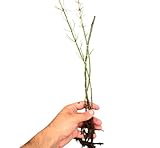
Are you intrigued by the prehistoric allure of horsetail, a plant that has graced the Earth for millions of years? This unique plant, with its segmented stems and distinctive appearance, can be a captivating addition to your garden. However, planting horsetail requires understanding its specific needs to prevent it from becoming an unwelcome invasive species. This comprehensive guide will walk you through everything you need to know about how to plant horsetail successfully and enjoy its beauty.
Horsetail, also known as Equisetum, thrives in moist environments, mirroring its ancient origins in wetlands and alongside waterways. Its ability to spread aggressively makes careful planning and containment crucial. By learning the proper techniques, you can cultivate horsetail without it taking over your entire garden. We’ll explore the essential steps, from selecting the right variety to providing the ideal growing conditions.
This article will cover everything you need to know, from the best planting methods to tips on managing its growth. Whether you’re a seasoned gardener or a beginner, this guide will provide the knowledge necessary to grow beautiful and controlled horsetail in your landscape. Get ready to dive into the world of horsetail and discover how to plant horsetail with confidence.
Understanding Horsetail: A Prehistoric Plant
Horsetail (Equisetum) is a fascinating plant with a rich history, dating back to the prehistoric era. It’s a living fossil, a relic of a time when giant horsetail relatives dominated the landscape. Understanding its origins and characteristics is the first step in learning how to plant horsetail responsibly and successfully.
The Unique Characteristics of Horsetail
Horsetail’s most distinctive feature is its segmented stem, resembling a horse’s tail, hence the name. These hollow stems are jointed, with sheaths at each joint. They range in color from green to brownish-black. Unlike many other plants, horsetail doesn’t produce flowers or fruits. Instead, it reproduces through spores, released from cone-like structures at the tips of the stems.
Horsetail plants are remarkably resilient, able to survive in a variety of conditions. They are well-adapted to moist environments, thriving near water sources. Their ability to spread through rhizomes (underground stems) makes them efficient colonizers. This feature, while beneficial for the plant’s survival, can also make it invasive if not managed correctly.
Horsetail’s Role in the Ecosystem
Horsetail plays a role in its ecosystem by contributing to soil stabilization and providing habitat for some insects. In areas where it’s native and contained, it can be a valuable part of the local biodiversity. However, due to its invasive potential, it’s essential to be mindful of its impact on the surrounding environment when learning how to plant horsetail.
Types of Horsetail
There are several species of horsetail, with varying characteristics and growth habits. Selecting the right type is crucial for successful cultivation and containment. Here’s a brief overview of some commonly available types:
- Common Horsetail (Equisetum arvense): This is the most widespread species. It is known for its aggressive spreading habit.
- Giant Horsetail (Equisetum telmateia): As the name suggests, this species grows taller than others. It can reach heights of several feet and is also quite invasive.
- Water Horsetail (Equisetum fluviatile): This type is well-suited for aquatic environments, often found growing in shallow water.
- Japanese Horsetail (Equisetum japonicum): This type is known for its ornamental value. It’s a popular choice for gardens, but still needs careful management to prevent spreading.
When you learn how to plant horsetail, consider which species is most suitable for your climate and your desired aesthetic. This will help you make the best choice for your garden.
Planning Your Horsetail Garden: Location, Location, Location
Before you begin planting, careful planning is essential. Choosing the right location and preparing the soil are crucial steps in ensuring the health and controlled growth of your horsetail. Proper planning is a cornerstone of how to plant horsetail successfully.
Choosing the Right Location
Horsetail thrives in moist environments, so selecting a suitable location is paramount. Consider the following factors: (See Also: Learn How and When to Plant Strawberries for a Bountiful Harvest)
- Moisture: Horsetail prefers consistently moist soil. Choose a location near a water source, such as a pond, stream, or water feature. If you don’t have a natural source, you’ll need to provide regular watering.
- Sunlight: Horsetail can tolerate a range of light conditions, from full sun to partial shade. However, it generally prefers partial shade, especially in hotter climates. Too much direct sunlight can dry out the soil.
- Soil: Horsetail prefers slightly acidic to neutral soil. Ensure the soil drains well, but retains moisture.
- Containment: Because horsetail can be invasive, consider planting it in a contained area. This could be a sunken container, a raised bed with a barrier, or a lined pond.
Soil Preparation and Amendments
Preparing the soil correctly will greatly improve the chances of healthy horsetail growth. Here’s how to prepare the soil:
- Soil Testing: Before planting, test your soil’s pH and nutrient levels. You can purchase a soil testing kit at most garden centers.
- Amendments: Amend the soil with organic matter, such as compost or well-rotted manure, to improve drainage and fertility. This is particularly important if you’re planting in heavy clay soil.
- Drainage: Ensure good drainage by adding sand or other drainage materials to the soil if necessary. Waterlogged soil can lead to root rot.
By taking the time to prepare the soil properly, you’ll create an environment in which your horsetail can flourish. This is a crucial step in understanding how to plant horsetail.
Best Planting Practices for Horsetail
Once you’ve chosen the perfect location and prepared the soil, it’s time to plant your horsetail. Following the correct planting techniques will set your plants up for success. This is a key part of how to plant horsetail.
Methods of Planting Horsetail
You can propagate horsetail using several methods. The easiest is by dividing established plants or planting rhizomes. You can also grow horsetail from spores, but this method is more challenging. Here’s how to plant horsetail using different methods:
- Division: This is the simplest method. In spring or fall, dig up a clump of horsetail and divide it into smaller sections. Replant each section in your prepared location. This is often the best approach to start with.
- Rhizome Planting: Obtain rhizomes from a reputable source. Plant the rhizomes horizontally in the soil, about 2-4 inches deep. Space them according to the size and spread of the horsetail variety you’ve chosen.
- Spore Propagation: This is a more complex method. Collect spores from mature horsetail plants. Sow the spores on a moist, sterile substrate, such as sphagnum moss. Keep the substrate consistently moist and provide indirect sunlight. This method typically takes longer, and success rates can vary.
Planting Techniques
Regardless of the planting method, follow these general techniques:
- Dig a hole: Dig a hole that is slightly wider and deeper than the root ball or the rhizome section.
- Position the plant: Place the horsetail plant in the hole. Make sure the top of the root ball is level with the soil surface. If planting rhizomes, lay them horizontally in the hole.
- Backfill the hole: Backfill the hole with the prepared soil, gently patting it around the plant.
- Water thoroughly: Water the newly planted horsetail thoroughly to help it settle and establish its roots.
Following these planting techniques will give your horsetail the best start. This is a key element in understanding how to plant horsetail.
Watering and Maintenance
Once your horsetail is planted, proper watering and maintenance are essential for its health and containment. Consistent care will ensure your horsetail thrives. This is an important consideration when you learn how to plant horsetail.
Watering Requirements
Horsetail needs consistently moist soil. Here’s how to manage watering:
- Frequency: Water regularly, especially during dry periods. The frequency will depend on your climate and the soil type. Check the soil moisture frequently, and water when the top inch or two of soil feels dry.
- Watering methods: Water deeply, ensuring the water reaches the roots. Avoid overhead watering, which can lead to fungal diseases.
- Water features: If planted near a water feature, monitor the water level and replenish it as needed.
Managing Horsetail Growth
Controlling horsetail’s spread is crucial to prevent it from becoming invasive. Here’s how to manage its growth:
- Containment: Plant horsetail in a contained area, such as a sunken container, a raised bed with a barrier, or a lined pond. This is the most effective way to prevent its spread.
- Regular Monitoring: Regularly inspect your horsetail for any signs of spreading beyond its designated area.
- Removal of Stray Shoots: If you see any stray shoots emerging outside the contained area, remove them immediately. Dig up the rhizomes as completely as possible.
- Barrier Methods: Consider using physical barriers, such as root barriers, to prevent the rhizomes from spreading. These barriers should be buried deep enough to contain the rhizomes.
By following these maintenance practices, you can enjoy the beauty of horsetail while keeping it under control. This is a critical aspect of how to plant horsetail responsibly. (See Also: How to Plant Rudbeckia Seeds: A Complete Guide)
Common Problems and Solutions
Even with the best care, horsetail can encounter problems. Understanding potential issues and how to address them will help you keep your plants healthy. This is a key part of how to plant horsetail.
Pests and Diseases
Horsetail is generally resistant to pests and diseases, but it can still be affected by certain issues:
- Fungal Diseases: Overwatering or poor air circulation can lead to fungal diseases. Symptoms include brown spots on the stems. Improve air circulation and reduce watering to prevent fungal issues.
- Scale Insects: Scale insects can sometimes infest horsetail. These small, sap-sucking insects can weaken the plant. Treat scale insects with insecticidal soap or horticultural oil.
Addressing Invasive Spread
The most common problem with horsetail is its invasive spread. Here’s how to address this issue:
- Physical Removal: Regularly remove any stray shoots and rhizomes that appear outside the designated area.
- Barrier Management: Ensure your barriers are properly installed and maintained. Check for any breaches and repair them immediately.
- Herbicides (Use with Caution): In extreme cases, herbicides can be used to control horsetail. However, use them cautiously and follow the manufacturer’s instructions. Select herbicides specifically designed for horsetail.
By addressing these potential problems promptly, you can keep your horsetail healthy and prevent it from becoming a nuisance. This is an important part of how to plant horsetail.
How to Plant Horsetail in a Pot
Planting horsetail in a pot is an effective way to contain its growth and enjoy its unique beauty. It allows you to control the environment and prevent it from spreading uncontrollably. This is a great alternative when you learn how to plant horsetail.
Choosing the Right Pot
Selecting the appropriate pot is crucial for the health of your horsetail. Here are some factors to consider:
- Size: Choose a pot that is large enough to accommodate the horsetail’s root system. The size will depend on the variety and the mature size of the plant.
- Material: Terra cotta pots are a good option because they allow for good drainage. Plastic pots are also suitable but may retain more moisture.
- Drainage: Ensure the pot has adequate drainage holes to prevent waterlogging.
Potting Mix and Planting
Using the right potting mix and planting techniques is essential for success.
- Potting Mix: Use a well-draining potting mix that retains moisture. A mixture of potting soil, compost, and sand is a good choice.
- Planting: Plant the horsetail in the pot, following the planting techniques described earlier. Make sure the crown of the plant is level with the soil surface.
- Watering: Water the plant thoroughly after planting, and then water regularly to keep the soil consistently moist.
By planting in a pot, you can easily control the environment. This is a crucial element when you learn how to plant horsetail.
Faq: Answering Your Questions About Planting Horsetail
Here are some frequently asked questions about how to plant horsetail:
Is Horsetail Invasive?
Yes, horsetail can be invasive, especially in areas where it’s not native. Its rhizomes spread aggressively, making it difficult to control if not contained. Careful planning and containment are essential when you learn how to plant horsetail. (See Also: How to Prune Elephant Ear Plant: A Complete Guide)
Can I Grow Horsetail in a Container?
Yes, growing horsetail in a container is an excellent way to control its spread. It’s recommended to plant horsetail in a pot or other contained area to prevent it from becoming invasive.
What Is the Best Way to Control Horsetail?
The best way to control horsetail is to plant it in a contained area, such as a pot or a raised bed with a barrier. Regular monitoring and removal of stray shoots are also essential. Barrier methods, such as root barriers, can also be effective. Proper containment is key when you learn how to plant horsetail.
Does Horsetail Need a Lot of Water?
Yes, horsetail prefers consistently moist soil. It thrives in wet environments and requires regular watering, especially during dry periods. Water features and bog gardens are the best location to learn how to plant horsetail.
Can I Eat Horsetail?
Some species of horsetail are edible, but it’s important to be cautious. Horsetail contains silica and other compounds that can be harmful if consumed in large quantities. It’s best to avoid eating horsetail unless you are absolutely sure of the species and the preparation method. It is best to stick to growing it as an ornamental plant when you learn how to plant horsetail.
How Do I Propagate Horsetail?
Horsetail can be propagated by division or rhizome planting. Division is the easiest method. You can also grow horsetail from spores, but this is a more challenging process. The best way to learn how to plant horsetail is to start with a division.
Can Horsetail Grow in Full Sun?
Horsetail can tolerate full sun, but it generally prefers partial shade, especially in hotter climates. Too much direct sunlight can dry out the soil. The best location depends on the species when you learn how to plant horsetail.
Conclusion
Learning how to plant horsetail can be a rewarding experience, allowing you to enjoy the unique beauty of this ancient plant. Remember that careful planning, choosing the right location, and employing containment methods are key to preventing it from becoming invasive. By following the guidelines in this article, you can successfully cultivate horsetail in your garden, adding a touch of prehistoric charm to your landscape. With proper care and understanding of its specific needs, horsetail can become a stunning addition to your outdoor space, bringing a touch of history and unique texture to your garden. Remember to choose the correct species and enjoy this fascinating plant!
Recommended Products