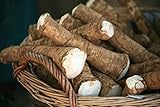
Tired of bland food? Yearning for a fiery kick in your culinary creations? Then, growing your own horseradish is the answer! This pungent root vegetable is surprisingly easy to cultivate, offering a fresh, potent flavor that elevates any dish. Get ready to ditch the store-bought stuff and experience the unparalleled taste of homemade horseradish.
This guide will walk you through every step of the process, from selecting the right roots to harvesting your own spicy bounty. Whether you’re a seasoned gardener or a complete beginner, you’ll find everything you need to know about how to plant horseradish successfully. Prepare to be amazed at how simple it is to grow this flavorful perennial.
Imagine the satisfaction of grating your own freshly harvested horseradish for your next roast beef dinner! With a little effort and our expert guidance, you’ll be enjoying the bold, zesty flavor of homemade horseradish in no time. Let’s get started on your journey to growing this fantastic root!
Choosing the Right Horseradish Varieties
Before you begin planting, selecting the right horseradish variety is crucial for a successful harvest. Several varieties are available, each with slightly different characteristics in terms of flavor intensity, root size, and disease resistance. Consider factors like your local climate, soil conditions, and your personal preferences for spiciness when making your selection. This will help you get the best yield and taste from your horseradish.
Some popular horseradish varieties include ‘Common’ (also known as Bohemian), which is known for its strong flavor and high yields. ‘Malinverni’ is another well-regarded option, prized for its milder flavor and larger root size. Researching and understanding the different traits of each variety will ensure you choose the best one for your garden.
‘common’ Horseradish
‘Common’ horseradish is the most widely grown variety, and a very popular choice. It is recognized for its robust, spicy flavor profile, making it ideal for those who enjoy a potent horseradish experience. The roots tend to be of medium size and produce a significant yield, making it a reliable choice for home gardeners and commercial growers alike. This variety is also relatively disease-resistant, adding to its appeal.
‘malinverni’ Horseradish
For those preferring a slightly milder flavor, ‘Malinverni’ is an excellent option. This variety produces larger roots than ‘Common,’ which are suitable for a variety of culinary uses. ‘Malinverni’ is less fiery, making it a good choice for those new to horseradish or who prefer a more subtle heat. It’s a good choice if you’re looking for versatility in the kitchen.
Preparing the Planting Site
Proper site preparation is essential for healthy horseradish growth. Horseradish thrives in well-drained soil with a pH between 6.0 and 7.5. Before planting, it’s crucial to test your soil and amend it as needed to achieve the ideal conditions. This will ensure your horseradish roots can develop properly and thrive.
Choose a location that receives full sun, ideally at least six hours of direct sunlight per day. Horseradish prefers a sunny spot, but will tolerate partial shade. The selected area should have good drainage, as horseradish roots are prone to rot in waterlogged soil. Avoid areas where water tends to pool after rainfall. (See Also: Learn How Often to Water My Snake Plant for Thriving Growth)
Soil Amendment and Preparation
Amending the soil with organic matter, such as compost or well-rotted manure, improves drainage, fertility, and overall soil structure. This will help the roots grow strong and healthy. Work the compost into the soil to a depth of at least 12 inches. This also helps to break up any compacted soil.
Remove any weeds, rocks, or debris from the planting site before you begin. Horseradish plants can easily get crowded out by weeds. These materials can hinder root growth. Ensure the soil is loosened and even, ready to receive the horseradish plants.
Planting Horseradish: Step-by-Step Guide
Planting horseradish is a straightforward process, but following these steps will increase your chances of a successful harvest. The best time to plant horseradish is in the early spring, about four to six weeks before the last expected frost. This timing gives the roots a long growing season to establish themselves.
- Prepare the Planting Material: Horseradish is typically propagated from root cuttings, called “sets” or “thongs.” These are sections of the main horseradish root, usually 6-12 inches long and about 1/2 to 1 inch in diameter. Select healthy, disease-free roots from a reliable source.
- Prepare the Furrows: Dig furrows or trenches in your prepared soil, about 6-8 inches deep and spaced 18-24 inches apart. This spacing allows the plants to grow without overcrowding. The extra depth allows the roots to grow downwards.
- Plant the Root Cuttings: Place the root cuttings in the furrows at a 45-degree angle, with the top end (the end that was closer to the crown of the plant) pointing upwards. This helps the plant to grow in the right direction. Space the cuttings about 12-18 inches apart within the row.
- Cover the Cuttings: Cover the root cuttings with soil, ensuring that the top of the cutting is buried about 2-3 inches deep. Gently firm the soil around the cuttings. This provides support and helps the roots establish.
- Water Thoroughly: After planting, water the area thoroughly to settle the soil and provide moisture for the roots to start growing. Consistent moisture is crucial for early growth. Keep the soil consistently moist, but not waterlogged.
Caring for Your Horseradish Plants
Once planted, regular care will ensure your horseradish plants thrive. This includes watering, weeding, fertilizing, and protecting the plants from pests and diseases. Proper care will lead to a bountiful harvest of flavorful roots.
Horseradish requires consistent moisture, especially during dry periods. Water the plants regularly, providing about 1 inch of water per week, either from rainfall or irrigation. Avoid letting the soil dry out completely. This is critical during the growing season.
Weeding and Mulching
Weeding is essential to prevent weeds from competing with your horseradish plants for nutrients and water. Hand-pull weeds regularly, especially when the plants are young. Consider applying a layer of mulch, such as straw or wood chips, around the plants to suppress weed growth, retain soil moisture, and regulate soil temperature. Mulching can save you time and effort.
Fertilizing Your Horseradish
Fertilize your horseradish plants with a balanced fertilizer in early spring and again in mid-summer. Follow the instructions on the fertilizer package for the appropriate application rate. A balanced fertilizer will provide the necessary nutrients for healthy root development. Avoid over-fertilizing, which can lead to excessive foliage growth at the expense of root development.
Pest and Disease Management
Horseradish is relatively pest-resistant, but common pests include flea beetles and cabbage worms. Inspect your plants regularly for any signs of infestation. You can control these pests by hand-picking them off the plants or using insecticidal soap or other organic insecticides. Proper air circulation and avoiding overcrowding can help prevent diseases. (See Also: Unlocking Beauty: How to Care for Dragon’s Breath Plant)
Common diseases affecting horseradish include leaf spot and white rust. These diseases are often caused by fungal infections. Remove and destroy any infected leaves promptly. Ensure good air circulation around the plants. Consider using a fungicide if necessary, following the manufacturer’s instructions. A healthy plant is less susceptible to disease.
Harvesting Horseradish
The time to harvest horseradish depends on your climate and the variety you planted. In most regions, you can harvest horseradish in the fall, after the foliage has died back. This typically occurs after the first frost, which can improve the flavor of the roots. Harvesting at the right time is critical for getting the best quality.
Use a garden fork or shovel to carefully dig up the roots. Start digging a few inches away from the plant to avoid damaging the roots. Gently lift the roots from the soil. Clean the roots of excess soil and debris. Handle the roots with care to prevent bruising or damage. This is essential for storage and processing.
Processing and Storage
After harvesting, you can process the horseradish roots immediately or store them for later use. To process horseradish, wash the roots thoroughly and peel off the outer skin. Then, grate or grind the roots to release their pungent flavor. The processing method affects the final product.
To store horseradish, wrap the unwashed roots in damp paper towels and place them in a plastic bag in the refrigerator. Properly stored, horseradish can last for several months. You can also freeze grated horseradish for longer-term storage. This offers flexibility.
Common Mistakes to Avoid
Planting in Poorly Drained Soil: This can lead to root rot and failure. Always ensure your soil drains well.
Insufficient Sunlight: Horseradish needs at least six hours of sunlight daily for optimal growth. Plant in a sunny location.
Overwatering: While horseradish needs consistent moisture, overwatering can also cause root rot. Water deeply but infrequently. (See Also: Mastering the Art: How to Plant Vinca Minor for Stunning Groundcover)
Neglecting Weeding: Weeds compete for nutrients and water. Regular weeding is crucial for healthy plants.
Harvesting Too Early: The flavor intensifies as the roots mature. Wait until the fall for the best flavor.
Can I Grow Horseradish in a Container?
Yes, you can grow horseradish in containers, but it requires careful planning. Choose a large container, at least 12 inches in diameter and depth, to accommodate the roots’ growth. Ensure the container has drainage holes to prevent waterlogging. Use a well-draining potting mix. Container gardening offers flexibility if you have limited space.
How Can I Control the Spread of Horseradish?
Horseradish can be invasive, so controlling its spread is important. One effective method is to plant it in a designated area or a container. Remove any small roots or root fragments that may sprout outside the desired area. Regular harvesting of the main roots also helps to control spread. Careful management is key to preventing unwanted growth.
What Are the Best Uses for Horseradish?
Horseradish is most commonly used as a condiment, adding a pungent kick to dishes. It is a key ingredient in horseradish sauce, cocktail sauce, and various other sauces. Horseradish can also be added to mashed potatoes, deviled eggs, and other recipes for added flavor. It is a versatile ingredient that can enhance many dishes.
Conclusion
Planting horseradish can be a rewarding experience, providing you with a flavorful and versatile ingredient for your culinary creations. By following the steps outlined in this guide, from choosing the right variety and preparing the planting site to caring for your plants and harvesting the roots, you can enjoy a successful horseradish harvest. With a little effort, you can grow your own horseradish.
Now, go forth and plant your horseradish! With patience and care, you’ll be enjoying the zest of fresh, homegrown horseradish in no time. Happy gardening!
Recommended Products