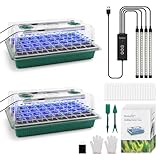
Ready to witness the magic of life unfold right before your eyes? Germinating seeds is the first step, but knowing how to plant germinated seeds correctly is crucial for success. This guide will walk you through the process, ensuring your tiny sprouts thrive and grow into healthy plants.
From choosing the right soil to providing optimal conditions, we’ll cover everything you need to know. Learn how to handle delicate seedlings, prevent common pitfalls, and set your plants up for a flourishing future. Get ready to cultivate your own green oasis!
Whether you’re a seasoned gardener or a complete beginner, this guide offers easy-to-follow instructions. Discover the secrets to successful planting and enjoy the satisfaction of nurturing your seeds from start to finish. Let’s get growing!
Understanding Germinated Seeds
Germinated seeds are seeds that have begun the process of sprouting. This crucial stage is when the seed’s embryo awakens and starts to grow, signaling the potential for a new plant. Germination is triggered by specific environmental conditions, including moisture, temperature, and sometimes light, depending on the plant species.
Successfully planting germinated seeds is key to a thriving garden. By understanding the needs of these delicate sprouts, you can significantly increase your chances of successful plant establishment. This article will guide you through the process, providing detailed instructions and helpful tips.
Preparing for Planting
Before planting your germinated seeds, you need to prepare the right environment. This preparation ensures the seedlings have the best possible start. It includes selecting the right planting medium, the appropriate containers, and creating a suitable location.
Choosing the Right Planting Medium
The planting medium provides the necessary support, nutrients, and moisture for the developing roots. Avoid using regular garden soil directly, as it can be too dense and may harbor diseases. A well-draining medium is essential to prevent root rot.
Here are some suitable options:
- Seed Starting Mix: This is a commercially available mix specifically designed for germinating seeds. It’s lightweight, sterile, and provides good drainage.
- Coco Coir: This sustainable option is made from coconut husks and offers excellent water retention and aeration.
- Vermiculite and Perlite: These materials are often added to seed starting mixes to improve drainage and aeration.
Selecting the Right Containers
The containers you use should offer adequate drainage and space for root development. Consider the size of the seeds and the plants’ eventual size. Proper drainage is crucial to prevent waterlogging and root rot. (See Also: Citronella Plant Watering Guide: How Much Water Does It Need?)
Here are some container options:
- Seed Trays: These trays are ideal for starting multiple seeds at once and are easy to move.
- Individual Pots: Small pots or biodegradable pots are suitable for larger seeds or when you want to avoid transplanting.
- Cell Packs: These are convenient for starting seedlings and make transplanting easier.
Choosing the Right Location
The location you choose for planting should provide the right growing conditions. Consider factors like sunlight, temperature, and protection from the elements. Different plants have different light requirements, so research your specific plant’s needs.
Here are some considerations:
- Sunlight: Most seedlings need at least 6 hours of sunlight per day. A south-facing window is usually ideal.
- Temperature: Maintain a consistent temperature appropriate for the plant species. A range of 65-75°F (18-24°C) is generally suitable.
- Protection: Protect seedlings from strong winds, heavy rain, and extreme temperatures.
The Planting Process: Step-by-Step Guide
Now that you’ve prepared your materials and location, you’re ready to plant your germinated seeds. This step-by-step guide will walk you through the process, ensuring a successful start for your seedlings.
- Moisten the Planting Medium: Before filling your containers, moisten your chosen planting medium thoroughly. The medium should be damp but not waterlogged. This provides the initial moisture needed for the seed to thrive.
- Fill the Containers: Fill your containers with the moistened planting medium, leaving about ½ inch of space at the top. Gently tap the containers to settle the medium.
- Plant the Seeds: Gently place the germinated seeds into the planting medium. The planting depth varies depending on the seed size. As a general rule, plant seeds about twice as deep as their diameter.
- Cover the Seeds: Cover the seeds with a thin layer of the planting medium. Use a gentle touch to avoid disturbing the seeds. Lightly pat the surface to ensure good contact.
- Water Gently: Water the planted seeds gently, either with a spray bottle or by bottom watering. Avoid overwatering, which can lead to rot. Keep the soil consistently moist but not soggy.
- Provide Light and Warmth: Place the containers in a location that provides adequate light and warmth. Consider using grow lights if you don’t have enough natural sunlight.
- Monitor and Maintain: Regularly check the soil moisture and water as needed. Watch for the emergence of seedlings. Provide adequate ventilation to prevent fungal diseases.
Post-Planting Care: Nurturing Your Seedlings
After planting, the care you provide is crucial for the seedlings’ healthy development. This involves providing proper watering, light, and nutrients. Regular monitoring for pests and diseases is also essential.
Watering Techniques
Proper watering is critical for seedling health. Seedlings are particularly susceptible to both underwatering and overwatering. Consistent moisture is vital for root development, but excess water can lead to rot.
- Watering Frequency: Water when the top inch of soil feels dry to the touch.
- Watering Method: Use a gentle watering method, such as a spray bottle or bottom watering, to avoid dislodging the seeds or seedlings.
- Avoiding Overwatering: Ensure good drainage and avoid letting the containers sit in standing water.
Light Requirements
Seedlings require adequate light for photosynthesis and healthy growth. Insufficient light can lead to weak, leggy seedlings. The amount of light required varies depending on the plant species.
- Sunlight Exposure: Provide at least 6 hours of direct sunlight per day, if possible.
- Supplemental Lighting: If natural light is insufficient, use grow lights to supplement.
- Light Distance: Place grow lights a few inches above the seedlings to prevent burning.
Nutrient Management
Seedlings require nutrients for healthy growth. Seed starting mixes often contain some nutrients, but additional fertilization may be needed as the seedlings grow. Avoid over-fertilizing, as this can damage the delicate roots. (See Also: Learn How to Propagate Wandering Jew Plant Easily!)
- Fertilizer Type: Use a balanced, diluted liquid fertilizer formulated for seedlings.
- Fertilizer Frequency: Fertilize every 2-4 weeks, or as directed on the fertilizer packaging.
- Observing Seedlings: Watch for signs of nutrient deficiencies, such as yellowing leaves.
Pest and Disease Control
Seedlings are vulnerable to pests and diseases. Early detection and treatment are essential to prevent widespread problems. Regular inspection of your seedlings is crucial.
- Common Pests: Watch out for aphids, spider mites, and whiteflies.
- Disease Prevention: Provide good air circulation, avoid overwatering, and use sterile planting medium to prevent fungal diseases.
- Treatment Options: Use insecticidal soap or neem oil for pest control, and remove any infected plants promptly.
Transplanting Seedlings
Once your seedlings have developed a few sets of true leaves, they’re ready to be transplanted. Transplanting involves moving the seedlings from their initial containers to larger pots or directly into the garden. Proper transplanting techniques will minimize stress and ensure successful establishment.
Timing of Transplanting
The best time to transplant seedlings depends on the plant species and the climate. Seedlings should be large enough to handle and the weather conditions favorable. Research the specific requirements of your plant species.
- Seedling Size: Seedlings should have at least two sets of true leaves before transplanting.
- Weather Conditions: Transplant on a cloudy day or in the late afternoon to minimize stress.
- Hardening Off: Gradually acclimate seedlings to outdoor conditions before transplanting.
Hardening Off Seedlings
Hardening off is the process of gradually acclimating seedlings to outdoor conditions. This helps them adjust to changes in temperature, sunlight, and wind. This process is crucial to prevent shock and ensure successful transplanting.
- Gradual Exposure: Begin by placing seedlings outdoors for a few hours each day.
- Increase Exposure: Gradually increase the time the seedlings spend outdoors over a week or two.
- Monitor Seedlings: Watch for signs of stress, such as wilting or leaf burn.
Transplanting Techniques
When transplanting, handle the seedlings with care to avoid damaging the roots. The following steps will minimize stress and encourage healthy growth. Be gentle when handling the seedlings.
- Prepare the Planting Site: Prepare the garden bed or pots by loosening the soil and adding compost or other amendments.
- Dig a Hole: Dig a hole that is slightly larger than the root ball of the seedling.
- Remove the Seedling: Gently remove the seedling from its container, supporting the root ball.
- Plant the Seedling: Place the seedling in the hole and gently backfill with soil.
- Water Thoroughly: Water the transplanted seedling thoroughly to settle the soil.
Common Mistakes to Avoid
Avoiding common mistakes can greatly increase your success in planting germinated seeds. Here are some of the most frequent errors and how to avoid them. Taking precautions can save you time and effort.
Overwatering: Overwatering is a common mistake that can lead to root rot. Always check the soil moisture before watering and ensure good drainage.
Using Poor Quality Soil: Using garden soil directly can introduce diseases. Always use a seed starting mix or other appropriate medium. (See Also: Unlocking Beauty: Your Guide to How to Plant Tulip Seeds)
Insufficient Light: Insufficient light can result in weak, leggy seedlings. Provide adequate light by using grow lights or a sunny window.
Ignoring Hardening Off: Failing to harden off seedlings before transplanting can cause shock. Gradually acclimate seedlings to outdoor conditions.
Over-Fertilizing: Over-fertilizing can damage delicate roots. Use a balanced, diluted fertilizer and follow the package instructions.
Pro Tips for Success
Here are some expert tips to help you succeed in planting germinated seeds. These tips can help you achieve optimal results and a thriving garden. Careful planning and execution are key.
- Start Seeds Indoors: Starting seeds indoors gives you more control over the environment and extends the growing season.
- Use a Heat Mat: A heat mat can help maintain a consistent soil temperature for optimal germination.
- Label Your Plants: Label your seedlings with the plant name and planting date to keep track.
- Keep a Journal: Keep a gardening journal to record your successes and failures and learn from your experiences.
- Research Your Plants: Research the specific requirements of the plants you are growing, including light, water, and nutrient needs.
Here are answers to some frequently asked questions about planting germinated seeds. Understanding these common concerns can help you avoid problems.
- How long does it take for germinated seeds to sprout? The time it takes for germinated seeds to sprout varies depending on the plant species, but it typically ranges from a few days to a few weeks. Provide the right conditions for optimal results.
- Can I use tap water to water my seedlings? Yes, you can usually use tap water, but it’s best to let it sit out for a day or two to allow the chlorine to dissipate. If your tap water is heavily chlorinated, consider using filtered water.
- What should I do if my seedlings are leggy? Leggy seedlings are a sign of insufficient light. Move them to a location with more light or supplement with grow lights. You can also bury the stems deeper when transplanting to encourage stronger growth.
Conclusion
Planting germinated seeds is a rewarding experience that can lead to a bountiful harvest. By following the steps outlined in this article, you can greatly increase your chances of success. Proper preparation, careful planting, and diligent care are key to nurturing these delicate sprouts.
Enjoy the process, and don’t be discouraged by setbacks. Gardening is a learning experience. With patience and attention, you’ll be well on your way to a thriving garden filled with the fruits (and vegetables!) of your labor. Happy gardening!
Recommended Products