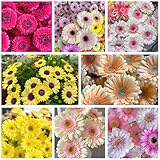
Are you dreaming of vibrant, cheerful blooms to brighten your garden? Gerbera daisies, with their dazzling array of colors and long-lasting flowers, are a fantastic choice. Planting from seed is a rewarding experience, allowing you to cultivate these beauties from the very beginning. This guide will walk you through everything you need to know about how to plant gerbera daisy seeds, from preparation to care.
Gerbera daisies are relatively easy to grow from seeds, but they require specific conditions to thrive. Understanding their needs, like proper soil, light, and water, is essential for success. We’ll explore the optimal techniques for germination, transplanting, and maintaining healthy plants that will reward you with a stunning display of color. Get ready to embark on a gardening adventure and enjoy the satisfaction of watching your gerbera daisies flourish!
Choosing Your Gerbera Daisy Seeds
Before you even think about planting, selecting the right seeds is crucial. Gerbera daisies come in a vast range of colors and sizes. Consider what appeals to you most and what will best complement your existing garden. The quality of the seeds directly impacts your chances of success, so choose a reputable supplier.
Seed Selection: Varieties and Colors
Gerbera daisies offer a stunning spectrum of colors, including red, yellow, orange, pink, purple, and white. There are also bi-colored and multi-colored varieties. Consider the overall aesthetic you want to achieve in your garden when choosing your seeds. Some popular varieties include ‘Festival’, known for its large, vibrant blooms, and ‘Garvinea’, which is bred for its extended blooming period.
Think about the size of the plants you want. Some varieties are compact and ideal for containers, while others are larger and better suited for garden beds. Check the seed packet for information on the expected plant size. Choosing seeds that align with your available space and desired look is important for a successful outcome.
Seed Quality and Sourcing
Always purchase seeds from a reputable source. This ensures that you’re getting viable seeds that are more likely to germinate. Check the seed packet for the expiration date. Fresh seeds have a higher germination rate. Avoid seeds that are past their expiration date or that show signs of damage.
Consider buying seeds from local nurseries or garden centers. They often carry varieties that are well-suited to your local climate. Online seed retailers offer a wide selection, allowing you to explore different varieties and colors. Reading reviews from other gardeners can help you assess the quality and reliability of the seed supplier.
Preparing for Planting: Essential Steps
Preparing the planting area and the seeds themselves is vital for successful germination. Gerbera daisies have specific needs when it comes to soil, light, and temperature. Taking the time to prepare properly will significantly increase your chances of seeing those beautiful blooms.
Timing Is Everything: When to Plant
The best time to start gerbera daisy seeds indoors is typically 6-8 weeks before the last expected frost in your area. This allows the seedlings to establish themselves before being transplanted outdoors. Check your local frost dates to determine the optimal planting time for your region. Starting seeds indoors gives you a head start on the growing season.
If you live in a warm climate with a long growing season, you might be able to sow seeds directly outdoors. However, starting seeds indoors provides more control over the environment and protects them from pests and harsh weather conditions. The timing also depends on the specific gerbera daisy variety, so be sure to check the seed packet for any specific instructions.
Soil Preparation: The Foundation for Growth
Gerbera daisies thrive in well-draining soil that is rich in organic matter. Prepare your soil by amending it with compost, well-rotted manure, or other organic materials. This improves drainage, provides essential nutrients, and helps retain moisture. A soil pH of 5.5 to 6.5 is ideal for gerbera daisies. You can test your soil pH using a soil testing kit.
If you’re starting your seeds indoors, use a seed-starting mix. These mixes are specifically formulated to provide the right balance of nutrients and drainage for young seedlings. Avoid using garden soil, as it can be too heavy and may contain diseases or pests. Ensure your pots or trays have drainage holes to prevent waterlogging. (See Also: Unlocking Beauty: How to Plant Delphinium Seeds for Stunning Blooms)
Choosing the Right Containers
When starting seeds indoors, choose containers that are clean and have good drainage. Seed trays, small pots, or even repurposed containers with drainage holes work well. Make sure the containers are large enough to accommodate the seedlings as they grow. The size of the container will depend on the number of seeds you’re planting and the size of the seedlings.
Consider using biodegradable pots, which can be planted directly into the ground, minimizing root disturbance during transplanting. Make sure the containers are clean to prevent diseases. Wash them thoroughly with soap and water before use. Ensure the drainage holes are clear to prevent waterlogging, which can lead to root rot.
Germinating Gerbera Daisy Seeds
Germination is the critical process where the seeds sprout and begin to grow. Providing the right conditions is essential for successful germination. This involves controlling moisture, temperature, and light. Patience is key, as germination can take a few weeks.
Sowing the Seeds: The Proper Technique
Sow the gerbera daisy seeds thinly on the surface of your prepared seed-starting mix. Do not bury the seeds too deeply; they need light to germinate. A light dusting of soil or vermiculite over the seeds is usually sufficient. Overcrowding can lead to damping-off disease. Space the seeds appropriately in the container.
Gently mist the soil with water to moisten it. Avoid overwatering, as this can lead to rot. Cover the seed tray or pot with a clear plastic dome or wrap to create a humid environment. This helps retain moisture and promotes germination. Monitor the soil moisture regularly and water when the top layer starts to dry out.
Providing the Right Conditions: Light, Temperature, and Moisture
Gerbera daisy seeds require consistent moisture and warmth to germinate. Maintain a soil temperature of 70-75°F (21-24°C) for optimal germination. You can use a heat mat to provide consistent warmth. Place the seed tray in a location that receives bright, indirect light. Avoid direct sunlight, which can scorch the seedlings.
Keep the soil consistently moist but not waterlogged. Use a spray bottle to mist the soil gently, or water from the bottom by placing the container in a tray of water. Once the seeds germinate, remove the plastic dome or wrap to increase air circulation. Proper ventilation helps prevent fungal diseases. Continue providing adequate light and warmth to encourage healthy growth.
Monitoring for Germination and Early Care
Germination typically takes 1-3 weeks, but it can vary depending on the seed variety and environmental conditions. Once the seedlings emerge, remove the plastic dome or wrap. Provide bright, indirect light by placing the seedlings near a sunny window or under grow lights. This is a critical stage. Monitor for any signs of disease or pests.
Water the seedlings regularly, allowing the soil to dry slightly between waterings. Avoid overwatering, which can lead to damping-off disease. Thin the seedlings if they are overcrowded, leaving the strongest seedlings. Fertilize the seedlings with a diluted liquid fertilizer once a month to provide essential nutrients. Carefully observe your seedlings for any issues.
Transplanting Gerbera Daisies
Once the seedlings have developed a few sets of true leaves, they’re ready to be transplanted. This is a crucial step that requires careful handling to minimize stress on the young plants. The timing of transplanting depends on your climate and the local weather.
Preparing for Transplanting: Hardening Off
Before transplanting your seedlings outdoors, you need to harden them off. This process gradually acclimates the seedlings to outdoor conditions, such as sunlight, wind, and temperature fluctuations. Start by placing the seedlings outdoors for a few hours each day, gradually increasing the time over a week or two. (See Also: Planting Success: How Deep to Plant Tulips Bulbs)
Protect the seedlings from direct sunlight and strong winds during the hardening-off process. Bring them indoors if the weather is particularly harsh. Hardening off helps the seedlings become more resilient and reduces the risk of transplant shock. This is a vital step for ensuring a successful transition to the outdoors.
Choosing the Right Location: Sunlight and Soil
Gerbera daisies thrive in full sun, which means at least 6 hours of direct sunlight per day. Choose a planting location that receives ample sunlight. The soil should be well-draining and rich in organic matter. Amend the soil with compost or other organic materials before planting. Poor soil can hinder growth.
Consider the microclimate of your garden. Areas sheltered from strong winds are ideal. Gerbera daisies prefer a slightly acidic to neutral soil pH. Avoid planting in areas that are prone to waterlogging, as this can lead to root rot. Make sure the location has good air circulation to help prevent fungal diseases.
Transplanting the Seedlings: Gentle Handling
Gently remove the seedlings from their containers, taking care not to damage the roots. Dig a hole in the prepared soil that is slightly larger than the root ball. Place the seedling in the hole, ensuring that the crown of the plant (where the stems meet the roots) is level with the soil surface. Planting too deep can lead to crown rot.
Backfill the hole with soil, gently firming it around the roots. Water the transplanted seedlings thoroughly to help them settle in. Space the plants about 12-18 inches apart to allow for adequate air circulation. Transplanting on a cloudy day or in the late afternoon can minimize stress on the plants. Proper handling is important for healthy growth.
Caring for Your Gerbera Daisies
Once your gerbera daisies are established, ongoing care is essential to keep them healthy and blooming. This includes regular watering, feeding, and protection from pests and diseases. Proper care will ensure a long-lasting display of beautiful flowers.
Watering: The Right Balance
Gerbera daisies need consistent moisture, especially during the growing season. Water deeply when the top inch of soil feels dry to the touch. Avoid overwatering, which can lead to root rot. Water at the base of the plants, avoiding getting the foliage wet, as this can promote fungal diseases.
Watering frequency will depend on the weather conditions. During hot, dry periods, you may need to water more frequently. In cooler, wetter weather, you can reduce the watering frequency. Check the soil moisture regularly to determine when to water. Using a soaker hose or drip irrigation system can help ensure even watering.
Fertilizing: Feeding for Blooms
Fertilize your gerbera daisies regularly during the growing season to encourage abundant blooms. Use a balanced liquid fertilizer formulated for flowering plants. Follow the instructions on the fertilizer label. Over-fertilizing can lead to excessive foliage growth and fewer flowers.
Fertilize every 2-4 weeks during the growing season. Stop fertilizing in the fall as the plants prepare for dormancy. You can also use a slow-release fertilizer. Consider adding compost or other organic matter to the soil to improve its fertility. Regular feeding is essential for vibrant blooms.
Protecting From Pests and Diseases
Gerbera daisies can be susceptible to certain pests and diseases. Common pests include aphids, spider mites, and whiteflies. Inspect your plants regularly for any signs of infestation. Treat infestations promptly with insecticidal soap or other appropriate treatments. Early detection is key to controlling pests. (See Also: How to Dry Out Overwatered Plant: A Comprehensive Guide)
Common diseases include powdery mildew and root rot. Powdery mildew can be prevented by providing good air circulation and avoiding overhead watering. Root rot is often caused by overwatering or poor drainage. Ensure proper drainage and avoid overwatering. Use fungicides if necessary. Preventative measures are better than cure.
Deadheading and Pruning
Deadheading, or removing spent flowers, encourages the plant to produce more blooms. Snip off the faded flower stems at the base. This redirects the plant’s energy into producing new flowers. Deadheading also improves the appearance of the plants.
Prune your gerbera daisies to remove any dead or yellowing leaves. This improves air circulation and prevents disease. You can also prune the plants to shape them or to control their size. Pruning is best done in the spring or early summer. Regularly check your plants and remove any damaged or diseased foliage.
Troubleshooting Common Problems
Even with the best care, you may encounter some challenges when growing gerbera daisies. Recognizing and addressing these problems early can help you keep your plants healthy and blooming. It’s important to know the common problems that can affect your plants.
Yellowing Leaves
Yellowing leaves can be caused by various factors, including overwatering, underwatering, nutrient deficiencies, or pests. Check the soil moisture to determine if you are overwatering or underwatering. Inspect the plants for pests and treat them accordingly. Test the soil for nutrient deficiencies, and amend as needed.
In some cases, yellowing leaves can be a natural part of the plant’s aging process. However, if a large number of leaves are yellowing, it’s a sign that something is wrong. Identify and address the underlying cause to prevent further problems. Addressing the cause quickly is important.
Lack of Blooms
If your gerbera daisies are not blooming, there could be several reasons. Insufficient sunlight is a common cause. Ensure your plants receive at least 6 hours of direct sunlight per day. Nutrient deficiencies, particularly a lack of phosphorus, can also inhibit flowering. Fertilize your plants regularly with a balanced fertilizer.
Over-fertilizing can also lead to a lack of blooms. Follow the instructions on the fertilizer label and avoid over-fertilizing. Inadequate watering or poor drainage can also affect flowering. Make sure you are watering your plants properly and that the soil drains well. Check for any pest or disease problems.
Pests and Diseases
As mentioned earlier, gerbera daisies can be susceptible to pests and diseases. Aphids, spider mites, and whiteflies can infest the plants. Treat these pests with insecticidal soap or other appropriate treatments. Powdery mildew and root rot are common diseases.
Preventative measures are essential for controlling pests and diseases. Ensure good air circulation, avoid overhead watering, and provide proper drainage. Regularly inspect your plants for any signs of infestation or disease. Early detection and treatment are crucial for preventing serious problems. Address any issues promptly.
- What is the best type of soil for gerbera daisies? Gerbera daisies thrive in well-draining soil that is rich in organic matter. A soil pH of 5.5 to 6.5 is ideal. Amend your soil with compost or well-rotted manure before planting.
- How much sunlight do gerbera daisies need? Gerbera daisies need at least 6 hours of direct sunlight per day to thrive and produce abundant blooms. Choose a planting location that receives ample sunlight.
- How often should I water my gerbera daisies? Water deeply when the top inch of soil feels dry to the touch. Avoid overwatering. Watering frequency depends on the weather conditions. Use a soaker hose or drip irrigation for even watering.
- How do I fertilize gerbera daisies? Fertilize your gerbera daisies regularly during the growing season with a balanced liquid fertilizer formulated for flowering plants. Follow the instructions on the fertilizer label. Stop fertilizing in the fall.
- How do I prevent pests and diseases? Provide good air circulation, avoid overhead watering, and provide proper drainage. Regularly inspect your plants for any signs of infestation or disease. Treat infestations promptly with insecticidal soap or other appropriate treatments.
Conclusion: Enjoying Your Gerbera Daisies
Planting gerbera daisy seeds is a rewarding experience that allows you to cultivate these beautiful flowers from the very beginning. By following these steps on *how to plant gerbera daisy seeds*, you can increase your chances of success and enjoy the vibrant colors of these cheerful blooms in your garden. With proper care and attention, your gerbera daisies will brighten your space for months to come. So, get planting and enjoy the beauty!
Recommended Products