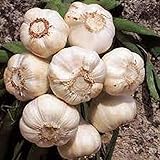
Are you dreaming of pungent, homegrown garlic? The good news is, it’s surprisingly easy to achieve! Planting garlic from bulbs is a rewarding experience, transforming you from a consumer to a cultivator. Imagine the satisfaction of harvesting your own flavorful bulbs, perfect for cooking or sharing with friends and family.
This comprehensive guide will walk you through every step of the process, from selecting the right garlic variety to harvesting your crop. We’ll cover essential techniques, address common challenges, and provide expert tips to ensure a bountiful harvest. Get ready to unlock the secrets of growing your own delicious garlic.
Whether you’re a seasoned gardener or a complete beginner, this guide will equip you with the knowledge and confidence to successfully plant garlic from bulbs. Let’s get started on your journey to garlicky goodness!
Choosing the Right Garlic Variety
The first step in planting garlic from bulbs is selecting the right variety. There are two main types of garlic: hardneck and softneck. Understanding the differences is crucial for choosing the best option for your climate and preferences. Both types offer unique flavors and characteristics.
Hardneck Garlic
Hardneck garlic varieties are known for their bold flavor and the presence of a central stalk, or scape, that emerges from the bulb. These scapes are edible and can be harvested before the bulbs mature, adding another culinary dimension to your crop. Hardneck garlic typically produces larger cloves, making them easier to peel.
Hardneck varieties are generally better suited for colder climates because they require a period of vernalization (exposure to cold temperatures) to properly develop. They tend to have a shorter storage life compared to softneck varieties.
<>
Examples of popular hardneck varieties include:
- Rocambole: Known for its intense flavor and excellent quality.
- Purple Stripe: Exhibits beautiful purple streaks on the cloves and wrapper.
- Porcelain: Produces large, white bulbs with a strong, pungent flavor.
Softneck Garlic
Softneck garlic varieties are characterized by their flexible necks, which allow them to be braided and stored for extended periods. They typically have a milder flavor compared to hardneck varieties and produce more cloves per bulb. Softneck garlic is well-suited for warmer climates and is the type most often found in commercial markets.
Softneck garlic doesn’t usually produce scapes, so the plant’s energy is directed towards bulb development. They store well for several months, making them a great choice for long-term use.
Common softneck varieties include:
- Artichoke: Produces multiple layers of cloves and is easy to peel.
- Silverskin: Known for its excellent storage capabilities and strong flavor.
- Creole: Offers a spicy flavor and is well-suited for warmer regions.
Considerations for Your Climate
When selecting a garlic variety, consider your local climate. Hardneck varieties thrive in colder regions with distinct winters, while softneck varieties are better suited for milder climates. Research which varieties perform best in your area by consulting local gardening resources or experienced gardeners.
The USDA Plant Hardiness Zone Map is a valuable tool for determining which plants are likely to thrive in your specific location. Pay attention to the average first and last frost dates in your region, as these factors will influence the planting time.
Where to Buy Garlic Bulbs for Planting
Obtaining quality garlic bulbs for planting is crucial. Avoid using garlic from the grocery store, as it may have been treated to prevent sprouting. Instead, purchase certified disease-free seed garlic from reputable sources. These sources include:
- Local nurseries and garden centers: Offer varieties suited to your region.
- Online seed companies: Provide a wide selection of garlic varieties.
- Farmers’ markets: Often sell locally grown seed garlic.
When selecting bulbs, choose firm, healthy-looking bulbs that are free from blemishes or signs of disease. Avoid bulbs that are soft, shriveled, or have sprouted prematurely.
Preparing the Soil
Proper soil preparation is essential for successful garlic cultivation. Garlic prefers well-drained soil rich in organic matter. Before planting, take the time to amend your soil to create an ideal growing environment. This step significantly impacts your harvest.
Soil Testing and Amendment
Before planting, conduct a soil test to determine the pH level and nutrient content. Garlic thrives in slightly acidic soil with a pH between 6.0 and 7.0. A soil test will reveal any deficiencies that need to be addressed. You can purchase soil testing kits at most garden centers.
Amend your soil with organic matter such as compost, well-rotted manure, or leaf mold. These materials improve soil structure, drainage, and fertility. They also provide essential nutrients that garlic needs to thrive. (See Also: Watering Bamboo: How Often to Water a Bamboo Plant for Thriving Growth)
Soil Drainage
Garlic does not tolerate waterlogged soil. Ensure your soil drains well to prevent root rot and other diseases. If your soil is heavy clay, consider adding sand or other drainage materials to improve drainage. Raised beds or containers are excellent options for improving drainage.
Proper drainage prevents fungal diseases like white rot, which can devastate a garlic crop. Good drainage also promotes healthy root development, which is critical for bulb size and overall yield.
Sunlight Requirements
Garlic requires at least six hours of direct sunlight per day. Choose a planting location that receives ample sunlight. Avoid planting in shaded areas, as this can lead to weak growth and reduced bulb size. Full sun exposure is essential for photosynthesis and bulb development.
Consider the sun’s path throughout the growing season. Ensure that trees or buildings will not shade your garlic plants as the days get longer. Proper sunlight exposure helps the plant develop the energy it needs to produce large, flavorful bulbs.
Planting Garlic Bulbs
Planting garlic bulbs is a straightforward process. Following the correct planting techniques will maximize your chances of a successful harvest. Timing, depth, and spacing are key factors to consider.
Timing: When to Plant Garlic
The ideal time to plant garlic is in the fall, several weeks before the ground freezes. This allows the roots to establish before winter sets in. The exact timing depends on your climate, but a general guideline is to plant about 4-6 weeks before the first expected hard frost. The roots will establish before the ground freezes.
In warmer climates, you may be able to plant garlic later in the fall or even in early winter. Consult local gardening resources to determine the best planting time for your region. Fall planting gives the garlic a head start, resulting in larger bulbs and higher yields.
Preparing the Garlic Bulbs
Before planting, separate the garlic bulb into individual cloves. Handle the cloves carefully to avoid damaging them. Discard any cloves that are bruised, damaged, or show signs of disease. The healthiest cloves will produce the strongest plants.
Do not peel the cloves. The papery skin protects the cloves from drying out and helps them resist disease. Choose the largest cloves from each bulb for planting, as they tend to produce the largest bulbs.
Planting Depth and Spacing
Plant the garlic cloves with the pointed end facing up. The planting depth depends on your climate and soil type, but a general guideline is to plant them 2-3 inches deep. In colder climates, plant slightly deeper to protect the cloves from freezing.
Space the cloves 6-8 inches apart in rows that are 12-18 inches apart. This spacing allows for adequate air circulation and prevents overcrowding. Overcrowding can lead to smaller bulbs and increased disease risk.
Watering After Planting
After planting, water the garlic cloves thoroughly. This will help settle the soil and encourage root development. Keep the soil consistently moist but not waterlogged, especially during the fall and spring. Proper watering is essential for successful root establishment.
Avoid overwatering, as this can lead to root rot. Check the soil moisture regularly and water only when the top inch of soil feels dry to the touch. Consistent moisture is crucial for root development.
Caring for Your Garlic Plants
Once your garlic is planted, several care practices will help ensure a healthy and productive crop. These practices include watering, fertilizing, weeding, and pest and disease control. Regular care is essential for optimal growth.
Watering
Water garlic plants consistently, especially during dry periods. Aim for about 1 inch of water per week, either from rainfall or irrigation. Water deeply and less frequently, rather than shallowly and often. Deep watering encourages deep root growth.
Reduce watering as the bulbs mature, typically in late spring or early summer. Overwatering during this stage can promote rot. Monitor the soil moisture and adjust your watering schedule accordingly.
Fertilizing
Garlic is a heavy feeder and benefits from regular fertilization. Apply a balanced fertilizer at planting time, following the manufacturer’s instructions. Side-dress the plants with additional fertilizer in the spring, when the plants are actively growing. (See Also: Learn How to Propagate a Yucca Plant: A Complete Guide)
Choose a fertilizer that is high in nitrogen, as this nutrient is essential for leaf and bulb growth. Compost tea or other organic fertilizers can also be beneficial. Avoid over-fertilizing, as this can lead to excessive foliage growth at the expense of bulb development.
Weeding
Keep the area around your garlic plants free of weeds. Weeds compete with garlic for nutrients, water, and sunlight. Mulching can help suppress weeds and conserve moisture. Regular weeding is critical for optimal growth.
Hand-pull weeds or use a hoe to cultivate shallowly around the plants. Avoid disturbing the garlic roots. Consistent weeding will help ensure that your garlic plants have access to the resources they need.
Mulching
Apply a layer of mulch around your garlic plants. Mulch helps suppress weeds, conserve moisture, and regulate soil temperature. Choose a mulch material such as straw, shredded leaves, or wood chips. Mulching is a simple yet effective way to improve your garlic crop.
Apply mulch after planting and again in the spring. Keep the mulch away from the garlic stems to prevent rot. A good layer of mulch helps insulate the soil and encourages healthy root growth.
Pest and Disease Control
Garlic is relatively pest-resistant, but it can be susceptible to certain diseases. Common pests include onion thrips and nematodes. Common diseases include white rot and downy mildew. Inspect your plants regularly for signs of pests or diseases.
Practice good sanitation by removing any diseased plants or plant debris. Ensure proper air circulation by spacing plants adequately. Consider using organic pest control methods if necessary.
Harvesting and Curing Garlic
Harvesting and curing garlic are essential steps to ensure the long-term storage and quality of your crop. Knowing when and how to harvest will maximize your yield and flavor. Proper curing is critical for storage.
Timing the Harvest
The timing of the garlic harvest is crucial. Harvest hardneck garlic when the scapes have curled and before the leaves start to turn brown. For softneck garlic, harvest when the lower leaves begin to turn brown, typically in late spring or early summer, depending on your climate and variety.
Monitor your plants closely. Harvesting too early will result in smaller bulbs, while harvesting too late can lead to splitting and reduced storage life. The ideal harvest time is when the bulbs are fully mature.
Harvesting Techniques
Carefully loosen the soil around the garlic bulbs with a garden fork or shovel. Gently lift the bulbs from the ground, taking care not to damage them. Avoid pulling the plants by their stalks, as this can break the stems and damage the bulbs.
Gently brush off any excess soil. Handle the bulbs carefully to prevent bruising. Harvesting on a dry day will make it easier to clean the bulbs.
Curing the Garlic
Curing is the process of drying the garlic bulbs to extend their storage life. After harvesting, leave the garlic bulbs intact with their stems and roots. Cure the garlic in a well-ventilated, shaded area for 2-4 weeks.
Hang the garlic bulbs upside down in bundles or spread them out on a screen. Ensure good air circulation around the bulbs. Curing allows the outer layers of the bulbs to dry, preventing mold and rot. Proper curing is essential for long-term storage.
Storing Garlic
Once the garlic is fully cured, trim the stems to about 1 inch long. Remove any loose outer layers of the bulbs. Store the garlic in a cool, dark, and well-ventilated place. The ideal storage temperature is between 32-40°F (0-4°C) with 60-70% humidity.
Store garlic in a mesh bag, a basket, or a paper bag. Avoid storing garlic in plastic bags, as this can trap moisture and lead to mold. Properly stored garlic can last for several months.
Troubleshooting Common Problems
Even with the best care, you may encounter some challenges when growing garlic. Here are some common problems and how to address them. (See Also: How Big Pot for Tomato Plant? Sizing & Planting Guide)
Yellowing Leaves
Yellowing leaves can be caused by several factors, including nutrient deficiencies, overwatering, or diseases. If the lower leaves are yellowing, it could be a sign of nitrogen deficiency. Amend the soil with compost or a nitrogen-rich fertilizer.
If the leaves are yellowing from the tips, it could be a sign of overwatering or disease. Ensure proper drainage and avoid overwatering. Inspect the plants for signs of disease and take appropriate action.
Bulb Rot
Bulb rot is often caused by excessive moisture or fungal diseases. Ensure good soil drainage and avoid overwatering. Remove any infected bulbs promptly to prevent the spread of the disease.
Choose disease-resistant varieties. Provide adequate spacing between plants to improve air circulation. Rotate your crops to prevent the buildup of soilborne diseases.
Pests
Pests such as onion thrips and nematodes can damage garlic plants. Inspect your plants regularly for signs of pests. Use organic pest control methods if necessary.
Companion planting can help deter pests. Remove any infected plants promptly. Practice crop rotation to disrupt pest cycles.
Garlic Faqs
Here are some frequently asked questions about growing garlic:
Can I Grow Garlic in Pots?
Yes, you can grow garlic in pots. Choose a pot that is at least 6-8 inches deep and wide. Use a well-draining potting mix. Ensure the pots receive at least six hours of sunlight per day. Potted garlic requires consistent watering and fertilization.
Make sure the pot has drainage holes to prevent root rot. You can plant several cloves in a larger pot, spacing them appropriately. Potted garlic is a great option for those with limited space or poor soil conditions.
How Long Does It Take for Garlic to Grow?
Garlic typically takes 8-9 months to mature, from planting to harvest. Fall-planted garlic is harvested in the following summer. The exact growing time depends on the variety and your climate. Patience is key when growing garlic.
Hardneck varieties tend to mature slightly faster than softneck varieties. Monitor your plants for signs of maturity, such as the browning of the lower leaves. Proper care and favorable growing conditions will help speed up the process.
Can I Save Garlic Cloves From My Harvest to Plant Next Year?
Yes, you can save garlic cloves from your harvest to plant next year. Choose the largest and healthiest cloves from your best-performing bulbs. Store the cloves properly in a cool, dark, and well-ventilated place. This is a great way to perpetuate your garlic crop.
Avoid planting garlic that shows signs of disease. Saving your own seed garlic can help you select varieties that are well-adapted to your local climate. This reduces the need to purchase seed garlic annually.
Conclusion
Planting garlic from bulbs is a rewarding endeavor that brings the satisfaction of homegrown flavor to your kitchen. By following this guide, you’re well-equipped to cultivate a successful garlic crop. From choosing the right variety to mastering harvesting and storage, you now have the knowledge to enjoy fresh, flavorful garlic year-round.
Embrace the journey, experiment with different varieties, and savor the delicious results of your efforts. With a little patience and care, you’ll soon be harvesting your own garlic, adding a delightful touch to your culinary creations. Happy gardening!
Recommended Products