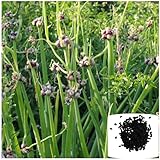
Are you looking for a unique and rewarding addition to your garden? Egyptian walking onions, with their fascinating growth habit and delicious flavor, are an excellent choice. These perennial onions, also known as top-setting onions, are named for their ability to “walk” across the garden, creating new plants from bulbils that form at the top of their stalks. This guide will provide you with all the information you need to successfully cultivate these intriguing and flavorful onions.
Egyptian walking onions are not only easy to grow but also require minimal maintenance once established. They offer a continuous supply of green onion tops and can provide a welcome alternative to traditional onions. From understanding their unique characteristics to mastering planting techniques, this guide covers everything you need to know about how to plant Egyptian walking onions and enjoy their bounty year after year.
Understanding Egyptian Walking Onions
Before diving into the planting process, it’s essential to understand what makes Egyptian walking onions so special. Unlike common onions that produce bulbs underground, these onions form clusters of small bulblets, also known as top-sets, at the top of their stalks. These bulblets eventually become heavy, causing the stalk to bend over and “walk” the plant away from its original location. This natural propagation method is where the name “walking onions” comes from.
Egyptian walking onions are a hardy perennial, meaning they will return year after year. They are known for their strong onion flavor, and both the tops (green onions) and the bulblets are edible. These onions are also relatively pest and disease-resistant, making them a low-maintenance choice for gardeners of all levels of experience. They thrive in a variety of climates and soil conditions, adding to their appeal.
Key Characteristics
- Perennial: Returns year after year.
- Top-setting: Produces bulblets at the top of the stalk.
- Flavor: Strong onion flavor in both tops and bulblets.
- Hardy: Relatively pest and disease-resistant.
- Propagation: Propagates through bulblets and occasionally by division.
Benefits of Growing Egyptian Walking Onions
There are numerous advantages to growing Egyptian walking onions in your garden. They provide a continuous supply of fresh green onions, perfect for adding flavor to salads, soups, and other dishes. They are also incredibly easy to propagate, meaning you can easily expand your onion patch or share them with friends and neighbors. Their unique growth habit also adds visual interest to your garden.
Beyond their culinary and aesthetic benefits, Egyptian walking onions are a sustainable choice. They require minimal intervention and are well-suited to organic gardening practices. By growing your own, you can reduce your reliance on store-bought onions and enjoy the freshest, most flavorful onions possible. Furthermore, their resilience helps create a low-maintenance garden.
Choosing the Right Location and Soil
Selecting the right location and preparing the soil are crucial steps in ensuring the successful growth of your Egyptian walking onions. While these onions are relatively adaptable, certain conditions will help them thrive and produce an abundant harvest. Careful planning in this phase will significantly impact the long-term health and productivity of your plants. Consider sunlight, soil type, and drainage when choosing a spot.
Sunlight Requirements
Egyptian walking onions prefer a location that receives at least six hours of sunlight per day. Full sun is ideal, but they can tolerate partial shade, especially in hotter climates. Adequate sunlight is essential for strong growth and the development of healthy bulblets. Observe your garden throughout the day to determine which areas receive the most sunlight.
If you live in a particularly hot climate, a location that receives some afternoon shade may be beneficial. This can help prevent the plants from drying out too quickly and reduce the stress on the plants. However, ensure that the plants still receive enough sunlight to support healthy growth and bulblet production.
Soil Preparation
Egyptian walking onions thrive in well-drained soil that is rich in organic matter. Before planting, amend your soil with compost, well-rotted manure, or other organic materials to improve drainage, fertility, and structure. The soil should be slightly acidic to neutral, with a pH range of 6.0 to 7.0. Regular soil testing can help you determine the pH level and nutrient content of your soil.
To prepare the soil, till or dig to a depth of 12-18 inches. Remove any rocks, weeds, or debris. Incorporate the organic matter evenly throughout the soil. You can also add a balanced fertilizer at this stage, following the manufacturer’s instructions. Ensure the soil is loose and friable to promote root growth and drainage.
Drainage Is Key
Good drainage is crucial for preventing root rot and ensuring the health of your Egyptian walking onions. These plants do not tolerate waterlogged soil. If your soil tends to retain water, consider planting them in raised beds or amending the soil with materials like perlite or coarse sand to improve drainage. Proper drainage also helps prevent fungal diseases.
To test the drainage, dig a hole about 12 inches deep and fill it with water. If the water drains away within an hour, the drainage is likely adequate. If the water remains for longer, you’ll need to improve the drainage before planting. Consider adding a layer of gravel or other drainage material to the bottom of the planting hole if necessary.
Planting Egyptian Walking Onions
Planting Egyptian walking onions is a straightforward process, but proper technique is essential for success. You can plant them in the spring or fall, depending on your climate. Careful attention to spacing, depth, and watering will help your onions establish quickly and thrive. Following these steps ensures your plants get off to a great start.
Planting Methods
There are two primary methods for planting Egyptian walking onions: planting the bulblets or dividing established plants. Planting bulblets is the most common method. These small onion bulbs can be purchased from nurseries or online or harvested from existing plants. Dividing established plants is an option for propagating your own onions. (See Also: Unlocking Aloe Vera’s Secrets: How to Care for an Aloe Plant)
Planting Bulblets: Plant bulblets directly into the ground, about 1-2 inches deep and 4-6 inches apart. Plant them with the pointed end facing up. Gently firm the soil around the bulblets and water thoroughly. The bulblets will sprout and begin to grow quickly.
Dividing Established Plants: In the spring or fall, carefully dig up a clump of established plants. Gently separate the bulbs and roots, ensuring that each division has some roots attached. Replant the divisions at the same depth as the original plants, spacing them as described above. Water thoroughly after replanting.
Spacing and Depth
Proper spacing and planting depth are important for allowing your onions to grow and thrive. Plant the bulblets about 4-6 inches apart, with rows spaced 12-18 inches apart. This spacing allows for adequate air circulation and prevents overcrowding, which can lead to disease.
Plant the bulblets about 1-2 inches deep. The pointed end of the bulblet should face upwards. Gently cover the bulblets with soil and firm it lightly. Overly deep planting can hinder the growth of the bulblets. Ensure the bulbs are planted at the correct depth for optimal growth.
Watering After Planting
Water your newly planted Egyptian walking onions thoroughly after planting. Keep the soil consistently moist, but not waterlogged, during the initial establishment period. This will encourage root growth and help the plants get off to a good start. Frequent watering is key for the first few weeks.
Once the plants are established, you can reduce the frequency of watering. However, continue to water during dry spells, especially during the growing season. Aim to water deeply, allowing the water to penetrate the soil. Avoid overhead watering, which can promote fungal diseases. Check the soil moisture regularly.
Caring for Your Egyptian Walking Onions
Once your Egyptian walking onions are planted, providing proper care will ensure a bountiful harvest. Regular watering, fertilizing, and weeding will promote healthy growth and strong bulblet production. These easy-to-follow care tips will help you manage your onion patch effectively.
Watering and Fertilizing
Egyptian walking onions require consistent moisture, especially during dry periods. Water deeply, providing about 1 inch of water per week, either from rainfall or irrigation. Avoid letting the soil dry out completely. Regular watering is crucial for both the green tops and the bulblet production.
Fertilize your onions in the spring and again in mid-summer with a balanced fertilizer. A 10-10-10 fertilizer is a good choice. Follow the manufacturer’s instructions for application rates. You can also use organic fertilizers such as compost tea or well-rotted manure for a more sustainable approach. Avoid over-fertilizing, which can lead to excessive foliage growth at the expense of bulblet production.
Weeding and Mulching
Weed your onion patch regularly to prevent weeds from competing for nutrients and water. Weeds can also harbor pests and diseases. Hand-weeding is often the most effective method. Consider using a hoe for larger areas.
Mulching can help suppress weeds, retain moisture, and regulate soil temperature. Apply a 2-3 inch layer of organic mulch, such as straw, shredded leaves, or wood chips, around the onions. Keep the mulch away from the base of the plants to prevent rot. Mulching also helps improve soil health.
Pest and Disease Control
Egyptian walking onions are relatively resistant to pests and diseases, but problems can still arise. Common pests include onion thrips, which can damage the foliage. Diseases such as onion white rot can also occur, especially in poorly drained soil. Early detection and prompt action are key.
Pest Control: Inspect your plants regularly for pests. If you notice an infestation, you can try hand-picking the pests or using insecticidal soap or neem oil. For severe infestations, you may need to consult with a local extension office for advice on appropriate treatments.
Disease Control: Prevent diseases by ensuring good air circulation, avoiding overhead watering, and planting in well-drained soil. If you suspect a disease, remove and destroy infected plants. Consider using a fungicide if necessary, following the manufacturer’s instructions. Practicing crop rotation can also help prevent disease. (See Also: Rid Your Home of Gnats: How to Get Rid of Plant Knats)
Harvesting and Using Egyptian Walking Onions
Harvesting and using Egyptian walking onions is a rewarding experience. Both the green tops and the bulblets are edible and offer a delicious onion flavor. Knowing when and how to harvest will ensure you get the most out of your plants. Following these steps maximizes your enjoyment.
Harvesting Green Tops
You can harvest the green tops of Egyptian walking onions throughout the growing season. Simply snip off the leaves as needed, using scissors or a sharp knife. Harvest the outer leaves first, leaving the inner leaves to continue growing. Avoid taking too many leaves at once, especially during the early stages of growth.
The green tops can be used in the same way as regular green onions, adding flavor to salads, soups, stews, and other dishes. They have a slightly stronger flavor than store-bought green onions. Harvest the green tops as needed, and they will continue to produce throughout the growing season.
Harvesting Bulblets
The bulblets are typically ready to harvest in late summer or early fall, when the stalks begin to fall over. You can harvest the bulblets by gently pulling them from the stalks. The bulblets can be eaten fresh, cooked, or stored for later use. Harvest the bulblets when they are firm and plump.
To store bulblets, you can dry them or freeze them. To dry them, spread them out in a single layer in a well-ventilated area for several weeks. Once they are dry, store them in airtight containers. To freeze them, chop them and spread them out on a baking sheet. Freeze them until solid, then transfer them to a freezer bag. They can be added to dishes directly from the freezer.
Culinary Uses
Egyptian walking onions are incredibly versatile in the kitchen. The green tops can be used in any recipe that calls for green onions. The bulblets can be used in a variety of ways, including roasting, pickling, or adding them to stir-fries. Experiment with different culinary applications to find your favorite ways to use these flavorful onions.
Green Tops: Use them in salads, soups, stews, omelets, and stir-fries. They add a fresh, oniony flavor to any dish. Slice them thinly and use them as a garnish. They are great for adding flavor to dips and sauces.
Bulblets: Roast them with other vegetables, pickle them for a tangy treat, or add them to stir-fries and stews. They can also be used in soups and stews. They are delicious when grilled or sautéed. They add a unique oniony flavor to any dish.
Propagating Egyptian Walking Onions
Propagating Egyptian walking onions is easy, allowing you to expand your onion patch or share them with friends and neighbors. The most common method is through the bulblets that form at the top of the stalks. You can also propagate them by dividing established plants. Propagation ensures a continuous supply of this delicious onion.
Propagating From Bulblets
The easiest way to propagate Egyptian walking onions is by using the bulblets. As the stalks mature, the bulblets will begin to form. Once the stalks fall over, the bulblets will naturally fall to the ground and begin to grow. You can also harvest the bulblets and replant them elsewhere. This is the simplest and most effective propagation method.
To propagate from bulblets, simply collect the bulblets when they are mature. Plant them in the same way you would plant purchased bulblets, about 1-2 inches deep and 4-6 inches apart. Water them thoroughly after planting. They will quickly establish and begin to grow. Ensure the bulblets are harvested at the appropriate time.
Dividing Established Plants
You can also propagate Egyptian walking onions by dividing established plants. This is best done in the spring or fall. Carefully dig up a clump of established plants, making sure to preserve the roots. Gently separate the bulbs and roots, ensuring that each division has some roots attached.
Replant the divisions at the same depth as the original plants, spacing them as described above. Water thoroughly after replanting. This method is effective for multiplying your existing plants. Dividing the plants also helps to prevent overcrowding and encourages healthy growth.
Sharing Your Onions
Egyptian walking onions are a great plant to share with others. They are easy to grow, and their unique appearance and flavor make them a welcome addition to any garden. Sharing your onions with friends and neighbors is a great way to spread the joy of gardening. Sharing also promotes community and gardening knowledge. (See Also: Planting Liriope: How Far Apart Should You Space Them?)
When sharing your onions, you can offer bulblets, divisions of established plants, or even a few green tops. Provide instructions on how to plant and care for the onions. Sharing your knowledge and experience will help others to enjoy the benefits of growing Egyptian walking onions. Sharing can also lead to trading other garden produce.
Common Problems and Solutions
While Egyptian walking onions are relatively low-maintenance, they can still encounter some problems. Understanding these potential issues and knowing how to address them will help you keep your plants healthy and productive. Early detection and prompt action are key to preventing major issues. Learn to spot and fix these common problems.
Pests and Diseases
Onion Thrips: These tiny pests can damage the foliage. Control them by hand-picking them, using insecticidal soap, or applying neem oil. Prevention is key. Inspect plants regularly.
Onion White Rot: This fungal disease can occur in poorly drained soil. Prevent it by ensuring good drainage and avoiding overhead watering. Remove and destroy infected plants. Consider crop rotation.
Other Potential Issues
Yellowing Leaves: Yellowing leaves can indicate several problems, including overwatering, underwatering, nutrient deficiencies, or pest infestations. Assess the situation and adjust your watering and fertilizing practices accordingly. Inspect for pests.
Bulblets Not Forming: If your plants are not producing bulblets, it could be due to insufficient sunlight, nutrient deficiencies, or overcrowding. Ensure the plants receive adequate sunlight, fertilize them regularly, and thin them if necessary. Proper care is crucial for bulblet formation.
Frequently Asked Questions (paa)
Here are some frequently asked questions (FAQs) about Egyptian walking onions to help you further with your gardening endeavors. These questions cover various aspects of growing and caring for these unique onions.
How Long Do Egyptian Walking Onions Take to Grow?
Egyptian walking onions are relatively fast-growing. From planting the bulblets, you can typically start harvesting green tops within a few weeks. The bulblets will mature and be ready for harvest in late summer or early fall of the following year. They offer a relatively quick return compared to other vegetables.
Can You Eat the Entire Egyptian Walking Onion?
Yes, you can eat the entire Egyptian walking onion. The green tops can be used in the same way as green onions. The bulblets can be eaten fresh, cooked, or pickled. Both the green tops and the bulblets offer a delicious onion flavor, making the plant very versatile in the kitchen.
Do Walking Onions Come Back Every Year?
Yes, Egyptian walking onions are perennial plants and will come back every year. They are very reliable and will continue to produce green tops and bulblets year after year. They require minimal maintenance once established, making them a great choice for gardeners. These onions are known for their longevity.
How Do You Store Egyptian Walking Onions?
You can store Egyptian walking onions in several ways. The green tops can be stored in the refrigerator for a few days, similar to regular green onions. The bulblets can be dried, frozen, or stored in a cool, dry place. Proper storage extends their usability. Storing them properly will preserve their flavor and texture.
Conclusion
Growing Egyptian walking onions is a rewarding and enjoyable experience. By understanding their unique characteristics, following the planting guidelines, and providing proper care, you can enjoy a continuous supply of flavorful green onions and bulblets. These onions are a fantastic addition to any garden, offering both culinary and aesthetic benefits. With a little effort, you can cultivate these fascinating plants and enjoy their bounty for years to come.
Recommended Products