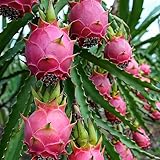
Dreaming of exotic fruit from your own backyard? Dragon fruit, with its vibrant pink skin and sweet, speckled flesh, is a tropical delight. Growing your own is a rewarding experience, and it all starts with those tiny, black seeds! This guide will walk you through the fascinating process of how to plant dragon fruit seeds.
From seed selection to harvest, we’ll cover everything you need to know. You’ll learn the best methods for germination, the ideal soil conditions, and the care required to nurture your dragon fruit seedlings. Get ready to embark on a journey that will bring a taste of the tropics to your home.
We’ll explore the secrets to successful dragon fruit cultivation. You will be able to enjoy the beautiful blooms and eventually, the delicious fruit. Let’s get started and turn your gardening dreams into a delicious reality!
Preparing Dragon Fruit Seeds for Planting
The journey of growing dragon fruit from seed begins with careful preparation. This crucial step significantly impacts the success of germination and the overall health of your plants. Starting with high-quality seeds and providing the right conditions is the foundation for a thriving dragon fruit garden.
Before you begin, it’s essential to understand that growing dragon fruit from seeds can be a bit unpredictable compared to using cuttings. The fruit you harvest might not be exactly like the parent fruit, but the experience is incredibly rewarding. Let’s delve into how to prepare these tiny treasures for a life of vibrant growth.
Sourcing Your Dragon Fruit Seeds
The first step is acquiring your seeds. You can obtain them from fresh dragon fruit, which is the most reliable method. Ensure the fruit is ripe; the skin should yield slightly to gentle pressure. Alternatively, you can purchase seeds from reputable nurseries or online seed suppliers.
If you’re using seeds from a purchased fruit, choose a fruit that appears healthy and free from blemishes. Avoid fruits that are overripe or showing signs of spoilage. The quality of the seeds directly impacts their ability to germinate and grow into healthy plants.
Extracting and Cleaning the Seeds
Once you have your dragon fruit, the next step is extracting the seeds. This process is relatively simple but requires patience and care. The seeds are small and embedded in the fruit’s flesh, so you’ll need to handle them delicately.
Step-by-Step Seed Extraction:
- Cut the Dragon Fruit: Slice the dragon fruit in half lengthwise.
- Scoop Out the Flesh: Use a spoon to scoop out the flesh, ensuring you collect as much of the seedy pulp as possible.
- Separate the Seeds: Place the pulp in a bowl of water and gently massage it to separate the seeds from the flesh. The seeds will sink to the bottom.
- Rinse the Seeds: Carefully pour off the water, leaving the seeds behind. Rinse the seeds several times to remove any remaining pulp.
- Dry the Seeds: Spread the seeds on a paper towel and allow them to dry completely. This may take a day or two. Proper drying prevents mold growth.
Thorough cleaning is essential to prevent fungal diseases. Any remaining fruit pulp can lead to mold and rot, which will hinder germination. Make sure the seeds are completely dry before you move on to the next step.
Seed Viability Test
Before planting, you can test the viability of your seeds. This helps determine if they are likely to germinate. While not foolproof, it provides an estimate of your success rate.
Viability Test Methods:
- Water Test: Place the seeds in a bowl of water. Viable seeds will sink, while non-viable seeds will float. Remove the floaters as they are unlikely to germinate.
- Paper Towel Test: Place a few seeds on a damp paper towel, fold it over, and seal it in a plastic bag. Check after a few days for signs of germination.
The viability test is a good indicator, but even viable seeds might not germinate if the planting conditions are not optimal. The goal is to maximize your chances of success.
Choosing the Right Planting Medium
The planting medium plays a vital role in successful dragon fruit seed germination. It provides the necessary support, nutrients, and drainage for the delicate seedlings. Selecting the right medium is crucial for their initial development.
A well-draining, nutrient-rich mix is the key. The medium should retain enough moisture for the seeds to germinate while preventing waterlogging, which can lead to rot. Let’s explore the best options for your dragon fruit seeds.
Recommended Planting Mediums
There are several effective planting mediums for dragon fruit seeds, each with its own advantages. The ideal mix balances drainage, aeration, and nutrient retention. Here are some of the best choices: (See Also: Unlocking Beauty: How to Plant Native Plants for Success)
- Seed Starting Mix: This is a commercially available mix specifically designed for starting seeds. It typically contains a blend of peat moss or coco coir, vermiculite, and perlite. It offers excellent drainage and aeration.
- Peat Moss and Perlite Mix: A simple mix of equal parts peat moss (or coco coir) and perlite provides good drainage and moisture retention. Peat moss helps retain moisture, while perlite improves aeration.
- Coco Coir and Perlite Mix: Coco coir is a sustainable alternative to peat moss. It offers similar benefits, including good water retention and aeration. Mix it with perlite in a 1:1 ratio.
- Homemade Mix: You can create your own mix using ingredients like compost, sand, and peat moss. However, ensure the drainage is excellent to prevent fungal diseases.
Regardless of the mix you choose, make sure it is sterile to prevent diseases. Pre-mixed seed starting mixes often come pre-sterilized, which is a significant advantage.
Preparing the Planting Medium
Once you’ve chosen your planting medium, it’s essential to prepare it properly. This involves moistening the mix and ensuring it is ready to receive the seeds. Proper preparation ensures that the seeds have the best possible chance of success.
Preparation Steps:
- Moisten the Mix: Before planting, moisten the planting medium with water. It should be damp but not soggy. Squeeze a handful; it should hold its shape without dripping water.
- Fill the Containers: Fill your chosen containers (seed trays, small pots) with the moistened mix, leaving about half an inch of space at the top.
- Level the Surface: Gently level the surface of the planting medium, creating a smooth surface for planting the seeds.
Properly prepared medium provides the ideal environment for germination. It prevents the seeds from drying out and provides the necessary moisture for growth. Avoid compacting the soil, as this can hinder root development.
Planting Dragon Fruit Seeds
With your seeds prepared and your planting medium ready, it’s time to plant your dragon fruit seeds. This is a delicate process that requires care and precision. Proper planting techniques significantly impact germination rates.
The key is to plant the seeds shallowly and maintain consistent moisture. The small size of the seeds requires a gentle touch. Let’s explore the steps for successful planting.
Sowing the Seeds
The method for sowing dragon fruit seeds is straightforward, but attention to detail is crucial. Planting the seeds at the correct depth and spacing maximizes your chances of successful germination.
Sowing Instructions:
- Sprinkle the Seeds: Gently sprinkle the dragon fruit seeds on the surface of the prepared planting medium.
- Lightly Cover: Lightly cover the seeds with a thin layer of the planting medium. A light dusting is sufficient; do not bury them too deep.
- Gently Pat Down: Gently pat down the surface of the planting medium to ensure the seeds have good contact with the soil.
- Water Gently: Use a spray bottle to gently mist the surface of the planting medium with water. Avoid overwatering, which can wash away the seeds.
Planting the seeds too deep can prevent them from germinating. The seeds need light and air to sprout. Maintaining consistent moisture is also essential for germination.
Creating a Humid Environment
Dragon fruit seeds thrive in a humid environment. This helps retain moisture and encourages germination. Creating a mini-greenhouse effect is an effective way to achieve this.
Methods for Creating Humidity:
- Cover with Plastic Wrap: Cover the seed tray or pot with plastic wrap to create a humid environment. Secure the wrap with a rubber band or tape.
- Use a Humidity Dome: If you’re using a seed tray, consider using a humidity dome. These domes help retain moisture and regulate temperature.
- Place in a Warm Location: Place the planted seeds in a warm location, ideally between 70-80°F (21-27°C). This temperature range is optimal for germination.
Maintaining high humidity and a consistent temperature is crucial for accelerating germination. The plastic wrap or humidity dome helps trap moisture and create the ideal environment for growth.
Caring for Germinating Dragon Fruit Seeds
Once you’ve planted your dragon fruit seeds, consistent care is essential to ensure they germinate and thrive. This involves monitoring moisture levels, providing adequate light, and protecting the seedlings from pests and diseases. Patience is key, as germination can take several weeks.
Let’s explore the essential care practices for your germinating dragon fruit seeds.
Watering and Moisture Control
Maintaining the right moisture levels is critical for successful germination and seedling growth. Overwatering can lead to rot, while underwatering can cause the seeds to dry out. Finding the right balance is key. (See Also: How to Revive My Lavender Plant: A Complete Guide)
Watering Tips:
- Check the Moisture: Regularly check the moisture level of the planting medium. The surface should be consistently moist but not waterlogged.
- Water Gently: Use a spray bottle to water the seeds gently. This prevents disturbing the seeds and avoids overwatering.
- Avoid Overwatering: Ensure the containers have drainage holes to prevent water from accumulating at the bottom.
Consistent moisture is vital for the seeds to germinate and the seedlings to establish themselves. Monitor the moisture levels carefully and adjust your watering schedule accordingly.
Light Requirements
Light is essential for the healthy development of dragon fruit seedlings. Adequate light helps the seedlings produce energy through photosynthesis. Proper lighting is key for their growth and survival.
Light Considerations:
- Bright Indirect Light: Place the seed tray or pot in a location with bright, indirect light. Avoid direct sunlight, which can scorch the delicate seedlings.
- Supplemental Lighting: If you don’t have enough natural light, consider using grow lights. These lights provide the necessary spectrum of light for plant growth.
- Gradual Acclimation: Once the seedlings have established, gradually introduce them to more sunlight. This helps them acclimate to the outdoor environment.
Adequate light is crucial for photosynthesis, which provides the energy for the seedlings to grow. Ensure your seedlings receive enough light without exposing them to harsh, direct sunlight.
Monitoring for Pests and Diseases
Pests and diseases can pose a threat to your young dragon fruit seedlings. Regular monitoring and preventative measures are essential to keep your plants healthy. Early detection is key to controlling any potential issues.
Common Pests and Diseases:
- Fungal Diseases: Overwatering and poor air circulation can lead to fungal diseases like damping-off.
- Pests: Aphids, mealybugs, and spider mites can infest seedlings.
Preventative Measures:
- Good Air Circulation: Ensure proper air circulation around the seedlings.
- Avoid Overwatering: Water only when necessary and avoid overwatering.
- Inspect Regularly: Check the seedlings regularly for signs of pests or diseases.
- Use Organic Solutions: If you spot any issues, use organic solutions like insecticidal soap or neem oil.
Regular monitoring and preventative measures are essential to protect your seedlings. Early detection is the key to preventing major infestations or disease outbreaks.
Transplanting Dragon Fruit Seedlings
Once your dragon fruit seedlings have developed a few sets of true leaves, it’s time to transplant them into larger pots or their permanent location. This is a critical step in their development. Proper transplanting techniques ensure their continued growth and health.
Transplanting allows the seedlings to have more space to grow and develop their root systems. It also provides them with more nutrients. Let’s delve into the process of transplanting your dragon fruit seedlings.
Preparing for Transplanting
Before transplanting, you need to prepare the seedlings and their new environment. This involves hardening off the seedlings (if they are going outdoors), choosing the right pots or location, and preparing the soil.
Preparation Steps:
- Harden Off: If you are transplanting the seedlings outdoors, gradually acclimate them to the outdoor conditions. This process is called hardening off.
- Choose the Right Pots: Select pots that are at least 6-8 inches in diameter. Dragon fruit plants need plenty of space for their roots to grow.
- Prepare the Soil: Use a well-draining potting mix. You can use a mix of compost, sand, and peat moss.
- Choose the Right Location: Dragon fruit plants need a sunny location. Choose a spot that receives at least 6-8 hours of sunlight per day.
Proper preparation ensures that the seedlings can easily transition to their new environment. Hardening off is especially important if you are moving them outdoors.
Transplanting Techniques
Transplanting requires care and precision to avoid damaging the delicate root systems of the seedlings. Following these techniques will help ensure a successful transplant. (See Also: How to Tell a Male Plant From a Female Plant: A Complete Guide)
Transplanting Instructions:
- Gently Remove Seedlings: Carefully remove the seedlings from their original containers. Use a small trowel or spoon to loosen the soil around the roots.
- Handle with Care: Hold the seedlings by their leaves, not their stems, to avoid damaging them.
- Plant in New Pots: Make a hole in the new potting mix and carefully place the seedling in the hole. Ensure that the roots are spread out.
- Fill and Water: Fill the hole with soil and gently pat it down around the seedling. Water the seedling thoroughly.
Transplanting can stress the seedlings, so handle them gently. Providing adequate water and care after transplanting helps them recover quickly.
Ongoing Care After Transplanting
After transplanting, continue to provide the seedlings with the care they need to thrive. This includes watering, fertilizing, and providing support for their growth. Proper care is essential for their long-term health and productivity.
Post-Transplant Care:
- Watering: Water the seedlings regularly, keeping the soil moist but not waterlogged.
- Fertilizing: Fertilize the seedlings with a balanced fertilizer every 4-6 weeks during the growing season.
- Provide Support: Dragon fruit plants are vining plants and need support. Provide a trellis or other support structure.
- Monitor for Pests and Diseases: Continue to monitor the seedlings for pests and diseases.
Consistent care after transplanting is crucial for the health and growth of the seedlings. Provide them with the necessary support and nutrients to ensure they develop into healthy, productive plants.
Common Mistakes to Avoid
Growing dragon fruit from seeds can be rewarding, but there are some common mistakes that can hinder your success. Being aware of these pitfalls can help you avoid them and increase your chances of growing healthy dragon fruit plants.
Here are some common mistakes to avoid:
- Overwatering: Overwatering is a common mistake that can lead to root rot. Make sure the soil drains well and only water when necessary.
- Poor Drainage: Using a planting medium that doesn’t drain well can also lead to root rot. Always use a well-draining mix.
- Planting Too Deep: Planting the seeds too deep can prevent them from germinating. Plant them just below the surface of the soil.
- Insufficient Light: Dragon fruit seedlings need plenty of sunlight. Make sure they receive enough light, either from natural sunlight or grow lights.
- Failure to Harden Off: If you are transplanting seedlings outdoors, it’s essential to harden them off gradually to acclimate them to the outdoor conditions.
- Lack of Support: Dragon fruit plants are vining plants and need support. Provide a trellis or other support structure to help them grow.
Avoiding these common mistakes can significantly improve your chances of success. By being aware of these potential pitfalls, you can take proactive steps to prevent them.
Pro Tips for Dragon Fruit Success
Here are some pro tips to help you maximize your success when growing dragon fruit from seeds. These tips are based on experience and can help you avoid common pitfalls while optimizing your growing process.
- Use Fresh Seeds: Fresh seeds have a higher germination rate. Try to use seeds as soon as possible after extracting them.
- Sterilize Your Medium: Sterilizing your planting medium can help prevent fungal diseases. You can do this by baking the mix in the oven or using a microwave.
- Provide Bottom Heat: Using a heat mat can help increase the germination rate. This provides consistent warmth to the soil.
- Maintain Consistent Humidity: Consistent humidity is crucial for germination. Use a humidity dome or plastic wrap to maintain the humidity levels.
- Monitor Regularly: Check your seedlings regularly for any signs of pests or diseases. Early detection is key to controlling any potential issues.
- Be Patient: Germination can take several weeks. Be patient and don’t give up if you don’t see results immediately.
These pro tips can provide an edge in your dragon fruit growing journey. Following these tips can significantly increase your chances of success and help you grow healthy, productive plants.
How Long Does It Take for Dragon Fruit Seeds to Germinate?
Dragon fruit seeds typically germinate within 14 to 21 days under optimal conditions. However, germination times can vary depending on the seed’s freshness, environmental conditions, and the planting medium. Maintaining a warm and humid environment is crucial for accelerating the germination process. Patience is key, as it might take a few weeks for the first sprouts to appear.
How Much Sunlight Do Dragon Fruit Seedlings Need?
Dragon fruit seedlings thrive in bright, indirect light. Direct sunlight can scorch the delicate seedlings, so it’s best to place them in a location that receives filtered sunlight. As the seedlings grow, you can gradually introduce them to more sunlight. Aim for at least 6-8 hours of sunlight per day for established plants.
How Often Should I Water Dragon Fruit Seedlings?
Water dragon fruit seedlings regularly, keeping the soil consistently moist but not waterlogged. The frequency of watering depends on the environmental conditions, such as temperature and humidity. Check the moisture level of the soil regularly and water when the surface feels dry to the touch. Avoid overwatering, as this can lead to root rot.
Conclusion
Growing dragon fruit from seeds is a rewarding experience, offering the chance to cultivate these exotic fruits from scratch. By following the steps outlined in this guide, from seed preparation to transplanting, you can increase your chances of success. Remember to be patient, provide consistent care, and enjoy the journey.
Start your dragon fruit adventure today! With dedication and care, you’ll be well on your way to enjoying the delicious fruits of your labor. Happy gardening!
Recommended Products