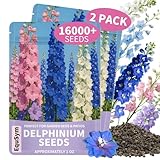
Are you dreaming of a garden bursting with towering spires of vibrant color? Delphiniums, with their majestic presence and dazzling hues, are a true showstopper. Cultivating these beauties from seed can be a rewarding experience, transforming your garden into a breathtaking spectacle. Learning how to plant delphinium seeds opens the door to a world of floral artistry, allowing you to choose from a vast array of varieties and colors.
While delphiniums may seem like high-maintenance plants, the process of growing them from seed is surprisingly manageable. With the right knowledge and a little patience, you can cultivate these stunning perennials and enjoy their dramatic blooms year after year. This guide will walk you through every step, from seed selection to transplanting, ensuring your delphiniums thrive.
Choosing the Right Delphinium Seeds
The first step in learning how to plant delphinium seeds is selecting the right seeds. Delphiniums come in a wide variety of colors, sizes, and forms, so choosing the right seeds for your garden’s aesthetic and your climate is crucial. Consider factors like the mature height of the plant, the color of the blooms, and the plant’s resistance to diseases.
Understanding Delphinium Varieties
Delphiniums are generally classified into three main groups: Pacific Giants, Elatum Hybrids, and Belladonna Hybrids. Each group offers unique characteristics, making it important to understand their differences before making your selection.
- Pacific Giants: These are the tallest, most dramatic delphiniums, often reaching heights of 5-6 feet. They are known for their dense flower spikes and vibrant colors, including blues, purples, pinks, and whites. They thrive in cooler climates.
- Elatum Hybrids: Slightly shorter than Pacific Giants, Elatum Hybrids typically grow to 4-5 feet tall. They offer a wide range of colors and are generally more tolerant of warmer temperatures. They have a more open flower spike compared to the Pacific Giants.
- Belladonna Hybrids: These are the shortest and most delicate delphiniums, usually reaching 3-4 feet in height. They have looser flower spikes and are known for their excellent reblooming capabilities. Belladonna Hybrids are often more tolerant of heat and humidity than other types.
Seed Quality and Source
The quality of your seeds directly impacts your success. Choose seeds from a reputable source, such as a garden center or a trusted online retailer. Look for seeds that are fresh, with a good germination rate. Seed packets should clearly indicate the variety of delphinium and the expected bloom color.
Consider buying seeds that are specifically labeled for your region’s climate. Some delphinium varieties are better suited to colder climates, while others are more tolerant of warmer conditions. Research the specific needs of the variety you choose to ensure optimal growth.
Timing and Pre-Sowing Preparation
Timing is crucial for successful delphinium seed germination. Knowing when and how to prepare your seeds before planting significantly increases your chances of success. This section outlines the optimal times for planting and the necessary pre-sowing steps.
Optimal Planting Times
The best time to plant delphinium seeds depends on your climate. In colder climates, it’s generally recommended to start seeds indoors 6-8 weeks before the last expected frost. This gives the seedlings a head start and allows them to develop strong root systems before being transplanted outdoors.
In warmer climates, you can sow seeds directly outdoors in early spring or late summer/early fall. Avoid planting during the hottest part of the summer, as high temperatures can inhibit germination. Always check your local frost dates to determine the best planting time for your area.
Seed Stratification: A Necessary Step
Delphinium seeds benefit from a period of cold stratification, which mimics the natural winter conditions they would experience in the wild. This process helps to break seed dormancy and encourages germination. Stratification is crucial for many delphinium varieties.
There are a couple of ways to stratify delphinium seeds:
- Refrigerator Method: Place the seeds in a sealed container or plastic bag with a slightly moistened paper towel. Place the container in your refrigerator for 1-2 weeks. Check the paper towel periodically to ensure it remains moist, but not soaking wet.
- Outdoor Method (for late fall planting): Sow the seeds directly in a seedbed or pots outdoors in late fall. The natural winter conditions will provide the necessary stratification. Protect the seeds from heavy rain or snow with a light covering of mulch.
Preparing the Seed Starting Mix
Using a well-draining seed starting mix is essential for healthy delphinium seedlings. A good mix typically consists of peat moss, perlite, and vermiculite. Avoid using garden soil, as it can be too dense and may harbor diseases.
Before sowing, moisten the seed starting mix thoroughly. The mix should be damp but not soggy. This will create the ideal environment for seed germination. (See Also: Planting Kale: How Far Apart Do You Plant Kale?)
Sowing Delphinium Seeds
Sowing delphinium seeds correctly is a critical step in the process. Proper sowing techniques contribute significantly to successful germination and healthy seedling development. This section provides detailed instructions on how to sow your delphinium seeds.
Indoor Seed Starting
When starting seeds indoors, use seed trays or small pots with drainage holes. Fill the containers with your prepared seed starting mix. Sow the seeds thinly, spacing them about an inch apart. Delphinium seeds are tiny, so it’s important not to sow them too deeply.
Gently press the seeds into the surface of the mix. Cover them lightly with a thin layer of seed starting mix or vermiculite, no more than 1/8 inch deep. Mist the surface with water to moisten the soil. Cover the seed tray or pots with a clear plastic lid or plastic wrap to retain moisture. Place the tray in a warm location (around 70-75°F or 21-24°C) with bright, indirect light.
Outdoor Seed Sowing
If you’re sowing seeds directly outdoors, choose a location that receives full sun to partial shade. Prepare the soil by removing weeds and debris and loosening the soil to a depth of about 12 inches. Amend the soil with compost or other organic matter to improve drainage and fertility.
Sow the seeds thinly, spacing them about an inch apart. Gently press the seeds into the soil surface and cover them lightly with a thin layer of soil. Water the area gently to keep the soil moist but not waterlogged. Consider using a cold frame or row cover to protect the seedlings from harsh weather conditions and pests.
Maintaining Moisture and Temperature
Maintaining consistent moisture and temperature is crucial for successful germination. Keep the seed starting mix consistently moist but not soggy. Use a spray bottle to mist the surface regularly. Avoid letting the soil dry out, as this can kill the seeds or seedlings.
Once the seeds germinate, remove the plastic lid or plastic wrap to provide better air circulation. Place the seedlings in a location with bright light. If you are using grow lights, position them a few inches above the seedlings. Maintain a temperature of around 60-65°F (15-18°C) for optimal growth.
Caring for Delphinium Seedlings
Once your delphinium seeds have germinated, proper care is essential for healthy seedling development. This section covers essential care practices for your young delphinium plants.
Watering and Fertilizing
Water delphinium seedlings regularly, allowing the soil to dry slightly between waterings. Avoid overwatering, which can lead to root rot. Water at the base of the plants to avoid wetting the foliage, which can increase the risk of fungal diseases.
Fertilize the seedlings with a diluted liquid fertilizer every 2-4 weeks. Use a balanced fertilizer with a lower nitrogen content to promote strong root development. Follow the manufacturer’s instructions for the correct dilution rate.
Thinning and Pricking Out
When the seedlings have developed their first set of true leaves, thin them to provide adequate spacing. Thinning involves removing the weaker seedlings, leaving the strongest ones to thrive. This prevents overcrowding and reduces competition for resources.
If you started your seeds in a seed tray, you may need to “prick out” the seedlings. Carefully transplant the seedlings into individual pots or cells when they have developed several sets of true leaves. Handle the seedlings gently by their leaves, not their stems, to avoid damaging them. (See Also: Expert Guide: How to Take Care of Zebra Plant (aphelandra))
Hardening Off
Before transplanting your delphinium seedlings outdoors, it’s essential to harden them off. Hardening off is the process of gradually acclimating the seedlings to outdoor conditions. This helps them to adjust to changes in temperature, sunlight, and wind.
Begin hardening off about 1-2 weeks before the last expected frost. Place the seedlings outdoors for a few hours each day, gradually increasing the amount of time they spend outside. Avoid exposing them to direct sunlight or strong winds initially. Gradually increase the exposure to sunlight and wind over several days.
Transplanting Delphiniums Outdoors
Transplanting your delphinium seedlings outdoors is a significant milestone. This section offers guidance on the best practices for successful transplanting.
Choosing the Right Location
Delphiniums thrive in full sun, which means they need at least 6-8 hours of direct sunlight per day. However, in hotter climates, they can benefit from some afternoon shade. Choose a location with well-draining soil. Delphiniums do not like wet feet, so good drainage is essential.
Prepare the planting bed by loosening the soil and amending it with compost or other organic matter. This will improve drainage and provide essential nutrients. Delphiniums prefer slightly alkaline soil, so you can add lime to the soil if necessary.
Transplanting Techniques
When transplanting, space the delphinium plants according to the variety. Pacific Giants typically require more space than Belladonna Hybrids. Dig a hole that is slightly larger than the root ball of the seedling. Gently remove the seedling from its pot or cell, being careful not to damage the roots.
Place the seedling in the hole, ensuring that the top of the root ball is level with the soil surface. Backfill the hole with soil, gently firming it around the roots. Water the newly transplanted delphinium thoroughly. Consider adding a layer of mulch around the base of the plant to help retain moisture and suppress weeds.
Post-Transplant Care
After transplanting, water the delphiniums regularly, especially during dry periods. Monitor the plants for any signs of stress, such as wilting or yellowing leaves. Provide support for taller varieties, as their flower spikes can become top-heavy and prone to bending or breaking. Staking is often necessary.
Fertilize the plants with a balanced fertilizer in spring and again after the first flush of blooms. Deadhead spent flower spikes to encourage reblooming. Be vigilant for pests and diseases, such as aphids, slugs, and powdery mildew. Treat any problems promptly.
Common Problems and Solutions
Even with the best care, delphiniums can encounter problems. Understanding common issues and their solutions is essential for maintaining healthy plants.
Pests and Diseases
Delphiniums can be susceptible to several pests and diseases. Aphids are a common pest, sucking sap from the plants. Control aphids with insecticidal soap or neem oil. Slugs and snails can also damage delphiniums, especially young plants. Use slug and snail bait or handpick them off the plants.
Powdery mildew is a fungal disease that can affect delphiniums, especially in humid conditions. Prevent powdery mildew by ensuring good air circulation and avoiding overhead watering. Treat powdery mildew with a fungicide if necessary. Other diseases include crown rot and root rot, often caused by poor drainage. Ensure good drainage to prevent these issues. (See Also: Cytokinesis: How Does Cytokinesis Differ Between Plant and Animal Cells?)
Environmental Issues
Delphiniums can be sensitive to environmental stressors. Heat stress can cause the plants to wilt and produce fewer blooms. Provide afternoon shade in hot climates and water the plants regularly. Strong winds can damage the tall flower spikes; provide support with stakes or cages.
Poor soil conditions can also affect delphiniums. Ensure the soil is well-draining and amended with organic matter. Nutrient deficiencies can lead to stunted growth and poor flowering. Fertilize the plants regularly with a balanced fertilizer.
Troubleshooting Germination Problems
If you’re having trouble with seed germination, there are a few things you can do to troubleshoot. Ensure the seeds are fresh and stored properly. Check the temperature and moisture levels of the seed starting mix. Make sure the seeds are receiving adequate light. Consider cold stratification if you haven’t already done so.
If you’ve tried all of these steps and are still having trouble, you may want to try a different batch of seeds or consult with a local gardening expert. Sometimes, external factors can influence germination.
Maintaining and Enjoying Your Delphiniums
Once your delphiniums are established, proper maintenance is key to enjoying their beauty year after year. This section covers ongoing care and how to maximize the lifespan of your delphiniums.
Ongoing Care Practices
Continue to water the delphiniums regularly, especially during dry periods. Fertilize the plants in spring and after the first flush of blooms. Deadhead spent flower spikes to encourage reblooming. Provide support for tall varieties with stakes or cages.
Divide the delphiniums every 2-3 years to rejuvenate the plants and prevent overcrowding. Dig up the plant in early spring or late fall. Carefully separate the clumps into smaller divisions, ensuring each division has healthy roots. Replant the divisions in well-prepared soil.
Extending the Bloom Season
You can extend the bloom season by deadheading spent flower spikes. This encourages the plants to produce a second flush of blooms. Choose different delphinium varieties with varying bloom times. Plant some early-blooming varieties and some later-blooming varieties to enjoy continuous color.
Consider planting delphiniums in a location that receives partial shade in the afternoon. This can help to prolong the bloom season in hot climates. Mulch around the base of the plants to help retain moisture and keep the soil cool.
Overwintering Delphiniums
In colder climates, protect your delphiniums during the winter months. Cut back the foliage to a few inches above the ground in late fall. Apply a layer of mulch around the base of the plants to protect the roots from freezing temperatures. Consider covering the plants with a burlap wrap or a cold frame for extra protection.
In warmer climates, delphiniums may not need any special winter protection. However, it’s still a good idea to cut back the foliage in late fall or early winter to encourage new growth in the spring.
Conclusion
How to Plant Delphinium Seeds: A Rewarding Endeavor
Learning how to plant delphinium seeds opens up a world of gardening possibilities. From selecting the perfect seeds to nurturing the seedlings and transplanting them outdoors, each step brings you closer to enjoying the majestic beauty of these stunning plants. By following the guidance in this article, you can successfully cultivate delphiniums and transform your garden into a vibrant showcase of color and elegance. The effort is well worth the breathtaking results.
Recommended Products