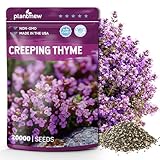
Tired of the endless cycle of mowing, fertilizing, and watering a traditional grass lawn? Imagine a fragrant, low-maintenance alternative that thrives on neglect and adds beauty to your outdoor space. Creeping thyme offers precisely that, transforming your yard into a lush, aromatic haven. With its delicate foliage and tiny, colorful flowers, it creates a living carpet that’s both visually appealing and incredibly practical.
Planting a creeping thyme lawn is a rewarding project, offering numerous benefits over conventional grass. It’s drought-tolerant, requires minimal mowing, and can even withstand moderate foot traffic. This guide will walk you through every step of the process, from selecting the right thyme varieties to preparing your soil and providing ongoing care. Learn how to plant creeping thyme lawn and create a beautiful, sustainable, and enjoyable outdoor space.
Choosing the Right Creeping Thyme Variety
Before you begin, selecting the appropriate creeping thyme variety is crucial for success. Different varieties offer varying characteristics, including flower color, leaf texture, and growth habit. Consider your local climate, soil conditions, and desired aesthetic when making your selection. Some varieties are better suited for specific purposes, such as filling between stepping stones or creating a full lawn replacement.
Popular Creeping Thyme Varieties
Here are some popular creeping thyme varieties to consider:
- Thymus serpyllum (Wild Thyme): A classic choice, known for its fragrant leaves and abundance of tiny, purple flowers. It’s relatively hardy and adaptable to various conditions.
- Thymus praecox ‘Coccineus’ (Red Creeping Thyme): This variety boasts vibrant, magenta-red flowers and a dense, low-growing habit. It’s excellent for ground cover and tolerates moderate foot traffic.
- Thymus serpyllum ‘Elfin’: A miniature variety with a very low growth habit, perfect for filling cracks in paving stones or creating a delicate border. Its tiny leaves and pale pink flowers add a touch of elegance.
- Thymus citriodorus (Lemon Thyme): This variety offers a delightful lemon scent and flavor, making it a great choice for walkways and areas where you can enjoy its fragrance. It has a slightly more upright growth habit than other creeping thymes.
- Thymus ‘Doone Valley’: This variety has variegated leaves, adding visual interest with its gold and green foliage. It produces pale pink flowers and has a moderate growth rate.
Factors to Consider When Choosing
When making your selection, consider these factors:
- Climate: Some varieties are more cold-hardy than others. Research which varieties thrive in your USDA hardiness zone.
- Sunlight: Creeping thyme needs full sun (at least 6 hours of direct sunlight) to thrive. Choose a variety that’s suited to your garden’s sun exposure.
- Soil: Creeping thyme prefers well-draining soil. Some varieties tolerate dry, sandy soil better than others.
- Foot Traffic: If you plan to walk on your thyme lawn, choose a variety that’s more tolerant of foot traffic, such as ‘Coccineus.’
- Aesthetics: Consider the color and texture of the flowers and foliage to create the desired look for your lawn.
Preparing the Planting Site
Proper site preparation is essential for the successful establishment of your creeping thyme lawn. This involves clearing the area, improving the soil, and ensuring adequate drainage. Taking the time to prepare the soil correctly will significantly impact the long-term health and beauty of your thyme lawn.
Clearing the Area
Before you begin, remove any existing grass, weeds, rocks, and debris from the planting area. This can be done manually by digging or using a sod cutter. Be sure to remove all roots and rhizomes to prevent unwanted growth from competing with your creeping thyme. A weed-free start is crucial for minimizing maintenance later on.
Soil Preparation
Creeping thyme thrives in well-draining soil. Amend your soil with organic matter, such as compost or well-rotted manure, to improve drainage, fertility, and aeration. Incorporate the organic matter into the top 6-8 inches of soil using a garden fork or tiller. This will create a healthy environment for the thyme roots to establish.
Perform a soil test to determine the soil’s pH level and nutrient content. Creeping thyme prefers a slightly alkaline soil (pH 6.0-7.5). If your soil is too acidic, you can add lime to raise the pH. Adjusting the soil pH is critical for the plants to absorb nutrients. A soil test will also identify any nutrient deficiencies that need to be addressed before planting.
Ensuring Proper Drainage
Poor drainage is a common cause of failure for creeping thyme lawns. To ensure proper drainage, consider the following:
- Slope: The planting area should have a slight slope to allow water to drain away from the plants.
- Soil Compaction: Avoid compacting the soil during preparation. Use a garden fork or tiller to loosen the soil and improve drainage.
- Raised Beds: If your soil is poorly draining, consider planting your creeping thyme in raised beds to improve drainage and prevent root rot.
- Avoid Overwatering: Overwatering can lead to root rot. Water your creeping thyme only when the soil is dry to the touch.
Planting Creeping Thyme
There are a few methods for planting creeping thyme, including seeds, plugs, and sprigs. Each method has its advantages and disadvantages. Choosing the right method depends on your budget, time constraints, and desired outcome.
Planting From Seed
Planting creeping thyme from seed is the most economical option, but it requires patience. Start seeds indoors 6-8 weeks before the last expected frost, or sow them directly outdoors after the danger of frost has passed. Seeds are tiny, so it is important to sow them on the surface of the soil and gently press them in. Do not cover them with soil, as they need light to germinate.
Keep the soil consistently moist but not waterlogged until the seeds germinate. Germination can take 2-3 weeks. Thin the seedlings to about 6-12 inches apart once they are large enough to handle. Seed-grown thyme may take a season or two to fully establish and fill in.
Planting Plugs
Planting plugs (small, individual plants) is a more expensive but faster option. Plugs are readily available at nurseries and garden centers. Dig holes slightly larger than the plug’s root ball and space them 6-12 inches apart, depending on the variety and desired density. Gently remove the plug from its container and place it in the hole, ensuring the top of the root ball is level with the soil surface. (See Also: Expert Guide: How to Care for a Begonia Plant (thriving Tips))
Backfill the hole with soil, gently firming it around the roots. Water the plugs thoroughly after planting. Planting plugs is typically the most common and successful method for establishing a creeping thyme lawn.
Planting Sprigs/cuttings
This method involves taking cuttings from an existing creeping thyme plant and transplanting them. This is a cost-effective option if you have access to established thyme plants. Take cuttings in spring or early summer, ensuring each cutting has several nodes (where leaves grow). Remove the leaves from the bottom inch of the cutting and plant the cutting in a well-draining potting mix.
Keep the soil moist and provide bright, indirect light until the cuttings develop roots. Once rooted, transplant the sprigs into your prepared planting area, spacing them 6-12 inches apart. This method requires more care and patience than planting plugs, but it’s a great way to propagate your own thyme plants.
Planting Density and Spacing
The planting density depends on the chosen variety and your desired time frame for full coverage. As a general rule:
- For quick coverage, plant plugs or sprigs 6 inches apart.
- For a more gradual fill-in, space plugs or sprigs 12 inches apart.
- When starting from seed, thin seedlings to the desired spacing.
Caring for Your Creeping Thyme Lawn
Once your creeping thyme is planted, proper care is essential for its long-term health and beauty. This includes watering, fertilizing, weeding, and mowing. Regular maintenance will ensure your thyme lawn thrives for years to come.
Watering
Creeping thyme is drought-tolerant once established, but it still requires regular watering, especially during the first growing season. Water deeply but infrequently, allowing the soil to dry out between waterings. Avoid overwatering, as this can lead to root rot. Water in the morning to allow the foliage to dry before nightfall, reducing the risk of fungal diseases.
Established thyme lawns generally need watering only during prolonged dry spells. Monitor the soil moisture and adjust your watering schedule accordingly.
Fertilizing
Creeping thyme generally doesn’t require heavy fertilization. In fact, over-fertilizing can lead to excessive growth and a less compact appearance. Apply a balanced, slow-release fertilizer in early spring, following the manufacturer’s instructions. Avoid fertilizers high in nitrogen, as these can promote leafy growth at the expense of flowers.
You can also amend the soil with compost or well-rotted manure annually to provide nutrients and improve soil health.
Weeding
Weeding is crucial, especially during the establishment phase. Regularly remove any weeds that appear, as they can compete with your creeping thyme for resources. Hand-weeding is the most effective method, as it allows you to remove weeds without disturbing the thyme plants. Be diligent, as weeds can quickly take hold if left unchecked.
Consider using a pre-emergent herbicide before planting to prevent weed seeds from germinating. However, always follow the manufacturer’s instructions and choose a product that’s safe for creeping thyme.
Mowing
Creeping thyme requires minimal mowing compared to traditional grass lawns. You can mow your thyme lawn once or twice a year to encourage denser growth and a more uniform appearance. Mowing also helps to remove spent flowers and rejuvenate the plants. Set your mower to a high setting (2-3 inches) and avoid cutting too much at once.
Mowing is not always necessary, especially if you prefer a more natural, unkempt look. Some people choose not to mow their thyme lawns at all. (See Also: Planting Sunflowers: How Far Apart to Plant Them for Best Results)
Pest and Disease Control
Creeping thyme is relatively pest and disease-resistant. However, it can be susceptible to a few problems:
- Root Rot: Caused by overwatering or poorly draining soil. Ensure proper drainage and water sparingly.
- Aphids: Small, sap-sucking insects that can infest thyme plants. Control aphids with insecticidal soap or neem oil.
- Spider Mites: Tiny pests that can cause yellowing and stippling of the leaves. Control spider mites with insecticidal soap or neem oil.
Inspect your thyme lawn regularly for any signs of pests or diseases. Address problems promptly to prevent them from spreading.
Common Problems and Solutions
Even with proper care, you may encounter some challenges when growing a creeping thyme lawn. Here are some common problems and their solutions:
Yellowing Leaves
Yellowing leaves can be caused by several factors:
- Overwatering: Reduce watering frequency and ensure proper drainage.
- Underwatering: Water deeply when the soil is dry.
- Nutrient Deficiency: Apply a balanced fertilizer in early spring.
- Pest Infestation: Inspect for pests and treat accordingly.
Sparse Growth
Sparse growth can be caused by:
- Insufficient Sunlight: Ensure your thyme lawn receives at least 6 hours of direct sunlight.
- Poor Soil: Amend the soil with organic matter to improve drainage and fertility.
- Weed Competition: Remove weeds regularly.
- Improper Spacing: If planting from seed, thin seedlings to the appropriate spacing.
Poor Flowering
Poor flowering can be caused by:
- Excessive Nitrogen: Avoid fertilizers high in nitrogen.
- Insufficient Sunlight: Ensure your thyme lawn receives adequate sunlight.
- Over-Mowing: Avoid mowing too frequently or too low.
Foot Traffic Damage
If your thyme lawn is experiencing foot traffic damage, consider these solutions:
- Choose a traffic-tolerant variety: ‘Coccineus’ is a good choice.
- Limit foot traffic: Designate pathways or install stepping stones.
- Repair damaged areas: Replant plugs or sprigs in damaged areas.
Frequently Asked Questions About Creeping Thyme Lawns
Here are answers to some frequently asked questions about planting and maintaining creeping thyme lawns:
Q: How long does it take for a creeping thyme lawn to fill in?
A: The time it takes for a creeping thyme lawn to fill in depends on the planting method and the variety. Planting plugs typically results in faster coverage than planting from seed. Some varieties, like ‘Coccineus,’ are known for their rapid growth. With plugs spaced 6-12 inches apart, you can expect full coverage within a growing season or two.
Q: Can I walk on a creeping thyme lawn?
A: Yes, you can walk on a creeping thyme lawn, but the level of foot traffic it can withstand varies depending on the variety. Some varieties, like ‘Coccineus,’ are more tolerant of foot traffic than others. Limit foot traffic, particularly during the establishment phase, to allow the plants to become well-established.
Q: How much sun does creeping thyme need? (See Also: Learn How to Harvest Aloe Plant: A Complete Guide)
A: Creeping thyme needs full sun, which means at least 6 hours of direct sunlight per day. Insufficient sunlight can lead to sparse growth and poor flowering.
Q: How often should I water my creeping thyme lawn?
A: Water your creeping thyme lawn deeply but infrequently, allowing the soil to dry out between waterings. During the first growing season, you may need to water more frequently. Once established, creeping thyme is drought-tolerant and typically only needs watering during prolonged dry spells.
Q: Does creeping thyme attract bees?
A: Yes, creeping thyme flowers attract bees and other beneficial pollinators. This can be a benefit to your garden, as it helps to pollinate other plants and contributes to the overall health of your ecosystem.
Q: Can I grow creeping thyme in shade?
A: Creeping thyme thrives in full sun and does not tolerate shade well. If your planting area receives less than 6 hours of direct sunlight, creeping thyme may struggle to grow. Consider alternative ground covers for shady areas.
Q: Is creeping thyme deer resistant?
A: Creeping thyme is generally considered deer-resistant due to its strong fragrance and low-growing habit. However, deer behavior can vary depending on food availability in your area. While it’s not completely deer-proof, it’s less likely to be grazed upon than traditional grass.
Conclusion: Enjoying Your Fragrant Lawn
Planting a creeping thyme lawn is a rewarding experience that offers a beautiful, low-maintenance alternative to traditional grass. By carefully selecting the right variety, preparing your planting site, and providing proper care, you can create a thriving, fragrant ground cover. Embrace the beauty and practicality of a creeping thyme lawn. You’ll enjoy the subtle fragrance, the colorful blooms, and the satisfaction of a sustainable, eco-friendly landscape. Learn how to plant creeping thyme lawn and experience the delight of a unique and resilient garden feature.
Recommended Products