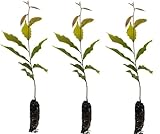
Imagine the aroma of roasted chestnuts filling your home, a taste of autumn’s bounty straight from your own backyard. Planting chestnut trees is a rewarding endeavor, offering not only delicious nuts but also stunning beauty and valuable timber. This guide will walk you through every step, ensuring you have the knowledge and confidence to cultivate these majestic trees.
From selecting the right variety to understanding the optimal planting techniques, we’ll cover everything you need to know. Whether you’re a seasoned gardener or a complete beginner, this comprehensive guide provides all the necessary information to successfully grow chestnut trees. Get ready to embark on a journey to a future filled with the delights of homegrown chestnuts.
Choosing the Right Chestnut Tree Variety
The first crucial step in learning how to plant chestnut trees is selecting the appropriate variety for your specific climate and needs. Different chestnut species and cultivars have varying characteristics, including cold hardiness, disease resistance, nut size, and flavor. Choosing wisely will significantly impact the success of your planting efforts.
American Chestnut (castanea Dentata)
The American chestnut was once a dominant tree in eastern North American forests. However, a devastating fungal disease called chestnut blight nearly wiped it out in the early 20th century. Efforts are ongoing to restore this iconic species through breeding programs focused on blight resistance. Growing American chestnuts is a commitment to conservation, but requires careful planning and potentially, ongoing disease management.
While the pure American chestnut is rare, blight-resistant hybrids are available. These hybrids often combine the desirable traits of the American chestnut with the disease resistance of other species. Consider these hybrid options if you are interested in growing an American chestnut.
European Chestnut (castanea Sativa)
The European chestnut is the most widely cultivated chestnut species globally. It is known for its large, flavorful nuts and its adaptability to a range of climates. European chestnuts thrive in regions with mild winters and warm summers. They are a good choice for those seeking a productive and commercially viable tree.
European chestnuts are generally self-sterile, meaning they need another chestnut tree nearby for pollination. Planting at least two trees of different cultivars is essential for nut production. Popular cultivars include ‘Marigoule’, ‘Bouche de Betizac’ and ‘Precoce Migoule’.
Chinese Chestnut (castanea Mollissima)
Chinese chestnuts are highly resistant to chestnut blight, making them a popular choice for home gardeners and orchards. They are relatively cold-hardy and produce sweet, flavorful nuts. Chinese chestnuts tend to be smaller than European chestnuts, making them suitable for smaller properties. This species is often recommended for beginners due to its resilience.
Chinese chestnuts are generally self-fertile, although cross-pollination with another Chinese chestnut cultivar can improve nut production. ‘Orrin’ and ‘Grafted Chinese’ are popular varieties.
Japanese Chestnut (castanea Crenata)
Japanese chestnuts are another blight-resistant species, known for their early nut production and relatively small size. They are well-suited to warmer climates and produce medium-sized nuts. Japanese chestnuts are often used as rootstock for grafting other chestnut varieties.
Japanese chestnuts tend to have a slightly different flavor profile than European or Chinese chestnuts. They are often used in ornamental settings and for nut production. Choose cultivars like ‘Meiling’ and ‘Okubo’ for their quality.
Hybrid Chestnuts
Hybrid chestnuts combine the desirable traits of different species. These hybrids often offer a balance of disease resistance, cold hardiness, and nut quality. Research and select a hybrid that is suitable for your local climate and planting conditions. Several universities and nurseries have developed and offer hybrid varieties.
Hybrid varieties can vary significantly in their characteristics. Carefully review the parentage and traits of each hybrid before making your selection. ‘Colossal’ and ‘Somers’ are examples of popular hybrid cultivars.
Understanding Your Climate and Soil
Before you learn how to plant chestnut trees, you must assess your local environment. Chestnut trees have specific requirements for sunlight, temperature, and soil conditions. Understanding these factors is crucial for successful growth.
Sunlight Requirements
Chestnut trees need at least six hours of direct sunlight per day to thrive. The more sunlight they receive, the better they will grow and produce nuts. Choose a planting location that is free from shade from buildings, other trees, or structures.
Consider the sun’s path throughout the year when selecting a planting site. The south-facing side of a slope is often ideal, as it receives maximum sunlight. Avoid planting in areas that are heavily shaded, as this will hinder growth and nut production.
Temperature and Hardiness Zones
Chestnut trees have varying cold hardiness depending on the species and cultivar. Research the hardiness zone of your area and select a variety that is suitable. The USDA Plant Hardiness Zone Map provides a valuable guide to the average minimum winter temperatures in your region.
European chestnuts generally thrive in USDA zones 5-9, while Chinese chestnuts are often hardy to zone 4. American chestnuts and their hybrids have varying hardiness depending on their parentage. Protect young trees from extreme cold during their first few winters.
Soil Requirements
Chestnut trees prefer well-drained, slightly acidic soil with a pH between 5.5 and 6.5. They do not tolerate waterlogged soil, which can lead to root rot. Perform a soil test before planting to determine the pH and nutrient levels.
Amend the soil with organic matter, such as compost or well-rotted manure, to improve drainage and fertility. Avoid planting in heavy clay soils without proper drainage. Consider raised beds or mounds if drainage is a concern. (See Also: Learn How to Plant a Bell Pepper Seed: A Gardener’s Guide)
Preparing the Planting Site
Proper site preparation is essential for healthy chestnut tree growth. This involves clearing the area, amending the soil, and ensuring proper drainage. Taking the time to prepare the site will pay dividends in the long run.
Clearing the Area
Remove any existing vegetation, such as grass, weeds, and shrubs, from the planting area. This will reduce competition for water and nutrients. Clear an area at least 10 feet in diameter around each tree, and even wider if possible.
Remove any rocks, debris, or other obstacles that could hinder root growth. Consider using a weed barrier, such as landscape fabric, to suppress weeds and conserve moisture. Ensure the barrier allows for proper air circulation.
Soil Amendment and Drainage
Amend the soil with organic matter to improve drainage, aeration, and fertility. Add compost, well-rotted manure, or other organic materials to the planting hole. This will provide essential nutrients and improve the soil structure.
If your soil is poorly drained, consider creating a raised planting bed or mound. This will help to elevate the roots and improve drainage. Ensure the planting site has good drainage to prevent root rot.
Testing the Soil Ph
Test the soil pH before planting to determine if it is within the optimal range for chestnut trees (5.5-6.5). You can purchase a soil testing kit from a garden center or send a sample to a soil testing laboratory.
If the soil pH is too high, you can lower it by adding sulfur or other acidifying agents. If the pH is too low, you can raise it by adding lime. Adjust the pH levels according to the soil test results.
Planting Chestnut Tree Seedlings
Planting chestnut tree seedlings correctly is crucial for their survival and long-term health. Follow these steps carefully to ensure a successful planting.
Timing
The best time to plant chestnut trees is in the early spring, after the last frost, or in the fall, before the ground freezes. This allows the roots to establish before the stress of summer heat or winter cold. Avoid planting during periods of drought or extreme weather.
If planting in the spring, wait until the soil is workable and the danger of frost has passed. If planting in the fall, plant at least six weeks before the first expected frost. This will give the roots time to settle.
Digging the Hole
Dig a hole that is twice as wide as the root ball of the seedling and just as deep. This will provide ample space for the roots to spread and grow. Loosen the soil at the bottom and sides of the hole to encourage root penetration.
Be careful not to plant the tree too deep. The top of the root ball should be level with, or slightly above, the surrounding soil surface. This will prevent the trunk from rotting.
Planting the Seedling
Gently remove the seedling from its container. Carefully loosen any circling roots, which can restrict growth. Place the root ball in the planting hole, ensuring the top of the root ball is level with the soil surface.
Backfill the hole with the amended soil, gently tamping it down to remove air pockets. Water the seedling thoroughly after planting to settle the soil and provide moisture. Mulch around the base of the tree to retain moisture and suppress weeds.
Spacing
Space chestnut trees according to their mature size and the cultivar. Allow adequate space for air circulation and sunlight penetration. This will help to reduce the risk of disease and promote good growth.
Generally, space European chestnuts 30-40 feet apart, Chinese chestnuts 20-30 feet apart, and American chestnuts 40-50 feet apart. Consider the mature size of the tree when planning your planting layout.
Caring for Your Chestnut Trees
Once your chestnut trees are planted, ongoing care is essential for their health and productivity. This involves watering, fertilizing, pruning, and protecting them from pests and diseases.
Watering
Water newly planted chestnut trees regularly, especially during dry periods. Water deeply, allowing the water to soak into the soil. Avoid frequent, shallow watering, which can encourage shallow root growth.
Established chestnut trees are relatively drought-tolerant, but they still benefit from supplemental watering during prolonged dry spells. Water at the base of the tree, avoiding wetting the foliage, which can promote fungal diseases. (See Also: Easy Guide: How to Regrow a Snake Plant Successfully)
Fertilizing
Fertilize chestnut trees annually in the early spring, before new growth begins. Use a balanced fertilizer specifically formulated for trees. Follow the manufacturer’s instructions for application rates.
Avoid over-fertilizing, which can damage the roots. Conduct a soil test to determine the nutrient needs of your trees. Consider using organic fertilizers, such as compost or well-rotted manure, to improve soil health.
Pruning
Prune chestnut trees annually to remove dead, damaged, or crossing branches. This will improve air circulation and sunlight penetration, which helps to prevent disease and promotes nut production.
Prune during the dormant season (late winter or early spring) to minimize stress on the tree. Remove any suckers that grow from the base of the tree. Thin out the canopy to allow for better air flow.
Mulching
Apply a layer of mulch around the base of the tree to retain moisture, suppress weeds, and regulate soil temperature. Use organic mulch, such as wood chips, bark, or straw. Keep the mulch away from the trunk to prevent rot.
Replenish the mulch annually to maintain a 2-4 inch layer. Avoid using fresh wood chips, as they can deplete nitrogen from the soil. Mulching is a simple yet effective way to improve tree health.
Protecting From Pests and Diseases
Chestnut trees can be susceptible to various pests and diseases. Monitor your trees regularly for signs of infestation or infection. Take preventative measures to protect your trees.
Common pests include chestnut weevils, leaf miners, and scale insects. Common diseases include chestnut blight, root rot, and canker. Use appropriate insecticides or fungicides to control pests and diseases. Consult with a local arborist for assistance.
Pollination
Many chestnut varieties require cross-pollination to produce nuts. Plant at least two different cultivars of the same species to ensure proper pollination. Consider the bloom times of the varieties you select, ensuring they overlap.
Bees and other pollinators are essential for chestnut pollination. Avoid using insecticides that could harm pollinators. Provide a diverse habitat to attract pollinators to your orchard.
Harvesting and Storing Chestnuts
Reaching the harvest stage is a satisfying culmination of your efforts. Knowing how and when to harvest and store your chestnuts properly ensures you can enjoy their bounty throughout the season.
Harvesting Time
Chestnuts are typically harvested in the fall, from late September to November, depending on the variety and climate. The nuts are mature when the burrs (the spiky outer shells) open and the nuts begin to fall from the tree.
Collect the nuts promptly after they fall to prevent them from being eaten by wildlife or becoming damaged. Wear gloves when handling burrs, as they can be prickly.
Harvesting Methods
You can harvest chestnuts by hand, raking them from the ground, or using a nut-gathering tool. Hand-picking is suitable for small numbers of trees, while raking is more efficient for larger plantings.
Nut-gathering tools, such as rolling harvesters, can speed up the harvesting process. Collect the nuts regularly to prevent them from deteriorating. Remove any damaged or insect-infested nuts.
Storing Chestnuts
Proper storage is essential to maintain the quality of your harvested chestnuts. Store them in a cool, dark, and humid environment. Chestnuts can be stored in the refrigerator, freezer, or a root cellar.
Before storing, sort the chestnuts and discard any damaged or moldy ones. Place the nuts in a breathable container, such as a mesh bag or a perforated plastic bag. Refrigerate chestnuts for up to a few months.
Freezing Chestnuts
Freezing is an excellent way to preserve chestnuts for longer periods. Blanch the chestnuts for a few minutes before freezing to prevent them from becoming mushy.
Allow the chestnuts to cool completely before freezing. Place them in freezer bags or containers, removing as much air as possible. Frozen chestnuts can last for up to a year. (See Also: Too Much Water? How Does Too Much Water Affect Plant Growth?)
Using Chestnuts
Chestnuts can be used in a variety of culinary applications. Roast them, boil them, or use them in soups, stews, and desserts. Their unique flavor and texture make them a versatile ingredient.
Roast chestnuts in the oven or over an open fire. Boil them for a softer texture. Experiment with different recipes to discover your favorite ways to enjoy the harvest.
Troubleshooting Common Problems
Even with careful planning and execution, problems can arise when growing chestnut trees. Understanding and addressing these issues promptly can help you maintain healthy, productive trees.
Chestnut Blight
Chestnut blight is a serious fungal disease that can kill chestnut trees. Symptoms include orange cankers on the bark, wilting leaves, and dieback of branches. Prevention is key. Choose blight-resistant varieties and monitor your trees regularly.
Remove and destroy infected branches promptly. Apply fungicide treatments to protect healthy trees. Consult with a local arborist for guidance.
Pests
Various pests can damage chestnut trees. Chestnut weevils are a common pest. They lay their eggs inside the nuts, causing damage. Leaf miners and scale insects can also cause problems.
Monitor your trees for signs of pest infestations. Use insecticides or other control methods to manage pests. Consult with a local expert for advice.
Poor Nut Production
Poor nut production can be caused by various factors, including lack of pollination, inadequate sunlight, or nutrient deficiencies. Ensure you have planted compatible cultivars for cross-pollination.
Provide adequate sunlight and ensure the trees receive sufficient nutrients. Prune the trees to improve air circulation and sunlight penetration. Conduct a soil test to determine nutrient needs.
Frost Damage
Young chestnut trees are susceptible to frost damage. Protect young trees from late spring frosts by covering them with burlap or other protective materials. Choose cold-hardy varieties for your region.
Avoid planting in frost pockets. Mulch around the base of the trees to help regulate soil temperature. Be prepared to provide frost protection during vulnerable periods.
The Long-Term Rewards of Growing Chestnuts
Planting and nurturing chestnut trees is an investment that yields both immediate satisfaction and long-term rewards. The journey from planting a seedling to harvesting a bountiful crop is filled with learning, patience, and the joy of connection with nature.
Years of Delicious Harvests
Chestnut trees can produce nuts for decades, providing you with a consistent supply of delicious, nutritious food. Enjoy the fruits of your labor for years to come. The harvest season becomes a cherished tradition.
Experiment with different chestnut recipes and share your bounty with friends and family. The versatility of chestnuts in cooking offers endless possibilities. Enjoy the fruits of your labor.
Enhancing Your Landscape
Chestnut trees add beauty and value to your property. Their majestic form and lush foliage create a stunning landscape feature. The trees provide shade and attract wildlife.
Consider the aesthetic impact when planning your planting layout. Chestnut trees can be a focal point in your garden or orchard. The beauty of these trees will enhance your outdoor space.
Supporting Biodiversity
Planting chestnut trees can contribute to biodiversity and support local ecosystems. Chestnut trees provide habitat and food for wildlife. They can help to restore degraded landscapes.
Choose native chestnut species or cultivars that are well-suited to your region. Support conservation efforts to protect and restore chestnut populations. Planting chestnut trees is an act of environmental stewardship.
Conclusion
Learning how to plant chestnut trees is a rewarding experience. From selecting the right variety and preparing the soil to nurturing your trees and harvesting the delicious nuts, the process offers a fulfilling connection to nature. Armed with this knowledge, you are well-equipped to embark on your own chestnut-growing journey and enjoy the fruits of your labor for years to come.
Recommended Products