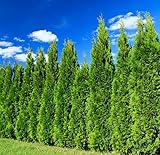
Dreaming of a lush, living wall that provides privacy and beauty? A beech hedge is an excellent choice, offering vibrant foliage, seasonal color changes, and a robust structure. Planting a beech hedge is a rewarding project that transforms your garden into a serene and secluded space. This guide provides comprehensive information on how to plant beech hedge successfully.
From selecting the right beech variety to preparing the soil and ongoing maintenance, we’ll cover every aspect of establishing a thriving beech hedge. We will delve into the details, ensuring you have the knowledge to create a stunning natural barrier. You will be able to enjoy the beauty and benefits of a beech hedge for years to come.
Choosing the Right Beech Variety
Before you begin, selecting the appropriate beech variety is the first crucial step. The common beech (Fagus sylvatica) is a popular choice, known for its dense foliage and ability to retain its leaves throughout winter, providing year-round privacy. Consider the characteristics of different beech varieties before making your decision.
Common Beech (fagus Sylvatica)
Common beech is a classic choice, offering a stately presence and excellent screening capabilities. It is a fast-growing tree that is relatively low maintenance once established. This variety is known for its smooth, gray bark and the ability to be pruned into a formal hedge.
Copper Beech (fagus Sylvatica ‘atropurpurea’)
Copper beech adds a touch of drama with its striking purple-bronze foliage. It provides a unique aesthetic to your garden and offers the same benefits as common beech in terms of privacy and structure. Copper beech is also a great choice if you want to add a unique aesthetic element.
Dawyck Beech (fagus Sylvatica ‘dawyck’)
Dawyck beech is a fastigiate variety, meaning it has an upright, columnar growth habit. This makes it ideal for smaller gardens or where space is limited. This variety is a great choice for a narrow hedge, and it still provides excellent privacy.
Factors to Consider When Choosing
- Climate: Beech trees thrive in temperate climates. Consider your local climate and choose a variety that is well-suited to your region.
- Sunlight: Beech trees prefer full sun to partial shade. Ensure the planting location receives adequate sunlight for optimal growth.
- Soil Conditions: Beech trees prefer well-drained soil. Amend heavy clay soils with organic matter to improve drainage.
- Desired Height and Width: Consider the mature size of the beech variety and the space available in your garden.
Planning and Preparation
Careful planning and preparation are essential for a successful beech hedge. This involves assessing the site, preparing the soil, and determining the spacing between plants. Failing to properly plan can lead to problems later on. Preparing the site correctly will ensure that your beech hedge thrives.
Site Assessment
Before planting, assess the chosen site. Consider the sunlight, soil conditions, and any existing structures or utilities. Ensure the area is free from obstructions and that the beech hedge will receive adequate sunlight. You should also consider the mature size of the hedge and whether it will fit comfortably in the designated space.
Soil Preparation
Beech trees prefer well-drained soil that is rich in organic matter. Improve the soil by incorporating compost, well-rotted manure, or other organic amendments. This will improve drainage, fertility, and overall soil health. Soil preparation is critical for root development and overall plant health.
Here’s a step-by-step guide to soil preparation: (See Also: Summer Coleus Care: How to Take Care of Coleus Plants)
- Clear the area: Remove any weeds, grass, rocks, or debris from the planting area.
- Test the soil: Conduct a soil test to determine the pH and nutrient levels. Amend the soil as needed based on the test results.
- Dig a trench: Dig a trench along the planting line that is wide enough to accommodate the root balls of the beech saplings.
- Incorporate organic matter: Mix compost, well-rotted manure, or other organic amendments into the soil at the bottom of the trench.
- Level the soil: Rake the soil to create a level surface.
Spacing and Planting Density
The spacing between beech plants depends on the desired density and the variety. Generally, plant beech saplings 18 to 24 inches apart for a dense hedge. Closer spacing results in a faster-growing, denser hedge, while wider spacing allows for more individual plant growth. Consider the long-term goal for the hedge when determining spacing.
Here is a table summarizing recommended spacing based on desired hedge density:
| Desired Hedge Density | Spacing Between Plants |
|---|---|
| Dense | 18-20 inches |
| Moderate | 20-24 inches |
| Less Dense | 24-30 inches |
Planting Your Beech Hedge
Once you have prepared the site and selected your beech saplings, it’s time to plant your hedge. Following the correct planting techniques ensures the plants establish well and thrive. Proper planting sets the foundation for a healthy and beautiful hedge.
Timing
The best time to plant a beech hedge is during the dormant season, typically in late autumn or early spring. This allows the roots to establish before the plant puts out new growth. Planting during dormancy minimizes stress on the plants. Avoid planting during periods of extreme heat or cold.
Planting Steps
Follow these steps to plant your beech hedge:
- Dig the planting holes: Dig holes that are slightly wider and deeper than the root balls of the saplings.
- Prepare the saplings: Gently remove the saplings from their containers. Loosen any circling roots.
- Position the saplings: Place the saplings in the holes, ensuring the top of the root ball is level with the ground.
- Backfill the holes: Fill the holes with the prepared soil, gently firming it around the roots.
- Water thoroughly: Water the newly planted saplings deeply to settle the soil and promote root growth.
- Mulch: Apply a layer of mulch around the base of the plants to retain moisture and suppress weeds.
Watering
Water newly planted beech saplings regularly, especially during dry periods. Water deeply, ensuring the soil is moist but not waterlogged. Consistent watering is crucial during the first growing season to establish a strong root system. Overwatering can be just as detrimental as under watering.
Mulching
Apply a layer of mulch, such as wood chips or shredded bark, around the base of the plants. Mulch helps retain moisture, suppress weeds, and regulate soil temperature. Keep the mulch away from the stems of the plants to prevent rot. Proper mulching significantly improves plant health.
Ongoing Care and Maintenance
Once your beech hedge is planted, ongoing care and maintenance are essential to ensure its health and beauty. This includes regular watering, pruning, and protection from pests and diseases. Proper maintenance ensures your hedge remains healthy and visually appealing for years to come.
Watering and Fertilizing
Continue to water the hedge regularly, especially during dry periods. Fertilize the hedge in early spring with a balanced fertilizer to promote healthy growth. Follow the manufacturer’s instructions for application rates. Consistent watering and fertilization are key to maintaining a vibrant hedge. (See Also: How to Plant Avocado in Pot: A Complete Guide)
Pruning
Prune your beech hedge annually to maintain its shape and density. Pruning is best done during the dormant season, typically in late winter or early spring. Remove any dead, damaged, or crossing branches. Pruning encourages new growth and helps maintain the desired shape. Regular pruning ensures a tidy and well-maintained hedge.
Here’s a general pruning guide:
- First Year: Lightly trim the sides to encourage branching.
- Second Year: Continue trimming the sides and begin shaping the top.
- Subsequent Years: Prune regularly to maintain the desired shape and size.
Pest and Disease Control
Beech hedges are generally resistant to pests and diseases, but they can occasionally be affected. Monitor the hedge regularly for any signs of infestation or disease. Address any problems promptly with appropriate treatments. Early detection and treatment can prevent serious damage.
Common pests and diseases include:
- Aphids: Small, sap-sucking insects that can cause distorted growth.
- Beech Scale: A scale insect that can weaken the tree.
- Canker: A fungal disease that causes lesions on the bark.
- Leaf Spot: Fungal diseases that cause spots on the leaves.
Protecting From Wildlife
Young beech hedges can be vulnerable to damage from wildlife, such as deer and rabbits. Protect the hedge with fencing or other barriers if necessary. Consider using deer repellent sprays. Protecting from wildlife ensures that the hedge can grow undisturbed.
Troubleshooting Common Problems
Even with careful planning and maintenance, you may encounter some common problems with your beech hedge. Understanding these issues and how to address them can help you keep your hedge healthy and thriving. Being prepared for potential issues will help you to address them quickly and effectively.
Yellowing Leaves
Yellowing leaves can be caused by various factors, including nutrient deficiencies, overwatering, or pest infestations. Identify the cause and address it accordingly. A soil test can help determine if there are any nutrient deficiencies. Proper watering and pest control can often resolve the issue.
Leaf Drop
Leaf drop can occur due to stress, drought, or disease. Ensure the hedge is receiving adequate water and is not affected by any diseases. Inspect the hedge for any signs of pest infestations. Address the underlying cause to prevent further leaf drop. Leaf drop can be a natural process, especially in the fall.
Slow Growth
Slow growth can be caused by poor soil conditions, insufficient sunlight, or inadequate watering. Amend the soil, ensure the hedge receives adequate sunlight, and water regularly. Fertilizing can also help stimulate growth. Addressing the underlying causes will help the hedge grow vigorously. (See Also: Easy Guide: How to Take Care of Money Plant in Water Bottle)
Pest Infestations
Pest infestations can weaken the hedge and cause damage. Identify the pest and treat it with an appropriate insecticide or other control method. Regular monitoring can help you detect infestations early. Early intervention can prevent serious damage.
Tips for a Thriving Beech Hedge
Here are some additional tips to help your beech hedge thrive:
- Choose the right location: Select a planting site that receives adequate sunlight and has well-drained soil.
- Prepare the soil properly: Amend the soil with organic matter to improve drainage and fertility.
- Water regularly: Water the hedge deeply, especially during dry periods.
- Prune annually: Prune the hedge annually to maintain its shape and density.
- Fertilize in spring: Fertilize the hedge in early spring with a balanced fertilizer.
- Monitor for pests and diseases: Regularly inspect the hedge for any signs of infestation or disease.
- Protect from wildlife: Protect young hedges from damage by wildlife.
- Be patient: Beech hedges can take several years to reach their full size and density.
Frequently Asked Questions (faq)
Here are some frequently asked questions about planting and maintaining a beech hedge:
How Long Does It Take for a Beech Hedge to Grow?
The growth rate of a beech hedge depends on the variety, soil conditions, and climate. Generally, beech hedges grow at a moderate rate, typically adding 12 to 24 inches per year. It can take several years for a beech hedge to reach its mature size and density.
How Often Should I Water My Beech Hedge?
Water your beech hedge regularly, especially during dry periods. Water deeply, ensuring the soil is moist but not waterlogged. The frequency of watering will depend on the weather conditions and the soil type. Check the soil moisture regularly to determine when to water.
How Do I Prune a Beech Hedge?
Prune your beech hedge annually to maintain its shape and density. Pruning is best done during the dormant season, typically in late winter or early spring. Remove any dead, damaged, or crossing branches. Shape the hedge by trimming the sides and top to the desired shape.
What Are the Common Pests and Diseases of Beech Hedges?
Common pests and diseases of beech hedges include aphids, beech scale, canker, and leaf spot. Monitor the hedge regularly for any signs of infestation or disease. Address any problems promptly with appropriate treatments.
How Do I Protect My Beech Hedge From Wildlife?
Protect young beech hedges from damage by wildlife, such as deer and rabbits, with fencing or other barriers. Consider using deer repellent sprays. Regular monitoring and preventative measures can protect your hedge from wildlife.
Conclusion
Planting a beech hedge is a rewarding endeavor that enhances your property’s beauty and privacy. By following the guidelines outlined in this comprehensive guide on *how to plant beech hedge*, you’ll be well-equipped to create a thriving living barrier. With careful planning, proper planting techniques, and consistent maintenance, your beech hedge will flourish, providing years of enjoyment and a stunning landscape feature. Embrace the process and relish the transformation!
Recommended Products