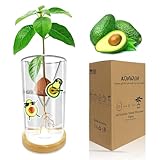
Dreaming of fresh, homegrown avocados? It’s a rewarding experience, and the journey starts with a simple seed! This comprehensive guide will walk you through the process of how to plant an avocado seed, from selecting the perfect fruit to nurturing your sapling into a thriving tree. Get ready to embark on a fulfilling gardening adventure that will bring the taste of sunshine to your table.
Growing an avocado tree from a seed takes patience, but the satisfaction is immeasurable. Imagine the joy of watching your own avocado tree flourish, eventually bearing fruit. This guide provides detailed instructions and helpful tips to increase your chances of success, ensuring you’re well-equipped to nurture your avocado seed into a vibrant plant.
Whether you’re a seasoned gardener or a complete beginner, this guide is designed to make the process accessible and enjoyable. We’ll cover everything from seed preparation to soil selection, watering techniques, and potential challenges. Let’s dive in and discover how to plant an avocado seed and unlock the secrets to growing your own delicious avocados.
Choosing the Right Avocado
The first step in learning how to plant an avocado seed is selecting the right avocado. Not all avocados are created equal when it comes to seed viability. The best avocados for this purpose are those that are ripe and healthy. This ensures the seed inside is also healthy and has the best chance of sprouting.
Look for avocados that are free from blemishes, bruises, or any signs of rot. The variety of avocado also matters. Hass avocados are popular and generally produce good seeds. However, any avocado seed can potentially grow into a tree, but the characteristics of the fruit might vary from the parent.
Identifying Ripe Avocados
Determining ripeness is key. A ripe avocado should yield gently to pressure when squeezed. If it feels hard, it’s not ripe yet. If it feels mushy, it’s overripe. A slightly soft feel indicates the perfect ripeness.
The color of the avocado can also indicate ripeness. For Hass avocados, the skin color changes from green to dark purple or black as it ripens. Other varieties might have different color changes. Consider the variety’s typical color changes as a key indicator of ripeness.
Extracting the Seed
Once you’ve chosen a ripe avocado, it’s time to extract the seed. Carefully cut the avocado lengthwise around the seed, avoiding cutting into it. Rotate the two halves of the avocado to separate them.
Gently remove the seed from one half. It should come out easily. If the seed is stuck, you can use a spoon to scoop it out. Be careful not to damage the seed during extraction.
Preparing the Avocado Seed for Sprouting
Before you can plant your avocado seed, it needs to be prepared for sprouting. This involves cleaning the seed and using one of two popular methods: the toothpick method or the soil method. Both methods aim to encourage root development.
This stage is critical to the process of how to plant an avocado seed. Understanding the preparation phase can significantly increase your chances of successful germination and ultimately, a healthy avocado tree.
Cleaning the Seed
After extracting the seed, thoroughly wash it with warm water to remove any remaining avocado flesh. Avocado flesh can attract mold and bacteria, which can hinder the sprouting process. Make sure the seed is completely clean.
Avoid using soap or harsh chemicals, as these can damage the seed. Gently rub the seed with your fingers to remove any lingering residue. A clean seed is a healthy seed.
The Toothpick Method
The toothpick method is a classic and visually engaging way to sprout an avocado seed. It involves suspending the seed in water, allowing the bottom half to be submerged and the top half exposed to air.
Here’s how to do it: Insert three or four toothpicks around the seed’s circumference, about halfway up. These toothpicks will act as supports, allowing the seed to rest on the rim of a glass or jar.
Place the seed in a glass or jar filled with water, ensuring that the bottom third of the seed is submerged. The top portion of the seed should remain above the water line. This allows the seed to breathe.
Place the jar in a warm location with indirect sunlight. Change the water every one to two days to prevent mold and bacteria growth. This keeps the water fresh, providing the optimal environment for germination.
The Soil Method
The soil method is another effective way to sprout an avocado seed. It involves planting the seed directly in soil, providing a more natural environment for root development. This method can sometimes be quicker than the toothpick method.
Here’s how to do it: Fill a small pot with well-draining potting mix. Make a hole in the center of the soil, about an inch deep. Gently insert the avocado seed into the hole, with the pointed end facing up. The rounded bottom end should be buried in the soil.
Gently cover the seed with soil, leaving the top half of the seed exposed. Water the soil thoroughly, ensuring it’s moist but not waterlogged. Place the pot in a warm location with indirect sunlight.
Planting the Sprouted Avocado Seed
Once your avocado seed has sprouted, it’s time to plant it in a pot. Whether you used the toothpick method or the soil method, you’ll need to transfer your sprouted seed to a pot filled with suitable soil.
Knowing how to plant an avocado seed correctly at this stage is crucial for the tree’s long-term health and growth. Proper planting ensures the roots have enough space to develop and the tree receives adequate nutrients. (See Also: Watering Baby Rubber Plant: How Often & Why?)
Choosing the Right Pot
Select a pot that is at least 10-12 inches in diameter and has drainage holes at the bottom. Avocado trees have extensive root systems, so a spacious pot is essential for healthy growth. Drainage holes prevent water from accumulating, which can lead to root rot.
Terracotta pots are a good choice because they allow for good air circulation and help prevent the soil from becoming waterlogged. Plastic pots are also suitable, but ensure they have adequate drainage.
Preparing the Soil
Use a well-draining potting mix that is rich in organic matter. A mixture of potting soil, compost, and perlite or vermiculite is ideal. This combination provides good drainage, aeration, and essential nutrients.
Avoid using heavy garden soil, as it can compact and hinder root growth. The soil should be slightly acidic, with a pH of around 6.0 to 6.5. This pH range is optimal for avocado tree growth.
Planting the Seedling
Carefully remove the sprouted seed from the water (if using the toothpick method) or gently remove the seedling from the pot it’s currently in (if using the soil method). Be careful not to damage the delicate roots.
Plant the sprouted seed in the prepared pot, ensuring that the top half of the seed is still exposed above the soil line. Gently backfill the pot with soil around the roots, taking care not to damage them.
Water the soil thoroughly after planting, allowing excess water to drain out of the drainage holes. This helps settle the soil around the roots and provides initial hydration. Place the pot in a location with bright, indirect sunlight.
Caring for Your Avocado Tree
Once your avocado seedling is planted, consistent care is essential for its survival and growth. This includes proper watering, fertilizing, and providing adequate sunlight. Regular care will help your avocado tree thrive and eventually produce fruit.
Understanding how to plant an avocado seed doesn’t end with planting; it’s an ongoing process of care and maintenance. The following tips will help you provide the best possible environment for your growing avocado tree.
Watering
Water your avocado tree regularly, especially during the growing season (spring and summer). The soil should be kept consistently moist, but not waterlogged. Overwatering can lead to root rot, which can be fatal.
Check the soil moisture by inserting your finger about an inch deep. If the soil feels dry, it’s time to water. Water deeply, until water drains out of the drainage holes. Reduce watering during the dormant season (fall and winter).
Sunlight
Avocado trees need at least 6-8 hours of sunlight per day. Place your avocado tree in a location that receives bright, indirect sunlight. Avoid direct, intense sunlight, especially during the hottest parts of the day, as it can scorch the leaves.
If you live in a location with limited sunlight, consider using grow lights to supplement the natural light. Rotate the pot periodically to ensure all sides of the tree receive adequate light exposure.
Fertilizing
Fertilize your avocado tree regularly during the growing season (spring and summer). Use a balanced fertilizer specifically formulated for avocado trees or citrus trees. Follow the instructions on the fertilizer label carefully.
Avoid over-fertilizing, as this can damage the tree. Fertilize every 2-4 weeks during the growing season. Reduce or stop fertilizing during the dormant season. Look for signs of nutrient deficiencies, such as yellowing leaves, and adjust your fertilizing schedule accordingly.
Pruning
Prune your avocado tree to maintain its shape, promote air circulation, and encourage fruit production. Prune in late winter or early spring, before new growth begins. Remove any dead, damaged, or diseased branches.
Thin out crowded branches to improve air circulation and sunlight penetration. Prune the top of the tree to control its height and encourage lateral growth. Pruning can also help stimulate fruit production.
Protecting From Pests and Diseases
Avocado trees can be susceptible to various pests and diseases. Common pests include spider mites, aphids, and scale insects. Common diseases include root rot and fungal infections.
Inspect your tree regularly for any signs of pests or diseases. Treat any infestations or infections promptly. Use insecticidal soap or horticultural oil to control pests. Ensure good air circulation and avoid overwatering to prevent fungal diseases.
Troubleshooting Common Problems
Even with the best care, your avocado tree might encounter some challenges. Understanding common problems and how to address them can help you keep your tree healthy and thriving. Patience and observation are key.
Knowing how to plant an avocado seed also means being prepared for potential issues. Being proactive will increase the likelihood of success and allow you to enjoy your homegrown avocados. (See Also: How to Plant Onions From Onions: A Beginner’s Guide)
Yellowing Leaves
Yellowing leaves can indicate several problems, including overwatering, underwatering, nutrient deficiencies, or pest infestations. Inspect the soil moisture, adjust your watering schedule, and check for any signs of pests.
If the yellowing is widespread, it could indicate a nutrient deficiency. Consider applying a balanced fertilizer. Ensure the tree receives adequate sunlight.
Brown Leaf Tips
Brown leaf tips are often a sign of underwatering, low humidity, or salt buildup in the soil. Increase your watering frequency, mist the leaves to increase humidity, and flush the soil periodically to remove excess salts.
Check for any signs of pest infestations, as they can also cause brown leaf tips. Ensure the tree is not exposed to drafts or extreme temperatures.
Slow Growth
Slow growth can be caused by various factors, including insufficient sunlight, nutrient deficiencies, or a root-bound condition. Ensure the tree receives adequate sunlight and fertilize regularly.
If the tree is root-bound, repot it into a larger pot. Prune the roots gently during repotting to encourage new growth. Check the soil pH to ensure it’s within the optimal range.
Lack of Fruit Production
Avocado trees can take several years to produce fruit, typically 3-7 years. Ensure your tree is receiving adequate sunlight, proper fertilization, and regular pruning.
Some avocado varieties require cross-pollination to produce fruit. Consider planting a second avocado tree of a different variety nearby to facilitate pollination. The tree might also be too young to bear fruit.
Transplanting Outdoors
Once your avocado tree has grown large enough and the weather conditions are suitable, you can consider transplanting it outdoors. This process requires careful planning and preparation to ensure the tree’s survival.
Understanding how to plant an avocado seed and nurture it indoors is just the beginning. The next step, transplanting outdoors, will give your tree the space it needs to mature and potentially produce fruit.
Choosing the Right Location
Select a location that receives at least 6-8 hours of sunlight per day and is protected from strong winds. Avocado trees are sensitive to frost, so choose a location that is sheltered from cold temperatures.
Ensure the soil is well-draining. Avocado trees do not tolerate waterlogged soil. Avoid planting in areas where water tends to pool. Consider the mature size of the tree when choosing a location, as avocado trees can grow quite large.
Preparing the Planting Hole
Dig a hole that is twice as wide as the root ball and just as deep. Amend the soil with compost or well-rotted manure to improve drainage and provide nutrients. This will help the tree get established in its new location.
Gently remove the avocado tree from its pot, being careful not to damage the roots. Loosen any circling roots. Place the tree in the hole, ensuring the top of the root ball is level with the surrounding ground.
Planting and Aftercare
Backfill the hole with the amended soil, gently tamping it down to remove air pockets. Water the tree thoroughly after planting, allowing excess water to drain out. Mulch around the base of the tree with organic material, such as wood chips or straw.
Provide regular watering, especially during the first year. Protect the young tree from frost during cold weather. Fertilize the tree regularly during the growing season. Monitor the tree for any signs of pests or diseases.
The Timeline of Growing an Avocado Tree From Seed
Growing an avocado tree from a seed is a patient process. The timeline can vary depending on various factors, including the avocado variety, growing conditions, and your care. Understanding the stages can help you manage your expectations and enjoy the journey.
Knowing how to plant an avocado seed also means understanding the time it takes to see results. Here’s a general timeline for the process:
Germination (2-8 Weeks)
The first stage is germination, which is the process of the seed sprouting and developing roots. This typically takes 2-8 weeks, depending on the method you choose and environmental conditions. The toothpick method often shows faster initial results.
Signs of germination include the seed splitting open and roots emerging. The emergence of a small shoot from the top of the seed is also a sign of germination.
Seedling Stage (several Months)
Once the seed has sprouted, it enters the seedling stage. During this stage, the seedling develops leaves and grows taller. This stage can last several months, depending on the growth rate and environmental conditions. (See Also: How to Plant a Bougainvillea: A Comprehensive Guide)
Provide consistent care during this time, including regular watering, fertilization, and adequate sunlight. The seedling will require a lot of energy to develop and grow.
Maturation (3-7 Years)
After the seedling stage, the avocado tree enters the maturation stage. This is when the tree grows larger and develops the ability to produce fruit. This stage can take 3-7 years, depending on the variety and growing conditions.
Pruning and regular care are crucial during this time to promote healthy growth and fruit production. Some varieties may require cross-pollination to bear fruit.
Fruiting (ongoing)
Once the tree matures, it can start producing fruit. The fruiting period can last for many years, providing you with a continuous supply of fresh avocados. The amount of fruit will increase as the tree matures and grows larger.
Continue to provide regular care, including watering, fertilizing, and pruning. Enjoy the fruits of your labor!
Frequently Asked Questions (faq)
Here are answers to some of the most common questions about growing avocado trees from seeds. This will give you a better understanding of the process.
Understanding how to plant an avocado seed also means having answers to common questions. This will help address any concerns you may have along the way.
Can I Grow an Avocado Tree From Any Avocado Seed?
Yes, you can potentially grow an avocado tree from any avocado seed. However, the characteristics of the fruit might not be the same as the parent avocado. The quality of the fruit may vary.
Some avocado varieties are better suited for growing from seed than others. Hass avocados are popular for their reliable fruit production. The seed’s viability is also a factor.
How Long Does It Take for an Avocado Seed to Sprout?
The time it takes for an avocado seed to sprout can vary, but it usually takes 2-8 weeks. The toothpick method may show faster results. The soil method might be slightly slower.
Environmental conditions, such as temperature and humidity, can also affect the sprouting time. Maintaining consistent moisture and warmth can speed up the process.
How Long Does It Take for an Avocado Tree to Produce Fruit?
Avocado trees typically take 3-7 years to produce fruit. This can vary depending on the variety, growing conditions, and care. Patience is key.
Some varieties may take longer to fruit than others. Providing optimal growing conditions and following proper care practices can promote earlier fruit production.
Do I Need to Cross-Pollinate My Avocado Tree?
Some avocado varieties require cross-pollination to produce fruit. This means you need to have a second avocado tree of a different variety nearby to facilitate pollination.
Other varieties are self-pollinating and can produce fruit without cross-pollination. Research the specific variety of your avocado tree to determine if cross-pollination is necessary.
Can I Grow an Avocado Tree Indoors?
Yes, you can grow an avocado tree indoors, but it may not produce fruit. Avocado trees need a lot of sunlight, so you may need to supplement with grow lights.
Indoor avocado trees can make beautiful houseplants. They may require regular pruning to control their size. Ensure the tree receives adequate care, including watering, fertilization, and sunlight.
Conclusion
Growing an avocado tree from seed is a rewarding experience. Knowing how to plant an avocado seed is the first step in this journey. With patience, consistent care, and a little bit of luck, you’ll be able to watch your avocado tree flourish and eventually enjoy the fruits of your labor. Embrace the process, and enjoy the journey.
Recommended Products