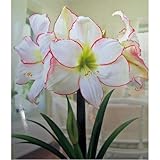
Are you captivated by the vibrant beauty of amaryllis? Do you dream of cultivating these stunning trumpet-shaped blooms in your own home? While the traditional method involves purchasing bulbs, a rewarding (and economical) alternative exists: growing amaryllis from seeds.
This guide will walk you through the fascinating process of how to plant amaryllis seeds, from understanding seed viability to nurturing seedlings into flowering plants. Discover the patience required, the joys of witnessing each stage of growth, and the satisfaction of producing your own spectacular amaryllis displays. Prepare to embark on a gardening adventure that will bring beauty and fulfillment for years to come.
Growing amaryllis from seeds offers a unique opportunity to experience the entire lifecycle of this beloved plant, allowing you to appreciate its beauty even more. Learn the secrets to success and get ready to enjoy a stunning array of colors and forms, as you cultivate your own amaryllis masterpieces.
Understanding Amaryllis Seeds and Their Viability
Before diving into the planting process, understanding amaryllis seeds and their viability is crucial for success. Amaryllis seeds are typically produced after successful pollination of the flowers. The seed pods develop, and when ripe, they burst open, releasing the seeds. However, not all seeds are created equal, and their ability to germinate (sprout and grow) depends on several factors.
Identifying Viable Amaryllis Seeds
Viable amaryllis seeds are usually black and flat, resembling small, papery discs. They should feel firm to the touch. Avoid seeds that appear shriveled, discolored (brown or gray), or damaged, as these are less likely to germinate. Freshly harvested seeds generally have the highest germination rate. Ideally, plant your amaryllis seeds as soon as possible after harvesting or purchasing them.
When purchasing seeds, consider the source. Reputable seed suppliers often provide information about the seeds’ freshness and viability. Checking for a ‘harvest date’ or ‘sell-by date’ can also offer insights. Be cautious about seeds that have been stored improperly, as extreme temperatures or humidity can reduce their viability.
Factors Affecting Seed Viability
Several factors can influence the viability of amaryllis seeds. The age of the seeds plays a significant role; older seeds tend to have lower germination rates. Proper storage is essential. Seeds should be stored in a cool, dry, and dark place to maintain their viability. Temperature fluctuations and exposure to moisture can damage the seeds. The pollination process itself influences seed quality; successful pollination ensures well-developed seeds.
The health of the parent plant also matters. A healthy amaryllis plant is more likely to produce viable seeds. Seed quality can vary depending on the amaryllis variety. Some varieties naturally produce more viable seeds than others. Understanding these factors will significantly improve your chances of successful amaryllis seed germination.
How to Collect Amaryllis Seeds
Collecting amaryllis seeds is an exciting process, allowing you to propagate your favorite varieties. First, pollinate the amaryllis flowers. Use a small paintbrush or cotton swab to transfer pollen from the anthers (male parts) to the stigma (female part) of the flower. This needs to be done when the flower is fully open.
Once pollinated, the ovary at the base of the flower will begin to swell, forming a seed pod. The seed pod will mature over several weeks, gradually turning from green to brown and drying out. Be patient, as this process can take several weeks to a couple of months, depending on the conditions. As the seed pod matures, it will begin to split open. You can gently harvest the seeds directly from the pod when it is ready. Handle the seeds carefully to avoid damaging them.
Preparing for Planting: Essential Supplies and Timing
Proper preparation is key to successfully planting amaryllis seeds. Gathering the right supplies and selecting the optimal planting time will significantly increase your chances of success. Let’s delve into the specifics.
Essential Supplies
Here’s a list of essential supplies you’ll need for planting amaryllis seeds:
- Amaryllis Seeds: Of course! Ensure they are viable.
- Seed Starting Mix: A well-draining, sterile seed starting mix is crucial. Avoid using garden soil, as it may contain pathogens.
- Seed Trays or Small Pots: Choose trays or pots with drainage holes to prevent waterlogging.
- Watering Can or Spray Bottle: For gentle watering.
- Clear Plastic Wrap or Dome: To create a humid environment.
- Labels and a Pen: For marking the variety and planting date.
- Optional: Fungicide (to prevent fungal diseases).
Choosing the Right Seed Starting Mix
The seed starting mix should be lightweight, well-draining, and sterile. A mixture of peat moss, perlite, and vermiculite is a good choice. This combination provides good aeration, drainage, and moisture retention. The sterile nature of the mix helps prevent fungal diseases that can harm young seedlings. Avoid using regular potting soil, as it can be too dense and may harbor diseases.
You can also create your own seed starting mix. A combination of equal parts peat moss, perlite, and vermiculite is effective. Alternatively, you can purchase pre-mixed seed starting mixes from garden centers or online retailers. Make sure to moisten the mix before planting the seeds. (See Also: How to Plant Okra Step by Step: A Beginner’s Guide)
Optimal Planting Time
The best time to plant amaryllis seeds is in late winter or early spring. This timing allows the seedlings to benefit from the longer days and warmer temperatures of spring and summer, promoting vigorous growth. However, you can plant them indoors at any time of year, provided you can provide the seedlings with adequate light and warmth. Planting seeds in late winter or early spring typically aligns with the natural growing cycle of amaryllis.
If starting seeds indoors, consider using a grow light to supplement natural light, especially during the shorter days of winter. This will help prevent the seedlings from becoming leggy. Ensure the room temperature is consistently warm, around 70-75°F (21-24°C), to promote germination and growth. Avoid planting seeds outdoors unless your climate is consistently warm.
How to Prepare Seed Trays or Pots
Fill your seed trays or small pots with the moistened seed starting mix, leaving about half an inch of space at the top. Gently tap the tray or pot to settle the mix and eliminate any air pockets. Ensure the drainage holes at the bottom of the tray or pot are clear. This prevents waterlogging, which can be detrimental to the seedlings. For best results, use new seed trays or pots that are clean.
If you’re using seed trays, you can sow multiple seeds in each tray, spacing them about an inch apart. If using individual pots, plant one seed per pot. Moisten the soil surface with a spray bottle or watering can before planting the seeds. This prepares the soil for the seeds and helps ensure they have adequate moisture for germination.
The Planting Process: A Step-by-Step Guide
Now that you have your supplies and have prepared your planting area, it’s time to plant those amaryllis seeds. Follow these steps for successful germination.
Sowing the Seeds
Gently place the amaryllis seeds on the surface of the moistened seed starting mix. Do not bury the seeds too deeply; a depth of about a quarter to half an inch is sufficient. Space the seeds about an inch apart if using a seed tray. If you are using individual pots, plant one seed per pot. Gently press the seeds into the soil surface to ensure good contact.
After sowing the seeds, lightly cover them with a thin layer of the seed starting mix. Gently mist the soil surface with water to moisten the top layer. Avoid overwatering, as this can lead to seed rot. Label each tray or pot with the amaryllis variety and the planting date. Accurate labeling helps you track the progress of the seedlings.
Creating a Humid Environment
To create a humid environment, cover the seed trays or pots with clear plastic wrap or a humidity dome. This will help retain moisture and promote germination. Ensure the plastic wrap or dome does not touch the soil surface. This can be achieved by using small stakes or toothpicks to prop it up. The humidity will help the seeds germinate.
Place the seed trays or pots in a warm location with indirect sunlight. Avoid direct sunlight, which can overheat and dry out the seeds. Check the soil moisture regularly and mist the soil surface with water if it starts to dry out. Maintain a consistent temperature of around 70-75°F (21-24°C) for optimal germination.
Watering and Light Requirements
Water the seeds gently and consistently to keep the soil moist but not waterlogged. Use a spray bottle or watering can with a fine rose to avoid disturbing the seeds. Avoid overwatering, which can lead to fungal diseases and seed rot. Check the soil moisture daily and water when the top layer starts to dry out. Remember, the soil should be consistently moist, but not soggy.
Once the seeds have germinated, remove the plastic wrap or humidity dome. Provide the seedlings with bright, indirect light. Direct sunlight can scorch the delicate leaves. A south-facing window is often ideal, but a west- or east-facing window can also work well. Supplement with grow lights if natural light is insufficient. The seedlings need adequate light for strong growth.
Monitoring for Germination
Germination time for amaryllis seeds can vary, typically taking 2-8 weeks, depending on the conditions and the specific variety. Be patient and monitor the seeds regularly. Look for tiny green sprouts emerging from the soil. Once the seedlings emerge, you’ll know that germination has been successful.
Once the seedlings have emerged, gradually acclimate them to the drier air by removing the plastic wrap or dome for increasing periods each day. Continue to monitor the soil moisture and adjust your watering schedule as needed. Be patient, and don’t be discouraged if some seeds don’t germinate. Amaryllis seeds can have varying germination rates. If the seeds fail to germinate after a reasonable time, it may be due to factors such as seed age, storage conditions, or environmental conditions. (See Also: Mastering: How to Care for a Fig Plant – a Complete Guide)
Caring for Amaryllis Seedlings: Nurturing Growth
Once your amaryllis seeds have germinated, the real work begins: caring for the seedlings. Providing the right conditions will ensure that your seedlings grow into healthy, strong plants.
Watering and Fertilizing
Water your amaryllis seedlings regularly, keeping the soil consistently moist but not waterlogged. Water when the top inch of soil feels dry to the touch. Avoid overwatering, as this can lead to root rot. Use a balanced liquid fertilizer diluted to half strength every 2-4 weeks during the growing season (spring and summer). Fertilizing supports healthy growth.
Reduce watering and fertilizing during the dormant period (fall and winter). Overwatering or over-fertilizing can be harmful to young seedlings. Monitor the seedlings for any signs of overwatering, such as yellowing leaves or a musty odor. Adjust your watering and fertilizing schedule accordingly. When fertilizing, always follow the manufacturer’s instructions for the specific fertilizer you are using.
Light and Temperature Requirements
Amaryllis seedlings need bright, indirect light. Place them near a sunny window, but protect them from direct sunlight, which can scorch the leaves. Rotate the pots regularly to ensure even growth. Supplement with grow lights if natural light is insufficient, especially during the winter months. Maintaining the correct light levels is essential for healthy growth.
Keep the seedlings in a warm environment, ideally between 65-75°F (18-24°C). Avoid exposing them to cold drafts or extreme temperature fluctuations. Consistent temperatures are critical for healthy growth. Monitor the temperature regularly and adjust the location of the seedlings if necessary. Provide adequate ventilation to prevent fungal diseases.
Repotting Amaryllis Seedlings
As the seedlings grow, they will eventually outgrow their small pots or seed trays. Repot them into larger pots when they become crowded or when their roots fill the existing pots. Choose pots that are slightly larger than the current pots, with good drainage. Use a well-draining potting mix. The new pots should have drainage holes to prevent waterlogging.
Gently remove the seedlings from their current pots, being careful not to damage the roots. Carefully transplant the seedlings into the new pots, ensuring that the top of the bulb is slightly above the soil surface. Water the newly repotted seedlings thoroughly. Repotting allows the seedlings to develop a strong root system. Repotting is typically done in the spring or early summer.
Pest and Disease Control
Amaryllis seedlings can be susceptible to pests and diseases. Inspect the seedlings regularly for any signs of infestation, such as aphids, mealybugs, or spider mites. If you notice any pests, treat them promptly with insecticidal soap or neem oil. Prevention is key. Good air circulation and proper watering practices can help prevent fungal diseases.
Monitor the seedlings for any signs of disease, such as leaf spots or mold. If you see any signs of disease, remove the affected leaves and treat the plant with a fungicide, if necessary. Prevention is crucial. Avoid overcrowding the seedlings, as this can increase the risk of disease. Regularly inspect the seedlings for any signs of pests or diseases.
The Waiting Game: Patience and Long-Term Care
Growing amaryllis from seeds is a long-term commitment. It can take several years for seedlings to mature and produce their first blooms. Patience is essential. However, the rewards are well worth the wait.
The Time to Bloom
It typically takes amaryllis seedlings 2-5 years to reach maturity and produce their first flowers. The exact time frame depends on various factors, including the amaryllis variety, growing conditions, and care. Be patient. The most common cause of failure is impatience. Some varieties may bloom sooner than others, while some may take longer. Proper care and consistent attention will help speed up the process.
During the first couple of years, the seedlings will focus on developing their bulbs and root systems. You may not see any flowers during this time. As the bulbs mature, they will store energy and nutrients, eventually leading to flower production. The larger the bulb, the more likely the plant is to produce flowers. As the bulbs mature, they will store energy and nutrients, eventually leading to flower production.
Dormancy and Winter Care
Amaryllis plants have a dormant period, typically during the fall and winter months. During dormancy, the leaves will gradually die back. Reduce watering and stop fertilizing during this period. Allow the soil to dry out between waterings. This allows the plant to conserve energy and prepare for the next growing season. (See Also: How to Repot Chinese Money Plant: A Comprehensive Guide)
Store the dormant bulbs in a cool, dark place, such as a basement or garage, with temperatures around 50-55°F (10-13°C). In late winter or early spring, you can resume watering and fertilizing and move the plant to a warmer location with bright light. This will encourage the bulb to begin growing again and produce flowers. Proper dormancy care is crucial for flowering.
Encouraging Blooms
Once your amaryllis seedlings are mature, there are several things you can do to encourage them to bloom. Provide them with adequate light. Amaryllis plants need bright, indirect light to bloom. Avoid exposing them to direct sunlight, which can scorch the leaves. Rotate the pots regularly to ensure even growth.
Ensure the bulbs are large enough. The larger the bulb, the more likely it is to produce flowers. Provide them with a cool, dry rest period during the winter months. This dormancy period is essential for flowering. Fertilize the plants regularly with a balanced fertilizer during the growing season. The right care helps to stimulate the plant into flowering.
Troubleshooting Common Problems
Even with the best care, you may encounter some problems while growing amaryllis from seeds. Here are some common issues and how to address them:
- Failure to Germinate: This can be due to old seeds, improper storage, or unfavorable environmental conditions. Ensure the seeds are fresh, stored properly, and the soil temperature is warm enough.
- Leggy Seedlings: This is often caused by insufficient light. Move the seedlings to a brighter location or supplement with grow lights.
- Yellowing Leaves: This can be caused by overwatering, underwatering, or nutrient deficiencies. Adjust your watering and fertilizing schedule accordingly.
- Pests and Diseases: Inspect the seedlings regularly for pests and diseases. Treat infestations promptly with insecticidal soap or neem oil. Remove any diseased leaves.
By addressing these problems promptly, you can keep your amaryllis seedlings healthy and thriving.
Enjoying the Fruits of Your Labor: Celebrating Your Blooms
Once your amaryllis plants finally bloom, you’ll be rewarded with a spectacular display of color and beauty. Take the time to enjoy the fruits of your labor and appreciate the journey. Growing amaryllis from seeds is a rewarding experience.
Appreciating the Variety
One of the most exciting aspects of growing amaryllis from seeds is the potential for variety. You may get flowers that are different from the parent plant. The flowers can vary in color, shape, and size. This adds an element of surprise and excitement to the process. Enjoy the unique characteristics of each bloom.
Consider cross-pollinating your amaryllis plants to create new varieties. This is a fascinating hobby for experienced growers. Each seed will carry a unique genetic combination. The resulting flowers may surprise you with their colors and patterns. Cross-pollination can be a rewarding way to experiment and create new hybrids.
Sharing Your Success
Share your success with others. Give away some of your amaryllis seedlings or bulbs to friends and family. This allows you to spread the joy of these beautiful plants. Sharing your knowledge and experience with other gardeners can be very rewarding. Encourage others to try growing amaryllis from seeds. Share your experiences with other gardeners.
Participate in local garden clubs or plant societies. This is a great way to meet other gardening enthusiasts and learn from their experiences. Display your amaryllis blooms at local flower shows. This is a great way to showcase your hard work. Sharing your plants and knowledge with others can be very rewarding.
Conclusion
Growing amaryllis from seeds is a rewarding experience that requires patience, dedication, and knowledge. By understanding the process of how to plant amaryllis seeds, from seed selection to nurturing seedlings, you can cultivate these stunning flowers in your home. Remember that the journey itself is as fulfilling as the blooms. Embrace the challenges and enjoy the beauty of your amaryllis plants. With proper care and attention, you can enjoy the vibrant colors of amaryllis for many years to come.
Recommended Products