Imagine a tranquil pond, its surface adorned with the exquisite beauty of water lilies. Their elegant pads and vibrant blooms create a stunning visual spectacle, transforming any water feature into a captivating oasis. If you’ve ever dreamed of cultivating these aquatic jewels, you’re in the right place. This comprehensive guide will walk you through every step of the process, from selecting the perfect water lily variety to ensuring its long-term health and vitality.
Planting water lilies might seem daunting, but with the right knowledge and a little bit of effort, you can successfully grow these stunning plants. We’ll explore the essential requirements for healthy growth, including sunlight, water depth, and soil composition. You’ll learn the best planting techniques, how to choose the right pot, and how to protect your water lilies from potential challenges. Get ready to dive in and discover the secrets to cultivating these aquatic beauties!
Choosing the Right Water Lily Variety
Before you even think about planting, selecting the right water lily variety is crucial. Different types thrive in varying conditions, so consider your pond’s size, sunlight exposure, and desired aesthetic. Water lilies are broadly categorized into hardy and tropical varieties. Understanding the differences will help you make an informed decision.
Hardy Water Lilies
Hardy water lilies are known for their resilience and ability to withstand cold winters. They typically go dormant during the colder months, returning with vigor in the spring. These varieties are ideal for ponds in regions with distinct seasons. They are generally easier to care for than tropical varieties, making them a great choice for beginners. They come in a wide range of colors, including white, yellow, pink, red, and peach.
- Pros: Cold-hardy, relatively low maintenance, wide variety of colors.
- Cons: Bloom season is shorter than tropicals, some varieties may require more sunlight.
Tropical Water Lilies
Tropical water lilies offer a longer bloom season and often boast more vibrant colors and larger flowers than their hardy counterparts. They are best suited for warmer climates or for those who can provide winter protection, such as bringing them indoors. Some tropical varieties also have night-blooming flowers, adding an extra layer of interest to your pond. These lilies come in striking colors and often have variegated foliage.
- Pros: Extended bloom season, vibrant colors, some night-blooming varieties.
- Cons: Not cold-hardy, requires more care, may need winter protection.
Considering Your Pond’s Characteristics
Beyond the hardy/tropical distinction, assess your pond’s specific characteristics. Consider the size, depth, and sunlight exposure. Smaller ponds may be better suited for dwarf varieties, while larger ponds can accommodate more expansive lilies. Ensure your pond receives at least six hours of direct sunlight daily for optimal flowering. Research specific varieties to confirm their suitability for your climate and pond conditions.
Essential Materials and Tools
Once you’ve chosen your water lily, gather the necessary materials and tools. Having everything prepared beforehand will streamline the planting process and ensure your water lilies thrive. This list covers the essentials you’ll need.
Potting Baskets
Specialized planting baskets are essential for containing the soil and preventing it from clouding the water. Choose baskets made of durable, non-toxic materials, such as plastic or woven mesh. The size of the basket should correspond to the size of your water lily and its expected growth. Consider using a basket with a handle for easier planting and maintenance.
Aquatic Soil
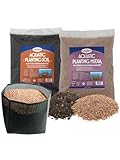
Avoid using regular potting soil, which contains organic matter that can decompose and pollute the water. Instead, opt for aquatic soil, also known as pond soil or aquatic compost. This soil is specifically formulated for aquatic plants and is heavy enough to sink and stay in place. Avoid soil that has added fertilizers, as these can promote algae growth.
Gravel or Small Stones
Gravel or small stones are used to weigh down the soil and prevent it from floating out of the basket. They also provide a stable base for the water lily. Choose a gravel size that won’t wash away easily but is also small enough to allow the water lily’s roots to establish themselves. Washed pea gravel is a popular and effective choice.
Water Lily Fertilizer (optional)
While not strictly necessary, water lily fertilizer tablets or spikes can provide an extra boost of nutrients, especially during the growing season. Use a fertilizer specifically designed for aquatic plants. Follow the manufacturer’s instructions carefully to avoid over-fertilizing, which can harm your water lilies and promote algae growth. Consider slow-release fertilizer for a consistent supply of nutrients.
Gloves
Wearing gloves protects your hands from dirt and potential irritants. Choose waterproof gloves for the best protection. This is especially important when handling aquatic soil and fertilizer.
Trowel or Small Shovel
A trowel or small shovel will help you scoop and distribute the soil in the planting basket. Choose a tool that fits comfortably in your hand and is easy to maneuver within the basket. A trowel with a rounded tip is ideal for this task.
Watering Can or Hose
You’ll need a watering can or hose to saturate the soil after planting. Use water from your pond or dechlorinated tap water. Avoid using water directly from the tap if it contains high levels of chlorine or chloramine, as these can be harmful to aquatic plants. (See Also: Learn How to Plant a Bamboo Plant: A Step-by-Step Guide)
Optional: Planting Gloves
While not mandatory, planting gloves can further protect your hands and make the process cleaner. Choose gloves that fit well and allow for dexterity.
Planting Your Water Lily: Step-by-Step Guide
With your materials gathered, it’s time to plant your water lily. Follow these steps for a successful planting experience.
Preparing the Planting Basket
Begin by placing a layer of aquatic soil at the bottom of the planting basket. The depth of this layer will depend on the size of your water lily’s root system. Aim for a depth that allows the roots to spread comfortably. The soil should be damp but not soggy.
Next, add a layer of gravel or small stones over the soil. This layer helps to anchor the soil and prevent it from washing away. The gravel should cover the soil completely. Ensure the gravel is evenly distributed.
Positioning the Water Lily Rhizome
Carefully remove the water lily from its original container. Examine the rhizome (the thick, horizontal stem) and identify the growing points. These are the areas where new leaves and flowers will emerge. Position the rhizome horizontally in the planting basket, with the growing points facing upwards.
Gently spread the roots out within the basket. Ensure the rhizome is partially buried in the soil, leaving the growing points exposed. The crown of the plant (where the leaves emerge) should be just above the soil surface.
Adding More Soil and Gravel
Carefully add more aquatic soil around the rhizome and roots, filling the remaining space in the basket. Gently pack the soil to ensure the water lily is secure. Do not pack the soil too tightly, as this can restrict root growth. Leave a few inches of space at the top of the basket to prevent soil from spilling out.
Cover the surface of the soil with another layer of gravel or small stones. This final layer helps to further anchor the soil and prevent it from clouding the water. The gravel should cover the soil completely.
Lowering the Basket Into the Pond
Gently lower the planting basket into your pond. The depth at which you place the water lily will depend on the variety and its mature size. Consult the plant’s label or care instructions for the recommended planting depth. Start with a shallower depth and gradually lower the basket as the plant grows.
Place the basket in a location that receives at least six hours of sunlight per day. Avoid placing the water lily directly under a fountain or waterfall, as the strong water current can damage the leaves and flowers.
Watering and Aftercare
Water the newly planted water lily with pond water or dechlorinated tap water. This helps to settle the soil and provides moisture for the roots. Monitor the water level in your pond and add water as needed. Provide regular fertilization during the growing season.
Common Problems and Solutions
Even with careful planting, you may encounter some challenges. Here are some common problems and their solutions.
Yellowing Leaves
Yellowing leaves can indicate several issues. Insufficient sunlight is a common cause. Ensure your water lily receives at least six hours of direct sunlight per day. Nutrient deficiencies can also cause yellowing. Consider using a water lily fertilizer to provide essential nutrients. Overwatering or underwatering can also lead to yellowing leaves. Make sure the water level is appropriate for the plant’s needs. (See Also: Unlocking Beauty: How to Care for a Tulip Plant)
Lack of Blooms
If your water lily isn’t blooming, insufficient sunlight is a likely culprit. Ensure your plant receives adequate sunlight. Nutrient deficiencies can also hinder flowering. Fertilize your water lily regularly during the growing season. Overcrowding can stress the plant and reduce flowering. If your water lily is overcrowded, consider dividing it. Water temperature is also a factor, so make sure your pond water is warm enough for the lily to thrive.
Algae Growth
Algae growth is a common problem in ponds. Excessive sunlight and nutrient-rich water promote algae growth. Reduce sunlight exposure by providing shade or planting floating plants. Remove excess nutrients by performing regular water changes. Use an algae control product specifically designed for ponds if needed. The use of a pond vacuum can also help.
Pests and Diseases
Water lilies are generally resistant to pests and diseases, but they can be affected by aphids, snails, and leaf-eating insects. Inspect your plants regularly for signs of infestation. Remove pests manually or use an appropriate insecticidal soap or biological control. Diseases are less common, but if you suspect a disease, consult a specialist for diagnosis and treatment.
Ongoing Care and Maintenance
Once your water lily is established, regular care and maintenance will ensure its continued health and beauty. This includes pruning, fertilizing, and winterizing.
Pruning
Regular pruning is essential for maintaining the appearance of your water lily and promoting new growth. Remove any yellowing, damaged, or dead leaves promptly. This helps to prevent disease and encourages the plant to focus its energy on producing healthy leaves and flowers. Also, remove spent flower stems to encourage new blooms.
Prune the leaves and stems back to the base, just above the water level. Use sharp scissors or pruning shears for a clean cut. Dispose of the pruned plant material properly, away from the pond.
Fertilizing
Fertilizing your water lily during the growing season provides essential nutrients for healthy growth and abundant blooms. Use a slow-release fertilizer specifically designed for aquatic plants. Follow the manufacturer’s instructions carefully to avoid over-fertilizing.
Fertilize your water lily every few weeks during the growing season. Place fertilizer tablets or spikes near the roots. Monitor the plant’s growth and adjust the fertilization schedule as needed. Avoid fertilizing during the dormant season.
Winterizing
The winterizing process depends on your water lily variety and your climate. Hardy water lilies can typically overwinter in the pond. Tropical water lilies, however, require special care. For hardy varieties, you can simply allow the plant to go dormant in the pond.
For tropical varieties, you have several options. You can bring the entire plant indoors and place it in a container with water. You can also dig up the rhizome and store it in a cool, dark place. Another option is to overwinter the plant in a greenhouse or sunroom. If you live in a warm climate, you might not need to winterize your tropical lilies.
Troubleshooting Common Issues
Even with diligent care, issues can arise. Here’s a troubleshooting guide for common problems.
My Water Lily Isn’t Blooming. What’s Wrong?
Lack of blooms is often due to insufficient sunlight. Ensure your water lily receives at least six hours of direct sunlight. Nutrient deficiencies can also be a factor. Fertilize your plant regularly during the growing season. Overcrowding can also reduce flowering. If your water lily is overcrowded, consider dividing it. Finally, ensure your water temperature is adequate.
The Leaves Are Turning Yellow. What Should I Do?
Yellowing leaves can indicate a few problems. Insufficient sunlight is a common cause. Ensure your water lily receives adequate sunlight. Nutrient deficiencies can also be to blame, so fertilize if needed. Overwatering or underwatering can also lead to yellowing leaves; adjust watering accordingly. (See Also: Strawberry Planting Guide: How Far Apart Should You Plant Strawberry Plants?)
I Have Too Much Algae in My Pond. How Do I Fix It?
Algae thrives in sunlight and nutrient-rich environments. Reduce sunlight exposure by providing shade or planting floating plants. Remove excess nutrients by performing regular water changes. If the problem persists, consider using an algae control product specifically designed for ponds. A pond vacuum can also help.
My Water Lily Has Pests. What Should I Do?
Inspect your water lilies regularly for pests. Remove pests manually or use an insecticidal soap or biological control. Diseases are less common, but if you suspect a disease, consult a specialist. It is best to catch these issues early.
Advanced Techniques for Water Lily Enthusiasts
For the dedicated water lily enthusiast, there are advanced techniques to explore. These techniques can enhance your understanding and enjoyment of these aquatic beauties.
Propagation
Propagating water lilies allows you to expand your collection and share your plants with others. The most common method of propagation is division. This involves separating the rhizome into smaller pieces, each with its own growing points and roots. The best time to divide water lilies is in the spring, when they are actively growing. Carefully dig up the plant, separate the rhizomes, and replant them in individual pots.
Another method is seed propagation. This is a more challenging method, as water lily seeds can be difficult to germinate. Collect seeds from mature flowers and sow them in aquatic soil. Keep the soil consistently moist and warm, and provide plenty of sunlight. Seed propagation can be a rewarding experience for those who enjoy experimentation.
Hybridization
Hybridization is the art of creating new water lily varieties by cross-pollinating different plants. This requires careful planning and a good understanding of water lily genetics. Choose two different varieties with desirable traits, such as color, size, and bloom time. Pollinate the flowers by transferring pollen from one plant to the stigma of another. If successful, you’ll obtain seeds that can be used to grow new hybrid plants.
Hybridization is a fascinating but complex process. It requires patience, skill, and a deep understanding of water lilies. It is a rewarding experience for those who are passionate about these aquatic plants.
Creating a Water Lily Display
Creating a stunning water lily display involves careful planning and design. Consider the size and shape of your pond. Choose a variety of water lilies with different colors, sizes, and bloom times. Plant the lilies in a way that complements each other and creates a visually appealing arrangement. Consider adding other aquatic plants, such as marginal plants and floating plants, to enhance the display.
Use different depths and planting locations to create a diverse and interesting arrangement. Ensure your display receives adequate sunlight and is protected from strong winds. A well-designed water lily display can transform your pond into a true work of art. Think about the color and shape of the lily, and how it will interact with the surrounding plants.
Conclusion
Planting a water lily is a rewarding experience that brings a touch of elegance to your outdoor space. By following these steps and understanding the needs of your chosen variety, you can create a thriving aquatic garden. Remember to choose the right variety for your pond, provide ample sunlight, and maintain your plants with regular care. With patience and dedication, you’ll enjoy the beauty of these stunning flowers for years to come. Remember to address any issues promptly, and don’t be afraid to learn more about the specifics of your water lily!
Recommended Products