Dreaming of fresh herbs, vibrant vegetables, or a colorful collection of flowers but lacking space? Don’t let a small yard or balcony deter you! Planting a small garden is an achievable and rewarding endeavor, even for those with limited gardening experience. It’s a fantastic way to connect with nature, enjoy fresh produce, and add beauty to your living space.
This comprehensive guide will walk you through every step of how to plant a small garden, from planning and preparing the soil to choosing the right plants and maintaining your thriving mini-ecosystem. We’ll cover essential techniques, common pitfalls, and helpful tips to ensure your gardening success. Get ready to transform your small space into a flourishing oasis!
Whether you’re a complete novice or have some gardening experience, this guide is designed to empower you with the knowledge and confidence to create and cultivate a beautiful and productive small garden. Let’s get started!
Planning Your Small Garden: Laying the Foundation for Success
Before you even think about getting your hands dirty, the most crucial step in how to plant a small garden is careful planning. This initial phase sets the stage for a healthy and productive garden. Consider your space, sunlight, and what you hope to grow. A well-thought-out plan will save you time, effort, and potential disappointment down the line.
Assessing Your Space
The first step is evaluating the available space. Measure the area you intend to use for your garden. This includes the length and width of the space, whether it’s a balcony, patio, or a small patch of land. Consider any existing structures, such as fences, walls, or trees, and how they might affect sunlight and water drainage. Note any areas that are consistently shaded or receive direct sunlight throughout the day.
Think about the overall design. Do you prefer a formal, structured look, or a more relaxed, natural style? Consider the pathways you’ll need to access your plants for watering, weeding, and harvesting. A well-designed garden incorporates both aesthetics and functionality.
Understanding Sunlight Requirements
Sunlight is the lifeblood of any garden. Most vegetables and flowering plants need at least six hours of direct sunlight per day to thrive. However, some plants, like leafy greens and certain herbs, can tolerate partial shade (3-6 hours of sunlight). Observing your space throughout the day to determine how much sunlight different areas receive is crucial.
Use a compass or a sunlight tracking app to determine the direction of the sunlight. Note the locations of shadows cast by buildings, trees, or fences. This information will help you choose plants that are well-suited to the amount of sunlight your garden receives. Remember, the amount of sunlight changes throughout the year, so consider the seasonal variations.
Choosing the Right Plants
Selecting the right plants is paramount to a successful small garden. Consider your climate, the amount of sunlight your garden receives, and your personal preferences. Start with plants that are known to thrive in your region and that you enjoy eating or looking at. Consider the mature size of the plants to ensure they fit within your space.
Think about what you want to grow. Do you prefer vegetables, herbs, flowers, or a mix of all three? Some popular choices for small gardens include tomatoes, peppers, lettuce, spinach, basil, mint, and compact varieties of flowers like petunias and pansies. Research the specific needs of each plant, including sunlight, water, and soil requirements.
- Vegetables: Consider dwarf varieties of tomatoes, bush beans, compact peppers, and leafy greens.
- Herbs: Basil, mint, chives, parsley, and rosemary thrive in small spaces.
- Flowers: Petunias, pansies, marigolds, and dwarf varieties of zinnias are excellent choices.
Consider succession planting. This involves planting a new crop of plants after the previous one has been harvested. This maximizes your garden’s productivity and ensures a continuous supply of fresh produce.
Soil Testing and Preparation
Healthy soil is the foundation of a thriving garden. Before planting, it’s essential to assess the quality of your soil. A soil test will reveal the pH level and nutrient content of your soil. This information will help you determine what amendments, such as compost or fertilizer, are needed to improve the soil’s fertility.
You can purchase a soil testing kit online or at a local garden center. Alternatively, you can send a soil sample to a professional soil testing laboratory. Once you have the results, you can amend your soil as needed. Good soil drainage is critical for preventing root rot and ensuring healthy plant growth.
Preparing the Soil: The Heart of Your Garden
Proper soil preparation is essential for creating a healthy and productive garden. The soil provides the nutrients, water, and support that plants need to thrive. Neglecting this step can lead to poor plant growth, disease, and disappointing yields. Investing time and effort in preparing the soil is one of the most important aspects of how to plant a small garden.
Amending Your Soil
Most soils benefit from amendments, which improve their structure, drainage, and nutrient content. Compost is one of the best soil amendments. It adds organic matter, improves water retention, and provides essential nutrients. Other beneficial amendments include well-rotted manure, peat moss, and vermicompost (worm castings).
Before planting, mix the amendments into the top 6-12 inches of soil. This can be done using a garden fork or a tiller. The amount of amendment you need will depend on your soil type and the specific needs of your plants. Aim for a soil that is loose, well-draining, and rich in organic matter. Work the soil until it’s easily workable. (See Also: How to Plant Grapefruit Seeds: A Comprehensive Guide)
Raised Beds and Containers
If your soil is poor, compacted, or poorly drained, or if you are gardening on a balcony or patio, consider using raised beds or containers. Raised beds offer several advantages, including improved drainage, easier access for gardening, and the ability to control the soil composition. They also warm up faster in the spring, which can extend your growing season.
Containers are a great option for small spaces, balconies, and patios. They come in various sizes and materials, allowing you to create a personalized garden. Choose containers with drainage holes to prevent waterlogging. Use a high-quality potting mix specifically formulated for container gardening. The potting mix should be lightweight, well-draining, and provide adequate nutrients for your plants.
Choosing the Right Tools
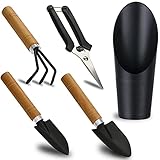
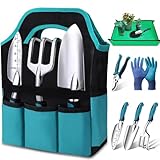
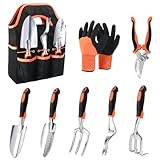
Having the right tools makes gardening easier and more enjoyable. Essential tools for a small garden include a trowel, hand rake, hand fork, watering can or hose with a spray nozzle, and gardening gloves. Other helpful tools include a soil scoop, a measuring tape, and a kneeling pad or stool.
Invest in quality tools that are durable and comfortable to use. Consider the ergonomics of the tools, especially if you have any physical limitations. Store your tools in a dry and accessible location. Clean and maintain your tools regularly to extend their lifespan and ensure they function properly. Keep these tools organized in a shed or a designated area to avoid clutter.
Planting Your Small Garden: Bringing Your Vision to Life
Once you’ve planned, prepared your soil, and gathered your tools, it’s time to start planting. This is the most exciting part of how to plant a small garden, where your vision begins to take shape. Following the correct planting techniques ensures your plants get off to a good start and thrive throughout the growing season.
Starting Seeds vs. Buying Transplants
You have two main options for planting: starting seeds or buying transplants. Starting seeds allows you to choose from a wider variety of plants and can be more cost-effective. However, it requires more time and effort. Transplants are seedlings that have already been started, which saves you time and allows you to get a head start on the growing season.
If you choose to start seeds, you’ll need a seed starting mix, seed trays or pots, and a sunny location or grow lights. Follow the instructions on the seed packet for planting depth and spacing. Once the seedlings have developed a few sets of true leaves, they can be transplanted into your garden. If you opt for transplants, choose healthy plants with strong stems and vibrant foliage.
Planting Techniques
Proper planting techniques are essential for successful plant establishment. Dig a hole that is slightly larger than the root ball of the transplant. Gently remove the plant from its container and loosen any circling roots. Place the plant in the hole, ensuring the top of the root ball is level with the soil surface.
Backfill the hole with soil, gently firming it around the roots. Water the plant thoroughly after planting. Space plants according to the instructions on the seed packet or plant label. Overcrowding can lead to poor air circulation, increased risk of disease, and reduced yields. Consider the mature size of the plants to ensure they have enough space to grow.
Spacing and Arrangement
Proper spacing is crucial for plant health and productivity. Overcrowding can lead to competition for resources, increased risk of disease, and reduced yields. Under-spacing can result in wasted space and reduced productivity. Follow the spacing recommendations on the seed packet or plant label. Consider the mature size of the plants when planning your garden layout.
Arranging your plants strategically can also improve aesthetics and functionality. Group plants with similar water and sunlight requirements together. Consider the height and spread of the plants when arranging them. Taller plants can be placed in the back, while shorter plants can be placed in the front. Use vertical gardening techniques to maximize space.
Caring for Your Small Garden: Nurturing Growth and Harvest
Once your plants are in the ground, the work doesn’t stop. Regular care and maintenance are essential for ensuring your small garden thrives and produces a bountiful harvest. Consistent watering, weeding, fertilizing, and pest control are key to keeping your plants healthy and productive. Learning how to plant a small garden correctly also involves knowing how to care for it.
Watering Wisely
Watering is one of the most important aspects of garden care. The frequency and amount of watering will depend on the weather, the type of plants you are growing, and the soil type. Generally, plants need about 1 inch of water per week, either from rain or irrigation. Water deeply and less frequently, rather than shallowly and often, to encourage deep root growth.
Water in the morning to allow the foliage to dry before nightfall, which helps prevent fungal diseases. Use a watering can, a hose with a spray nozzle, or a soaker hose to water your plants. Avoid overhead watering, which can spread diseases. Check the soil moisture regularly by sticking your finger into the soil. If the top inch of soil is dry, it’s time to water.
Weeding and Mulching
Weeds compete with your plants for water, nutrients, and sunlight. Regular weeding is essential to keep your garden healthy and productive. Weed frequently, preferably when the weeds are small and easy to pull. Use a hoe, a hand weeder, or your hands to remove weeds. Mulching is a great way to suppress weeds, retain moisture, and regulate soil temperature. (See Also: Zz Plant Watering: How Often Should I Water My Zz Plant?)
Apply a layer of organic mulch, such as straw, wood chips, or shredded leaves, around your plants. The mulch should be several inches thick. Avoid piling mulch directly against the stems of your plants. Mulch also helps improve soil health as it decomposes. Consider using landscape fabric under the mulch for additional weed control, especially if you have persistent weed problems.
Fertilizing Your Plants
Fertilizing provides your plants with the nutrients they need to grow and produce. The type and frequency of fertilization will depend on the plants you are growing and the soil conditions. Conduct a soil test to determine if your soil needs additional nutrients. Use a balanced fertilizer that contains nitrogen, phosphorus, and potassium.
Follow the instructions on the fertilizer package carefully. Over-fertilizing can damage your plants. Organic fertilizers, such as compost tea, fish emulsion, and kelp meal, are a good choice. Apply fertilizer during the growing season, typically every few weeks. Observe your plants for signs of nutrient deficiencies, such as yellowing leaves or stunted growth, and adjust your fertilization accordingly.
Pest and Disease Control
Pests and diseases can wreak havoc on your garden. Regular monitoring and preventative measures are essential for keeping your plants healthy. Inspect your plants regularly for signs of pests or diseases, such as holes in leaves, discolored foliage, or unusual growth patterns.
Remove any infected plants or plant parts immediately. Practice good garden hygiene, such as removing fallen leaves and debris, which can harbor pests and diseases. Use organic pest control methods, such as insecticidal soap, neem oil, or beneficial insects, to control pests. Rotate your crops each year to reduce the risk of soil-borne diseases. Ensure good air circulation around your plants to help prevent fungal diseases.
Harvesting and Enjoying Your Harvest
Harvesting is the most rewarding part of gardening. It’s the culmination of all your hard work and the opportunity to enjoy the fruits (or vegetables, herbs, and flowers) of your labor. Knowing when and how to harvest your crops ensures the best flavor, texture, and yield. Learning how to plant a small garden also means knowing when to harvest.
Harvesting Vegetables and Herbs
The best time to harvest vegetables and herbs is when they are at their peak maturity. This means they have reached their full size, color, and flavor. For vegetables, this typically means the fruit or vegetable is firm, brightly colored, and has reached its expected size. For herbs, harvest leaves before the plant flowers, as the flavor is most potent at this stage.
Harvest vegetables and herbs regularly to encourage continued production. Use sharp scissors or a knife to cut vegetables and herbs. Handle your harvest with care to avoid bruising. Harvest in the morning, when the plants are at their freshest. Some vegetables, like tomatoes, can be picked when they are slightly underripe and allowed to ripen indoors. Other vegetables, like zucchini, should be harvested when they are young and tender.
Harvesting Flowers
Harvesting flowers is a great way to enjoy their beauty indoors and encourage continued blooming. The best time to harvest flowers is in the morning, when the petals are fully hydrated. Use sharp scissors or a knife to cut the stems, leaving as much stem length as possible. Remove any leaves below the water line to prevent bacterial growth.
Place the cut flowers in a vase with fresh water and flower food. Change the water and flower food regularly to prolong their lifespan. Deadhead spent flowers to encourage new blooms. Enjoying the beauty and fragrance of your home-grown flowers indoors is a reward for your gardening efforts. Consider creating bouquets or floral arrangements to share with friends and family.
Preserving Your Harvest
Preserving your harvest allows you to enjoy the fruits of your labor long after the growing season is over. There are several methods for preserving your harvest, including freezing, canning, drying, and pickling. The best method for preserving your harvest will depend on the type of produce and your personal preferences.
Freezing is a simple and effective method for preserving many vegetables and fruits. Canning is a good option for preserving tomatoes, fruits, and other high-acid foods. Drying is a great way to preserve herbs, fruits, and vegetables. Pickling is a popular method for preserving cucumbers, peppers, and other vegetables. Research the appropriate preservation method for each type of produce. Always follow safe food preservation guidelines to prevent foodborne illnesses.
Troubleshooting Common Problems in a Small Garden
Even with the best planning and care, problems can arise in your small garden. Pests, diseases, and environmental factors can all impact your plants’ health and productivity. Knowing how to identify and address these problems is essential for maintaining a thriving garden. Anticipating and responding to these issues is a key part of how to plant a small garden.
Pest Infestations
Pests are a common problem in gardens. Aphids, spider mites, slugs, and snails can all damage your plants. Inspect your plants regularly for signs of pests, such as holes in leaves, discolored foliage, or webs. Identify the pest before taking action. Different pests require different control methods.
Use organic pest control methods, such as insecticidal soap, neem oil, or beneficial insects, to control pests. Remove any infected plants or plant parts immediately. Encourage beneficial insects, such as ladybugs and lacewings, which prey on common garden pests. Physical barriers, such as row covers, can also help to prevent pest infestations. (See Also: Planting Marijuana Seeds After Germination: A Step-by-Step Guide)
Disease Issues
Diseases can also affect your plants. Fungal diseases, such as powdery mildew and blight, are common in gardens. Viral diseases can also occur. Inspect your plants regularly for signs of disease, such as spots on leaves, wilting, or unusual growth patterns. Identify the disease before taking action.
Remove any infected plants or plant parts immediately. Provide good air circulation to help prevent fungal diseases. Avoid overhead watering, which can spread diseases. Use disease-resistant varieties of plants. Apply organic fungicides, such as copper-based sprays, to control fungal diseases. Practice crop rotation to reduce the risk of soil-borne diseases.
Environmental Challenges
Environmental challenges, such as extreme temperatures, drought, and heavy rainfall, can also impact your garden. Protect your plants from extreme temperatures by providing shade or using row covers. Water your plants regularly during periods of drought. Ensure good drainage to prevent waterlogging during periods of heavy rainfall.
Consider using a rain barrel to collect rainwater for watering your plants. Mulch your plants to help retain moisture and regulate soil temperature. Choose plants that are well-suited to your climate. Monitor the weather forecast and take appropriate action to protect your plants from adverse conditions.
Addressing Nutrient Deficiencies
Nutrient deficiencies can also affect your plants. Yellowing leaves, stunted growth, and other symptoms can indicate a nutrient deficiency. Conduct a soil test to determine if your soil is lacking any essential nutrients. Amend your soil with appropriate fertilizers or organic matter to address nutrient deficiencies.
Observe your plants for signs of nutrient deficiencies and adjust your fertilization accordingly. Use a balanced fertilizer that contains nitrogen, phosphorus, and potassium. Apply fertilizer during the growing season, typically every few weeks. Consider using organic fertilizers, such as compost tea, fish emulsion, and kelp meal. Consider foliar feeding to quickly address nutrient deficiencies.
Maximizing Your Small Garden Space
Even a small garden can be incredibly productive if you use space-saving techniques. Vertical gardening, companion planting, and succession planting are all excellent strategies for maximizing your yields. Learning how to plant a small garden involves understanding how to utilize the space effectively.
Vertical Gardening
Vertical gardening is a great way to maximize space in a small garden. Use trellises, arbors, or other structures to grow vining plants, such as cucumbers, beans, and tomatoes. This frees up valuable ground space and allows you to grow more plants in a smaller area. Vertical gardening also improves air circulation and reduces the risk of pests and diseases.
Consider using hanging baskets for herbs and flowers. Train vining plants along fences or walls. Build a vertical garden using pallets or other repurposed materials. Vertical gardening is not only space-saving but also adds visual interest to your garden. Ensure the structures are sturdy enough to support the weight of the plants.
Companion Planting
Companion planting involves planting different types of plants together that benefit each other. Some plants help to repel pests, attract beneficial insects, or improve soil conditions. For example, planting basil near tomatoes can help to repel tomato hornworms. Planting marigolds near vegetables can help to repel nematodes.
Research companion planting combinations to find the best pairings for your garden. Consider the sunlight, water, and nutrient requirements of each plant when planning your companion planting scheme. Companion planting can improve plant health, reduce pest problems, and increase yields. Experiment with different combinations to see what works best in your garden.
Succession Planting and Crop Rotation
Succession planting involves planting new crops of plants after the previous ones have been harvested. This maximizes your garden’s productivity and ensures a continuous supply of fresh produce. Crop rotation involves rotating the types of plants you grow in each bed each year. This helps to prevent soil-borne diseases and deplete the soil of certain nutrients.
Plan your succession planting schedule in advance. Plant fast-growing crops, such as radishes and lettuce, between slower-growing crops. Rotate your crops each year to reduce the risk of soil-borne diseases. Consider the nutrient needs of each plant and rotate crops accordingly. Succession planting and crop rotation are essential for maximizing the productivity and health of your small garden.
Conclusion: Cultivating Your Small Garden Oasis
Learning how to plant a small garden is a rewarding journey, offering fresh produce, beautiful blooms, and a connection to nature. By carefully planning, preparing your soil, choosing the right plants, and providing consistent care, you can create a thriving garden in even the smallest space. Embrace the process, learn from your experiences, and enjoy the fruits of your labor. The joy of a home garden awaits!
Recommended Products