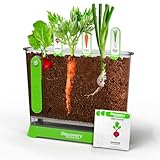
Want to spark your child’s curiosity and get them excited about nature? Planting a seed is a fantastic hands-on activity that teaches kids about the wonders of growth and responsibility. It’s a simple process that yields amazing results, making it perfect for little ones.
This guide will show you exactly how to plant a seed for kids, making it a fun and educational experience. We’ll cover everything from choosing the right seeds to caring for your growing plant. Get ready to watch your child’s face light up as they witness the magic of nature!
Get ready to get your hands dirty and have some fun. This is a great way to spend time with your children and teach them about the importance of nature and sustainability. Let’s get started on this exciting journey of growth and discovery!
Choosing the Right Seed
The first step in planting a seed for kids is picking the right one! Not all seeds are created equal, and some are much easier to grow than others, especially for young gardeners. Consider starting with seeds that germinate quickly and are relatively low-maintenance. This will help keep kids engaged and prevent them from getting discouraged if things don’t sprout immediately.
Think about what your child enjoys eating or what they find interesting. This personal connection can make the gardening experience even more rewarding. Some excellent choices for beginner gardeners include sunflowers, beans, radishes, and marigolds. These seeds are typically large and easy to handle, and they germinate and grow relatively fast, giving kids a sense of accomplishment.
Easy Seeds for Little Hands
Here’s a list of seeds that are perfect for kids to start with, along with some of their benefits:
- Sunflowers: These tall, cheerful plants are fast-growing and produce big, impressive flowers that kids love.
- Beans: Bean seeds are large and easy to handle. Watching bean plants grow is exciting because you can track their progress daily.
- Radishes: Radishes are quick to mature, often ready to harvest in a month or less, providing instant gratification.
- Marigolds: These colorful flowers are easy to grow, attract pollinators, and can help deter pests in the garden.
- Zinnias: Zinnias are also a great option because they are easy to grow, and come in many bright colors.
Gathering Your Supplies
Once you’ve chosen your seeds, you’ll need to gather the necessary supplies. Having everything ready before you start planting makes the process smoother and more enjoyable for everyone. This way, the kids can focus on the fun parts of planting rather than waiting for tools.
The good news is that you probably have many of the items you need already. If not, they are readily available at garden centers or even online. The key is to make sure everything is within reach and easy for children to use. (See Also: Rubber Plant Growth: How Fast Does a Rubber Plant Grow?)
Essential Planting Tools and Materials
Here’s a list of the supplies you’ll need to plant your seeds successfully:
- Seeds: Of course! Choose easy-to-grow seeds like sunflowers, beans, or radishes.
- Small pots or seed trays: These are great for starting seeds indoors. You can also use recycled containers like yogurt cups, just make sure to poke drainage holes in the bottom.
- Potting soil or seed starting mix: This special soil is lightweight and helps seeds germinate well.
- Watering can or spray bottle: Gentle watering is key, especially for small seeds and seedlings.
- Trowel or small shovel: For digging small holes.
- Measuring cup or spoon: For measuring the soil.
- Markers or plant labels: To identify what you planted.
- Water: To keep the soil moist.
- Optional: Gloves, aprons, and a small watering can sized for kids.
Preparing the Soil and Pots
Before you start planting, the soil needs to be prepared. This involves getting the right soil and making sure it’s moist but not waterlogged. Preparing the soil correctly is crucial for successful germination and healthy plant growth. It creates a nurturing environment for the seeds to sprout and thrive.
Starting with good soil is essential. It provides the nutrients and support that seeds need to grow into healthy plants. Using the right type of soil and preparing it carefully sets your young gardeners up for success.
Step-by-Step Soil Preparation
- Choose the Right Soil: Use potting soil or a seed-starting mix. These are specifically designed to provide the right balance of nutrients and drainage for young plants. Avoid using garden soil directly, as it can be too heavy and may contain weed seeds.
- Fill the Pots: Fill your pots or seed trays with the potting soil, leaving about an inch of space at the top. Gently tap the pots to settle the soil.
- Moisten the Soil: Use a watering can or spray bottle to gently moisten the soil. The soil should be damp, but not soaking wet. Avoid puddles.
- Make Planting Holes (if needed): For larger seeds, you might want to create small holes in the soil using your finger or a small stick. The depth of the hole depends on the seed packet instructions.
Planting the Seeds
Now comes the exciting part: planting the seeds! This is where the kids get to put their hands in the soil and see their seeds get a new home. Make sure to follow the seed packet instructions, as different seeds have different planting depths and spacing requirements. This will give your seeds the best chance to grow.
Be patient and let the children take the lead, guiding them through the process. Planting seeds is a great way to teach kids about responsibility, patience, and the wonders of nature. It’s also a fantastic sensory experience.
Step-by-Step Planting Guide
- Read the Seed Packet: Before planting, read the instructions on the seed packet. This will tell you how deep to plant the seeds and how far apart to space them.
- Plant the Seeds: Gently place the seeds into the holes you made or simply press them lightly into the soil.
- Cover the Seeds: Cover the seeds with soil, following the depth instructions on the packet. Don’t bury the seeds too deep, or they won’t be able to sprout.
- Gently Water: Use a watering can or spray bottle to gently water the soil again. Make sure the soil is moist but not waterlogged.
- Label Your Plants: Use plant labels or markers to write the name of the seeds you planted. This helps kids remember what they planted and track their progress.
Caring for Your Seedlings
After planting, the real work begins: caring for your seedlings. This involves providing them with the right amount of light, water, and care to help them grow strong and healthy. Teaching children about plant care is a great way to instill a sense of responsibility and appreciation for nature.
Regular care is essential for the seedlings’ survival and growth. This includes consistent watering, sufficient sunlight, and protecting them from extreme conditions. With proper care, your young gardeners will soon be rewarded with vibrant, healthy plants. (See Also: Unlimited Clones? How Many Times Can You Clone a Plant?)
Essential Care Tips for Seedlings
- Watering: Keep the soil consistently moist, but not soggy. Check the soil daily by sticking your finger about an inch into the soil. If it feels dry, it’s time to water.
- Sunlight: Place your pots in a location that receives plenty of sunlight. Most seedlings need at least 6 hours of sunlight per day. If you’re starting seeds indoors, a sunny windowsill is ideal.
- Temperature: Maintain a consistent temperature. Most seeds germinate best in temperatures between 65-75°F (18-24°C).
- Thinning (if needed): If you planted multiple seeds in one pot and they all sprout, you may need to thin the seedlings. This means removing some of the weaker seedlings to give the remaining ones more space to grow.
- Protecting from Pests: Watch out for pests like slugs or snails. If you see any, you can handpick them off the plants.
Transplanting and Ongoing Care
Once your seedlings have grown a bit, it’s time to think about transplanting them into larger pots or the garden. This is another crucial step in the process, allowing the plants to grow and thrive. Transplanting provides the seedlings with more space and resources to develop.
Continuing to provide the right care after transplanting is essential for the plants to flourish. This includes regular watering, sunlight, and protection from pests and diseases. With consistent care, your plants will mature and reward your young gardeners with beautiful blooms or delicious vegetables.
Transplanting and Long-Term Care Guide
- When to Transplant: Transplant your seedlings when they have developed a few sets of true leaves (the leaves that look like the adult plant’s leaves) and are sturdy enough to handle.
- Preparing the New Home: If transplanting into a garden, choose a sunny spot with well-draining soil. Dig holes that are slightly larger than the root ball of your seedlings.
- Transplanting: Gently remove the seedlings from their pots, being careful not to damage the roots. Place them in the prepared holes and gently fill in the soil around the roots.
- Watering After Transplanting: Water the transplanted seedlings thoroughly after transplanting. This helps them settle into their new home.
- Ongoing Care: Continue to water, provide sunlight, and protect your plants from pests and diseases. Weed regularly to remove any competing plants.
- Fertilizing (Optional): You can fertilize your plants with a balanced fertilizer, following the package instructions.
Common Mistakes to Avoid
Even with the best intentions, mistakes can happen. Recognizing these common pitfalls can help you avoid them and ensure a successful gardening experience for your kids. Learning from mistakes is a valuable part of the learning process.
By being aware of these potential issues, you can take preventative measures to keep your plants healthy and thriving. This includes paying close attention to watering, sunlight, and the overall environment.
Common Mistakes:
- Overwatering: Too much water can lead to root rot. Make sure the soil drains well and only water when the top inch of soil is dry.
- Underwatering: Not enough water will cause the plants to wilt and die. Check the soil regularly and water when needed.
- Too Much Sun/Not Enough Sun: Make sure your seedlings are getting the right amount of sunlight for their specific needs.
- Planting Too Deep: Planting seeds too deep can prevent them from sprouting. Follow the seed packet instructions carefully.
- Using the Wrong Soil: Using garden soil directly can be too heavy and may contain weed seeds. Always use potting mix or seed-starting mix.
Troubleshooting Common Problems
Even with careful planning and care, problems can arise. Understanding how to troubleshoot these issues is an important skill. This will help you identify the problem and take steps to fix it, ensuring your plants stay healthy and strong.
Being able to recognize and address common problems like pests, diseases, and environmental issues is crucial for a successful gardening experience. It also provides valuable lessons in problem-solving and resilience. (See Also: Gardenia Sunshine: How Much Sun Does a Gardenia Plant Need?)
Problem-Solving Guide
- Yellowing Leaves: This could be a sign of overwatering, underwatering, or a nutrient deficiency. Check the soil moisture and consider fertilizing.
- Wilting: Wilting can be caused by underwatering, too much sun, or root rot. Check the soil moisture and move the plant to a shadier location if necessary.
- Pests: Inspect your plants regularly for pests like aphids or slugs. Remove them by hand or use an organic pest control solution.
- Failure to Sprout: If your seeds don’t sprout, check the soil moisture, ensure they’re getting enough sunlight, and make sure you planted them at the correct depth.
- Leggy Growth: If your seedlings are tall and spindly, they may not be getting enough light. Move them to a sunnier location.
How Often Should I Water the Seeds?
The frequency of watering depends on the type of seed and the environmental conditions. Generally, you should keep the soil consistently moist, but not waterlogged. Check the soil daily by sticking your finger about an inch into the soil. If it feels dry, it’s time to water. Be gentle when watering, and avoid disturbing the seeds.
What If the Seeds Don’t Sprout?
If your seeds don’t sprout, there could be several reasons. Make sure the soil is moist enough, but not too wet. Check that the seeds are getting enough sunlight, and the temperature is appropriate for germination. Additionally, ensure the seeds were planted at the correct depth, as indicated on the seed packet. Sometimes, seeds simply don’t germinate; it’s always a good idea to plant a few extra seeds to account for this.
How Long Does It Take for Seeds to Grow?
The time it takes for seeds to grow varies greatly depending on the type of seed. Some seeds, like radishes and beans, can sprout and mature within a few weeks. Others, like sunflowers, may take a few months. Always refer to the seed packet for estimated germination and maturity times. This information will help you and your child anticipate and track the progress of the plants.
Conclusion
Planting seeds with kids is a rewarding experience that teaches them about nature, responsibility, and the joy of growing things. From choosing the right seeds to caring for the seedlings, every step is an opportunity for learning and fun. Remember to be patient, encourage their curiosity, and enjoy the process together.
So, grab some seeds, gather your supplies, and get ready to plant! Gardening with kids is a wonderful way to create lasting memories and foster a love of nature. Happy gardening!
Recommended Products