Are you captivated by the stark beauty and resilience of cacti, dreaming of transforming your landscape into a desert oasis? Planting a cactus in the ground can seem daunting, but with the right knowledge and preparation, it’s a rewarding experience. These fascinating plants offer unique textures, shapes, and often, stunning blooms, bringing a touch of the arid Southwest to your own backyard.
This comprehensive guide will walk you through every step of the process, from selecting the perfect cactus to ensuring its long-term health and vitality. We’ll delve into the specifics of soil preparation, planting techniques, and ongoing care, equipping you with the expertise to cultivate thriving cacti that will become a focal point of your garden. Get ready to embark on a journey that combines the thrill of gardening with the allure of these remarkable plants.
Choosing the Right Cactus for Your Location
Before you even think about digging, the most crucial step is selecting the right cactus. Not all cacti are created equal, and their survival depends heavily on your local climate, soil conditions, and the amount of sunlight your planting area receives. Selecting the incorrect type of cactus for your area is a common mistake that can lead to disappointment and plant failure. Consider your geographical location and the specific microclimate of your garden.
Climate Considerations
Cacti thrive in arid and semi-arid environments. They are adapted to conditions of intense sunlight, low rainfall, and well-draining soil. Understanding your local climate is paramount to selecting cacti that will flourish. Consider the following:
- Hardiness Zone: Determine your USDA hardiness zone. This will tell you the average minimum winter temperatures in your area. Use this information to choose cacti that can withstand those temperatures. Cacti have varying degrees of cold hardiness.
- Rainfall: Cacti generally prefer low rainfall. If you live in an area with high humidity or frequent rainfall, you’ll need to choose cacti that are more tolerant of these conditions or provide excellent drainage.
- Sunlight: Cacti need plenty of sunlight, typically at least six hours of direct sunlight per day. Observe your planting area to see how much sun it receives throughout the day.
- Microclimate: Even within a small area, microclimates can vary. A south-facing wall might be warmer than a north-facing area. Consider these subtle differences when selecting your planting spot and cacti.
Popular Cactus Varieties for Ground Planting
Here are a few popular cactus varieties suitable for ground planting, along with their general requirements:
- Prickly Pear (Opuntia): These are among the most adaptable cacti, thriving in various climates. They are known for their flat, pad-like segments and colorful fruit. They are generally very drought-tolerant once established.
- Saguaro (Carnegiea gigantea): Iconic of the American Southwest, Saguaros are slow-growing but can reach impressive heights. They require a hot, arid climate and well-draining soil. Their large size means they are best suited for large gardens.
- Barrel Cactus (Echinocactus): These round or barrel-shaped cacti are known for their spines and attractive flowers. They prefer full sun and well-draining soil. They are relatively cold-hardy compared to some other varieties.
- Cholla (Cylindropuntia): Chollas have segmented stems and are known for their spiny appearance. They thrive in hot, dry conditions and require well-draining soil. Be cautious when handling these, as their spines detach easily.
- Organ Pipe Cactus (Stenocereus thurberi): Another iconic desert plant, the organ pipe cactus features multiple upright stems that resemble organ pipes. They prefer hot, dry conditions and well-draining soil.
Choosing Healthy Cacti
When purchasing your cactus, select healthy specimens. Inspect them carefully for any signs of disease or damage. Look for the following:
- Firmness: The cactus should feel firm to the touch, not mushy or soft. Softness can indicate rot.
- Color: The color should be vibrant and characteristic of the species. Avoid cacti with discoloration or spots.
- Spines: The spines should be intact and healthy-looking. Damaged or missing spines can indicate problems.
- Roots: If possible, gently examine the roots. They should be firm and white or light-colored. Avoid cacti with dark or mushy roots.
- Pests: Check for any signs of pests, such as mealybugs or scale. These can be difficult to eradicate once the cactus is planted.
Preparing the Planting Site
Once you’ve chosen your cactus, preparing the planting site is key to its success. Cacti are very particular about their soil and drainage. Poorly prepared soil is the most common reason for cacti to fail. Proper preparation will ensure your cactus thrives.
Soil Requirements: Drainage Is King
Cacti are extremely sensitive to overwatering and require excellent drainage. The soil must allow water to drain away quickly, preventing root rot. Waterlogged soil will suffocate the roots and lead to the plant’s demise. The ideal soil for cacti is:
- Well-Draining: This is the most crucial characteristic. The soil should allow water to drain away quickly, leaving the roots with adequate air.
- Sandy or Gritty: A sandy or gritty soil provides excellent drainage. Avoid heavy clay soils, which retain too much water.
- Low in Organic Matter: While some organic matter is beneficial, too much can retain moisture. A cactus mix typically contains a small amount of compost or other organic material.
- Slightly Alkaline: Cacti generally prefer a slightly alkaline soil pH (around 7.0-7.5). You can test your soil pH with a soil testing kit.
Amending the Soil
Unless you already have ideal soil conditions, you’ll need to amend your existing soil. Here’s how: (See Also: Sims 4: How to Get a Cow Plant and Thrive!)
- Test Your Soil: Before you start, test your soil to determine its composition and pH. This will help you know what amendments are needed.
- Add Drainage Materials: The most common amendment is to add materials that improve drainage. This includes coarse sand, gravel, or pumice.
- Mix Thoroughly: Dig a hole at least twice as wide and as deep as the cactus’s root ball. Mix the native soil with the drainage materials. The ratio of native soil to amendment will vary depending on your soil type. A good starting point is a 1:1 mix.
- Consider a Raised Bed: In areas with poor drainage, consider planting your cactus in a raised bed. This will provide better drainage and improve air circulation around the plant.
- Avoid Compacting the Soil: When backfilling the planting hole, do not compact the soil. This will reduce drainage.
Sunlight and Location
Cacti need plenty of sunlight. Choose a location that receives at least six hours of direct sunlight per day. Also, consider the following:
- Protection from Wind: While cacti are drought-tolerant, strong winds can damage them, especially young plants. Choose a location that offers some protection from prevailing winds.
- Accessibility: Choose a location that is easily accessible for watering and maintenance, if needed.
- Avoid Overcrowding: Give your cacti plenty of space to grow. Consider the mature size of the cactus when choosing a location.
Planting Your Cactus
With the right cactus selected and your planting site prepared, it’s time to plant. This step requires care to avoid injury and ensure the cactus is properly situated.
Gathering Your Supplies
Before you begin, gather all the necessary supplies:
- Cactus: Your chosen cactus, of course!
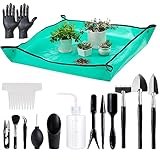
- Gloves: Heavy-duty gloves are essential to protect your hands from spines. Leather or reinforced gloves are recommended.
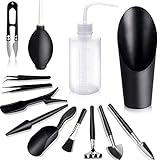
- Shovel or Trowel: For digging the hole and backfilling the soil.
- Cactus Soil Mix: A commercially available cactus mix or your homemade blend.
- Newspaper or Cardboard: To help handle the cactus safely.
- Watering Can or Hose: For watering after planting.
- Optional: Stakes and ties for support, if needed.
Handling Cacti Safely
Cacti have spines that can be painful and difficult to remove. Follow these safety tips:
- Wear Gloves: Always wear heavy-duty gloves when handling cacti.
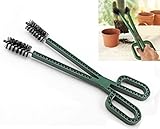
- Use Newspaper or Cardboard: Wrap the cactus in several layers of newspaper or cardboard to protect yourself from spines. You can also use tongs or pliers to handle smaller cacti.
- Be Careful of Glochids: Some cacti, like prickly pears, have tiny, hair-like spines called glochids that can be even more irritating than the larger spines. Avoid touching these with your bare skin.
- Work Slowly and Carefully: Take your time and avoid sudden movements.
Planting Steps
- Dig the Hole: Dig a hole that is twice as wide as the cactus’s root ball and as deep.
- Prepare the Root Ball: Gently remove the cactus from its container. If the roots are tightly bound, gently loosen them with your fingers.
- Position the Cactus: Place the cactus in the hole. The top of the root ball should be level with or slightly above the surrounding soil. This helps prevent water from pooling around the base of the cactus.
- Backfill the Hole: Carefully backfill the hole with the amended soil mix, gently tamping the soil around the root ball. Avoid compacting the soil too much.
- Water Thoroughly: Water the cactus deeply after planting. This will help settle the soil and encourage root growth.
- Mulch (Optional): Apply a layer of mulch around the base of the cactus, but keep the mulch away from the stem to prevent rot.
Caring for Your Newly Planted Cactus
After planting, proper care is crucial for the cactus to establish itself and thrive. This includes watering, fertilizing, and protecting it from pests and diseases.
Watering
Watering is a critical aspect of cactus care. However, it’s easy to overwater, leading to root rot. Here’s how to water your cactus correctly:
- Frequency: Water deeply but infrequently. Allow the soil to dry out completely between waterings. The frequency will depend on your climate and the time of year.
- Seasonality: During the growing season (spring and summer), you may need to water every few weeks. In the dormant season (fall and winter), reduce or eliminate watering.
- Method: Water deeply, allowing the water to soak into the soil. Avoid overhead watering, which can lead to fungal diseases.
- Observe Your Cactus: Watch for signs of overwatering, such as yellowing or mushy stems. If you see these signs, reduce watering.
Fertilizing
Cacti generally don’t require heavy fertilization. However, a light feeding during the growing season can promote healthy growth. Here’s what to consider:
- Type of Fertilizer: Use a balanced fertilizer specifically formulated for cacti and succulents. Choose a fertilizer with a lower nitrogen content.
- Frequency: Fertilize sparingly, perhaps once or twice during the growing season.
- Application: Follow the instructions on the fertilizer package. Avoid over-fertilizing, which can damage the roots.
Pest and Disease Control
Cacti are relatively pest-resistant, but they can still be susceptible to certain problems. Common pests include: (See Also: How Do I Get Piranha Plant in Smash Ultimate?)
- Mealybugs: These small, white, cottony insects suck sap from the cactus. Remove them by hand or treat them with insecticidal soap.
- Scale: These small, brown, armored insects also suck sap. Scrape them off with a fingernail or treat them with horticultural oil.
- Spider Mites: These tiny pests can cause stippling and webbing on the cactus. Treat them with insecticidal soap or miticide.
Common diseases include:
- Root Rot: This is caused by overwatering. Prevent it by ensuring good drainage and watering properly.
- Fungal Diseases: These can cause spots or lesions on the cactus. Treat them with a fungicide if necessary.
Regularly inspect your cactus for any signs of pests or diseases. Early detection and treatment are key to preventing serious problems.
Winter Care
If you live in an area with cold winters, you’ll need to protect your cactus from freezing temperatures. Consider the following:
- Cold Hardiness: Choose cacti that are cold-hardy for your area.
- Protection: If a cold snap is predicted, cover the cactus with a blanket or tarp.
- Avoid Watering: Reduce or eliminate watering during the winter months.
- Indoor Protection: For cacti that are not cold-hardy, consider bringing them indoors during the winter.
Troubleshooting Common Problems
Even with careful planning and care, problems can arise. Here are some common issues and how to address them:
Yellowing or Softening Stems
This is often a sign of overwatering or root rot. Reduce watering immediately and ensure the soil is draining properly. In severe cases, you may need to repot the cactus in fresh, well-draining soil.
Stunted Growth
This can be caused by several factors, including poor soil, lack of sunlight, or nutrient deficiencies. Amend the soil, ensure the cactus receives enough sunlight, and fertilize lightly during the growing season.
Pests
Identify the pest and treat it accordingly. Remove pests by hand, use insecticidal soap, horticultural oil, or miticide, as needed. Consistent monitoring is key to preventing infestations.
Sunburn
Cacti can get sunburned, especially if they are moved from a shady location to full sun too quickly. Gradually acclimate the cactus to full sun, or provide some shade during the hottest part of the day. (See Also: Essential Guide: How to Care for a Dieffenbachia Plant)
Frost Damage
Protect your cactus from frost by covering it with a blanket or tarp during cold snaps. Consider the cold hardiness of your cactus when selecting varieties.
Long-Term Care and Maintenance
Cacti are relatively low-maintenance plants, but they still require some ongoing care to thrive. Consistent care ensures they will flourish for many years.
Pruning
Pruning is generally not necessary for cacti, but you can prune them to remove dead or damaged parts. Always use clean, sharp tools to prevent the spread of disease.
Repotting
Cacti don’t need to be repotted often, but you may need to repot them if they outgrow their space. Repot during the growing season, using fresh cactus mix.
Monitoring
Regularly inspect your cacti for any signs of pests, diseases, or other problems. Early detection and treatment are key to preventing serious issues.
Enjoying Your Cactus
The beauty of cacti lies in their unique forms, textures, and resilience. They can add an architectural element to your landscape and bring a touch of the desert to your home garden. By understanding how to plant a cactus in the ground and providing proper care, you can enjoy these fascinating plants for years to come.
How to Plant a Cactus in the Ground: Conclusion
Planting a cactus in the ground requires careful planning and execution. By choosing the right cactus for your climate, preparing the soil properly, and providing consistent care, you can create a thriving desert oasis. Remember to always prioritize drainage, provide ample sunlight, and monitor your cacti for any signs of problems. With patience and attention, you can enjoy the unique beauty of these remarkable plants for years to come.
Recommended Products