Is your trusty lawn mower sidelined by a flat tire? Don’t let a simple puncture bring your yard work to a halt. A deflated tire can make mowing a frustrating, uneven, and even dangerous chore. But before you rush out to buy a whole new tire or expensive replacement, consider this: most common tire punctures can be fixed yourself with a little know-how and a few basic tools.
We’ve all been there – the familiar hiss of escaping air is a disheartening sound when you’re ready to tackle the grass. The good news is that learning how to patch a lawn mower tire is a straightforward process that can save you time and money. This guide will walk you through everything you need to know, from identifying the problem to getting your mower back in action.
Mastering the Art: How to Patch a Lawn Mower Tire
A flat tire on your lawn mower can feel like a major setback, but it’s often a surprisingly simple fix. Instead of investing in a new tire, which can be costly, you can often repair the existing one with a patch kit. This guide will equip you with the knowledge and steps to successfully patch your lawn mower tire, getting you back to enjoying a perfectly manicured lawn in no time.
When Can You Patch a Lawn Mower Tire?
Not all punctures are created equal. Understanding the types of damage that are repairable is crucial before you start. Generally, you can successfully patch:
- Small punctures: These are typically caused by nails, screws, thorns, or other sharp objects that penetrate the tread. If the hole is smaller than about 1/4 inch in diameter, it’s a good candidate for patching.
- Tread damage: Punctures located in the main tread area of the tire are usually repairable.
- No sidewall damage: The sidewall of a tire is much thinner and more flexible than the tread. Damage to the sidewall, such as cuts, tears, or bulges, makes the tire unsafe to repair and often requires replacement.
When NOT to Patch:
- Large cuts or gashes: If the opening is significantly larger than a nail hole, it’s unlikely to hold a patch.
- Sidewall damage: As mentioned, any damage to the sidewall is a no-go for patching.
- Multiple punctures close together: If there are several holes in a concentrated area, the tire’s integrity may be compromised.
- Degraded or dry-rotted tires: If the rubber shows signs of cracking or deterioration, it’s time for a new tire, regardless of punctures.
Essential Tools and Materials for Tire Patching
Before you begin, gather all the necessary supplies. Having everything on hand will make the process smoother and more efficient. You’ll need: (See Also: How Does a Lawn Dethatcher Work? Your Guide to a Greener)
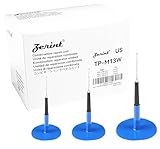
- Tire Patch Kit: These are readily available at auto parts stores, hardware stores, and online. Most kits include:
- Rubber patches (various sizes)
- Vulcanizing cement (tire glue)
- Reamer tool (for cleaning and roughening the puncture area)
- Insertion tool (for guiding the patch into the tire)
- Tire Inflator: A bicycle pump, a portable air compressor, or even a gas station air pump.
- Bucket of Water (optional but recommended): For finding the leak.
- Soap and Water Solution (optional but recommended): For cleaning the tire and aiding in leak detection.
- Tire Levers (optional): If you plan to remove the tire from the rim.
- Gloves: To keep your hands clean.
- Safety Glasses: To protect your eyes.
- Rag or Towel: For wiping.
- Pliers (optional): To remove the puncturing object.
Step-by-Step Guide: How to Patch a Lawn Mower Tire
Let’s get down to business! Follow these steps carefully for a successful tire repair.
Step 1: Locate the Puncture
This is the first and most critical step. You need to find exactly where the air is escaping.
- Inflate the tire: Add some air to the tire so you can better hear or feel the leak. Don’t over-inflate it, just enough to give it some firmness.
- Listen and Feel: Move the tire around and listen for the hiss of escaping air. You can also run your hand around the tire’s surface to feel for the air escaping.
- The Water Test (Highly Recommended): If you’re having trouble locating the leak, this method is invaluable. Submerge sections of the inflated tire in a bucket of water. Look for a stream of bubbles indicating the leak. Mark the spot with chalk or a marker once found.
Step 2: Remove the Puncturing Object
Once you’ve pinpointed the leak, you need to remove whatever caused it.
- Use Pliers: If the object (nail, screw, etc.) is still lodged in the tire, carefully grip it with pliers and pull it straight out.
- Be Prepared for Air Loss: As soon as you remove the object, air will start to escape. This is normal.
Step 3: Prepare the Puncture Area
This step is crucial for ensuring the patch adheres properly. You need to clean and roughen the area around the puncture.
- Clean the Area: Use a rag and some soap and water to thoroughly clean the area around the puncture. Remove any dirt, debris, or rubber fragments. Let it dry completely.
- Roughen with the Reamer: Take the reamer tool from your patch kit. Insert it into the puncture hole and work it in and out vigorously. This action does two things: it cleans out any remaining debris from inside the hole and it roughens the rubber around the hole, creating a better surface for the cement and patch to bond to. Work the reamer in and out about 5-10 times, ensuring you cover a small area around the puncture.
Step 4: Apply Vulcanizing Cement
The cement is what creates a strong, airtight bond between the tire and the patch. (See Also: How to Get Rid of Red Ants in Lawn: Effective Solutions)
- Generous Application: Apply a generous amount of vulcanizing cement to the area you just roughened with the reamer. Ensure the cement covers an area slightly larger than the patch you intend to use.
- Spread Evenly: Use the applicator brush or your finger (with a glove!) to spread the cement into an even layer.
- Let it Become Tacky: This is a vital step that many people skip, leading to patch failure. Allow the cement to air dry for at least 3-5 minutes, or until it feels tacky to the touch. It should not be wet or runny, but it shouldn’t be completely dry either. This “tacky” stage is when the cement is most receptive to bonding with the patch.
Step 5: Apply the Patch
Now it’s time to apply the patch to seal the deal.
- Prepare the Patch: Carefully peel the backing off the rubber patch, exposing the adhesive side. Try to touch the adhesive side as little as possible.
- Center the Patch: Align the patch directly over the puncture hole, ensuring it’s centered.
- Press Firmly: Once positioned, press the patch down firmly onto the cemented area. Start from the center and work your way outwards, smoothing out any wrinkles or air bubbles.
- Use the Insertion Tool: If your kit came with an insertion tool, use it to press the patch down hard, especially around the edges. This ensures a complete seal.
- Allow for Curing: Let the patch sit for at least 15-20 minutes to allow the cement to cure and the patch to bond securely. Some manufacturers recommend longer curing times, so check your kit’s instructions.
Step 6: Re-Inflate the Tire
It’s time to see if your repair has worked!
- Inflate Slowly: Begin inflating the tire slowly. Listen and feel for any air escaping.
- Check for Leaks Again: Once the tire is partially inflated, repeat the water test or the listen-and-feel method to ensure there are no new leaks. If you still hear or see bubbles, the patch may not have adhered properly, or there might be another puncture.
- Inflate to Recommended Pressure: If there are no leaks, inflate the tire to the manufacturer’s recommended pressure. This is usually found on the sidewall of the tire itself or in your mower’s manual.
Step 7: Reinstall the Wheel (if Removed)
If you had to remove the wheel from the mower to access the tire, now is the time to put it back on.
- Reverse Removal: Follow the reverse procedure of how you removed the wheel. Ensure all bolts and nuts are tightened securely.
Alternative Method: Tire Plugs (for More Severe Punctures)
For punctures that are a bit too large for a traditional patch kit, or if you prefer a quicker fix without removing the wheel, tire plugs can be an effective solution. These are often referred to as “string plugs” or “tire plugs.” They work by inserting a sticky, fibrous string into the puncture hole.
How Tire Plugs Work:
Tire plug kits typically include a tool to enlarge the puncture hole and a tool to insert the plug. The plug itself is a sticky, rubbery material that, when forced into the hole, creates a seal. They are designed for a permanent repair in the tread area. (See Also: How Do I Change the Oil on My Lawn Mower? Your Ultimate)
Steps for Using Tire Plugs:
- Locate and Remove Object: Same as Step 1 and 2 above.
- Prepare the Hole: Use the special insertion tool (usually a spiral-shaped metal bit) to vigorously ream out the puncture hole. This cleans it and prepares it for the plug.
- Thread the Plug: Take a sticky plug strip and thread it through the eye of the plug insertion tool, folding it in half.
- Insert the Plug: Push the insertion tool with the plug firmly into the puncture hole until only about half an inch of the plug remains visible.
- Remove the Tool: Quickly and firmly pull the insertion tool straight out. The plug should remain in the tire.
- Trim Excess: Trim off any excess plug material sticking out of the tire.
- Inflate and Check: Inflate the tire and check for leaks.
Important Note on Tire Plugs: While convenient, ensure your plug kit is rated for the type of tire you are repairing. Also, if the puncture is near the sidewall, a plug may not be suitable.
Maintenance Tips to Prevent Future Punctures
Once you’ve successfully patched your tire, it’s wise to take some preventative measures to avoid future flats:
- Inspect Your Lawn Regularly: Before mowing, quickly scan your lawn for any debris like rocks, branches, or tools that could cause punctures.
- Keep Your Lawn Mower Clean: Regularly clean grass clippings from around the tires and wheel wells. This prevents build-up that can hide sharp objects.
- Check Tire Pressure Regularly: Properly inflated tires are less susceptible to damage from impacts. Maintain the recommended tire pressure.
- Consider Tire Sealant: For extra protection, you can add a liquid tire sealant to your lawn mower tires. These sealants can automatically seal small punctures as they occur.
- Store Properly: If storing your mower for an extended period, consider inflating the tires to their maximum recommended pressure to prevent flat spots.
When to Replace Your Lawn Mower Tire Instead of Patching
While patching is a great DIY solution, there are times when replacement is the only safe and effective option. If you encounter any of the following, it’s time for a new tire:
- Sidewall Damage: Any cuts, cracks, or bulges on the sidewall compromise the tire’s structural integrity.
- Large Tears or Gashers: Punctures larger than 1/4 inch, or long cuts, cannot be reliably patched.
- Multiple Punctures in Close Proximity: If a section of the tire has several holes close together, the rubber is likely too weakened to hold a patch.
- Worn-Out Tread: If the tire tread is significantly worn down, it not only reduces traction but also makes it more vulnerable to punctures.
- Dry Rot or Cracking: If the rubber is brittle, cracked, or shows signs of dry rot, the tire is old and needs replacing, regardless of punctures.
- Unsuccessful Patch Attempts: If a patch doesn’t hold, or if you’ve tried multiple patches without success, it’s time for a new tire.
Replacing a lawn mower tire is also a manageable DIY task, though it may require a bit more effort and potentially the use of tire levers to get the old tire off the rim and the new one on. Always ensure you purchase the correct size and type of replacement tire for your specific lawn mower model.
Conclusion
Learning how to patch a lawn mower tire is an incredibly useful skill that can save you both time and money. By following these detailed steps, you can effectively repair most common punctures in the tread area, extending the life of your tire and keeping your mower operational. Remember to always prioritize safety and assess the damage carefully to determine if patching is the right solution.
Recommended Products