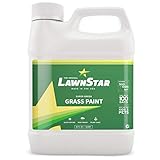
Is your lawn looking a little tired? Perhaps a patchy brown after a long, dry summer, or maybe just not the vibrant green you envision for your outdoor oasis? You’re not alone! Many homeowners face the challenge of maintaining a consistently lush, green lawn, and sometimes, traditional methods just don’t cut it in time for that big party or upcoming event.
But what if I told you there’s a quick, effective, and surprisingly simple way to achieve that picture-perfect green carpet without waiting for ideal growing conditions? Yes, we’re talking about painting your lawn! It might sound a bit unconventional, but it’s a popular and practical solution for many. Let’s explore how to paint your lawn and give your yard that instant curb appeal.
The Magic of Lawn Painting: What, Why, and How
Painting your lawn might sound like something out of a fantasy, but it’s a very real and increasingly popular landscaping technique. Essentially, it involves applying a specialized, non-toxic paint or dye directly onto your grass blades to give them a vibrant, uniform green color. This isn’t about covering up dead grass entirely, but rather enhancing the existing green, masking brown patches, and creating a consistent, healthy appearance.
Why Consider Painting Your Lawn?
There are several compelling reasons why homeowners opt for lawn painting:
- Instant Curb Appeal: This is perhaps the biggest draw. Need your lawn to look its absolute best for a wedding, graduation party, or real estate listing? Lawn paint provides an immediate transformation, far quicker than waiting for grass to grow or recover.
- Drought and Heat Resistance: During prolonged dry spells or extreme heat, grass can turn brown and stressed. Painting can mask this damage, giving the appearance of a healthy lawn without excessive watering.
- Cost-Effective Solution: Compared to overseeding, sodding, or extensive fertilization programs, painting can be a more budget-friendly option for a quick fix.
- Environmental Benefits (with the right products): Many modern lawn paints are designed to be eco-friendly, biodegradable, and safe for pets and children once dry. They can also reduce the need for water and chemical fertilizers.
- Hiding Imperfections: Whether it’s patchy areas, dog spots, or the natural browning that occurs in cooler months, paint can effectively conceal these blemishes.
Understanding Lawn Paint: What’s in the Bottle?
Lawn paints are not your typical house paint. They are specifically formulated for grass and typically consist of:
- Pigments: These provide the color. They are usually derived from natural mineral pigments.
- Binders: These help the pigment adhere to the grass blades and ensure durability.
- Water: The base for most liquid lawn paints.
- Other Additives: These can include UV inhibitors to prevent fading and agents to help with even application.
Crucially, these products are designed to be non-toxic and biodegradable. They break down naturally over time, usually within a few weeks to a couple of months, depending on weather conditions and grass growth.
Types of Lawn Paint
You’ll primarily find lawn paints in two forms:
- Liquid Concentrates: These are the most common. You mix them with water according to the manufacturer’s instructions. They are applied using a standard lawn sprayer (like those used for fertilizers or weed killers).
- Aerosol Cans: These are great for small touch-up jobs or very small areas. They offer convenience but can be more expensive for larger lawns.
Choosing the Right Lawn Paint
When selecting a product, consider these factors: (See Also: How Frequently to Mow Lawn: Your Ultimate Guide for a…)
- Color Shade: Most paints offer a natural grass green, but some might have variations. Look for a shade that matches your desired aesthetic.
- Durability: Check how long the manufacturer claims the color will last. This varies based on the product and environmental factors.
- Safety Certifications: Ensure the product is labeled as safe for pets and children once dry.
- Ease of Application: Liquid concentrates with clear mixing instructions are generally easier for larger areas.
How to Paint Your Lawn: A Step-by-Step Guide
Painting your lawn is a straightforward process, but a little preparation goes a long way in ensuring a professional-looking result. Here’s how to do it:
Step 1: Gather Your Supplies
Before you start, make sure you have everything you need:
- Lawn Paint/Dye: Choose a high-quality product suitable for your lawn size.
- Lawn Sprayer: A pump sprayer or a backpack sprayer is ideal for liquid concentrates. Ensure it’s clean and has not been used for harsh chemicals recently.
- Water Source: For mixing liquid concentrates.
- Measuring Tools: For accurate mixing.
- Protective Gear: Gloves, old clothes, and perhaps eye protection.
- Masking Materials (Optional): Tarps or plastic sheeting to protect driveways, sidewalks, or delicate plants if you’re concerned about overspray.
- Leaf Blower or Rake: To clear debris from the lawn.
Step 2: Prepare the Lawn
Proper preparation ensures the paint adheres well and provides an even finish.
- Mow the Lawn: Mow your grass a day or two before painting. This helps to create a more uniform surface for application. Avoid mowing immediately before painting, as freshly cut blades can absorb more paint, leading to uneven color.
- Water the Lawn (Slightly): A slightly damp lawn can help the paint adhere better. However, avoid watering immediately before painting, as excess moisture can dilute the paint. A light watering a few hours prior is usually sufficient.
- Clear Debris: Remove any fallen leaves, twigs, or other debris from the lawn. This can be done with a leaf blower or a rake.
- Test a Small Area: If you’re unsure about the color or how the paint will look, test it on a small, inconspicuous area of your lawn first. This allows you to adjust the mixture or application technique if needed.
Step 3: Mix the Lawn Paint
Follow the manufacturer’s instructions precisely for mixing. This is crucial for achieving the correct consistency and color.
- Read the Label: Always refer to the product label for specific mixing ratios.
- Use Clean Water: Ensure the water you use is clean.
- Mix Thoroughly: Stir or shake the mixture well to ensure the pigment is evenly dispersed.
Example Mixing Ratio (Consult your product label for exact amounts):
| Area Size (sq ft) | Paint Concentrate (oz) | Water (gallons) |
|---|---|---|
| 1000 | 8-16 | 1-2 |
| 2000 | 16-32 | 2-4 |
Step 4: Apply the Lawn Paint
This is where the transformation happens! Aim for a consistent, even application.
- Load the Sprayer: Carefully pour the mixed paint into your lawn sprayer.
- Start Spraying: Begin spraying the lawn. Walk at a consistent pace and use smooth, overlapping passes to ensure even coverage. Think of it like painting a wall – you want to avoid streaks or missed spots.
- Maintain Consistent Distance: Hold the sprayer nozzle at a consistent height above the grass (usually 18-24 inches, check product recommendations).
- Work in Sections: Divide your lawn into manageable sections. This helps you keep track of where you’ve already painted and ensures you don’t miss any areas.
- Apply Light Coats: It’s often better to apply two lighter coats than one heavy coat. This allows for better adhesion and a more natural look. Allow the first coat to dry partially before applying the second, if necessary.
- Be Mindful of Overspray: If you’re concerned about paint getting on hard surfaces or plants, use masking materials or spray closer to the ground, being careful not to clump the paint.
Step 5: Drying and Curing
Once applied, the paint needs time to dry and cure. (See Also: How Often Can You Seed Your Lawn? Your Ultimate Guide)
- Allow Drying Time: Keep foot traffic and pets off the lawn until the paint is completely dry. This can take anywhere from 1 to 4 hours, depending on weather conditions (humidity, temperature, sun).
- Curing: While dry to the touch, the paint will continue to cure and bond with the grass blades over the next 24-48 hours. Avoid heavy watering or mowing during this period if possible.
Step 6: Post-Painting Care
After the paint has dried and cured, you can resume normal lawn care practices.
- Mowing: You can mow your lawn as usual. It’s best to use a mower with a clean deck to avoid any paint transfer. Some professionals recommend sharpening your mower blades after painting to ensure clean cuts.
- Watering: Water your lawn as needed. The paint should not wash off with regular watering.
- Pets and Children: Once dry and cured, most lawn paints are safe for pets and children. However, it’s always wise to supervise initial interactions to be absolutely sure.
Tips for a Professional Finish
Achieving a natural, vibrant green requires a bit of finesse. Here are some expert tips:
- Don’t Overdo It: Start with a lighter concentration and add more if needed. Too much paint can make the grass look artificial or waxy.
- Consider the Existing Color: If your grass is severely brown and dry, painting might not achieve a fully natural look. It works best on grass that has some green to enhance.
- Weather Matters: Avoid painting on extremely windy days, as this can lead to uneven application and overspray. Overcast but dry days are often ideal. Avoid painting just before heavy rain.
- Edge Your Lawn: For a truly polished look, ensure your lawn edges are clean and well-defined before painting.
- Calibrate Your Sprayer: If you have a large lawn, calibrate your sprayer to ensure you’re applying the correct amount of product per square foot.
- Clean Your Equipment Immediately: Rinse your sprayer thoroughly with water immediately after use to prevent the paint from clogging it.
Common Questions About Lawn Painting
Let’s address some of the questions you might have:
Does Lawn Paint Damage Grass?
No, high-quality lawn paints are specifically formulated to be safe for grass. They are non-toxic and biodegradable. In fact, some formulations contain nutrients that can benefit the grass.
How Long Does Lawn Paint Last?
The longevity of lawn paint varies depending on the product, weather conditions, and how often you mow. Typically, it can last anywhere from **2 to 6 weeks**. Heavy mowing or extreme weather can shorten its lifespan.
Is Lawn Paint Safe for Pets and Children?
Yes, once the paint is completely dry and cured, it is generally considered safe for pets and children. Always check the product’s safety information and supervise initial outdoor activity.
Will Lawn Paint Wash Off in the Rain?
Once dry and cured, lawn paint is designed to be water-resistant and should not wash off with regular rain or watering. It degrades naturally over time. (See Also: How to Get Rid of Ryegrass in Lawn: Your Step-by-Step…)
Can I Paint Over Dead Grass?
Lawn paint is most effective when applied to living grass. While it can mask brown patches, it won’t bring dead grass back to life. For severely dead areas, you’ll need to reseed or sod.
How Much Does It Cost to Paint a Lawn?
The cost can vary significantly based on the size of your lawn and the brand of paint you choose. For an average-sized lawn (around 1,000-2,000 sq ft), a DIY application can range from $50 to $150 for the paint itself. Professional services will, of course, cost more.
Can I Use a Regular Garden Hose Sprayer?
While some products might be formulated for hose-end sprayers, most liquid concentrates are best applied with a dedicated pump sprayer or backpack sprayer for better control and evenness.
Alternatives to Lawn Painting
While lawn painting is a fantastic quick fix, it’s not the only option for lawn improvement. Consider these alternatives:
- Overseeding: This involves sowing new grass seed over an existing lawn to fill in thin areas and improve density. It’s a more natural and long-term solution but takes time to establish.
- Sodding: Laying down pre-grown turf. This provides an instant lawn but is significantly more expensive than painting.
- Fertilization and Watering: Proper feeding and watering are crucial for a healthy lawn. This is a continuous process, not a quick fix.
- Aeration and Dethatching: These practices improve soil health and allow water and nutrients to reach the grass roots, promoting a healthier, greener lawn over time.
Each method has its pros and cons, and the best approach often depends on your budget, timeline, and the specific condition of your lawn.
Verdict on Lawn Painting
Painting your lawn is a remarkably effective and accessible method for achieving an instant, vibrant green aesthetic. It’s perfect for those times when you need a quick boost in curb appeal for special occasions or to mask the effects of environmental stress.
By following these steps, choosing the right products, and applying them with care, you can transform your yard into a lush, green paradise without delay. It’s a practical solution that offers immediate gratification and can significantly enhance the overall appearance of your home.
Recommended Products