Are your plants looking a little… lackluster? Yellowing leaves, stunted growth, and a general lack of vigor could be signs of nitrogen deficiency in your soil. Nitrogen is a critical nutrient, the lifeblood of plant growth, and knowing how much is available is crucial for a thriving garden. But how do you find out? This guide answers that question directly: We’ll walk you through the various methods on how to measure nitrogen in soil, from simple DIY tests to professional lab analyses.
You’ll learn about the importance of nitrogen, the different testing options, and how to interpret the results. We’ll also delve into the factors that affect nitrogen levels, so you can understand why your soil might be deficient. Whether you’re a seasoned gardener or just starting out, understanding soil nitrogen is essential. Let’s get started!
Why Is Nitrogen Important for Plants?
Nitrogen (N) is a fundamental building block for plant life. It’s a key component of chlorophyll, the pigment that captures sunlight for photosynthesis. Without enough nitrogen, plants can’t produce the energy they need to grow. Also, nitrogen is a vital element in amino acids, which are the building blocks of proteins. Proteins are essential for plant structure, enzyme function, and various metabolic processes.
Here’s a breakdown of nitrogen’s crucial roles:
- Chlorophyll Production: Nitrogen is a core component of chlorophyll, which is vital for photosynthesis.
- Protein Synthesis: It forms amino acids, the building blocks of proteins, essential for plant growth and structure.
- Enzyme Function: Nitrogen is involved in the formation of enzymes, which catalyze various biochemical reactions within the plant.
- Growth and Development: Sufficient nitrogen promotes vigorous growth, healthy foliage, and overall plant development.
Nitrogen Deficiency Symptoms: When plants lack nitrogen, they display noticeable symptoms:
- Yellowing of Older Leaves (Chlorosis): The most common sign is yellowing, starting with the older leaves at the bottom of the plant.
- Stunted Growth: Plants grow slowly and may appear smaller than expected.
- Pale Green Color: The overall plant color is often a pale green rather than a vibrant green.
- Reduced Yield: Fruit and flower production may be significantly reduced.
Understanding these symptoms is crucial for recognizing and addressing nitrogen deficiencies promptly. Regular soil testing is the best way to determine if your soil has enough nitrogen to support healthy plant growth.
Forms of Nitrogen in the Soil
Nitrogen exists in the soil in several forms, each with varying availability to plants:
- Organic Nitrogen: This is nitrogen bound within organic matter, such as decaying plant and animal residues. It’s not directly available to plants and must be converted to inorganic forms through a process called mineralization.
- Ammonium (NH₄⁺): Ammonium is a form of nitrogen that plants can directly absorb. It’s produced during the mineralization of organic matter. Ammonium is relatively stable in the soil but can be converted to nitrate by soil bacteria through nitrification.
- Nitrate (NO₃⁻): Nitrate is another form of nitrogen readily absorbed by plants. It’s the primary form of nitrogen in most agricultural soils. Nitrate is highly mobile in the soil and can be easily leached out by water.
The balance and availability of these forms of nitrogen are dynamic and influenced by various factors, including soil pH, temperature, moisture, and the presence of microorganisms.
Methods for Measuring Nitrogen in Soil
There are several methods for measuring nitrogen levels in soil, ranging from simple DIY tests to professional laboratory analyses. The best method for you will depend on your needs, budget, and the level of accuracy you require. Here’s a look at the most common options:
1. Visual Assessment (observation)
While not a precise method, simply observing your plants can provide clues about nitrogen levels. Look for the symptoms of nitrogen deficiency, such as yellowing leaves and stunted growth, as mentioned earlier. However, these symptoms can also be caused by other nutrient deficiencies or diseases, so visual assessment should be used in conjunction with other testing methods.
Pros: Free, readily available.
Cons: Inaccurate, can be misleading. Relies on visual inspection, which is subjective. Other issues can mimic nitrogen deficiency.
2. Diy Soil Testing Kits
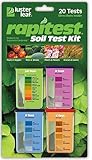
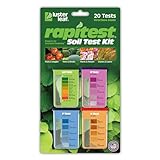
DIY soil testing kits offer a convenient and affordable way to measure nitrogen and other nutrients in your soil. These kits typically involve mixing a soil sample with a reagent and comparing the resulting color change to a chart to estimate the nutrient levels. They are available at most garden centers and online retailers.
How to Use a DIY Soil Testing Kit:
- Collect a Soil Sample: Use a trowel or soil probe to collect soil from several locations in your garden. Mix the samples together to create a composite sample.
- Prepare the Sample: Follow the kit’s instructions for preparing the soil sample. This often involves mixing the soil with distilled water.
- Add Reagents: Add the provided reagents to the soil-water mixture.
- Observe the Color Change: After a specified time, observe the color change and compare it to the color chart provided in the kit.
- Interpret the Results: Use the color chart to estimate the nitrogen level in your soil.
Pros: Affordable, easy to use, readily available, provides a quick estimate.
Cons: Less accurate than professional lab tests, results can be subjective, the accuracy depends on following instructions precisely.
3. Professional Soil Testing
For the most accurate assessment of soil nitrogen levels, consider sending a soil sample to a professional soil testing laboratory. These labs use sophisticated equipment and methods to measure a wide range of nutrients, including nitrogen, phosphorus, potassium, and micronutrients. They also provide detailed reports with recommendations for soil amendments and fertilizer applications. (See Also: How to Amend Soil in a Raised Bed: Your Ultimate Guide to a Thriving Garden)
How to Conduct a Professional Soil Test:
- Choose a Lab: Research and select a reputable soil testing laboratory in your area or online. Many universities offer soil testing services.
- Collect a Soil Sample: Collect a representative soil sample from your garden, following the lab’s specific instructions. This usually involves taking several subsamples from different locations and depths.
- Prepare the Sample: Package the soil sample according to the lab’s instructions, ensuring it is properly labeled.
- Submit the Sample: Send the sample to the lab, along with any necessary forms and payment.
- Receive and Interpret Results: The lab will provide a detailed report with the results of the analysis, including nitrogen levels and recommendations for soil management.
Pros: Highly accurate, provides comprehensive data, offers specific recommendations.
Cons: More expensive than DIY kits, requires sending samples to a lab, turnaround time can vary.
4. Using a Soil Meter
Soil meters are handheld devices that measure various soil properties, including moisture, pH, and sometimes nitrogen, phosphorus, and potassium (NPK) levels. Some meters use sensors to directly measure nutrient concentrations, while others provide estimates based on soil properties.
How to Use a Soil Meter:
- Prepare the Soil: Water the soil if it’s dry.
- Insert the Probe: Insert the meter’s probe into the soil, following the manufacturer’s instructions.
- Read the Results: Wait for the meter to display the readings for nitrogen or other measured parameters.
- Interpret the Results: Refer to the meter’s manual or guide to interpret the results and determine if your soil has sufficient nitrogen.
Pros: Convenient, portable, provides quick results, some models measure multiple parameters.
Cons: Accuracy can vary depending on the model, may not be as accurate as lab tests, some models provide estimates rather than direct measurements.
5. Tissue Testing (plant Analysis)
Tissue testing involves analyzing plant tissue samples to determine the nutrient content of the plant. This method can provide a direct assessment of nutrient uptake by the plant and identify any deficiencies or imbalances. It’s often used in conjunction with soil testing to get a comprehensive picture of nutrient availability.
How to Conduct Tissue Testing:
- Collect Plant Samples: Collect leaf samples from the plant, following the lab’s specific instructions. Typically, you’ll need to select young, fully developed leaves.
- Prepare the Samples: Package the leaf samples according to the lab’s instructions, ensuring they are properly labeled.
- Submit the Samples: Send the samples to a plant tissue testing laboratory, along with any necessary forms and payment.
- Receive and Interpret Results: The lab will provide a detailed report with the results of the analysis, including nitrogen levels and recommendations.
Pros: Provides direct information about nutrient uptake, helps identify hidden deficiencies.
Cons: Requires sending samples to a lab, can be more expensive than soil testing, results reflect nutrient status at the time of sampling.
Factors Affecting Nitrogen Levels in Soil
Several factors can influence nitrogen levels in your soil. Understanding these factors can help you manage your soil more effectively and maintain optimal nitrogen availability for your plants. Here are some key factors:
1. Soil Type
Soil texture (the proportion of sand, silt, and clay) significantly impacts nitrogen levels. Sandy soils drain quickly, leading to nitrogen leaching. Clay soils, on the other hand, can hold more water and nutrients, but they can also become compacted, reducing aeration and microbial activity. Soil organic matter content is crucial because it acts as a reservoir of nitrogen. Soils with high organic matter content tend to have higher nitrogen levels.
2. Soil Ph
Soil pH affects nitrogen availability. Most plants prefer a soil pH between 6.0 and 7.0 for optimal nitrogen uptake. At extremely high or low pH levels, nitrogen availability can be reduced. Soil pH also influences the activity of soil microorganisms, which play a key role in nitrogen cycling.
3. Organic Matter Content
Soil organic matter (SOM) is a primary source of nitrogen. As organic matter decomposes, it releases nitrogen in forms plants can use. Increasing SOM through compost, cover crops, and other organic amendments can boost nitrogen levels and improve soil health.
4. Soil Microorganisms
Soil microorganisms, such as bacteria and fungi, are essential for nitrogen cycling. They convert organic nitrogen into inorganic forms that plants can absorb. Factors that support microbial activity, such as proper soil aeration, moisture, and temperature, promote nitrogen availability.
5. Temperature and Moisture
Soil temperature and moisture levels influence nitrogen cycling and plant uptake. Warm temperatures and adequate moisture promote microbial activity and nutrient release. Excessive moisture can lead to nitrogen leaching, while drought can reduce nutrient availability and plant uptake. (See Also: How to Take Soil Temperature: A Simple Guide for Gardeners)
6. Plant Uptake
Plants absorb nitrogen from the soil through their roots. The rate of nitrogen uptake varies depending on the plant species, growth stage, and environmental conditions. Plants with high nitrogen demands, such as leafy green vegetables, require more nitrogen than plants with lower demands.
7. Fertilizer Application
The type, rate, and timing of fertilizer applications significantly impact soil nitrogen levels. Over-fertilization can lead to nitrogen runoff and environmental pollution, while under-fertilization can result in nutrient deficiencies. Using a soil test to determine the nutrient needs of your plants and applying fertilizer accordingly is crucial.
8. Leaching and Erosion
Nitrate is highly mobile in the soil and can be lost through leaching, especially in sandy soils with heavy rainfall or irrigation. Soil erosion can also remove nitrogen from the soil, reducing its availability for plants.
Interpreting Soil Test Results
Once you receive your soil test results, you’ll need to interpret them to understand the nitrogen levels in your soil and make informed decisions about soil management and fertilization. Soil test reports typically provide information on the following:
- Nitrogen Levels: The report will indicate the amount of nitrogen present in your soil, usually expressed in parts per million (ppm) or pounds per acre (lbs/acre).
- Nutrient Availability: The report will often classify nitrogen levels as low, medium, or high, based on the specific needs of the plants you intend to grow.
- Recommendations: The report may include recommendations for fertilizer application rates, soil amendments, and other management practices to improve nitrogen levels and plant health.
Here’s a general guide to interpreting nitrogen levels:
| Nitrogen Level | Interpretation | Action |
|---|---|---|
| Low | Nitrogen deficiency likely; plants may exhibit symptoms of deficiency. | Apply nitrogen fertilizer or organic amendments. |
| Medium | Sufficient nitrogen levels for many plants; monitor plant growth. | Monitor plant growth; consider a small application of nitrogen if needed. |
| High | Excess nitrogen; may lead to excessive foliage growth and reduced fruit/flower production. | Reduce nitrogen fertilizer applications; consider growing plants with lower nitrogen needs. |
Understanding your soil test report:
- Review the Units: Pay close attention to the units used in the report (e.g., ppm, lbs/acre) to ensure you understand the nitrogen levels.
- Consider Plant Needs: Use the report’s recommendations and your knowledge of the plants you’re growing to determine if the nitrogen levels are adequate.
- Assess Other Nutrients: Look at the levels of other nutrients, such as phosphorus and potassium, to identify any potential imbalances.
- Evaluate Soil pH: Check the soil pH to ensure it’s within the optimal range for nitrogen availability.
- Consult with Experts: If you have any questions or are unsure how to interpret the results, consult with a local agricultural extension agent or soil testing expert.
By carefully interpreting your soil test results, you can make informed decisions about soil management and fertilization, ensuring your plants receive the nitrogen they need for optimal growth and health.
Boosting Nitrogen in Your Garden
If your soil test reveals that your garden is low in nitrogen, there are several ways to boost its levels naturally and effectively. Here are some strategies:
1. Incorporate Organic Matter
Adding organic matter to your soil is one of the best ways to increase nitrogen levels and improve soil health. Organic matter decomposes over time, releasing nitrogen and other essential nutrients. You can incorporate the following:
- Compost: Add a layer of well-rotted compost to your garden beds each year. Compost is a rich source of organic matter and nutrients.
- Manure: Well-aged manure from animals like cows, chickens, and horses can provide a significant boost of nitrogen. Be sure to compost manure before using it to avoid burning your plants.
- Cover Crops: Plant cover crops, such as legumes (e.g., clover, alfalfa) and grasses, to add organic matter and fix nitrogen in the soil.
- Green Manure: Till or chop down cover crops and incorporate them into the soil.
- Leaf Mold: Collect fallen leaves, compost them, and use the resulting leaf mold as a soil amendment.
2. Use Nitrogen-Fixing Plants
Nitrogen-fixing plants, such as legumes, have a symbiotic relationship with nitrogen-fixing bacteria in their root nodules. These bacteria convert atmospheric nitrogen into a form that plants can use. Planting nitrogen-fixing plants in your garden can naturally increase nitrogen levels in the soil.
- Legumes: Plant beans, peas, lentils, and other legumes. You can also use legumes as cover crops.
- Alfalfa and Clover: These cover crops are excellent nitrogen fixers and can be incorporated into the soil.
3. Apply Nitrogen Fertilizers
If you need a quick boost of nitrogen, you can use nitrogen fertilizers. Choose fertilizers that are appropriate for your plants and follow the instructions carefully to avoid over-fertilization. Here are some options:
- Organic Fertilizers: Use organic fertilizers, such as blood meal, fish emulsion, and composted poultry manure, to provide a slow-release source of nitrogen.
- Synthetic Fertilizers: Use synthetic fertilizers, such as ammonium nitrate and urea, for a faster nitrogen release. Follow the package instructions carefully.
- Fertilizer Application: Water the soil after applying fertilizer to help the nutrients move into the root zone.
4. Practice Crop Rotation
Crop rotation involves rotating the types of plants you grow in your garden beds each year. This helps to prevent nutrient depletion and reduce the risk of pests and diseases. Rotating nitrogen-demanding crops with nitrogen-fixing crops can help to maintain balanced nitrogen levels.
5. Improve Soil Drainage and Aeration
Well-drained and aerated soil promotes microbial activity and nitrogen cycling. Improve soil drainage by:
- Adding Organic Matter: Improve soil structure and drainage.
- Using Raised Beds: Provide better drainage.
- Aerating the Soil: Use a garden fork or aerator to improve aeration.
6. Adjust Soil Ph
Maintain the soil pH within the optimal range (6.0-7.0) for nitrogen availability. You can adjust soil pH by: (See Also: How Much Worm Castings to Add to Soil: Your Ultimate Guide)
- Adding Lime: Raise the pH of acidic soil.
- Adding Sulfur: Lower the pH of alkaline soil.
7. Mulch Your Garden
Mulching your garden helps to conserve moisture, regulate soil temperature, and suppress weeds. Mulch also adds organic matter to the soil over time. Use organic mulches, such as:
- Straw: Provides nutrients as it decomposes.
- Wood Chips: Slowly release nutrients.
- Compost: Adds organic matter and nutrients.
8. Avoid Overwatering
Avoid overwatering your garden, as excessive moisture can lead to nitrogen leaching. Water your plants deeply but infrequently, allowing the soil to dry out slightly between waterings.
9. Control Weeds
Weeds compete with your plants for nutrients, including nitrogen. Control weeds by:
- Hand-Weeding: Remove weeds manually.
- Mulching: Suppress weed growth.
- Using Herbicides: Control weeds when necessary.
10. Monitor and Adjust
Regularly monitor your plants for signs of nitrogen deficiency. If you notice any symptoms, adjust your soil management practices accordingly. You can use soil tests to monitor nitrogen levels and make informed decisions about fertilization and soil amendments. By implementing these strategies, you can maintain healthy nitrogen levels in your garden and promote vigorous plant growth.
People Also Ask:
How Do You Test for Nitrogen in Soil at Home?
You can test for nitrogen at home using DIY soil testing kits. These kits typically involve mixing a soil sample with a reagent and comparing the color change to a chart to estimate nitrogen levels. While not as accurate as professional lab tests, they provide a quick estimate of nitrogen levels in your soil.
What Is the Fastest Way to Add Nitrogen to Soil?
The fastest way to add nitrogen to soil is by using synthetic nitrogen fertilizers, such as ammonium nitrate or urea. These fertilizers provide a readily available source of nitrogen that plants can absorb quickly. However, it’s essential to use these fertilizers with caution and follow the package instructions to avoid over-fertilization and potential environmental problems.
What Are the Best Plants to Add Nitrogen to Soil?
Legumes are the best plants to add nitrogen to soil. They have a symbiotic relationship with nitrogen-fixing bacteria in their root nodules, which convert atmospheric nitrogen into a form that plants can use. Planting legumes, such as beans, peas, lentils, alfalfa, and clover, can naturally increase nitrogen levels in your garden.
How Do I Know If My Soil Lacks Nitrogen?
You can tell if your soil lacks nitrogen by observing your plants for signs of nitrogen deficiency. Common symptoms include yellowing of older leaves (chlorosis), stunted growth, pale green color, and reduced yield. You can also use soil tests to measure nitrogen levels and determine if your soil is deficient.
Can Too Much Nitrogen Hurt Plants?
Yes, too much nitrogen can hurt plants. Excessive nitrogen can lead to excessive foliage growth at the expense of fruit or flower production. It can also make plants more susceptible to pests and diseases. Over-fertilization can also cause environmental problems, such as water pollution. It’s essential to apply nitrogen fertilizers according to the plant’s needs and soil test recommendations.
How Often Should I Test My Soil for Nitrogen?
The frequency of soil testing depends on various factors, including the type of plants you are growing, the soil type, and your fertilization practices. In general, it’s a good idea to test your soil for nitrogen at least once a year, preferably before planting. If you are using intensive fertilization, you may need to test your soil more frequently to monitor nutrient levels and make adjustments as needed.
Final Verdict
Measuring nitrogen in your soil is a crucial step toward a thriving garden, and we’ve covered the key ways to do it. From simple visual checks and DIY kits to professional lab analysis, you have options for every budget and level of expertise. Remember to consider factors like soil type and pH that affect nitrogen levels. By understanding how to measure nitrogen, you can give your plants the best chance to flourish.
Recommended Products