Are your plants struggling? Do they look stunted, with yellowing leaves, even though you’re diligently watering and fertilizing? The culprit might not be what you think – it could be your soil’s pH level.
Knowing how to know pH of soil is crucial for any gardener, from the novice to the seasoned pro. Soil pH, a measure of its acidity or alkalinity, profoundly impacts nutrient availability. If the pH is off, your plants can’t absorb essential nutrients, no matter how much you feed them. We’ll explore why pH matters, how to measure it, and what to do if your soil is out of balance. Get ready to unlock the secrets of thriving plants!
Why Soil Ph Matters
Soil pH is a critical factor in plant health, influencing nutrient availability, microbial activity, and even the soil’s structure. Think of it as the key that unlocks the door to your plants’ food supply. A soil’s pH is measured on a scale from 0 to 14, with:
- 7.0 being neutral
- Below 7.0 being acidic
- Above 7.0 being alkaline (or basic)
Most plants thrive in a slightly acidic to neutral range, typically between 6.0 and 7.0, although there are exceptions. Understanding why pH matters involves several key factors:
Nutrient Availability
This is perhaps the most significant impact. Soil pH directly affects the solubility of nutrients. In other words, it determines whether nutrients are dissolved in the soil water, making them accessible to plant roots. For example:
- Acidic Soil (low pH): Can lead to the increased solubility of some micronutrients, like iron and aluminum, which can become toxic to plants. It can also reduce the availability of essential nutrients like phosphorus, calcium, and magnesium.
- Alkaline Soil (high pH): Can reduce the availability of iron, manganese, zinc, and phosphorus, often leading to nutrient deficiencies even when these nutrients are present in the soil.
Think of it like a lock and key. The right pH is the key that unlocks the door to nutrient absorption.
Microbial Activity
Soil is teeming with beneficial microorganisms, including bacteria and fungi, that play a vital role in nutrient cycling and decomposition. These organisms thrive within a specific pH range. Extremely acidic or alkaline conditions can inhibit their activity, slowing down the breakdown of organic matter and reducing nutrient availability. A healthy microbial community is essential for a thriving garden.
Soil Structure
Soil pH can also influence the physical structure of the soil. In alkaline soils, clay particles tend to disperse, leading to poor drainage and aeration. In acidic soils, the soil structure can become compacted, also hindering water and air movement. This affects the plant roots’ ability to absorb water and nutrients.
Plant Preferences
Different plants have varying pH preferences. Some, like blueberries and azaleas, prefer acidic soil, while others, like lavender and clematis, prefer alkaline soil. Knowing your plant’s needs and adjusting the pH accordingly is essential for their optimal growth. You can research the ideal pH range for your specific plants and then test your soil.
Methods for Measuring Soil Ph
Now that we understand why pH is so important, let’s explore the various methods for how to know pH of soil. There are several ways to measure soil pH, ranging from simple DIY tests to more sophisticated lab analyses. Here’s a breakdown of the most common methods:
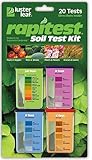
1. Diy Soil Ph Testing Kits
These kits are readily available at garden centers and online retailers. They are generally inexpensive and easy to use, making them a good option for beginners. They typically involve: (See Also: How to Take a Soil Sample for Testing: A Step-by-Step Guide)
- Collecting a soil sample: Take a sample from several areas in your garden, about 4-6 inches deep. Remove any rocks, debris, and plant material.
- Mixing the soil with distilled water: Follow the kit’s instructions, which usually involve mixing a small amount of soil with distilled water. Tap water can have its own pH, which can skew the results.
- Adding the indicator solution: The kit will include a chemical indicator solution that changes color based on the pH level.
- Comparing the color to a chart: The kit will have a color chart that corresponds to different pH values. Compare the color of your solution to the chart to determine your soil’s pH.
Pros: Inexpensive, easy to use, readily available, provides a quick estimate.Cons: Can be less accurate than other methods, results may vary depending on the kit’s quality, only provides a general pH reading.
2. Digital Soil Ph Meters
Digital pH meters offer a more accurate and convenient way to measure soil pH. These meters use an electronic probe to measure the pH directly. They are more expensive than test kits but offer greater precision and ease of use. To use a digital pH meter:
- Prepare the soil: Moisten the soil slightly with distilled water.
- Insert the probe: Insert the probe of the meter into the soil at the recommended depth.
- Read the display: The meter will display the pH reading on its screen.
- Clean the probe: After use, clean the probe with distilled water.
Pros: More accurate than test kits, provides a digital reading, easy to use, reusable.Cons: More expensive than test kits, requires calibration, probe can be damaged if not handled carefully.
3. Soil Ph Test Strips
Similar to pH test kits, soil pH test strips offer a quick and easy way to measure soil pH. They are generally less expensive than digital meters but provide a more accurate reading than some DIY kits. To use test strips:
- Collect a soil sample: Similar to the other methods, collect a soil sample from different areas in your garden.
- Mix soil with water: Mix a small amount of the soil with distilled water.
- Dip the strip: Dip a test strip into the soil and water mixture.
- Compare the color: Compare the color of the strip to the color chart provided with the test strips to determine the pH.
Pros: Relatively inexpensive, easy to use, provides a quick estimate, more accurate than some DIY kits.Cons: Can be less accurate than digital meters, results may vary depending on the quality of the strips, single-use.
4. Professional Soil Testing Labs
For the most accurate and comprehensive analysis, consider sending a soil sample to a professional soil testing lab. These labs use sophisticated equipment and provide detailed reports on various soil properties, including pH, nutrient levels, and organic matter content. To send a soil sample:
- Collect a soil sample: Follow the lab’s instructions for collecting a representative soil sample. This typically involves collecting samples from several locations in your garden.
- Package and ship the sample: Package the soil sample according to the lab’s instructions and ship it to the lab.
- Receive the report: The lab will send you a detailed report with the results and recommendations for improving your soil.
Pros: Most accurate, provides comprehensive soil analysis, offers specific recommendations for improvement.Cons: Most expensive option, requires shipping the sample, takes time to receive the results.
5. Indicator Plants (less Reliable, but a Clue)
While not a precise method for determining soil pH, observing the types of plants that are thriving in your area can provide clues. Certain plants prefer acidic or alkaline conditions. For example:
- Acid-loving plants: Azaleas, rhododendrons, hydrangeas (blue flowers), blueberries, and ferns often thrive in acidic soil.
- Alkaline-loving plants: Lavender, clematis, lilacs, and many vegetables (like spinach and broccoli) prefer alkaline soil.
However, this method is not as reliable as the others, as other factors can influence plant growth. This can be used as a starting point. It’s best to use a more accurate method to confirm your soil’s pH.
Interpreting Your Soil Ph Results
Once you’ve measured your soil’s pH, the next step is to interpret the results. The ideal pH range depends on the types of plants you plan to grow. As mentioned earlier, most plants thrive in a slightly acidic to neutral range (6.0-7.0). Here’s a general guide: (See Also: Boost Your Garden’s Health: How to Increase Mycorrhizal Fungi in Soil)
- Below 5.5: Very acidic. Requires amendments to raise the pH.
- 5.5 – 6.0: Acidic. Some plants will thrive, others may struggle.
- 6.0 – 7.0: Ideal range for most plants.
- 7.0 – 7.5: Slightly alkaline. Most plants will tolerate this range.
- Above 7.5: Alkaline. Requires amendments to lower the pH.
Important Note: Always consider the specific needs of the plants you intend to grow. Some plants, like blueberries, thrive in very acidic conditions (4.5-5.5), while others, like lavender, prefer alkaline conditions (7.0-8.0).
Adjusting Soil Ph: How to Modify Your Soil
If your soil pH is outside the ideal range for your plants, you can take steps to adjust it. The goal is to bring the pH into the optimal range for your plants’ needs. Here’s how to modify your soil:
Raising Soil Ph (making It Less Acidic)
To raise the pH of acidic soil, you need to add alkaline materials. The most common amendments are:
- Lime (calcium carbonate): The most effective and widely used amendment. It’s available in several forms, including:
- Agricultural lime: Ground limestone, a slow-release option.
- Hydrated lime (calcium hydroxide): A fast-acting option, but use with caution as it can burn plants if overused.
- Dolomitic lime: Contains both calcium and magnesium, suitable for soils deficient in magnesium.
- Wood Ash: Contains calcium carbonate and other nutrients. Can be used in moderation.
How to apply lime:
- Test your soil: Determine the current pH and the target pH.
- Calculate the amount of lime needed: The amount of lime needed depends on the soil type (sandy soils require less than clay soils), the current pH, and the target pH. Follow the recommendations on the lime product label or consult a soil testing lab for specific advice.
- Spread the lime evenly: Spread the lime evenly over the soil surface.
- Incorporate the lime: Mix the lime into the soil to a depth of 6-8 inches. This helps the lime react with the soil and raise the pH more effectively.
- Water thoroughly: Water the soil thoroughly after applying lime.
- Re-test the soil: Re-test the soil pH after a few weeks to monitor the changes. It may take several months for the pH to reach the target level.
Lowering Soil Ph (making It More Acidic)
To lower the pH of alkaline soil, you need to add acidic materials. The most common amendments are:
- Sulfur: A slow-acting amendment that converts to sulfuric acid in the soil.
- Aluminum sulfate: A fast-acting amendment that lowers pH but can also add aluminum to the soil (use with caution).
- Sphagnum peat moss: Can be incorporated into the soil to increase acidity.
- Acidifying fertilizers: Some fertilizers, like ammonium sulfate, can help lower the pH over time.
How to apply sulfur:
- Test your soil: Determine the current pH and the target pH.
- Calculate the amount of sulfur needed: The amount of sulfur needed depends on the soil type, the current pH, and the target pH. Follow the recommendations on the sulfur product label or consult a soil testing lab for specific advice.
- Spread the sulfur evenly: Spread the sulfur evenly over the soil surface.
- Incorporate the sulfur: Mix the sulfur into the soil to a depth of 6-8 inches.
- Water thoroughly: Water the soil thoroughly after applying sulfur.
- Re-test the soil: Re-test the soil pH after several months to monitor the changes. It may take a long time for the pH to reach the target level.
Important Considerations for Ph Adjustment
- Soil Type: Sandy soils require less amendment than clay soils to change the pH.
- Organic Matter: Adding organic matter (compost, manure) can help buffer the soil pH, making it less prone to drastic changes.
- Gradual Changes: Make pH adjustments gradually, as drastic changes can harm plants and soil microorganisms.
- Re-testing: Regularly re-test your soil pH to monitor the changes and adjust your amendments as needed.
- Plant Specific Needs: Always consider the specific pH needs of the plants you are growing.
- Local Conditions: Your local climate and rainfall can also influence soil pH.
Troubleshooting Common Soil Ph Issues
Here are some common soil pH issues and how to address them:
1. Yellowing Leaves (chlorosis)
Cause: Often caused by iron deficiency, which is common in alkaline soils. The plant can’t absorb iron if the pH is too high.
Solution: Lower the soil pH by adding sulfur or aluminum sulfate. Consider using an iron chelate fertilizer to provide iron in a readily available form.
2. Stunted Growth
Cause: Can be caused by nutrient deficiencies or toxicities due to an incorrect pH. Plants are not able to absorb the necessary nutrients. (See Also: Stop Eating Soil: Expert Guide on Causes, Dangers & Solutions)
Solution: Test the soil pH and adjust it accordingly. Ensure proper fertilization and water management.
3. Poor Drainage
Cause: Often seen in alkaline soils, where clay particles can disperse, leading to poor soil structure and drainage.
Solution: Improve drainage by adding organic matter (compost, peat moss). Consider adding sulfur to help lower the pH and improve soil structure.
4. Plant Nutrient Deficiencies
Cause: An incorrect soil pH can affect the availability of various nutrients, leading to deficiencies. For example, in alkaline soils, iron, manganese, and zinc deficiencies can occur. In acidic soils, phosphorus, calcium, and magnesium deficiencies are more common.
Solution: Test the soil pH and adjust it accordingly. Apply appropriate fertilizers based on soil test results.
5. White or Gray Residue on Soil Surface
Cause: High salt content, often associated with alkaline soils.
Solution: Improve drainage and leach out excess salts by watering deeply and allowing the water to drain away. Consider adding organic matter and lowering the pH.
Tips for Maintaining Healthy Soil Ph
Maintaining a healthy soil pH is an ongoing process. Here are some tips to help you:
- Test Regularly: Test your soil pH at least once a year, or more frequently if you are experiencing problems with your plants.
- Amend as Needed: Adjust your soil pH as needed based on soil test results and plant needs.
- Add Organic Matter: Incorporate organic matter (compost, manure) regularly to help buffer the soil pH and improve soil health.
- Choose the Right Plants: Select plants that are well-suited to your soil’s pH.
- Water Properly: Avoid overwatering, which can leach nutrients and alter the pH.
- Fertilize Wisely: Use fertilizers appropriate for your soil pH and plant needs. Avoid over-fertilizing, which can lead to salt buildup and pH imbalances.
- Monitor Plant Health: Pay attention to your plants’ health and address any problems promptly.
- Consider Mulching: Mulching can help maintain soil moisture and moderate soil temperature, which can indirectly influence pH.
By following these tips, you can create a healthy soil environment for your plants to thrive. A well-balanced soil is the foundation of a thriving garden.
Final Verdict
Understanding how to know pH of soil is essential for successful gardening. We’ve explored various methods, from simple DIY kits to professional lab testing. Choosing the right method depends on your needs and budget. Remember to adjust your soil pH gradually, considering the specific needs of your plants. By monitoring and maintaining the correct pH, you’ll provide your plants with the ideal environment to flourish. Happy gardening!
Recommended Products