Are your plants struggling? Do they seem stunted, with yellowing leaves, even though you’re watering and fertilizing them? The problem might be your soil’s pH. Knowing how to know if soil is acidic is crucial for any gardener or landscaper. Soil acidity, or pH, significantly impacts nutrient availability and plant health. Too acidic, and your plants can’t absorb essential nutrients.
This guide will walk you through everything you need to know about identifying acidic soil, from understanding what it is to practical testing methods. We’ll explore the causes, effects, and the steps you can take to amend your soil and create a thriving garden. Get ready to unlock the secrets of healthy soil and happy plants!
Understanding Soil Ph: The Basics
Before we dive into how to test for soil acidity, let’s understand what soil pH is all about. Soil pH measures the acidity or alkalinity of your soil. The pH scale ranges from 0 to 14. A pH of 7 is neutral. Values below 7 indicate acidity, and values above 7 indicate alkalinity (also known as being basic).
What Is the Ideal Soil Ph for Plants?
Most plants thrive in a slightly acidic to neutral soil, typically between 6.0 and 7.0. Within this range, nutrients are generally most available for plant uptake. However, some plants, like blueberries and azaleas, prefer more acidic soil (pH 4.5-5.5), while others, like lavender and clematis, prefer slightly alkaline soil.
Why Is Soil Ph Important?
Soil pH plays a critical role in plant health for several reasons:
- Nutrient Availability: Soil pH affects the availability of essential plant nutrients. For example, in acidic soil, some nutrients like phosphorus, nitrogen, and potassium become less available, while others, like aluminum and manganese, can become toxic to plants. In alkaline soil, iron, manganese, and zinc might become unavailable.
- Microbial Activity: Soil pH influences the activity of beneficial soil microorganisms that break down organic matter and release nutrients.
- Root Health: Extreme pH levels can damage plant roots, hindering their ability to absorb water and nutrients.
Understanding the impact of pH is the first step in learning how to know if soil is acidic and how to fix it.
Signs of Acidic Soil: What to Look For
You don’t always need a soil test to suspect acidic soil. Your plants can often tell you something is wrong. Here are some common signs that your soil might be too acidic:
- Poor Plant Growth: Stunted growth, slow development, and overall poor vigor are common indicators.
- Yellowing Leaves (Chlorosis): Acidic soil can lock up essential nutrients. Iron deficiency, for example, can cause yellowing between leaf veins.
- Leaf Spots and Necrosis: Brown spots or dead tissue on leaves can signal nutrient deficiencies or toxicity.
- Reduced Flowering or Fruiting: Acidic soil can affect the plant’s ability to produce flowers and fruits.
- Moss Growth: Moss often thrives in acidic soil, so its presence can be a visual clue.
- Weed Presence: Some weeds, like sorrel and plantain, prefer acidic conditions.
Observing these signs doesn’t definitively confirm acidic soil, but they should prompt you to investigate further.
Plants That Prefer Acidic Soil
While most plants prefer a slightly acidic to neutral pH, some plants actually thrive in more acidic conditions. If these plants are doing well in your garden, it might indicate that your soil is already acidic.
- Blueberries: These plants require highly acidic soil (pH 4.5-5.5).
- Azaleas and Rhododendrons: These flowering shrubs prefer a pH of 4.5-6.0.
- Camellias: They grow best in soil with a pH of 6.0-6.5.
- Hydrangeas: The color of hydrangea flowers can be influenced by soil pH. Acidic soil produces blue flowers.
- Pine Trees: Pines can tolerate and even prefer slightly acidic conditions.
Methods for Testing Soil Acidity
The only way to definitively determine your soil’s pH is to perform a soil test. Several methods are available, ranging from simple DIY tests to professional lab analysis. (See Also: How Does Chemical Weathering Contribute to Soil Formation? A Complete Guide)
1. Diy Soil Ph Test with Baking Soda and Vinegar
This is a quick and easy, albeit less precise, method to get a general idea of your soil’s pH. It’s based on the reaction of acid and base.
- Collect Soil Samples: Take soil samples from different areas of your garden, about 6 inches deep. Remove any debris.
- Prepare the Samples: Place a couple of tablespoons of dry soil in separate containers.
- Vinegar Test: Add about 1/2 cup of vinegar to one container. If the soil fizzes, it’s likely alkaline (pH above 7).
- Baking Soda Test: In the other container, add water to moisten the soil and then add about 1/2 cup of baking soda. If the soil fizzes, it’s likely acidic (pH below 7).
- No Fizz: If neither test produces a reaction, your soil is probably close to neutral.
Important Note: This test is a basic indicator and not a precise measurement. It is useful for a quick check but does not provide an actual pH value.
2. Using a Soil Ph Meter
Soil pH meters are a convenient and relatively accurate way to test your soil’s pH. They come in various types, including digital and analog models.
- Prepare the Soil: Clear away any surface debris and moisten the soil. The soil should be damp but not soggy.
- Insert the Probe: Insert the probe of the pH meter into the soil, following the manufacturer’s instructions. Make sure the probe is inserted to the recommended depth.
- Read the Results: Wait for the meter to stabilize and read the pH value. Digital meters will display the pH directly. For analog meters, read the needle’s position on the scale.
- Clean the Probe: After use, clean the probe with water and a soft cloth.
Soil pH meters provide a more accurate reading than the baking soda and vinegar test. However, their accuracy can be affected by calibration and probe cleanliness. Always follow the manufacturer’s instructions.
3. Soil Testing Kits
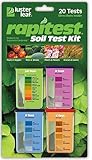
Soil testing kits offer a more comprehensive approach to soil testing, often including pH testing and tests for other nutrients like nitrogen, phosphorus, and potassium. These kits typically involve mixing soil samples with chemicals and comparing the resulting color changes to a chart.
- Collect Soil Samples: Collect soil samples from different areas of your garden, following the kit’s instructions.
- Prepare the Samples: Mix the soil samples with the chemicals provided in the kit.
- Observe the Reaction: Watch for color changes or other reactions according to the kit’s instructions.
- Compare to the Chart: Compare the results to the color chart provided to determine the pH and nutrient levels.
Soil testing kits are more accurate than the DIY methods and can provide valuable information about your soil’s overall health. However, the accuracy can vary depending on the kit’s quality and the user’s technique.
4. Professional Soil Testing
For the most accurate and detailed analysis, consider sending your soil samples to a professional soil testing laboratory. These labs use sophisticated equipment and provide detailed reports on pH, nutrient levels, and other soil properties.
- Collect Soil Samples: Follow the lab’s instructions for collecting and preparing soil samples. Typically, you’ll need to collect samples from various locations in your garden and combine them.
- Send in the Samples: Mail the samples to the lab, along with any necessary forms and payment.
- Receive the Report: The lab will send you a detailed report with the pH value, nutrient levels, and recommendations for soil amendments.
Professional soil testing is the most reliable method for determining your soil’s pH and overall health. It’s especially recommended if you have persistent plant problems or are planning a large-scale gardening project.
How to Raise Soil Ph (make It Less Acidic)
If your soil test reveals that your soil is too acidic, you can raise the pH and make it less acidic. The most common method involves adding liming materials. (See Also: Potting Soil Math: How Many Quarts in 2 Cubic Feet? (easy Guide))
Liming Materials
Liming materials are alkaline substances that neutralize soil acidity. The most common liming material is agricultural lime (calcium carbonate). Other options include:
- Dolomitic Lime: Contains both calcium carbonate and magnesium carbonate.
- Hydrated Lime (Calcium Hydroxide): Acts more quickly than agricultural lime but should be handled with care.
How to Apply Lime
The amount of lime you need to apply depends on your soil’s pH, the type of lime you’re using, and your soil’s texture. A soil test will provide specific recommendations.
- Determine the Amount: Consult your soil test results to determine how much lime to add.
- Choose the Type of Lime: Select the type of lime based on your soil’s needs and availability.
- Spread the Lime: Spread the lime evenly over the soil surface.
- Incorporate the Lime: Work the lime into the soil by tilling or using a garden fork. This helps it react with the soil and raise the pH.
- Water Thoroughly: Water the soil after applying lime to help it settle and begin working.
- Re-test: Wait a few months and re-test your soil to see if the pH has reached the desired level.
Important Considerations:
- Soil Texture: Sandy soils require less lime than clay soils to achieve the same pH change.
- Application Rate: Avoid over-liming, as this can make the soil too alkaline.
- Timing: Apply lime in the fall or early spring to allow time for it to react with the soil.
How to Lower Soil Ph (make It More Acidic)
In rare cases, you might need to lower your soil’s pH to accommodate acid-loving plants. Several methods can help, although lowering pH is typically a more challenging process than raising it.
Soil Amendments to Lower Ph
- Elemental Sulfur: This is a common and effective method. Sulfur oxidizes in the soil to form sulfuric acid, which lowers the pH. The amount of sulfur to use depends on your soil’s pH and texture.
- Aluminum Sulfate: This provides aluminum, which can be beneficial for some acid-loving plants, and it also lowers the pH. However, it can be toxic to plants if overused.
- Sphagnum Peat Moss: Adding peat moss can slightly lower the pH and improve soil structure.
- Acidifying Fertilizers: Use fertilizers that contain ammonium sulfate or urea.
Application of Acidifying Amendments
- Determine the Amount: Use a soil test to determine how much amendment is needed to achieve the desired pH.
- Choose the Amendment: Select the appropriate amendment based on your soil’s needs and the plants you’re growing.
- Apply and Incorporate: Spread the amendment evenly over the soil surface and work it into the soil.
- Water Thoroughly: Water the soil after applying the amendment.
- Re-test: Re-test your soil after a few months to monitor the pH change.
Important Considerations:
- Slow Process: Lowering soil pH is a gradual process.
- Over-Application: Avoid over-application, as this can harm plants.
- Regular Monitoring: Regularly test your soil to monitor the pH and make adjustments as needed.
Factors That Affect Soil Ph
Several factors can influence your soil’s pH over time:
- Rainfall: Heavy rainfall can leach alkaline minerals from the soil, making it more acidic.
- Fertilizers: The type of fertilizer you use can affect soil pH. Ammonium-based fertilizers tend to acidify the soil.
- Organic Matter Decomposition: The breakdown of organic matter can release acids, slightly lowering the pH.
- Plant Uptake: Plants absorb nutrients from the soil, which can alter the pH over time.
- Parent Material: The original rock and mineral composition of your soil can influence its pH.
- Irrigation Water: The pH of your irrigation water can affect the soil’s pH, especially in arid regions.
Frequently Asked Questions (people Also Ask)
Here are answers to some common questions about soil pH:
What Causes Soil to Become Acidic?
Several factors contribute to soil acidity, including rainfall, the use of certain fertilizers, the decomposition of organic matter, and the uptake of nutrients by plants. Leaching of alkaline minerals, in particular, contributes to acidification.
How Do I Make My Soil Less Acidic Naturally?
The most natural way to reduce soil acidity is to add liming materials, such as agricultural lime or dolomitic lime. You can also incorporate compost or other organic matter, which can help buffer the pH over time. Consider using wood ash, but use it sparingly as it can significantly raise pH. (See Also: How Much Garden Soil for a 4×8 Raised Bed? The Ultimate Guide)
What Is the Best Way to Test Soil Ph?
The best way to test soil pH depends on your needs and budget. For a quick and easy test, use a soil pH meter or a soil testing kit. For the most accurate and comprehensive results, send your soil samples to a professional soil testing laboratory.
Can I Plant Anything in Acidic Soil?
Yes, you can plant many things in acidic soil. Some plants, like blueberries, azaleas, and rhododendrons, actually prefer acidic conditions. However, most plants thrive in a slightly acidic to neutral pH range. If your soil is too acidic for the plants you want to grow, you can amend it with lime to raise the pH.
What Are the Benefits of Neutral Soil?
Neutral soil, with a pH of around 7, offers several benefits. It provides the optimal range for the availability of most plant nutrients. It also promotes healthy microbial activity, which is essential for breaking down organic matter and releasing nutrients. Neutral soil also minimizes the risk of nutrient deficiencies or toxicities.
How Long Does It Take for Lime to Change Soil Ph?
The time it takes for lime to change soil pH depends on several factors, including the type of lime used, the soil texture, and the amount of lime applied. Generally, it takes several months to a year for lime to fully react with the soil and change the pH. Re-testing is crucial to monitor the progress.
What Kind of Soil Do Blueberries Like?
Blueberries thrive in highly acidic soil, typically with a pH between 4.5 and 5.5. They require these conditions to absorb the necessary nutrients effectively. You might need to amend your soil with sulfur or other acidifying agents to achieve this range.
Can Coffee Grounds Make Soil Acidic?
Yes, coffee grounds can make soil more acidic, although the effect is generally mild. Coffee grounds have a pH of around 6.5 when fresh, but as they decompose, they can slightly lower the soil’s pH. They also add organic matter, which improves soil structure. Use coffee grounds in moderation, as excessive amounts can lead to other problems.
Verdict
Understanding how to know if soil is acidic is essential for successful gardening. We’ve explored various testing methods, from simple DIY tests to professional lab analysis. Remember to consider plant preferences and take action to amend your soil if necessary. By monitoring your soil’s pH, you can create a thriving environment for your plants and enjoy a bountiful harvest.
Recommended Products