Is the sight of tire tracks marring your beautiful lawn causing you frustration? You’re not alone. Many homeowners struggle with neighbors, delivery drivers, or even guests mistakenly (or intentionally) driving across their property, leaving unsightly ruts and damaged grass.
It’s a common and annoying problem that can quickly turn your pride and joy – your lawn – into a source of stress. But don’t despair! There are effective, often simple, strategies you can employ to reclaim your green space and prevent future incursions.
We’ll walk you through everything from polite communication to more robust physical deterrents, ensuring you can enjoy a pristine lawn without the constant worry of vehicular trespass.
Understanding the Problem: Why Are They Driving on Your Lawn?
Before we dive into solutions, it’s helpful to understand why this might be happening. Often, it’s not malicious. Consider these common scenarios:
- Navigation Errors: GPS can sometimes be a bit wonky, leading drivers down paths they shouldn’t be on.
- Shortcut Seekers: Some individuals might see your lawn as a convenient shortcut to avoid traffic or reach a destination faster.
- Parking Dilemmas: If street parking is scarce, or if a neighbor is visiting and their vehicle is large, they might opt to drive onto your property for temporary parking.
- Lack of Awareness: Some people simply might not realize they are driving on private property, especially if the boundaries aren’t clearly defined.
- Habitual Off-Roading: In rarer cases, it could be a disrespectful habit that needs addressing.
Step 1: The Gentle Approach – Communication Is Key
The first and often most effective strategy is direct, polite communication. Before resorting to more drastic measures, try having a friendly chat. The goal is to inform and educate, not to accuse.
Talking to Your Neighbors Directly
If the offender is a neighbor, approach them when you’re both relaxed and have a moment. (See Also: How High Should You Mow Your Lawn? The Ultimate Guide!)
- Choose the Right Time: Avoid confronting them when they’re rushing out the door or in the middle of a task. A casual chat over the fence or during a shared community event is ideal.
- Be Polite and Non-Confrontational: Start with a friendly greeting. You could say something like, “Hi [Neighbor’s Name], I was hoping to have a quick word with you about something. I’ve noticed a few tire marks on the lawn recently, and I’m a bit worried about the grass getting damaged.”
- Explain Your Concern Clearly: Focus on your lawn and your efforts to maintain it. “I’ve put a lot of work into getting the grass looking nice, and I’d hate for it to get ruined by vehicles.”
- Suggest Alternatives (if applicable): If you know why they might be driving on your lawn (e.g., difficulty turning around), you could offer a solution. “Perhaps it’s tricky to turn around at the end of the street? Maybe we could look at clearing a bit more space on the road side if that’s the issue.”
- Listen to Their Response: They might have a perfectly valid reason or might not have realized the impact. Understanding their perspective can help find a resolution.
- Reinforce Boundaries Gently: You can follow up with a phrase like, “I’d really appreciate it if you and any visitors could stick to the driveway and road from now on.”
Communicating with Other Visitors
For delivery drivers, postal workers, or guests of other neighbors, the approach needs to be slightly different.
- Informal Signage: A small, polite sign can sometimes do the trick (more on signs later).
- Direct Intervention (if possible): If you see a delivery driver heading for your lawn, a quick wave and a gesture towards the driveway can often redirect them.
Step 2: Physical Deterrents – Creating Clear Boundaries
If polite conversation doesn’t yield results, or if the problem is persistent, it’s time to consider physical barriers. These are designed to make it inconvenient or impossible for vehicles to drive onto your lawn.
Low-Cost and Natural Solutions
You don’t need to build a fortress. Simple, aesthetically pleasing options can be very effective.
- Edging and Borders: Installing sturdy lawn edging made of metal, plastic, or stone can create a visual and physical boundary. It clearly defines where the lawn begins and the driveway/road ends.
- Low Shrubs or Flower Beds: Planting a line of low-maintenance shrubs or creating a shallow flower bed along the edge of your lawn can act as a natural deterrent. Most drivers won’t want to damage plants or run them over. Choose varieties that are relatively hardy.
- Mulch Rings: A wide ring of mulch around trees or along the property line can also discourage driving. The loose mulch is uncomfortable for tires.
- Strategic Planting: Consider planting taller, more robust plants or small trees at key points where drivers tend to cut the corner.
More Robust Barriers
For more persistent issues, you might need something more substantial.
- Decorative Rocks or Boulders: Placing a line of attractive rocks or small boulders along the property edge can be a very effective deterrent. They are visually appealing and make driving over them difficult and noisy. Ensure they are spaced appropriately to allow for mowing.
- Low Fencing: A short, decorative fence (like a picket fence or a low wire fence) can serve as a clear visual and physical barrier. Ensure it’s high enough to be noticeable but not so high that it obstructs your view or feels unwelcoming. Check local regulations regarding fence heights and placement.
- Landscape Timbers: Similar to edging, but more substantial, landscape timbers can be laid end-to-end to create a clear line.
The “no Driving” Sign Strategy
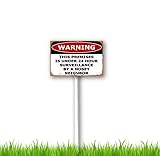
A well-placed sign can be a powerful tool. It’s a clear, unambiguous message. (See Also: Easy Guide: How to Start a Briggs and Stratton Lawn Mower)
- Polite and Clear Wording: Avoid aggressive language. Opt for something like: “Please Drive on Driveway,” “Lawn Protected,” or “No Vehicle Access.”
- Visibility is Key: Place the sign where it’s easily visible to approaching vehicles, ideally near the point where they tend to veer off the road.
- Consider the Material: Opt for durable materials that can withstand weather. Metal or sturdy plastic signs are good choices.
- Aesthetic Integration: If possible, choose a sign that complements your home’s aesthetic. Some companies offer decorative signs.
Step 3: Addressing Persistent Issues – When Other Methods Fail
If you’ve tried communication and physical deterrents, and the problem continues, it might be time to escalate. This is usually a last resort, as it can sometimes create tension.
Consulting Your Homeowners Association (hoa)
If you live in a community with an HOA, they often have rules regarding property boundaries and vehicle access.
- Review HOA Covenants: Check your HOA documents for any relevant regulations.
- File a Complaint: If a neighbor is violating these rules, you can file a formal complaint with the HOA. They can then intervene and enforce the rules.
Legal Options (the Last Resort)
In extreme cases, where damage is significant and persistent, and all other avenues have been exhausted, you might consider legal action. This is a serious step and should only be taken after careful consideration and consultation with a legal professional.
- Document Everything: Keep a log of every incident, including dates, times, descriptions of the vehicles, and any damage caused. Take photos and videos.
- Consult an Attorney: A lawyer can advise you on your rights and the best course of action, which might involve sending a cease and desist letter or pursuing a civil lawsuit for trespass or property damage.
Maintaining Your Lawn After Deterrents Are in Place
Once you’ve implemented your chosen methods, it’s important to maintain your lawn and the deterrents themselves.
- Regular Inspections: Check your barriers periodically to ensure they are still in place and effective.
- Repair Damage Promptly: If any damage does occur, repair it as soon as possible to prevent further degradation and maintain the lawn’s appearance. This might involve reseeding or patching.
- Continue Polite Communication: Even with deterrents in place, a friendly wave or nod can go a long way in maintaining good neighborly relations.
Preventing Future Problems: Proactive Measures
The best defense is a good offense. Being proactive can help prevent the issue from arising in the first place. (See Also: How Often Do You Need to Mow the Lawn? Your Complete Guide)
- Clearly Defined Property Lines: Ensure your property lines are visible and well-maintained. This can be achieved through landscaping, low fencing, or even clearly marked survey stakes (though these can be unsightly).
- Educate Visitors: If you’re hosting a party or event, politely inform your guests about where to park and not to drive on the lawn.
- Maintain Your Driveway: Ensure your driveway is in good condition and easily accessible. Sometimes, drivers might veer onto the lawn if the driveway is difficult to use.
When to Seek Professional Help
If you’re unsure about installing physical barriers or need advice on the best landscaping solutions for your property, consider consulting a landscape designer or a reputable lawn care professional. They can offer tailored advice and help implement solutions that are both effective and aesthetically pleasing.
Table: Pros and Cons of Different Deterrent Methods
Here’s a quick comparison to help you decide:
| Method | Pros | Cons |
|---|---|---|
| Polite Conversation | Non-confrontational, preserves relationships, free | May not be effective for all individuals, requires follow-up |
| Lawn Edging/Borders | Clearly defines boundaries, relatively inexpensive, easy to install | May not deter determined drivers, can be damaged |
| Shrubs/Flower Beds | Aesthetically pleasing, natural deterrent, improves curb appeal | Requires maintenance, can be damaged, takes time to grow |
| Decorative Rocks/Boulders | Very effective physical deterrent, durable, can be attractive | Can be expensive, heavy to move, may interfere with mowing |
| Low Fencing | Clear visual and physical barrier, can enhance property aesthetics | Can be costly, may require permits, can obstruct views |
| “No Driving” Sign | Clear communication, inexpensive, easy to install | May be ignored by some, can look unwelcoming if not placed well |
| HOA Intervention | Enforces community rules, can be effective for persistent issues | May involve bureaucracy, can create neighborly tension |
| Legal Action | Can resolve severe, persistent issues | Expensive, time-consuming, can severely damage relationships |
Choosing the right method, or combination of methods, depends on your specific situation, your budget, and your tolerance for confrontation. Often, a layered approach, starting with communication and escalating to physical deterrents, is the most successful.
Conclusion
Protecting your lawn from unwanted tire tracks is achievable with a thoughtful approach. Begin with polite communication to inform those who might be unaware. If that fails, implement physical deterrents like edging, strategic planting, or decorative barriers to clearly define boundaries. Remember to document any persistent issues and consider escalating to your HOA or, as a last resort, legal counsel. By taking these steps, you can effectively reclaim your green space and maintain a beautiful, undisturbed lawn.
Recommended Products