Ah, the serene image of deer grazing peacefully in a meadow. It’s beautiful, until it’s your prize-winning petunias or meticulously manicured lawn that’s becoming their buffet. If you’ve found yourself battling nibbled foliage and wondering how to keep deer out of your lawn, you’re certainly not alone.
Deer can wreak havoc on gardens, turning your horticultural efforts into a frustrating game of whack-a-mole. But don’t despair! There are effective, humane, and often surprisingly simple strategies you can implement to protect your green oasis. We’ll walk you through a comprehensive approach, from understanding deer behavior to deploying a multi-layered defense system.
Understanding Your Antagonists: Why Deer Love Your Lawn
Before we dive into solutions, it’s helpful to understand why your lawn and garden are such a tempting target for deer. They are primarily herbivores, meaning they eat plants. Your lush grass, tender flowers, and young shrubs offer a readily available and nutritious food source, especially during seasons when natural forage might be scarce. Deer are also creatures of habit; if they find a reliable food source, they’ll return.
Several factors can make your property particularly attractive:
- Proximity to Wooded Areas: Deer often use forests and dense vegetation for shelter and escape. Properties bordering these areas are prime real estate for them.
- Water Sources: Access to a pond, stream, or even a bird bath can draw deer to your yard.
- Absence of Natural Predators: In many suburban and urban environments, natural predators like wolves and cougars are absent, allowing deer populations to flourish.
- Food Availability: Your garden, with its cultivated plants, can be a veritable smorgasbord compared to wild vegetation.
The Multi-Layered Defense Strategy
The most effective approach to keeping deer out of your lawn is to employ a multi-layered defense. Relying on a single method is rarely enough. Think of it as building a fortress – the more barriers and deterrents you have, the less likely your defenses will be breached.
Layer 1: Physical Barriers – the First Line of Defense
Physical barriers are often the most reliable way to keep deer out, as they physically prevent access. While they can be an investment in time and resources, they offer consistent protection.
Fencing: The Gold Standard
Fencing is arguably the most effective, albeit often the most expensive, method. The key to a successful deer fence is its height and design.
- Height: Deer can jump surprisingly high. A fence needs to be at least 8 feet tall to deter most adult deer. Some sources recommend even higher, up to 10-12 feet, for particularly persistent populations.
- Material:
- Wire Mesh Fencing: Heavy-gauge wire mesh (like welded wire or woven wire) is durable and can be effective. Ensure the mesh openings are small enough to prevent fawns from getting through.
- Net Fencing: Less visually intrusive than wire, plastic netting can also be effective if kept taut and at the correct height. However, it can be more susceptible to damage from weather or animals.
- Electric Fencing: While less common for residential lawns, electric fences can be highly effective. They deliver a mild shock that deters deer without causing permanent harm. They often require multiple strands at different heights.
- Design Considerations:
- Angled Fences: In some cases, a fence angled outwards at the top (about 45 degrees) can be effective at a slightly lower height (around 6 feet), as it makes jumping more difficult and disorienting for the deer.
- Double Fencing: For extremely high-pressure areas, two parallel fences spaced about 3-4 feet apart, each about 6 feet high, can create a barrier deer are reluctant to attempt.
- Gate Security: Ensure gates are as tall as your fence and close securely. Deer can learn to nudge open unsecured gates.
Pros of Fencing: Highly effective, provides constant protection, can be aesthetically pleasing if designed well.
Cons of Fencing: Can be expensive to install, may require permits, can be visually impactful, requires maintenance.
Tree Guards and Trunk Wraps
For individual trees, especially young ones, tree guards or trunk wraps are essential. Deer can strip the bark off young trees, which can kill them. These guards prevent them from accessing the bark.
- Materials: Plastic mesh tubes, wire cages, or burlap wraps are common.
- Installation: Ensure they are secured firmly to the ground and extend high enough to protect the vulnerable lower trunk. Remove them in the summer if they impede growth, but reapply in fall and winter.
Layer 2: Repellents – the Olfactory and Gustatory Deterrents
Repellents work by making your plants smell or taste unpleasant to deer. These are often the first solutions people try due to their lower cost and ease of application. However, their effectiveness can be variable and they require regular reapplication. (See Also: How Often to Aerate the Lawn: Your Ultimate Guide)
Scent-Based Repellents
These repellents mimic the scent of predators or other animals that deer associate with danger.
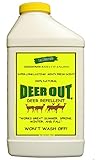
- Commercial Repellents: Many readily available products contain ingredients like rotten eggs, predator urine (coyote, fox), or blood meal. Follow the manufacturer’s instructions for application, typically spraying directly onto plants and the surrounding area.
- Homemade Repellents:
- Garlic Spray: Blend garlic cloves with water and a little dish soap, then strain and spray.
- Hot Pepper Spray: Mix cayenne pepper or chili powder with water and a bit of liquid soap. Be cautious when handling and spraying, as it can irritate skin and eyes.
- Soapy Water: Some gardeners have found success with a strong solution of liquid dish soap and water sprayed around the perimeter.
Taste-Based Repellents
These make the plants themselves taste bad.
- Commercial Taste Repellents: Often contain bittering agents or ingredients like putrescent egg solids.
- Bittersweet Solutions: Some gardeners experiment with solutions of Epsom salts or other bitter compounds, though effectiveness can vary greatly.
Key Considerations for Repellents:
- Reapplication is Crucial: Rain, sunlight, and plant growth will diminish the effectiveness of repellents. You’ll need to reapply them regularly, especially after rain or at the beginning of deer season (fall and winter).
- Rotate Repellents: Deer can become accustomed to a single repellent. Rotating between different types of repellents can help maintain their effectiveness.
- Apply to Edibles with Caution: If you’re using repellents on edible plants, ensure they are safe for consumption and wash produce thoroughly.
- Target Vulnerable Plants: Focus your repellent efforts on your most prized plants or those that are most attractive to deer.
Layer 3: Motion and Sound Deterrents – the Startle Factor
Deer are naturally cautious animals. Sudden movements or unfamiliar sounds can startle them and make them hesitant to enter an area. These methods are often best used in conjunction with other deterrents.
- Motion-Activated Sprinklers: These devices detect movement and release a burst of water, startling deer and making them retreat. They are effective and also help water your lawn.
- Ultrasonic Devices: These emit high-frequency sounds that are supposedly inaudible to humans but irritating to deer. Their effectiveness is often debated and can vary significantly.
- Wind Chimes and Noise Makers: While not foolproof, the unexpected clatter of wind chimes or strategically placed noisemakers can sometimes deter curious deer.
- Scarecrows and Reflective Objects: Traditional scarecrows, especially those that move (like with wind), or reflective objects like old CDs or Mylar balloons can sometimes work, but deer can quickly become accustomed to them.
Important Note: Deer are intelligent and can habituate to static deterrents. For motion and sound deterrents to be effective, they need to be unpredictable and varied.
Layer 4: Planting Strategies – Making Your Garden Less Appetizing
Sometimes, the best defense is to make your garden less appealing to deer in the first place. This involves choosing plants that deer tend to avoid.
Deer-Resistant Plants: A Natural Approach
While no plant is entirely deer-proof, some are definitely less palatable. Deer generally avoid plants that are:
- Fuzzy or Hairy: The texture is off-putting.
- Thorny or Prickly: They can get hurt.
- Strongly Scented: Their sensitive noses are repelled.
- Toxic: They learn to avoid poisonous plants.
- Leathery or Woody: Less tender and appealing.
Here are some examples of generally deer-resistant plants:
| Category | Examples |
|---|---|
| Perennials | Lavender, Salvia, Astilbe, Bleeding Hearts, Coneflowers, Peonies, Yarrow, Catmint, Lamb’s Ears, Ferns, Columbine, Hellebores |
| Shrubs | Forsythia, Lilac, Rhododendron, Azalea, Hydrangea (some varieties), Boxwood, Barberry, Spirea |
| Annuals | Marigolds, Zinnias, Petunias (can be nibbled), Snapdragons, Impatiens, Begonias |
| Herbs | Rosemary, Thyme, Mint, Sage, Oregano, Chives, Dill |
| Bulbs | Daffodils, Hyacinths, Alliums (Ornamental Onions) |
Important Note: Deer resistance is relative. In areas with high deer populations and limited food, deer may eat almost anything. It’s always best to research plants that are known to be resistant in your specific region.
Strategic Planting and Garden Design
- Plant Deer-Resistant Plants in Exposed Areas: Place your most vulnerable plants closer to your house or in areas where deterrents are most concentrated.
- Create a “Deer Buffet” Elsewhere: Some gardeners plant a patch of highly attractive plants (like hostas or daylilies) away from their main garden to draw deer there, away from their prized specimens.
- Interplanting: Mix deer-resistant plants with those that are more susceptible. This can make it harder for deer to find their preferred food sources.
Layer 5: Biological and Environmental Factors
While you can’t control nature entirely, understanding these factors can help you refine your strategy. (See Also: How to Paint Grass Lawn Acrylic: Master Realistic Blades!)
- Natural Predators: While not a practical solution for most homeowners, the presence of natural predators in an ecosystem helps regulate deer populations.
- Seasonality: Deer are more likely to browse during fall and winter when natural food sources are scarce. Your defense strategies may need to be more robust during these times.
- Deer Population Density: The more deer in your area, the more persistent your efforts will need to be.
Putting It All Together: Creating Your Personalized Deer Defense Plan
The most successful approach to how to keep deer out of your lawn involves creating a personalized defense plan tailored to your specific situation. Consider the following:
- Assess Your Property: Note areas where deer are entering, their preferred feeding spots, and the types of plants they are targeting.
- Identify Your Most Valued Plants: These are the plants you’ll want to protect most aggressively.
- Consider Your Budget and Time Commitment: Fencing is a long-term investment, while repellents require ongoing effort.
- Choose a Combination of Methods: Don’t rely on just one tactic. Combine physical barriers (if feasible), repellents, and deer-resistant plants.
- Be Consistent: Regular maintenance and reapplication of repellents are key to sustained success.
- Observe and Adapt: Deer are intelligent and can adapt. Be prepared to adjust your strategies if deer start to overcome your defenses.
Common Questions About Deer and Lawn Protection
Q: Will planting marigolds really keep deer away?
A: Marigolds are often listed as deer-resistant due to their scent and texture. While they can help, they are not foolproof. Deer may nibble them, especially if other food sources are scarce. They are best used as part of a larger strategy.
Q: How often do I need to reapply deer repellent?
A: This depends on the product and weather. Generally, you should reapply every 7-14 days, and always after heavy rain or watering. Check the product label for specific instructions.
Q: Is there a scent that deer hate?
A: Deer have sensitive noses and are repelled by strong, unpleasant odors. Scents associated with predators (like coyote urine), rotten eggs, or strong spices (like hot peppers) are often used in repellents. However, their effectiveness can vary, and deer can become accustomed to them.
Q: Can I use human hair or soap shavings?
A: Some people have anecdotal success with scattering human hair or soap shavings around their garden. The idea is that the scent of humans or the texture of the soap deters deer. However, their effectiveness is highly variable and short-lived.
Q: What are the best plants to grow if I have deer? (See Also: How Does an Ignition Coil Work on a Lawn Mower)
A: Focus on plants known to be deer-resistant due to their scent, texture, or toxicity. Examples include lavender, salvia, astilbe, peonies, rosemary, thyme, and daffodils. Always research plants recommended for your specific region.
Q: How tall does a fence need to be to keep deer out?
A: For most adult deer, a fence needs to be at least 8 feet tall. For particularly athletic or determined deer, some recommend up to 10-12 feet.
Q: Will a single strand of electric fence work?
A: A single strand is unlikely to be effective. Deer often require multiple strands at different heights to be deterred by electric fencing.
Q: How can I protect my young trees from deer?
A: Use tree guards or trunk wraps made of plastic mesh, wire, or burlap. Ensure they extend high enough to protect the vulnerable bark and are secured to prevent deer from reaching underneath.
Conclusion
Effectively keeping deer out of your lawn and garden requires a strategic, multi-faceted approach. By combining physical barriers, scent and taste repellents, noise deterrents, and thoughtful plant selection, you can create a robust defense system. Remember that consistency and adaptation are key, as deer can become accustomed to deterrents. With patience and persistence, you can reclaim your garden and enjoy its beauty without it becoming a deer’s favorite snack bar.
Recommended Products