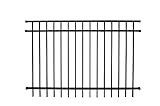
Thinking about sprucing up your yard with a stylish and low-maintenance fence? Aluminum fence panels are a fantastic choice, offering both beauty and durability. You might be wondering, “How do I install aluminum fence panels?” Well, the good news is, it’s a project that many homeowners can tackle themselves, saving you money on professional installation.
This guide will walk you through every step of the process, from planning and gathering your materials to the final touches. We’ll cover everything from measuring and post installation to panel attachment and gate setup. Let’s get started and transform your property with a beautiful new fence!
What You’ll Need Before You Start
Before diving into the installation process, it’s crucial to gather all the necessary materials and tools. This will streamline the project and ensure a smooth, efficient installation. Here’s a comprehensive list:
- Aluminum Fence Panels: The primary component of your fence. Determine the desired height and style.
- Fence Posts: These provide the structural support for the panels. Choose the appropriate posts based on your panel height and soil conditions. Typically, you’ll need corner posts, end posts, and line posts.
- Post Caps: These protect the inside of the posts from the elements and add a finished look.
- Post Spacers: Used to maintain the correct spacing between the posts.
- Gate(s) (Optional): If you’re including a gate, you’ll need gate posts, hinges, and a latch.
- Concrete Mix: For setting the posts securely. Consider quick-setting concrete for faster results.
- Fasteners: Screws or bolts, often provided with the fence panels, for attaching the panels to the posts.
- Measuring Tape: Accurate measurements are essential for a proper installation.
- Level: Ensures that your posts and panels are perfectly vertical and aligned.
- String and Stakes: For marking the fence line and ensuring straight runs.
- Post Hole Digger or Auger: For digging the post holes.
- Shovel: For mixing concrete and backfilling the holes.
- Wheelbarrow or Mixing Tub: For mixing the concrete.
- Safety Glasses and Gloves: Protect yourself during the installation process.
- Work Gloves: To protect your hands from potential cuts or abrasions.
- Drill or Screwdriver: For attaching the panels to the posts.
- Saw (if needed): For cutting panels or posts to fit the terrain (rarely needed).
- Rubber Mallet: For tapping posts or panels into place.
Planning Your Aluminum Fence Installation
Proper planning is the cornerstone of a successful fence installation. Before you even think about digging holes, take these crucial steps:
1. Measure and Plan Your Fence Layout
Begin by carefully measuring the perimeter of the area you want to enclose. Use your measuring tape to determine the total linear footage. Consider the layout of your yard and any obstacles, such as trees, shrubs, or existing structures. Decide where you want your gate(s) to be located. Mark the fence line with stakes and string, ensuring straight lines and accurate corners. This is also the time to check for any local regulations or homeowner association (HOA) rules regarding fence height, style, and setbacks. You may need to obtain permits before starting your project. (See Also: How to Build a Cedar Fence: A Diy Guide to Stunning Privacy)
People Also Ask:
- How do I measure for a fence? Measure the total linear footage of the area you want to enclose. Account for corners and gates.
2. Determine Post Spacing
Consult the manufacturer’s specifications for your aluminum fence panels to determine the recommended post spacing. Typically, this is between 6 and 8 feet on center. Ensure that the post spacing accommodates the width of your panels. Proper spacing is critical for the structural integrity and aesthetic appeal of your fence.
3. Order Materials
Based on your measurements and post spacing, calculate the number of panels, posts, and other materials you need. It’s always a good idea to order a few extra panels and fasteners in case of errors or damage. Also, consider the color and style of your aluminum fence. Different styles are available, so consider the aesthetic you want for your yard.
4. Call Before You Dig
Before digging any post holes, it’s legally required to contact your local utility companies to have underground utilities marked. This free service helps prevent damage to gas lines, electrical cables, and other utilities. Call 811 (the national call-before-you-dig number) a few days before you plan to start digging. (See Also: How to Get Metal Fence Posts Out of the Ground: Easy Removal Guide!)
People Also Ask:
- Do I need a permit to install a fence? This depends on your local regulations. Check with your local building department.
Step-by-Step Aluminum Fence Installation
Now that you’ve planned and prepared, it’s time to install your aluminum fence. Follow these steps carefully for a professional-looking result:
- Mark Post Locations: Using your string line as a guide, mark the exact locations for each post. Use stakes or spray paint to clearly indicate the spots where you’ll dig the post holes. Remember to account for the width of the post when marking.
- Dig Post Holes: Dig the post holes to the recommended depth, typically one-third to one-half the height of the post. The hole diameter should be three times the width of the post. Use a post hole digger or an auger for this task. Ensure the holes are plumb and straight.
- Set the Posts: Place the first post (typically a corner or end post) into the hole. Use a level to ensure it’s perfectly vertical in both directions. Pour concrete mix into the hole, following the manufacturer’s instructions. Use a shovel or rod to tamp the concrete and remove any air pockets.
- Brace the Posts: Use temporary braces (wood or metal) to hold the posts in place while the concrete sets. This will prevent them from shifting or leaning.
- Repeat for Remaining Posts: Set the remaining posts, ensuring they are level and properly aligned with the string line. Use post spacers to maintain the correct distance between posts.
- Allow Concrete to Cure: Allow the concrete to fully cure according to the manufacturer’s instructions. This typically takes 24-72 hours. Avoid disturbing the posts during this time.
- Attach the Panels: Once the concrete has cured, it’s time to attach the fence panels to the posts. Align the bottom rail of the panel with the bottom of the post. Use the appropriate fasteners (screws or bolts) to secure the panel to the posts. Ensure the panels are level.
- Install Gates (If Applicable): If you’re installing a gate, attach the hinges to the gate and the gate post. Align the gate and secure the latch. Adjust the hinges as needed for smooth operation. Make sure the gate swings freely and closes properly.
- Install Post Caps: After all panels and gates are installed, attach the post caps to the top of the posts. This will protect the inside of the posts and give your fence a finished look.
- Final Inspection: Walk along the entire fence line and inspect your work. Make sure all panels are securely attached, the posts are plumb, and the gate(s) function correctly. Make any necessary adjustments.
Tips for a Successful Aluminum Fence Installation
Here are some helpful tips to ensure a successful and satisfying aluminum fence installation:
- Read the Instructions: Always read and follow the manufacturer’s instructions for your specific fence panels and hardware.
- Work in Stages: If you have a large fence project, consider breaking it down into stages. This will make the project more manageable.
- Use a Helper: Having a helper can make the installation process much easier, especially when handling the panels and posts.
- Check for Level: Regularly check the level of your posts and panels to ensure a straight and professional-looking fence.
- Maintain Consistent Spacing: Use post spacers to maintain consistent spacing between the posts. This will enhance the overall appearance of your fence.
- Tighten Fasteners Properly: Don’t overtighten the fasteners, as this could damage the panels or posts.
- Clean Up: Remove any debris and leftover materials after the installation is complete.
- Consider the Slope: If your yard has a slope, you may need to ‘rack’ the panels (adjusting the angle) or step the fence to accommodate the grade change.
- Address Obstacles: Work around any obstacles, such as trees or landscaping, by carefully measuring and cutting panels if necessary.
Aluminum Fence Maintenance
One of the great advantages of aluminum fences is their low maintenance requirements. However, a few simple steps can help keep your fence looking its best for years to come: (See Also: How to Build a Fence on a Slight Slope: A Step-by-Step Guide)
- Cleaning: Regularly clean your fence with mild soap and water to remove dirt, debris, and mildew. Avoid using abrasive cleaners or harsh chemicals.
- Inspection: Periodically inspect your fence for any damage, such as loose panels, damaged posts, or rust.
- Fastener Check: Check the fasteners periodically to ensure they are secure. Tighten any loose screws or bolts.
- Lubrication: Lubricate the hinges and latches on your gate(s) with a silicone-based lubricant to ensure smooth operation.
- Pruning: Trim any vegetation that is growing near the fence to prevent damage.
- Repairs: Address any damage promptly. Most minor repairs, such as replacing a panel or tightening a screw, can be done easily.
People Also Ask:
- How long does it take to install an aluminum fence? The time it takes to install an aluminum fence depends on the size of the fence and your experience. A small fence can be installed in a weekend, while larger projects may take longer.
- How much does it cost to install an aluminum fence? The cost of an aluminum fence varies depending on the materials, labor (if you hire a professional), and the complexity of the installation.
Troubleshooting Common Issues
Even with careful planning and execution, you may encounter some common issues during the installation process. Here are some troubleshooting tips:
- Uneven Terrain: If your yard has uneven terrain, you may need to step the fence or rake the panels. Stepping involves adjusting the height of the posts to accommodate the grade change. Racking involves angling the panels to follow the slope.
- Loose Posts: If a post is loose after the concrete has cured, you may need to remove the post, re-dig the hole, and reset the post with fresh concrete.
- Panel Alignment Issues: If your panels are not aligning properly, double-check your measurements and ensure that your posts are plumb and evenly spaced.
- Gate Problems: If your gate is not swinging freely or closing properly, adjust the hinges and latch. You may need to shim the gate post or adjust the latch striker.
- Fastener Issues: If the fasteners are stripping, try using a different type of screw or bolt. Pre-drilling pilot holes can also help prevent stripping.
People Also Ask:
- Can I install an aluminum fence myself? Yes, aluminum fence installation is a DIY-friendly project.
Final Verdict
Installing an aluminum fence panel is a rewarding project that can significantly enhance your property’s curb appeal and value. By following these steps and tips, you can successfully install your own fence, saving money and enjoying the satisfaction of a job well done. Remember to prioritize safety, take your time, and don’t hesitate to seek help if needed. With a little effort, you’ll have a beautiful, low-maintenance fence that will last for years to come.
Recommended Products