Ugh, that fence! We’ve all been there. You’ve poured your heart (and wallet) into creating a beautiful backyard, a sanctuary where you can relax and entertain. Then, your neighbor’s fence – let’s be honest, it’s an eyesore – throws a wrench in your perfect picture. Don’t worry, though! You don’t have to live with it. There are tons of creative and effective ways to hide a neighbors ugly fence and reclaim your outdoor space.
We’re going to dive into a range of solutions, from the simplest DIY projects to more involved landscaping designs. We’ll cover everything from strategically placed plants to decorative screens and even talk about the legal aspects, because let’s face it, sometimes a friendly chat (or a fence permit) is necessary. Get ready to transform that unsightly barrier into a beautiful backdrop for your outdoor enjoyment!
Understanding the Challenge: Why Hide the Fence?
Before we jump into solutions, let’s acknowledge the core problem. A neighbor’s unattractive fence can detract from your property’s aesthetics and potentially impact your property value. It can block sunlight, create a feeling of enclosure, and generally disrupt the visual harmony you’ve worked hard to achieve. Plus, who wants to stare at something ugly when they’re trying to relax?
The goal isn’t necessarily to eliminate the fence entirely (though that’s sometimes an option). Instead, it’s about visually softening its impact, blending it into your landscape, or completely obscuring it with something more pleasing to the eye. We’ll explore a variety of methods, each with its own pros and cons, to help you choose the best approach for your situation and budget.
Legal Considerations: Before You Start
Before you start any project that involves altering a shared boundary, it’s crucial to understand the legal implications. You don’t want to end up in a dispute with your neighbor or, worse, face fines or legal action. Here’s what you need to consider:
- Property Lines: Know exactly where your property line is. A surveyor can help if you’re unsure.
- Local Ordinances: Check your local building codes and homeowner association (HOA) rules regarding fence heights, materials, and placement. Some areas have restrictions on what you can plant near property lines.
- Neighborly Communication: Talk to your neighbor! A friendly conversation can go a long way. Discuss your plans and see if they have any objections or suggestions. In some cases, you might even be able to collaborate on a joint project, splitting the costs and labor. Document any agreements in writing.
- Permits: Depending on the project, you might need a permit from your local authorities. This is especially true for building structures like pergolas or planting certain types of trees.
People Also Ask: Do I need a permit to plant trees near a fence? It depends on your local ordinances. Check with your city or HOA.
Method 1: The Green Screen – Using Plants to Hide the Fence
One of the most aesthetically pleasing and environmentally friendly solutions is to use plants to create a living screen. This method not only hides the fence but also adds beauty, privacy, and potentially even attracts wildlife to your yard. You have several plant options to choose from, each with its own advantages and disadvantages.
- Vines: Fast-growing vines like clematis, wisteria, ivy, and climbing roses can quickly cover a fence. They offer a lush, romantic look. However, they require regular pruning and can sometimes damage the fence itself if not properly managed. Be mindful of the type of vine you choose, as some can be invasive.
- Hedges: Planting a hedge is a more permanent solution. You can choose from various shrubs like privet, arborvitae, or boxwood. Hedges provide excellent privacy and can be shaped to your desired height and width. They do require regular trimming to maintain their shape.
- Climbing Plants on Trellises: If you don’t want plants directly on the fence, consider installing trellises or a lattice structure in front of the fence and planting climbing plants. This allows for better airflow and easier maintenance.
- Mixed Planting: For a diverse and visually interesting screen, consider a mix of plants with different textures, colors, and bloom times. This can create a beautiful backdrop that changes throughout the seasons.
How to plant a living screen: (See Also: How to Train Your Dog with an Invisible Fence: A Complete Guide)
- Assess the Fence: Examine the fence’s condition. If it’s old or damaged, consider repairing it or reinforcing it before planting.
- Choose the Right Plants: Select plants that are suitable for your climate, soil type, and sunlight conditions. Consider factors like growth rate, mature size, and maintenance requirements.
- Prepare the Soil: Amend the soil with compost or other organic matter to improve drainage and fertility.
- Planting: Space the plants according to their mature size. Water them thoroughly after planting.
- Maintenance: Water regularly, especially during dry periods. Prune vines and hedges as needed to maintain their shape and control growth. Fertilize as recommended for the specific plant species.
People Also Ask: What are the best fast-growing plants for privacy? Consider bamboo (check local regulations first!), Leyland cypress, or certain varieties of arborvitae.
Method 2: Decorative Screens and Panels
If you prefer a more immediate solution or don’t want the ongoing maintenance of a living screen, decorative screens and panels are an excellent option. These can be made from various materials, offering a wide range of styles and price points.
- Wood Panels: Classic and versatile, wood panels can be stained or painted to match your existing aesthetic. You can find pre-made panels or build your own. Consider using weather-resistant wood like cedar or redwood.
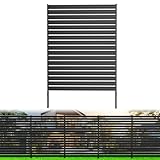
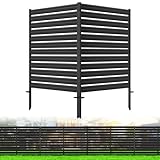
- Metal Screens: Metal screens offer a modern and durable option. They come in various patterns and can be powder-coated in different colors. Metal screens are generally low-maintenance.
- Composite Panels: Composite materials are made from a combination of wood fibers and plastic. They are durable, low-maintenance, and come in a wide range of colors and styles.
- Bamboo Screens: Bamboo screens offer a natural and eco-friendly look. They’re relatively inexpensive and easy to install. However, they may require more frequent replacement than other materials.
- DIY Options: Get creative! Use reclaimed wood, pallets, or even old doors to create unique and personalized screens.
How to install decorative screens:
- Measure and Plan: Determine the size and number of panels you’ll need to cover the fence.
- Prepare the Surface: Clean the existing fence and make any necessary repairs.
- Installation: Attach the panels to the fence using screws, nails, or brackets. Follow the manufacturer’s instructions.
- Finishing Touches: Add trim, paint, or stain as desired.
People Also Ask: Can I attach things to my neighbor’s fence? It’s generally best to avoid attaching anything to a neighbor’s fence without their permission. Consider building your screen separately, slightly in front of the fence.
Method 3: Strategic Landscaping
Sometimes, the key to hiding an ugly fence isn’t directly covering it but rather diverting attention away from it. Strategic landscaping can achieve this by creating focal points elsewhere in your yard, or by using the fence as a backdrop for a more appealing feature.
- Create Focal Points: Plant a vibrant flower bed, build a water feature, or install a beautiful sculpture to draw the eye away from the fence.
- Use Layering: Plant a variety of plants at different heights in front of the fence. This creates depth and visual interest, making the fence less noticeable.
- Add Hardscaping: Incorporate elements like pathways, patios, or seating areas to define your space and create a sense of cohesion.
- Use Lighting: Strategically placed outdoor lighting can highlight your landscaping and draw attention away from the fence. Consider uplighting trees, illuminating pathways, or using string lights to create a warm and inviting atmosphere.
- Consider Color: Use the principles of color theory. If the fence is a dark color, plant light-colored flowers or shrubs in front of it to create contrast. If the fence is light, use darker foliage to ground the space.
How to plan your landscaping:
- Assess Your Space: Consider the size and shape of your yard, the amount of sunlight it receives, and the existing features.
- Choose a Theme: Decide on a style or theme for your landscaping, such as a cottage garden, a modern minimalist design, or a tropical oasis.
- Select Plants: Choose plants that are well-suited to your climate, soil, and sunlight conditions. Consider factors like height, spread, bloom time, and color.
- Plan the Layout: Sketch out your design, considering the placement of plants, hardscaping elements, and focal points.
- Installation and Maintenance: Prepare the soil, plant your chosen plants, and maintain them through regular watering, pruning, and fertilization.
People Also Ask: How can I make my backyard look bigger? Use mirrors, light colors, and strategically placed plants to create a sense of spaciousness. (See Also: How Expensive Is an Invisible Fence? Costs, Factors & Saving Tips)
Method 4: Pergolas and Arbors
Pergolas and arbors are elegant structures that can be used to soften the appearance of a fence while adding architectural interest to your yard. They can be placed directly in front of the fence or used to create a separate seating area or walkway.
- Pergolas: Pergolas are open-topped structures with posts and beams. They can be covered with vines or left open to provide partial shade. They are ideal for creating a dining area, a seating area, or a pathway.
- Arbors: Arbors are smaller, more decorative structures, often arched. They are typically used as entryways to a garden or as a support for climbing plants.
- Placement: Position the pergola or arbor strategically to draw attention away from the fence. Consider placing it in a prominent location, such as along a pathway or near a seating area.
- Materials: Choose materials that complement your existing landscaping and the style of your home. Wood, metal, and composite materials are all popular choices.
- Planting: Plant climbing plants along the pergola or arbor to soften its appearance and create a more inviting atmosphere.
How to build or install a pergola/arbor:
- Plan and Design: Determine the size, shape, and materials for your pergola or arbor. Obtain any necessary permits.
- Prepare the Site: Level the ground and prepare the footings for the posts.
- Construction/Installation: Assemble the pergola or arbor according to the manufacturer’s instructions or your own design. Ensure it is securely anchored.
- Planting: Plant climbing plants along the structure, such as roses, wisteria, or clematis.
People Also Ask: What is the difference between a pergola and a gazebo? A gazebo has a solid roof, while a pergola has an open top.
Method 5: Painting the Fence
Sometimes, the simplest solution is the most effective. If your neighbor’s fence is in relatively good condition, a fresh coat of paint might be all it needs to blend into your landscape or at least become less of an eyesore. This approach is especially effective if the fence is made of wood.
- Choose the Right Paint: Select an exterior-grade paint that is designed for wood. Consider the color you choose. Darker colors can help the fence recede into the background, while lighter colors can brighten the space.
- Coordinate with Your Landscape: Choose a color that complements your existing landscaping and the style of your home. Consider the colors of your plants, hardscaping, and outdoor furniture.
- Get Permission (If Necessary): If you plan to paint your neighbor’s fence, be sure to get their permission first. Even if it’s on their side, it affects your view.
- Preparation is Key: Before painting, thoroughly clean the fence, remove any loose paint or debris, and repair any damaged areas. This ensures the paint adheres properly and lasts longer.
- Consider Staining: Alternatively, you can stain the fence. Staining preserves the natural look of the wood while adding color and protection.
How to paint a fence:
- Prepare the Fence: Clean, repair, and sand the fence as needed.
- Prime (If Necessary): Apply a primer if the fence is unpainted or if you’re using a light-colored paint over a dark surface.
- Paint: Apply two coats of paint, allowing each coat to dry completely.
- Clean Up: Dispose of any paint and supplies properly.
People Also Ask: What’s the best color to paint a fence? Neutral colors like gray, brown, or green often blend well with the landscape. Consider the style of your home and the surrounding environment.
Method 6: The Collaborative Approach
The best solution to an ugly fence might involve collaboration with your neighbor. This can lead to a more harmonious outcome, and potentially split the costs and labor. Here’s how to approach a collaborative project: (See Also: How Much Does a Wooden Fence Cost? Your Ultimate Guide & Price Breakdown)
- Initiate the Conversation: Start by having a friendly discussion with your neighbor. Explain your concerns about the fence and your ideas for improving its appearance.
- Discuss Options: Brainstorm possible solutions together. Consider the different methods we’ve discussed, such as planting a living screen, installing decorative panels, or painting the fence.
- Share Costs and Labor: Agree on how the costs and labor will be divided. This could involve splitting the costs equally, or one party contributing more labor or materials.
- Document the Agreement: Put the agreement in writing to avoid any misunderstandings in the future.
- Be Respectful: Even if you don’t agree on everything, maintain a respectful and cooperative attitude.
People Also Ask: How do I talk to my neighbor about their fence? Be polite, respectful, and focus on finding a solution that benefits both of you.
Additional Tips and Considerations
Here are some extra tips to help you in your quest to hide that ugly fence:
- Consider the Season: Plan your project based on the season. Planting is generally best done in spring or fall. Painting can be done in any season with moderate temperatures.
- Think About Maintenance: Choose solutions that fit your lifestyle and your ability to maintain them. Consider the amount of time and effort you’re willing to invest in upkeep.
- Don’t Give Up: Hiding an ugly fence may take time and effort. Be patient and persistent.
- Embrace the Challenge: View this project as an opportunity to enhance your outdoor space and create a beautiful and relaxing environment.
- Prioritize Safety: When working on any outdoor project, prioritize safety. Wear appropriate safety gear, such as gloves, eye protection, and a mask.
People Also Ask: How can I make my backyard more private? Combine multiple methods, such as planting a hedge, installing a decorative screen, and adding a pergola.
Final Verdict
Hiding a neighbor’s ugly fence is achievable with some planning and creativity. Whether you choose a lush green screen, decorative panels, strategic landscaping, or a collaborative approach, the key is to find a solution that complements your personal style and enhances your enjoyment of your outdoor space. Remember to consider legal aspects, and always prioritize communication with your neighbor to ensure a harmonious outcome.
Ultimately, the goal is to transform that unsightly barrier into a beautiful backdrop that you can be proud of. By following these tips and exploring the various options, you can create a backyard oasis that reflects your personal taste and provides a haven of peace and tranquility. Happy landscaping!
Recommended Products