The twinkling lights, the festive ornaments, the scent of pine – a Christmas tree is the heart of holiday magic. But for parents of toddlers, this beloved tradition can feel like a minefield. That initial excitement of sharing the wonder with your little one can quickly turn into anxiety as tiny hands reach for shiny objects and curious minds explore every nook and cranny.
You envision cozy family moments, but the reality might involve a constant stream of “No!” and frantic dashes to prevent a bauble disaster. It’s a common dilemma, leaving many parents wondering if the cherished Christmas tree is even possible with a toddler in the house. But fear not! With a little planning, creativity, and a focus on safety, you absolutely *can* have a beautiful, festive tree that everyone can enjoy.
Navigating the Toddler Christmas Tree Challenge
Bringing a Christmas tree into a home with a toddler is a unique adventure. Their boundless curiosity and developing motor skills mean that what’s a beautiful decoration for us can be a fascinating toy for them. The key is to shift your perspective from a perfectly pristine tree to one that is safe, engaging, and still evokes that holiday spirit. It’s about creating a joyful experience for your child while protecting them and your precious ornaments. This guide will walk you through every step, from choosing the right tree to managing the inevitable toddler interactions.
Choosing the Right Tree
Artificial vs. Real Trees
Both artificial and real Christmas trees have their pros and cons when toddlers are involved. Understanding these differences can help you make the best choice for your family.
Artificial Trees
- Pros: Generally more stable and less messy. Many come with pre-attached lights, saving you a step. You can store them year after year.
- Cons: Can be lighter and easier for a determined toddler to topple if not secured. Some have small parts that could be a choking hazard if they break off.
Real Trees
- Pros: The classic scent and look. Can be heavier, offering a bit more stability.
- Cons: Needles can be sharp and are a choking hazard if ingested. Sap can be sticky and difficult to remove from furniture and skin. Water reservoirs can be a drowning hazard.
Tree Stability Is Paramount
Regardless of your choice, tree stability is your number one priority. A toppled tree is a serious safety risk, posing a danger from falling ornaments, the tree itself, and potential electrical hazards from lights.
- For Artificial Trees: Invest in a sturdy, wide-based stand. Some come with a weighted base, which is ideal. If yours feels wobbly, consider adding extra weight to the base or securing it to the wall.
- For Real Trees: Opt for a heavy-duty tree stand that can hold a good amount of water. Ensure the tree is centered and securely placed within the stand.
Securing Your Tree
This is non-negotiable. Even the most stable tree can become a target for a curious toddler. Here are some effective methods:
- Wall Anchoring Kits: These are readily available at hardware stores and are designed to secure furniture and trees to the wall. They are simple to install and provide peace of mind.
- Fishing Line or Strong Twine: You can discreetly tie the top of the tree to a wall stud or a sturdy piece of furniture using strong fishing line or twine. Ensure it’s not visible or accessible to your child.
- Weighted Base Extensions: For artificial trees, you can sometimes find weighted base extensions that add extra stability.
Decorating Safely: A Toddler-Proof Approach
The ornaments are often the most appealing part of the tree for toddlers. They are shiny, colorful, and just begging to be touched. The goal here is to make the tree safe while still allowing your child to feel involved.
Ornament Placement Strategy
This is where you get creative. Think of the tree as having different zones: (See Also: How to Create a Tree in Java Example: How to Create a…)
- The Danger Zone (Bottom 2-3 Feet): This area should be largely ornament-free, or at least free of breakable, small, or tempting items.
- The Toddler-Friendly Zone (Middle Section): This is where you can place sturdier, larger, and less precious ornaments.
- The High-Up Zone (Top 2-3 Feet): This is for your most delicate, valuable, or sentimental ornaments.
What to Avoid on the Lower Branches
Steer clear of these types of decorations near the bottom:
- Glass or Breakable Ornaments: Obvious hazards.
- Small Ornaments: Choking risks.
- Ornaments with Loose Parts: Buttons, glitter that can flake off, small beads.
- Ornament Hooks: These can be sharp. Opt for ornament hangers or ribbon ties.
- Anything with Glitter: Toddlers love to eat glitter, and it’s not good for them.
- Edible Decorations: While cute, gingerbread men or candy canes can be a strong temptation for little hands.
Toddler-Proof Ornament Ideas
Focus on durable, safe, and engaging decorations for the lower and middle sections:
- Felt Ornaments: Soft, colorful, and safe.
- Wooden Ornaments: Sturdy and often larger.
- Fabric Ornaments: Cloth, yarn, or pom-pom creations.
- Plastic Ornaments: Look for ones specifically designed for durability and safety, without small detachable parts.
- DIY Ornaments: Get your toddler involved in making their own safe ornaments! Think painted pasta, salt dough creations (ensure they are sealed well), or simple paper cut-outs.
- Picture Ornaments: Print photos of your family and laminate them or place them in sturdy plastic sleeves.
Securing Ornaments
Even sturdy ornaments can be pulled off. Use pipe cleaners, strong ribbon, or secure ornament hooks to ensure they stay put. Double-check that all ornaments are firmly attached.
Light Safety
Twinkling lights are magical, but they also pose electrical hazards and can get hot.
Choosing the Right Lights
- LED Lights: These are a fantastic choice as they generate very little heat, significantly reducing the risk of burns.
- Avoid Incandescent Lights: These get much hotter and are a greater burn risk.
- Check for Damage: Always inspect your light strands for frayed wires, cracked bulbs, or loose connections before putting them on the tree.
Placement and Management
- Keep Cords Tucked: Ensure all cords are tucked away and not dangling where a toddler can grab them.
- Use Timers: Set lights to turn off automatically when you’re not supervising.
- Out of Reach: If possible, run the main cord to an outlet that is not easily accessible to your toddler.
- Test for Heat: Periodically check the bulbs to ensure they aren’t getting too hot to touch.
The Tree Skirt Dilemma
A tree skirt can be a tempting plaything for a toddler, leading to them pulling on the tree or scattering ornaments. Consider these alternatives:
- Tree Collar: A sturdy tree collar made of metal, wicker, or wood can be a safer option as it’s less likely to be pulled off.
- Gift Boxes: Place empty, wrapped gift boxes around the base of the tree. These are less likely to cause the tree to topple than a fabric skirt.
- No Skirt: If your tree stand is aesthetically pleasing, you might opt for no skirt at all.
Managing Toddler Interaction and Supervision
Even with all the safety precautions, constant supervision is key. Toddlers are unpredictable, and their fascination with the tree can be intense.
Designated Tree Time
Set aside specific times when your toddler can get closer to the tree. During these times, be present and actively engage with them. Point out their favorite ornaments, sing Christmas songs, and reinforce safe behavior. (See Also: Mastering How to Pick Lemons Off Tree: A Guide)
Redirecting Curiosity
When your toddler shows too much interest in a specific ornament or tries to pull on the tree, have a redirection strategy ready. Offer them a safe toy, a book, or a different activity to engage their attention.
Toddler-Friendly Activities
Involve your toddler in the decorating process in safe ways. Let them hang their own safe ornaments on the lower branches. Sing carols together while you decorate. This makes them feel part of the tradition rather than just being told “no.”
Setting Boundaries
Clearly and calmly communicate boundaries. Use simple language like, “The tree is for looking, not touching,” or “Gentle hands for ornaments.” Consistency is crucial.
The “no-Go” Zone Around the Tree
Establish a perimeter around the tree that your toddler knows not to cross without you. You can use baby gates for a short period if absolutely necessary, but active supervision is always best.
Alternatives to a Full-Sized Tree
If a traditional, large Christmas tree feels too overwhelming with a toddler, don’t despair! There are many wonderful alternatives that still capture the holiday spirit.
Mini Trees
A small, tabletop artificial tree can be placed on a high shelf or counter, out of reach. You can still decorate it with child-safe ornaments, and your toddler can admire it from a distance.
Wall Trees
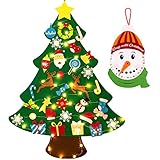
These are a fantastic space-saving and toddler-proof option. You can create a tree shape on your wall using fairy lights, felt cut-outs, stickers, or even washi tape. This keeps all the decorations safely off the floor. (See Also: Mastering Shadows: How to Draw a Shadow of a Tree)
Cardboard Box Trees
Stack decorated cardboard boxes in a tree shape. This is a fun, DIY project that is entirely safe and can be customized with your toddler’s artwork.
Tree-Shaped Garlands
Hang garlands on a wall or door in the shape of a Christmas tree. You can then hang a few lightweight, safe ornaments from the garland.
Focus on Other Decorations
Shift the focus to other areas of your home. Decorate windows with festive clings, create a beautiful mantelpiece display, or fill your home with garlands and festive cushions. Your toddler can still enjoy the overall holiday atmosphere.
The “toddler-Proof” Tree: A Realistic Vision
It’s important to adjust your expectations. A toddler-proof Christmas tree might not look like the picture-perfect trees you see in magazines. It might have more empty space on the lower branches, fewer delicate ornaments, and a greater emphasis on safety. But what it *will* have is the magic of the season shared with your little one. It will be a tree that sparks joy, not anxiety. Embrace the imperfections and celebrate the fact that you are creating new holiday memories.
Post-Holiday Tree Removal
Even after Christmas, the tree can still pose a hazard. Ensure you remove any remaining ornaments carefully and dispose of the tree promptly and safely, especially if it’s a real tree that has dried out.
Final Verdict
Having a Christmas tree with a toddler is entirely achievable with careful planning and a focus on safety. Prioritize stability by securing your tree and choosing child-friendly decorations, especially for lower branches. Opt for LED lights, avoid breakable items, and always supervise your little one. Consider alternatives like mini trees or wall trees if a traditional setup feels too risky. By adjusting expectations and embracing a toddler-proof approach, you can create a magical and safe holiday experience for your entire family.
Recommended Products