Lavender, with its fragrant blooms and silvery foliage, is a beloved addition to any garden. Its beauty and versatility, from culinary uses to aromatherapy, make it a prized plant. However, improper harvesting can damage or even kill your lavender plants, diminishing your future harvests and enjoyment.
This comprehensive guide will teach you how to harvest lavender without killing the plant, ensuring its longevity and continued production. We will delve into the optimal timing, correct cutting techniques, and essential tools needed for a successful and sustainable lavender harvest. By following these steps, you’ll be able to enjoy your lavender for years to come.
You’ll learn about the different types of lavender, their specific needs, and how to adapt your harvesting methods accordingly. Discover the best times to harvest for optimal fragrance and oil production. This guide will cover everything you need to know to ensure a bountiful and healthy lavender harvest year after year.
Understanding Lavender Varieties and Their Harvesting Needs
Before you begin harvesting, it’s crucial to understand the different types of lavender and their specific characteristics. Different varieties have varying growth habits, bloom times, and optimal harvesting periods. Familiarizing yourself with your specific lavender variety will help you tailor your harvesting techniques for the best results.
Common Lavender Varieties
- English Lavender (Lavandula angustifolia): This is the most common variety, known for its strong fragrance and culinary uses. It typically blooms in early to mid-summer. English lavender is generally considered the hardiest and easiest to grow.
- French Lavender (Lavandula dentata): This variety features toothed leaves and a slightly different fragrance profile. It often blooms later than English lavender. French lavender is more tolerant of humidity.
- Lavandin (Lavandula x intermedia): A hybrid of English and Portuguese lavender, lavandin is known for its high oil yield and strong scent. It blooms later in the summer and is often grown commercially. Lavandins are generally larger and more vigorous growers than English lavender.
- Spanish Lavender (Lavandula stoechas): This variety has distinctive bracts (petal-like structures) at the top of its flower spikes. It blooms in spring and early summer. Spanish lavender is less cold-hardy than English lavender.
Identifying Your Lavender Variety
If you’re unsure of your lavender variety, observe its characteristics. Note the leaf shape, flower color, bloom time, and overall plant size. Compare these observations with descriptions of different lavender varieties. Consulting with a local nursery or garden center can also help you identify your lavender variety accurately. Knowing the variety is crucial for determining the best harvesting time and technique.
The Optimal Timing for Harvesting Lavender
Timing is critical when it comes to harvesting lavender. Harvesting at the wrong time can result in a weaker fragrance and a less successful harvest. The optimal time to harvest lavender depends on the variety and your intended use for the blooms.
Harvesting for Culinary Purposes
For culinary use, harvest lavender flowers just as the buds are beginning to open. This is when the flavor is most potent. Harvest in the morning, after the dew has dried but before the heat of the day sets in. This is when the essential oils are most concentrated. Early morning harvests also result in less moisture in the buds, which is beneficial for drying.
Harvesting for Essential Oil Production
For essential oil production, harvest lavender when most of the buds are open. This is when the oil yield is at its peak. Again, harvest in the morning for the best oil concentration. The stage of bloom directly impacts the quantity and quality of essential oil you can extract. Harvesting at the right time ensures you’re maximizing your yield.
Harvesting for Dried Flowers
For dried flowers, harvest lavender when the flower spikes are about half to three-quarters open. This allows the blooms to retain their color and fragrance as they dry. Harvesting at this stage also helps to prevent the flowers from shattering during the drying process. Dried lavender is perfect for sachets, potpourri, and decorative arrangements.
General Harvesting Guidelines
Regardless of your intended use, avoid harvesting lavender during or immediately after rain. Water can dilute the essential oils and increase the risk of fungal diseases. Also, avoid harvesting during the hottest part of the day, as this can cause the essential oils to evaporate. The cooler morning temperatures are ideal for preserving the plant’s valuable oils.
Essential Tools for Harvesting Lavender
Having the right tools makes the harvesting process easier and more efficient. Using the appropriate tools will also help you avoid damaging your lavender plants. Investing in quality tools will ensure a successful and enjoyable harvesting experience.
Pruning Shears or Scissors
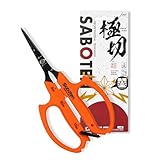
Sharp pruning shears or scissors are essential for cleanly cutting the lavender stems. Choose shears with bypass blades, which provide a clean cut without crushing the stems. Regular scissors can also work, but make sure they are sharp to avoid tearing the stems. Sharp cuts promote faster healing and prevent the spread of disease.
Harvesting Basket or Container
A basket or container is needed to collect the harvested lavender. Choose a basket or container that is the appropriate size for your harvest. A basket with good air circulation is ideal for preventing the harvested flowers from becoming overly moist. Avoid using plastic bags, which can trap moisture and lead to mold. (See Also: How to Revive a Snake Plant: Your Ultimate Guide)
Gloves (optional)
Gloves are optional, but they can protect your hands from the oils in the lavender. Some people are sensitive to lavender oil, and gloves can prevent skin irritation. If you have sensitive skin, wearing gloves is a good idea. Even if you don’t have sensitive skin, gloves can keep your hands clean.
Rubber Bands or Twine
Rubber bands or twine are needed to bundle the harvested lavender stems together for drying. Choose rubber bands that are UV resistant or twine made from natural materials. Avoid using anything that could damage the stems or leave chemical residue. These are crucial for the drying process.
Step-by-Step Guide: How to Harvest Lavender Without Killing the Plant
Following these steps will ensure a successful and sustainable lavender harvest. Remember to be gentle and avoid removing too much foliage or stems at once. Proper technique is key to keeping your lavender thriving.
Step 1: Prepare Your Tools
Gather all of your tools, including pruning shears or scissors, a harvesting basket, and rubber bands or twine. Make sure your pruning shears are sharp and clean. This will help you make clean cuts and prevent the spread of diseases. A clean workspace is also beneficial.
Step 2: Identify the Stems to Harvest
Choose the stems to harvest. Select stems with flowers that are at the appropriate stage of bloom for your intended use. Avoid harvesting more than one-third of the plant’s stems in a single harvest. This ensures that the plant has enough foliage to continue photosynthesizing and producing energy. This is critical for the plant’s health.
Step 3: Make Clean Cuts
Using your pruning shears or scissors, cut the stems just above a set of leaves. This encourages the plant to produce new growth. Avoid cutting into the woody part of the stem, as this can be more difficult for the plant to heal. A clean cut is crucial to prevent disease.
Step 4: Gather and Bundle the Stems
Gather the harvested stems into small bundles. Use rubber bands or twine to secure the bundles. The size of the bundles will depend on the size of your harvesting area. Smaller bundles dry more evenly and quickly. Make sure the bundles are not too tight, as this can restrict airflow.
Step 5: Dry the Lavender (if Desired)
Hang the bundles upside down in a cool, dark, and well-ventilated area to dry. This helps to preserve the color and fragrance of the lavender. Drying in a dark environment prevents fading. Good air circulation is essential to prevent mold and mildew. Allow the lavender to dry for several weeks until the stems are brittle and the flowers are dry to the touch.
Step 6: Store Your Harvest
Once the lavender is completely dry, store the flowers in an airtight container away from direct sunlight. This helps to preserve the fragrance and essential oils. Proper storage extends the shelf life of your harvest. Keep the container in a cool, dark, and dry place for best results.
Pruning After Harvesting: Maintaining Plant Health
Pruning after harvesting is crucial for maintaining the health and vigor of your lavender plants. It encourages new growth and helps to shape the plant. Regular pruning also prevents the plant from becoming woody and leggy. Proper post-harvest pruning is key for long-term health.
Light Pruning (after the First Harvest)
After your first harvest, you can perform a light pruning. Trim back any stems that you didn’t harvest. This helps to shape the plant and encourages new growth. Avoid removing more than one-third of the plant’s foliage. Light pruning helps to keep the plant tidy and encourages future blooms.
Annual Pruning (late Summer/early Fall)
In late summer or early fall, after the final harvest, perform a more significant pruning. Cut back the plant by about one-third to one-half of its size. This helps to rejuvenate the plant and prevent it from becoming woody. Avoid cutting into the old, woody stems, as this can be difficult for the plant to recover from. Annual pruning is essential to maintain the plant’s shape and health. (See Also: How to Revive a Dying Plant: Ultimate Guide to Greenery!)
Avoid Over-Pruning
Avoid over-pruning, especially in the first year of growth. Over-pruning can stress the plant and make it more susceptible to disease. Always err on the side of caution when pruning. It’s better to prune less than to remove too much foliage. Over-pruning can also reduce the number of blooms in the following year.
Common Mistakes to Avoid When Harvesting Lavender
Avoiding these common mistakes will help you ensure a successful and sustainable lavender harvest. Being mindful of these potential pitfalls will help you keep your plants healthy and productive.
Harvesting Too Much at Once
Avoid harvesting more than one-third of the plant’s stems at any one time. Over-harvesting can weaken the plant and reduce its ability to produce new growth. This can also lead to fewer blooms in the following year. Harvesting in moderation is key to long-term plant health.
Harvesting at the Wrong Time of Day
Avoid harvesting during the hottest part of the day, as this can cause the essential oils to evaporate. Harvest in the morning after the dew has dried but before the sun is too strong. This is when the oil concentration is at its peak. The cooler morning temperatures help to preserve the fragrance.
Using Dull or Dirty Tools
Always use sharp and clean pruning shears or scissors. Dull tools can tear the stems, making them more susceptible to disease. Dirty tools can spread diseases from plant to plant. Clean and sharp tools are essential for a healthy harvest.
Ignoring Your Plant’s Specific Needs
Understand the specific needs of your lavender variety. Different varieties have different bloom times and optimal harvesting periods. Research your variety to determine the best time to harvest. Understanding your plant’s needs will lead to a better harvest.
Not Pruning After Harvesting
Failing to prune after harvesting can lead to a leggy and less productive plant. Pruning encourages new growth and helps to maintain the plant’s shape. Regular pruning is essential for long-term health and productivity.
Troubleshooting Common Harvesting Issues
Even with careful planning, you may encounter some issues during the lavender harvesting process. Here are some troubleshooting tips to help you overcome these challenges.
Lavender Stems Are Wilting
If your lavender stems are wilting after harvesting, it could be due to several factors. Ensure that you are making clean cuts and not crushing the stems. Provide adequate air circulation during the drying process. Check for any signs of disease or pests. Consider the time of day you harvested; excessive heat can cause wilting.
Lavender Flowers Are Losing Color
If your lavender flowers are losing their color during drying, it could be due to exposure to sunlight. Dry your lavender in a cool, dark place to preserve the color. Make sure the drying area has good air circulation to prevent mold. Also, harvesting at the correct stage of bloom is crucial for preserving color.
Lavender Is Developing Mold
If your lavender is developing mold during drying, it’s likely due to insufficient air circulation or excessive moisture. Ensure that the bundles are not too tightly packed and are drying in a well-ventilated area. Consider spreading the stems out to dry individually. Also, ensure the lavender is completely dry before storing it.
My Lavender Plant Isn’t Blooming Well
If your lavender plant isn’t blooming well, it could be due to several factors. Ensure the plant is getting enough sunlight and proper water. Consider the soil conditions; lavender prefers well-draining soil. Check for any signs of pests or diseases. Prune your plant after harvesting to encourage new growth and flowering. Also, ensure you are fertilizing appropriately. (See Also: How to Plant Black Eyed Susans: A Simple Guide)
Harvesting Lavender for Different Purposes: A Detailed Guide
The method for harvesting lavender can vary depending on what you intend to do with the harvested blooms. Here’s a breakdown for each use:
Harvesting for Culinary Use
Culinary lavender requires careful timing. Harvest the flower buds just as they are beginning to open, when the flavor is most potent. Use sharp scissors to cut the stems, leaving a few inches of stem attached. Air dry the buds in a well-ventilated, dark place. Once dried, you can remove the buds from the stems and store them in an airtight container. Use culinary lavender in baking, teas, and savory dishes. Remember that culinary lavender often is a specific variety known for its flavor.
Harvesting for Aromatherapy and Essential Oils
Harvest lavender for essential oil production when the majority of the buds are open. This is when the oil yield is at its peak. Cut the stems at the base, gathering them in bundles. For essential oil extraction, you’ll need to steam distill the flowers. The process involves gently heating the flowers and collecting the condensed oil. Store the extracted essential oil in dark glass bottles away from sunlight and heat. The quality of the oil depends on the harvesting and distillation process.
Harvesting for Crafts and Decoration
For crafts and decoration, harvest the lavender when the flowers are about halfway open. Cut the stems long, leaving at least 6-8 inches. Bundle the stems and hang them upside down in a cool, dark, and well-ventilated area to dry. Once dried, you can use the lavender in wreaths, bouquets, sachets, and potpourri. The dried flowers retain their color and fragrance, adding beauty and scent to any craft project. The longer stems provide more versatility for crafting.
Harvesting for Propagation
While not a primary harvesting purpose, you can take cuttings from your lavender plants for propagation. Select healthy stems and cut them to about 4-6 inches in length. Remove the lower leaves and dip the cut end in rooting hormone. Plant the cuttings in a well-draining potting mix. Keep the soil moist but not waterlogged. Propagation is an excellent way to expand your lavender garden. Ensure you take cuttings from healthy, disease-free plants.
Preventative Measures: Keeping Your Lavender Healthy
Maintaining healthy lavender plants is key to a successful and sustainable harvest. Proper care and preventative measures will help you avoid problems and ensure a bountiful harvest year after year. Proactive care will save you time and effort.
Proper Watering Techniques
Lavender prefers well-draining soil and does not like to be overwatered. Water deeply but infrequently, allowing the soil to dry out between waterings. Water at the base of the plant to avoid wetting the foliage, which can lead to fungal diseases. Avoid overhead irrigation, which can also encourage fungal growth. Proper watering is essential to prevent root rot.
Sunlight Requirements
Lavender thrives in full sun, requiring at least 6-8 hours of sunlight per day. Plant your lavender in a location that receives ample sunlight. Insufficient sunlight can lead to weak growth and fewer blooms. Ensure that there are no obstructions, such as trees or buildings, that block the sunlight. Full sun exposure is critical for healthy growth.
Soil Preparation and Drainage
Lavender requires well-draining soil to prevent root rot. Amend the soil with compost or other organic matter to improve drainage. Consider planting your lavender in raised beds or containers if your soil is poorly draining. Avoid heavy clay soils, which can retain too much moisture. Good drainage is essential for the health of the plant.
Pest and Disease Control
Monitor your lavender plants regularly for pests and diseases. Common pests include spider mites and aphids. Use insecticidal soap or neem oil to control pests. Fungal diseases can be prevented by providing good air circulation and avoiding overwatering. Remove any diseased leaves or stems promptly. Early detection and treatment are key to preventing the spread of pests and diseases.
Fertilizing Practices
Lavender generally does not require heavy fertilization. Over-fertilizing can lead to excessive foliage growth and fewer blooms. Apply a balanced fertilizer in the spring, following the manufacturer’s instructions. Avoid fertilizing during the dormant season. A light application of fertilizer is usually sufficient.
Conclusion: Cultivating a Thriving Lavender Garden
Harvesting lavender successfully is a rewarding experience that requires understanding, patience, and the right techniques. By following the tips in this guide, you can learn how to harvest lavender without killing the plant, ensuring its longevity and continued beauty. Remember to consider the variety, harvest at the right time, and use the correct tools. With proper care and attention, you can enjoy a flourishing lavender garden for years to come. Your fragrant harvest awaits!
Recommended Products