Are you a budding cannabis cultivator eagerly anticipating the fruits of your labor? The moment you’ve been waiting for, the harvest, is fast approaching! Knowing how to harvest a pot plant correctly is crucial for maximizing the potency, flavor, and overall quality of your buds. A well-timed and carefully executed harvest can make all the difference between a mediocre yield and a truly exceptional experience.
This comprehensive guide will walk you through every step of the harvesting process, from identifying the optimal harvest time to the crucial techniques of trimming and curing. We’ll delve into the science behind trichomes, the importance of flushing, and the various methods for drying and curing your precious buds. Prepare to transform your homegrown cannabis into a connoisseur-level product.
Understanding the intricacies of the harvest process ensures you get the most out of your hard work. This guide focuses on maximizing your yield and potency, and preserving the unique flavor profiles of your chosen strain. Let’s dive in and learn how to harvest a pot plant like a pro!
Determining the Optimal Harvest Time
Timing is everything when it comes to harvesting cannabis. Harvesting too early can result in buds that lack potency and flavor, while harvesting too late can lead to a degraded high and potential loss of desirable cannabinoids. The key is to closely monitor your plants and understand the visual cues that indicate they’re ready for harvest.
Understanding Trichomes
Trichomes are tiny, mushroom-shaped glands that cover the surface of cannabis buds and leaves. These glands are responsible for producing the cannabinoids (like THC and CBD) and terpenes that give cannabis its psychoactive effects, aroma, and flavor. Observing the color of the trichomes is the most reliable way to determine when your plants are ready for harvest.
- Clear Trichomes: When trichomes are clear, they are still developing and haven’t reached their peak potency. Harvesting at this stage will result in a less potent product.
- Cloudy/Milky Trichomes: This is generally considered the sweet spot for harvesting. The trichomes are at their peak THC content, and the high will be more uplifting and cerebral.
- Amber Trichomes: As the trichomes mature further, they begin to turn amber. At this stage, some of the THC degrades into CBN, which can result in a more sedative, “couch-lock” effect.
To monitor trichome color, you’ll need a magnifying tool, such as a jeweler’s loupe or a digital microscope. These tools allow you to closely examine the trichomes and observe their color changes. Check the trichomes on the buds, not the sugar leaves, as the trichomes on sugar leaves may mature faster.
Other Visual Cues
While trichome color is the primary indicator, other visual cues can also help you determine the harvest time. Observing the pistils, the small hairs that emerge from the buds, is another helpful method. The pistils start out white and upright, and as the plant matures, they turn colors, curl inward, and begin to shrivel.
- Pistil Color: Ideally, you want to harvest when approximately 60-80% of the pistils have turned brown or red.
- Bud Density: The buds should be dense and firm to the touch. The calyxes (the tear-drop shaped structures that make up the bud) will also begin to swell.
- Leaf Condition: Some of the larger fan leaves may start to yellow and die off as the plant reaches maturity. This is a natural process as the plant focuses its energy on bud production.
Harvesting at the Right Time: Why Is It Important?
Harvesting at the correct time is essential for achieving the desired effects and maximizing the quality of your cannabis. Harvesting too early will result in a less potent and less flavorful product. The high might be more energetic, but it will lack depth. Harvesting too late can lead to a more sedative high, and the flavor profile might become less desirable.
Consider the strain you are growing and your personal preferences when deciding on the harvest window. Some growers prefer a more uplifting high, so they harvest when the trichomes are mostly cloudy. Others prefer a more relaxing, body-focused high and might wait until some of the trichomes have turned amber.
Preparing for Harvest
Before you even think about cutting down your plants, there are several steps you need to take to prepare for harvest. Proper preparation will make the harvesting process smoother and more efficient, and it will also help to ensure the best possible results.
Flushing Your Plants
Flushing is the process of giving your plants plain water, without any added nutrients, for a specific period before harvest. The goal of flushing is to remove any built-up salts and nutrients from the growing medium and the plant itself. This can improve the flavor and smoothness of the final product. (See Also: How Late Can You Plant Turnips? A Planting Guide)
The length of the flushing period depends on the growing medium. For soil grows, flush for about 1-2 weeks. For soilless grows (like coco coir or hydroponics), flush for about 7-10 days. During the flushing period, monitor the runoff water’s PPM (parts per million) to ensure that the nutrient levels are decreasing.
Gathering Your Supplies
Having the right tools and equipment on hand is crucial for a successful harvest. Make sure you have everything you need before you start, so you don’t have to interrupt the process. This will save you time and prevent unnecessary stress on your plants.
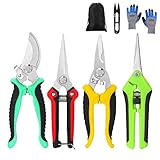
- Pruning Shears/Scissors: Sharp, clean pruning shears or scissors are essential for trimming the buds. Consider having multiple pairs.
- Gloves: Wearing gloves is recommended to keep your hands clean and prevent resin from sticking to your skin.
- Trimming Tray: A trimming tray with a screen or collection surface is helpful for collecting kief (the resin glands that fall off the buds during trimming).
- Drying Rack/Hanging Space: You’ll need a well-ventilated space to dry your buds. A drying rack or a place to hang the plants upside down is essential.
- Hanging Twine/Wire: For hanging the plants or individual branches.
- Fan: A small fan to circulate the air during drying.
- Humidity and Temperature Monitoring Equipment: A hygrometer and thermometer to monitor the environment during drying and curing.
- Jars/Containers for Curing: Glass jars with airtight lids are ideal for curing.
- Isopropyl Alcohol: To clean your tools and equipment.
Preparing Your Harvesting Space
Choose a clean, well-lit area for harvesting and trimming. This area should ideally be temperature- and humidity-controlled to optimize the drying process. Ensure there is good airflow to prevent mold and mildew from forming. Clean your harvesting space thoroughly to minimize the risk of contamination.
Consider the size of your plants and the amount of space you need for trimming and drying. If you have a large harvest, you may need to set up multiple drying racks or dedicate an entire room to the process. Ensure the space is easily accessible and that you have enough room to work comfortably.
The Harvesting Process
Once you’ve determined the optimal harvest time and prepared your space, it’s time to start harvesting. There are two primary methods for harvesting: wet trimming and dry trimming. Both methods have their pros and cons, and the best method for you will depend on your personal preferences and the specific circumstances of your grow.
Wet Trimming vs. Dry Trimming
Wet Trimming: This involves trimming the buds immediately after harvesting, while the plant is still wet. This method is faster and easier, and it allows for a more uniform appearance. However, wet trimming can also lead to a slower drying process and potentially a loss of some terpenes.
Dry Trimming: This involves drying the entire plant or branches before trimming the buds. This method is slower but can preserve more terpenes and result in a smoother, more flavorful final product. Dry trimming also makes it easier to collect kief.
Consider the humidity level in your drying environment when deciding between wet and dry trimming. If the humidity is high, wet trimming may be preferable to speed up the drying process and reduce the risk of mold. If the humidity is low, dry trimming may be a better option to prevent the buds from drying out too quickly.
Step-by-Step Harvesting
- Cut Down the Plant or Branches: Using clean pruning shears, cut the entire plant at the base of the stem or cut individual branches.
- Remove Large Fan Leaves: Remove the large fan leaves as these are not typically used. You can save these for making edibles or concentrates.
- Wet Trimming (if applicable): If you’re wet trimming, now is the time to trim the buds. Use your pruning shears or scissors to carefully remove the sugar leaves (the small leaves that grow directly from the buds). Trim the buds as close to the flower as possible without damaging them.
- Hang or Place to Dry: If you’re dry trimming, hang the entire plant upside down or individual branches in a well-ventilated, dark space. Alternatively, you can place the trimmed buds on a drying rack.
- Maintain Ideal Drying Conditions: The ideal drying conditions are a temperature of 60-70°F (15-21°C) and a humidity level of 50-60%. Use a fan to circulate the air and prevent mold.
- Monitor Drying Progress: The drying process typically takes 7-14 days. The buds are ready when the stems snap cleanly when bent.
- Dry Trimming (if applicable): Once the buds are dry, trim them to your desired shape and remove any remaining sugar leaves.
- Cure the Buds: Place the trimmed buds in airtight glass jars and cure them for several weeks or months (more on this in the next section).
Drying and Curing: The Final Steps
Drying and curing are two of the most critical steps in the harvesting process. These steps are essential for preserving the quality of your buds and maximizing their flavor, aroma, and potency. Drying removes excess moisture from the buds, while curing allows the remaining chlorophyll to break down and the flavor profile to develop.
The Drying Process
The goal of drying is to remove excess moisture from the buds slowly and evenly. Slow drying is essential for preserving the terpenes and preventing the buds from becoming harsh. Rapid drying can damage the trichomes and result in a less flavorful product. (See Also: Planting Bush Beans: How Far Apart Should You Plant?)
- Ideal Drying Environment: The ideal drying environment is a dark, well-ventilated space with a temperature of 60-70°F (15-21°C) and a humidity level of 50-60%.
- Air Circulation: Use a fan to circulate the air and prevent mold and mildew from forming. Avoid pointing the fan directly at the buds, as this can cause them to dry out too quickly.
- Hanging the Plants: Hang the entire plant upside down or individual branches, ensuring there is space between each branch for air circulation.
- Monitoring Drying Progress: Monitor the buds closely during the drying process. The buds are ready when the stems snap cleanly when bent. This typically takes 7-14 days.
The Curing Process
Curing is the process of storing the dried buds in airtight containers for several weeks or months. During curing, the remaining moisture is evenly distributed throughout the buds, and the chlorophyll breaks down, resulting in a smoother, more flavorful product. Curing also allows the terpenes to fully develop, which enhances the aroma and flavor.
- Curing Containers: Use airtight glass jars with wide mouths. Clean the jars thoroughly before use.
- Filling the Jars: Fill the jars loosely, leaving some space at the top. Do not pack the buds too tightly, as this can trap moisture and lead to mold.
- Burping the Jars: “Burp” the jars by opening them for 15-30 minutes once or twice a day for the first week or two. This allows fresh air to circulate and releases excess moisture.
- Monitoring Humidity: Monitor the humidity levels inside the jars. If you see condensation on the inside of the jars, the buds are still too wet, and you should burp the jars more frequently.
- Long-Term Curing: After the first few weeks, you can reduce the frequency of burping to once a week or less. The longer you cure the buds, the better the flavor and aroma will become. Curing for at least 4-8 weeks is recommended for optimal results.
Troubleshooting Common Problems
Even with careful planning and execution, problems can sometimes arise during the harvesting process. Here are some common problems and how to address them.
Mold and Mildew
Mold and mildew are a serious threat during the drying and curing process. They thrive in humid environments and can quickly ruin your harvest. Preventative measures are key.
- Prevention: Maintain a low humidity level (50-60%) during drying and curing. Ensure good air circulation using fans. Avoid overcrowding the drying area.
- Detection: Regularly inspect your buds for signs of mold or mildew. Look for white, gray, or black fuzzy patches.
- Treatment: If you find mold or mildew, remove the affected buds immediately. Improve air circulation and lower the humidity. If the problem is widespread, you may need to discard the entire harvest.
Over-Drying
Over-drying can result in harsh, crumbly buds that lose their flavor and potency. It’s often the result of drying in an environment that’s too hot or dry, or drying for too long.
- Prevention: Maintain the correct temperature and humidity levels. Monitor the drying progress closely and don’t over-dry the buds.
- Treatment: If the buds are over-dried, you can try rehydrating them by placing a small piece of orange peel or a humidity control pack in the curing jar. Monitor carefully to avoid mold.
Under-Drying
Under-dried buds can be prone to mold and mildew. They will also be difficult to trim and cure properly.
- Prevention: Allow sufficient time for the buds to dry before trimming and curing.
- Treatment: If the buds are under-dried, allow them to continue drying in a well-ventilated area. Monitor for mold. You can also burp the curing jars more frequently.
Pests
Pests can be a problem during the growing and harvesting process. Pests can damage the buds and contaminate your harvest.
- Prevention: Inspect your plants regularly for pests. Use organic pest control methods during the growing cycle.
- Treatment: If you find pests, remove the affected buds and treat the plants with an appropriate pest control product.
Maximizing Yield and Potency
While the focus of this guide has been on how to harvest a pot plant, the harvesting process is just one part of the equation. To maximize your yield and potency, you need to consider the entire growing cycle, from seed to harvest.
Genetics
Choose high-quality genetics from a reputable seed bank. The genetic makeup of your plants will have a significant impact on their yield, potency, and flavor. Research different strains and choose varieties that are known for their high yields and desirable characteristics.
Growing Environment
Provide your plants with the optimal growing environment. This includes adequate lighting, proper ventilation, and a consistent temperature and humidity. Ensure that your plants receive the right amount of nutrients and water. Consider growing indoors, where you can have more control over the environment.
Nutrients and Feeding
Provide your plants with the proper nutrients throughout their life cycle. Use a balanced nutrient solution that is specifically designed for cannabis. Follow the manufacturer’s instructions carefully. Avoid overfeeding your plants, as this can lead to nutrient burn. Flush your plants before harvest to remove any built-up salts. (See Also: Aloe Vera Watering Guide: How Often Should You Water?)
Training Techniques
Use training techniques like topping, low-stress training (LST), and super cropping to manipulate the growth of your plants and increase their yield. These techniques encourage the plant to produce more bud sites and promote even light distribution.
Pruning
Prune your plants regularly to remove any dead or diseased leaves and to improve air circulation. Pruning can also help to focus the plant’s energy on bud production. Remove any leaves that are blocking light from reaching the lower bud sites.
Frequently Asked Questions (paa Style)
Here are some of the most frequently asked questions about harvesting cannabis, answered to provide you with a more complete understanding. These questions are often found in “People Also Ask” (PAA) sections on search engine results pages.
What Happens If You Harvest Cannabis Too Early?
Harvesting cannabis too early can result in buds that lack potency and flavor. The trichomes, which contain the cannabinoids and terpenes, will not have fully developed. The high might be more energetic and less sedative, but it will be less potent overall. The flavor profile will also be underdeveloped.
What Is the Best Way to Dry Cannabis After Harvest?
The best way to dry cannabis after harvest is to hang the entire plant upside down or individual branches in a dark, well-ventilated space with a temperature of 60-70°F (15-21°C) and a humidity level of 50-60%. Air circulation is crucial to prevent mold and mildew. Slow drying is essential for preserving the terpenes and preventing a harsh final product.
How Long Should You Dry Weed Before Curing?
You should dry weed until the stems snap cleanly when bent, which usually takes 7-14 days. This indicates that the buds have lost enough moisture to be properly cured. The buds should feel dry to the touch but not crumbly.
What Is the Best Way to Cure Cannabis?
The best way to cure cannabis is to place the dried buds in airtight glass jars and store them in a cool, dark place. Open the jars (burp) for 15-30 minutes once or twice a day for the first week or two to release excess moisture. After that, burp the jars less frequently, typically once a week, for several weeks or months. Proper curing improves flavor and potency.
Conclusion
Learning how to harvest a pot plant is a rewarding experience that allows you to take control of your cannabis cultivation journey. Mastering the techniques of harvesting, drying, and curing will elevate the quality of your harvest. From monitoring trichomes to trimming techniques, each step is critical. Implement the knowledge gained to produce potent, flavorful cannabis. Enjoy the fruits of your labor and happy harvesting!
Recommended Products