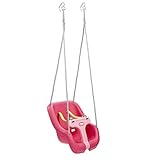
Imagine the gentle sway, the dappled sunlight filtering through leaves, and the happy giggles of your little one enjoying the fresh air. Hanging a baby swing from a tree can be a magical addition to your backyard, offering a natural and engaging play space.
However, safety is paramount. You want to ensure that the tree you choose is robust and the hanging method is secure, providing peace of mind as your baby delights in their new outdoor adventure.
This guide will walk you through everything you need to know, from selecting the perfect tree to choosing the right hardware, ensuring a safe and joyful experience for your little explorer.
Choosing the Right Tree: Your Foundation for Fun
The first and most critical step in how to hang baby swing from tree is selecting the right tree. Not all trees are created equal when it comes to supporting the weight and movement of a swing. You need a tree that is mature, healthy, and possesses the structural integrity to handle the load.
Assessing Tree Health and Maturity
Look for these signs of a healthy tree:
- Mature Hardwood: Opt for established hardwood trees like oak, maple, or sycamore. These are known for their strength and deep root systems. Avoid fruit trees, willow trees, or any tree that appears young or unhealthy.
- No Signs of Disease or Damage: Inspect the trunk and branches for any signs of rot, fungus, insect infestation, or large cracks. If you see any of these, the tree is not suitable.
- Strong, Upright Branches: The ideal branch for hanging a swing is thick, healthy, and extends horizontally or at a slight downward angle. It should be at least 8-10 inches in diameter where you plan to attach your hardware. Avoid branches that are dead, brittle, or show signs of stress.
- Adequate Clearance: Ensure there’s plenty of open space around the swing’s intended location. There should be no low-hanging branches, fences, or other obstacles that could pose a hazard during swinging.
Determining the Best Branch
When deciding on the specific branch, consider the following: (See Also: How Can I Tell If My Tree Is Dead? Signs & Solutions)
- Height: The branch should be at a height that allows the swing to hang at a safe distance from the ground when not in use. For a baby swing, aim for a hanging point that results in the swing seat being about 12-18 inches off the ground when at rest.
- Location: Think about sun exposure and wind. A spot with partial shade is often ideal to prevent overheating on sunny days. Avoid areas that are excessively windy or prone to falling debris.
- Load Bearing Capacity: While difficult to quantify precisely without professional assessment, a thick, healthy hardwood branch is your best bet. If you have any doubts about the strength of a branch, it’s always better to err on the side of caution and consult an arborist.
Essential Hardware and Tools for a Secure Installation
Once you’ve identified the perfect tree and branch, it’s time to gather the necessary hardware. The right equipment is crucial for a safe and durable installation. We’ll explore different options and what you’ll need.
Swing Hangers: The Direct Connection
Swing hangers are specifically designed to attach to trees and provide a secure point for your swing. There are several types, each with its pros and cons:
Types of Swing Hangers:
- Eye Bolts (Lag Screws): These are robust metal bolts with a loop at one end. You drill a pilot hole into the branch and then screw the eye bolt in. They offer a strong connection but require drilling into the tree, which can potentially harm it if not done correctly or if too many are used.
- Tree Swing Straps/Kits: These are often considered the most tree-friendly option. They consist of heavy-duty webbing straps that wrap around the branch and are secured with a buckle or carabiner. This method avoids drilling into the tree, preserving its health. Many kits come with all the necessary components, including carabiners for easy attachment and detachment of the swing.
- Rope and Pulley Systems: While less common for baby swings, some DIY setups might involve ropes. However, for a baby swing, using specialized hangers or straps is generally safer and more reliable.
Choosing the Right Hanger Material:
- Galvanized Steel: For eye bolts and carabiners, galvanized steel is a good choice as it resists rust and corrosion, especially important for outdoor use.
- Heavy-Duty Webbing: For straps, look for durable polyester or nylon webbing that is UV-resistant and can withstand significant weight and weather exposure.
Ropes, Chains, and Carabiners
Depending on your chosen hanger type and the swing itself, you might need additional components:
- Rope: If your swing doesn’t come with ropes or if you’re using eye bolts, you’ll need strong, weather-resistant rope. Look for marine-grade rope or a high-strength nylon rope that can support the weight of the swing and your baby.
- Chain: Some swings are designed to be hung with chains. Ensure the chain is strong, rust-resistant, and has links that are appropriately sized for your hardware.
- Carabiners: Heavy-duty carabiners are excellent for connecting your swing ropes or straps to the tree hangers. Ensure they are rated for significant weight and have a secure locking mechanism.
Tools You’ll Need:
- Drill and Drill Bits: If using eye bolts, you’ll need a drill to create pilot holes. The size of the drill bit will depend on the specific eye bolt you’re using.
- Wrench or Socket Set: To tighten eye bolts securely.
- Measuring Tape: For determining the correct hanging height and spacing.
- Level: To ensure your hangers are installed evenly.
- Ladder: A sturdy ladder is essential for reaching the branch. Ensure it’s placed on stable ground.
- Work Gloves: To protect your hands.
- Safety Glasses: To protect your eyes.
Step-by-Step Guide: How to Hang Baby Swing From Tree
Now that you have your tree, branch, and hardware, let’s get to the actual installation. Following these steps carefully will ensure a safe and secure setup.
Method 1: Using Tree Swing Straps (recommended for Tree Health)
This method is the most tree-friendly as it doesn’t involve drilling holes. (See Also: How Tall Can a Bonsai Tree Grow? Unveiling the Truth)
- Position the Straps: Loop one strap around the chosen branch, ensuring it lies flat against the bark. Position it at the desired height for your swing.
- Secure the Straps: Thread the end of the strap through the buckle or connecting mechanism and pull it taut. Repeat for the second strap on the same branch, ensuring they are parallel and at an equal distance apart to allow the swing to hang straight. The distance between the straps will depend on the width of your swing seat.
- Attach Carabiners: Clip a heavy-duty carabiner to the loop at the end of each strap.
- Connect the Swing: Attach the ropes or chains of your baby swing to the carabiners. Adjust the length so the swing hangs at the desired height, with about 12-18 inches of clearance from the ground when at rest.
- Test the Strength: Before letting your baby near the swing, test its stability and strength. Hang from it yourself (if you are within the weight limit of the straps and hardware) or have another adult apply significant downward pressure. Check that the straps are not slipping and the carabiners are securely locked.
Method 2: Using Lag Screw Eye Bolts
This method is very strong but requires drilling into the tree.
- Determine Placement: Decide where on the branch you will install the eye bolts. Ensure the branch is thick enough to support the bolts and the weight. Mark the spot.
- Drill Pilot Holes: Using a drill bit slightly smaller than the diameter of the lag screw part of the eye bolt, drill a pilot hole at your marked spot. Drill to a depth sufficient to allow the entire threaded portion of the eye bolt to be screwed in.
- Install the Eye Bolts: Screw the eye bolts into the pilot holes. You can use a wrench or socket set to help turn them. Screw them in until the shoulder of the bolt is flush against the branch. Ensure they are installed straight and securely.
- Attach Ropes or Chains: If your swing uses ropes, thread them through the eye bolts and secure them with strong knots (e.g., a bowline knot). If your swing uses chains, you can use carabiners to connect the chain links to the eye bolts.
- Adjust Height: Adjust the length of the ropes or chains so the swing hangs at the appropriate height, ensuring adequate ground clearance.
- Test the Strength: As with the strap method, thoroughly test the swing’s stability and weight-bearing capacity before allowing your baby to use it.
Safety Checks and Maintenance: Keeping It Secure
Once your baby swing is hung, the job isn’t quite done. Regular safety checks and ongoing maintenance are crucial to ensure your baby’s continued safety and enjoyment.
Pre-Swing Safety Checklist
Before each use, perform a quick visual inspection:
- Hardware Tightness: Ensure all bolts, screws, carabiners, and knots are secure and haven’t loosened.
- Strap Condition: Check tree swing straps for any signs of fraying, tearing, or wear.
- Rope/Chain Integrity: Inspect ropes for fraying or damage, and chains for rust or bent links.
- Branch Stability: Give the branch a gentle shake to ensure it feels solid and secure.
- Ground Clearance: Verify that the swing is still hanging at a safe height from the ground.
- Swing Seat: Check the swing seat itself for any damage or loose parts.
Regular Maintenance Schedule
Beyond daily checks, a more thorough inspection should be done periodically:
| Frequency | Inspection Point | Action if Needed |
|---|---|---|
| Monthly | All hardware, ropes, straps, and chains. | Tighten loose components. Replace any worn or damaged parts. |
| Seasonally (Spring/Fall) | Tree health, branch integrity, and overall stability of the setup. | Consider consulting an arborist if you notice any changes in the tree’s health. Re-evaluate placement if necessary. |
| Annually | Thorough inspection of all components for wear and tear. Check for rust or corrosion on metal parts. | Lubricate metal parts if necessary. Consider replacing hardware that shows significant wear. |
Important Considerations for Maintenance: (See Also: Mastering Your Bonsai: A Guide on How to Repot a Bonsai…)
- Weather Effects: Exposure to sun, rain, and wind can accelerate wear and tear on materials. Adjust your inspection frequency based on your local climate.
- Weight Limits: Always be mindful of the weight limits of your swing, ropes, straps, and hangers. Do not exceed them.
- Tree Growth: As the tree grows, the branch may thicken. This can put pressure on straps or eye bolts. Periodically check that the hardware is not digging into the bark or causing undue stress.
Choosing the Right Baby Swing for Tree Installation
Not all baby swings are designed for outdoor tree hanging. It’s essential to select a swing that is appropriate for this purpose, considering safety, comfort, and durability.
Types of Baby Swings Suitable for Trees
- Fabric Swings: Often made from durable canvas or heavy-duty fabric, these are lightweight and can be easily attached to ropes or straps. Look for reinforced stitching and strong grommets.
- Wooden Swings: Some simple wooden swing seats are designed for outdoor use. Ensure they are treated for weather resistance and have smooth, rounded edges to prevent splinters.
- Toddler Swings: As your child grows, you might transition to a more robust toddler swing. These will often have higher weight limits and may require stronger hardware.
Key Features to Look for:
- Durability: The swing should be made from materials that can withstand outdoor elements like sun, rain, and temperature fluctuations.
- Safety Harness: A secure safety harness is non-negotiable for any baby swing. Ensure it’s adjustable and fits snugly.
- Comfort: While simple swings are often best for trees, ensure the seat is comfortable for your baby.
- Weight Capacity: Always check the maximum weight capacity of the swing and the associated hanging hardware.
- Ease of Installation: Swings that come with pre-attached ropes or loops for carabiners will make the hanging process simpler.
Potential Pitfalls and How to Avoid Them
Even with the best intentions, there are common mistakes people make when hanging baby swings. Being aware of these can help you avoid them.
Common Mistakes:
- Using Unhealthy Trees: Hanging a swing from a weak or diseased tree is incredibly dangerous. Always prioritize tree health.
- Incorrect Hardware: Using hardware not designed for outdoor use or that doesn’t meet weight requirements can lead to failure.
- Drilling Too Many Holes: Over-drilling into a branch can weaken it. Opt for tree-friendly methods when possible.
- Insufficient Ground Clearance: A swing that hangs too low is a tripping hazard and can hit the ground during vigorous swinging.
- Neglecting Regular Checks: Assuming a swing is always safe without periodic inspections is a recipe for disaster.
- Overloading the Swing: Exceeding weight limits puts undue stress on the entire hanging system.
Tips for a Safer Setup:
- When in Doubt, Consult an Arborist: If you’re unsure about the health or strength of your tree or a specific branch, get a professional opinion.
- Invest in Quality Hardware: Don’t cut corners on your hanging hardware. It’s the most critical safety component.
- Read Instructions Carefully: Always follow the manufacturer’s instructions for both the swing and the hanging hardware.
- Supervise Your Child: Always supervise your baby when they are using the swing.
Conclusion
Hanging a baby swing from a tree offers a wonderful way to connect your child with nature and provide hours of gentle fun. By carefully selecting a healthy, mature tree and using appropriate, high-quality hardware, you can create a safe and secure play space. Regular inspections and maintenance are vital to ensure the long-term safety of the setup. With a little planning and attention to detail, you can successfully hang a baby swing from a tree, creating cherished memories for your little one.
Recommended Products