Have you ever admired a beautiful plant and wished you could have more of them without spending a fortune? The answer lies in the fascinating world of plant propagation, specifically, learning how to grow a plant from a cutting. This simple yet effective method allows you to clone your favorite plants, expanding your indoor jungle or garden with ease.
Propagating plants from cuttings is a rewarding experience, providing a sense of accomplishment as you nurture new life. It’s also an economical way to multiply your existing plants, saving you money on purchasing new ones. This comprehensive guide will walk you through the process, providing all the necessary information and tips to ensure your success in growing plants from cuttings.
Whether you’re a seasoned gardener or a complete beginner, this guide will equip you with the knowledge and confidence to propagate plants like a pro. Get ready to unlock the secrets of plant propagation and transform your green space! We’ll explore various cutting types, optimal conditions, and troubleshooting techniques.
Understanding Plant Propagation Through Cuttings
Plant propagation from cuttings, also known as vegetative propagation or asexual propagation, is a horticultural technique where new plants are grown from a piece of an existing plant. This piece, the cutting, can be a stem, leaf, or root, and it develops into a new, independent plant identical to the parent plant. This method is a fantastic way to multiply plants, preserving their desirable traits and creating a collection of your favorite species.
Unlike growing plants from seeds, propagation from cuttings bypasses the genetic variation that can occur during sexual reproduction. This means the new plant will be a clone of the parent plant, inheriting its exact characteristics, such as flower color, fruit size, and disease resistance. This is particularly useful for preserving specific cultivars or varieties.
Why Propagate Plants From Cuttings?
There are several compelling reasons to learn how to grow a plant from a cutting. Firstly, it’s a cost-effective method of expanding your plant collection. Instead of buying new plants, you can create multiple plants from a single parent plant, saving you money and maximizing your gardening budget. This is especially beneficial for rare or expensive plants.
Secondly, propagating from cuttings allows you to preserve the exact characteristics of a plant. If you have a plant with exceptional flowers, fruit, or foliage, you can propagate it and ensure that the new plants inherit those same desirable traits. This is a crucial advantage for gardeners who want to maintain specific varieties or cultivars.
Thirdly, it’s a relatively easy and quick method of plant propagation, offering faster results compared to growing plants from seeds. With proper care and attention, cuttings can root and develop into mature plants within weeks or months. Finally, propagating from cuttings can be a fun and rewarding experience, allowing you to connect with nature and appreciate the miracle of plant life.
Types of Cuttings
The success of propagating plants from cuttings depends heavily on the type of cutting you choose. Different plants respond best to different cutting types. Here’s a breakdown of the most common types:
- Stem Cuttings: These are the most widely used type of cutting. They involve taking a section of the stem, which can be further divided into softwood, semi-hardwood, and hardwood cuttings depending on the plant’s growth stage.
- Leaf Cuttings: Some plants can be propagated from a single leaf or a portion of a leaf. This method is particularly useful for plants like African violets and succulents.
- Root Cuttings: Certain plants, such as horseradish and raspberries, can be propagated from root cuttings. These cuttings are taken from the plant’s roots and planted to develop new plants.
Choosing the Right Cutting Type for Your Plant
The best type of cutting to use depends on the plant species. Research the specific requirements of the plant you want to propagate. Some plants root easily from stem cuttings, while others require leaf or root cuttings. Understanding the plant’s propagation needs is key to success. Consider the plant’s growth habit, the time of year, and the availability of suitable material when choosing the cutting type.
For instance, softwood cuttings are typically taken from the new growth of herbaceous plants in spring or early summer. Semi-hardwood cuttings are taken from partially matured stems in mid-summer to fall. Hardwood cuttings are taken from dormant stems in late fall or winter. Leaf cuttings are often suitable for plants with fleshy leaves that can readily produce roots and new shoots.
Step-by-Step Guide: How to Grow a Plant From a Cutting
Now, let’s delve into the practical steps involved in propagating plants from cuttings. This step-by-step guide will walk you through the process, from selecting the right cutting to nurturing the new plant. (See Also: Easy Guide: How to Plant Melon Seeds for a Bountiful Harvest)
1. Gathering Your Supplies
Before you begin, gather all the necessary supplies. Having everything ready will streamline the process and increase your chances of success. Here’s what you’ll need:
- Sharp, clean pruning shears or a knife: Essential for making clean cuts.
- Healthy parent plant: The source of your cuttings.
- Potting mix: A well-draining mix specifically designed for starting cuttings (e.g., a mix of peat moss and perlite).
- Small pots or containers: For planting your cuttings.
- Rooting hormone (optional): Can help stimulate root growth.
- Watering can or spray bottle: For watering the cuttings.
- Clear plastic bags or a humidity dome (optional): To create a humid environment.
2. Selecting and Preparing Your Cutting
The quality of your cutting is crucial for successful propagation. Choose a healthy stem, leaf, or root from the parent plant. Avoid cuttings that show signs of disease or pest infestation. Select the right cutting type based on the plant species.
For stem cuttings, the ideal length typically ranges from 4 to 6 inches. Use sharp, clean pruning shears or a knife to make a clean cut just below a node (the point where leaves or branches emerge). Remove the leaves from the lower portion of the stem, leaving only a few leaves at the top. This prevents the cutting from losing too much moisture and encourages root development.
3. Applying Rooting Hormone (optional)
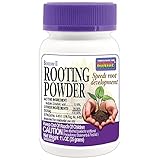
Rooting hormone can significantly increase the success rate of your cuttings, especially for plants that are more difficult to root. Dip the cut end of the stem into the rooting hormone powder, tapping off any excess. Rooting hormone contains auxins, plant hormones that stimulate root growth. However, it’s not always necessary, and many plants root well without it.
If you choose not to use rooting hormone, make sure your potting mix is well-draining, and the humidity levels are appropriate. Some plants, like basil and mint, are known to root easily without any rooting hormone. Always read the instructions on the rooting hormone package for specific guidance on application.
4. Planting the Cutting
Fill your small pots or containers with the prepared potting mix. Moisten the mix thoroughly before planting the cutting. Make a small hole in the potting mix with your finger or a pencil. Insert the cut end of the stem into the hole, ensuring that the node is buried below the soil surface. Gently firm the soil around the cutting.
If you’re using leaf cuttings, insert the cut end or the base of the leaf into the potting mix. For root cuttings, plant them horizontally or vertically, depending on the plant species. Space the cuttings appropriately to allow for air circulation and prevent overcrowding. Water the newly planted cuttings gently to settle the soil.
5. Creating a Humid Environment
Cuttings need a humid environment to prevent them from drying out before they can develop roots. You can create this environment by covering the pots with clear plastic bags or using a humidity dome. This helps to retain moisture and creates a mini-greenhouse effect. Place the pots in a location with bright, indirect light.
Ensure that the plastic bag or humidity dome doesn’t touch the leaves of the cutting, as this can lead to rot. If using a plastic bag, make small holes in the bag to allow for some air circulation. Monitor the humidity levels and water the cuttings as needed, ensuring the soil remains consistently moist but not waterlogged. Consider using a humidity meter to monitor conditions.
6. Providing Proper Care
Caring for your cuttings involves providing the right environment and consistent maintenance. This includes:
- Light: Provide bright, indirect light. Avoid direct sunlight, which can scorch the cuttings.
- Watering: Keep the potting mix consistently moist but not soggy. Overwatering can lead to rot.
- Humidity: Maintain a humid environment, especially during the rooting phase.
- Ventilation: Ensure adequate air circulation to prevent fungal diseases.
- Temperature: Maintain a consistent temperature, typically between 65-75°F (18-24°C).
Regularly check the cuttings for signs of root development. Gently tug on the cutting to see if it resists. You can also carefully remove the cutting from the pot to check for roots. Once the roots are well-established, you can gradually acclimate the new plant to normal conditions and transplant it into a larger pot. (See Also: Unlocking Beauty: How to Plant Staghorn Fern Successfully)
7. Transplanting Your New Plant
Once the cuttings have developed a healthy root system, it’s time to transplant them into individual pots or a larger container. This usually takes several weeks or months, depending on the plant species and growing conditions. Gently remove the new plant from its original container, being careful not to damage the roots.
Prepare a pot filled with a suitable potting mix for the plant’s needs. Make a hole in the mix and carefully place the new plant in the hole, ensuring the roots are spread out. Gently fill in the hole with the potting mix, patting it down lightly. Water the newly transplanted plant thoroughly and place it in a location with appropriate light and care.
Troubleshooting Common Problems
Even with the best care, you may encounter some challenges when propagating plants from cuttings. Here are some common problems and how to address them:
1. Rotting Cuttings
Rotting is a common problem, often caused by overwatering or poor drainage. The cutting may turn brown or black, and the stem may become soft and mushy. To prevent rotting, ensure the potting mix is well-draining, and avoid overwatering. Provide adequate air circulation and consider using a fungicide if necessary.
If a cutting starts to rot, remove it from the potting mix immediately. Trim away any rotted parts of the stem and try propagating a new cutting from a healthy part of the parent plant. Ensure you use sterilized tools and a fresh potting mix to minimize the risk of spreading the infection.
2. Lack of Rooting
If your cuttings fail to root, it could be due to several factors, including:
- Incorrect cutting type: Ensure you’re using the appropriate type of cutting for the plant species.
- Improper timing: Some plants root better at certain times of the year.
- Insufficient humidity: Make sure you’re providing a humid environment.
- Poor light conditions: Provide adequate, indirect light.
- Unsuitable potting mix: Use a well-draining potting mix.
If your cuttings are not rooting, try adjusting the environmental conditions, such as increasing humidity, providing more light, or changing the potting mix. You can also try using rooting hormone to stimulate root growth. Be patient, as some plants take longer to root than others.
3. Leaf Yellowing or Wilting
Leaf yellowing or wilting can be caused by various factors, including:
- Insufficient watering: The cutting might be drying out.
- Overwatering: This can lead to root rot.
- Poor light conditions: The cutting might not be getting enough light.
- Pest infestation: Check for pests and treat them accordingly.
If the leaves are yellowing or wilting, check the soil moisture and adjust your watering accordingly. Ensure the cutting is getting adequate light and is not exposed to direct sunlight. Inspect the plant for pests and treat them promptly if necessary. Consider gently misting the leaves with water to increase humidity.
4. Pest Infestations
Cuttings can be susceptible to pests, such as spider mites, aphids, and mealybugs. These pests can damage the cuttings and hinder root development. Regularly inspect your cuttings for signs of pests, such as webbing, small insects, or distorted leaves. If you find pests, treat them promptly with an appropriate insecticide or organic pest control method.
You can also use preventative measures, such as introducing beneficial insects or using insecticidal soap. Isolate any infested cuttings to prevent the spread of pests to other plants. Ensure good air circulation to deter pest infestations. Remove any dead or decaying leaves to eliminate potential hiding places for pests. (See Also: Unlocking Secrets: How to Care for a Sensitive Plant)
Frequently Asked Questions (paa Questions)
Can You Grow a Plant From a Cutting?
Yes, absolutely! You can grow a plant from a cutting, which is a fantastic way to propagate many different plant species. This method involves taking a piece of a plant, such as a stem, leaf, or root, and encouraging it to develop roots and grow into a new, independent plant. This technique works well for a wide variety of plants, from herbs and flowers to shrubs and trees.
The success of growing plants from cuttings depends on several factors, including the type of plant, the type of cutting used, the environmental conditions, and the care provided. With proper techniques and attention, you can successfully propagate plants from cuttings and expand your plant collection. Start by researching the specific needs of the plant you want to propagate.
What Is the Best Time of Year to Take Cuttings?
The best time of year to take cuttings varies depending on the plant species. Generally, the ideal time is during the plant’s active growing season, when it’s producing new growth. For many plants, this is in spring or early summer. During this time, the plant has plenty of energy to support root development.
Softwood cuttings, which are taken from new growth, are typically taken in spring or early summer. Semi-hardwood cuttings, which are taken from partially matured stems, are usually taken in mid-summer to fall. Hardwood cuttings, which are taken from dormant stems, are usually taken in late fall or winter. Research the specific requirements for the plant you are propagating to determine the optimal time to take cuttings.
How Long Does It Take for a Cutting to Root?
The time it takes for a cutting to root varies widely, depending on the plant species, the type of cutting, and the environmental conditions. Some plants root quickly, within a few weeks, while others can take several months. Factors like temperature, humidity, and light play a significant role in the rooting process.
Softwood cuttings often root faster than hardwood cuttings. Plants that are known for easy propagation, such as basil and mint, may root within a couple of weeks. More difficult-to-root plants may take several months. It’s essential to be patient and provide the proper care to encourage root development. Regularly check your cuttings for signs of rooting, such as new growth or resistance when gently tugged.
What Type of Soil Is Best for Rooting Cuttings?
The best type of soil for rooting cuttings is a well-draining potting mix that provides good aeration. A mixture that retains some moisture is also important. A commonly used mix is a combination of peat moss and perlite or vermiculite.
Peat moss helps retain moisture while also providing some aeration. Perlite and vermiculite improve drainage and aeration, preventing the cuttings from becoming waterlogged. Avoid using heavy garden soil, as it can compact easily and lead to rotting. The key is to create an environment that encourages root development while preventing fungal diseases. The mix should be sterile to prevent disease.
Conclusion
Learning how to grow a plant from cutting is a valuable skill for any gardener. It allows you to multiply your favorite plants, save money, and experience the joy of nurturing new life. By understanding the different types of cuttings, following the step-by-step guide, and troubleshooting common problems, you can increase your chances of success. Embrace the process, be patient, and enjoy the rewarding experience of plant propagation. Happy gardening!
Recommended Products