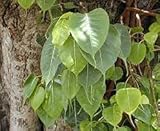
The sacred peepal tree (Ficus religiosa) holds immense cultural and religious significance in India and beyond. Revered as a symbol of longevity, knowledge, and spiritual enlightenment, this majestic tree is more than just a plant; it’s a living monument.
Many are drawn to its impressive stature and the deep-rooted traditions associated with it. If you’ve ever admired a peepal tree and wished to cultivate one yourself, you’re in the right place. Growing a peepal tree from seed or sapling can be a rewarding journey, connecting you to nature and ancient heritage.
This guide will walk you through every step, from selecting the right seeds to nurturing your sapling into a magnificent specimen. We’ll cover everything you need to know to ensure your peepal tree thrives.
Understanding the Peepal Tree: A Sacred Beginning
Before we delve into the practicalities of cultivation, understanding the peepal tree’s unique characteristics is crucial. Known for its heart-shaped leaves that flutter even in the slightest breeze, and its impressive canopy that offers generous shade, the peepal is a truly remarkable species.
Botanical Classification and Native Habitat
The peepal tree, scientifically known as Ficus religiosa, belongs to the fig family (Moraceae). It is native to the Indian subcontinent, Nepal, Bangladesh, Myanmar, Sri Lanka, and parts of Southeast Asia. It thrives in tropical and subtropical climates, often found in open plains, forests, and even urban environments.
Cultural and Religious Significance
The peepal is deeply intertwined with Hinduism, Buddhism, and Jainism. In Hinduism, it is worshipped as a manifestation of the Trimurti (Brahma, Vishnu, and Shiva) and is believed to house the spirits of ancestors. Lord Buddha is said to have attained enlightenment while meditating under a peepal tree in Bodh Gaya. This sacred status means that many trees are protected and revered, making their cultivation a practice of respect and devotion.
Growth Habits and Lifespan
Peepal trees are known for their longevity, with some individuals living for thousands of years. They are large, fast-growing trees that can reach heights of up to 30 meters (98 feet) with a trunk diameter of up to 3 meters (9.8 feet). Their aerial roots, which descend from the branches and root into the ground, create a unique and often sprawling appearance.
Methods of Growing a Peepal Tree
There are two primary methods for growing a peepal tree: from seeds and from cuttings or saplings. Each method has its own advantages and challenges.
1. Growing From Seeds
This is the most traditional and often the most rewarding method, though it requires patience. Peepal trees produce small, fig-like fruits that contain numerous tiny seeds.
Sourcing Peepal Seeds
The first step is to obtain viable seeds. You can often find these:
- From ripe peepal fruits. Look for fruits that have turned purplish-red and are soft to the touch.
- From reputable nurseries or online seed suppliers specializing in Indian native plants. Ensure the source is reliable to get true-to-type seeds.
Harvesting and Preparing Seeds
If harvesting from fruits: (See Also: How to Poisoning a Tree: How to Poison a Tree: Methods…)
- Gently extract the seeds from the fleshy pulp.
- Wash the seeds thoroughly in clean water to remove all traces of fruit residue. This is crucial to prevent fungal growth.
- Dry the seeds in a shaded, well-ventilated area for a few days until they are completely dry to the touch. Avoid direct sunlight, which can damage their viability.
Germination Process
Peepal seeds require warmth and moisture to germinate. Here’s a step-by-step approach:
- Seed Starting Mix: Prepare a light, well-draining seed starting mix. A good blend would be 50% coco peat or fine compost and 50% perlite or coarse sand.
- Sowing the Seeds: Sow the dried seeds about 0.5 cm (0.2 inches) deep in seed trays or small pots filled with the prepared mix. Space them a few centimeters apart if using a tray.
- Watering: Moisten the soil gently but thoroughly. The soil should be kept consistently moist but not waterlogged. A spray bottle is ideal for initial watering to avoid dislodging the seeds.
- Providing Warmth: Peepal seeds germinate best in warm conditions, ideally between 25-30°C (77-86°F). You can achieve this by placing the seed trays in a warm room, on a heat mat, or in a propagator.
- Light Requirements: Once seeds start to sprout, they will need bright, indirect light. Avoid direct harsh sunlight, which can scorch the delicate seedlings.
- Germination Time: Be patient! Peepal seeds can take anywhere from 1 to 4 weeks to germinate. Some may take longer.
2. Growing From Cuttings or Saplings
This method is generally faster and offers a higher success rate for obtaining a mature-looking tree sooner.
Obtaining Cuttings or Saplings
- Cuttings: You can take semi-hardwood cuttings from a mature peepal tree. Look for branches that are not too old or too young. A cutting should be about 15-20 cm (6-8 inches) long with several leaves.
- Saplings: Purchase a young peepal sapling from a reputable nursery. Ensure the sapling is healthy, with green leaves and no signs of disease or pest infestation.
Preparing and Planting Cuttings
- Prepare the Cutting: Remove the lower leaves from the cutting. You can dip the cut end in rooting hormone to encourage faster root development.
- Planting Medium: Plant the cutting in a pot filled with a well-draining potting mix. A mix of equal parts compost, sand, and perlite works well.
- Watering: Water the soil thoroughly after planting. Keep the soil consistently moist.
- Environment: Place the pot in a warm, humid location, ideally with indirect sunlight. Covering the pot with a plastic bag (with ventilation holes) can help maintain humidity.
- Rooting: Cuttings typically take 4-8 weeks to root. You can gently tug on the cutting; if there’s resistance, it has rooted.
Planting Saplings
If you have a sapling, the process is simpler:
- Choose the Right Pot: Select a pot that is at least twice the size of the sapling’s current root ball. Ensure it has adequate drainage holes.
- Potting Mix: Use a good quality, well-draining potting mix.
- Transplanting: Gently remove the sapling from its nursery container. Loosen any circling roots. Place the sapling in the new pot, ensuring the top of the root ball is about 2-3 cm (0.8-1.2 inches) below the rim of the pot. Fill with potting mix and water thoroughly.
Optimal Growing Conditions for Your Peepal Tree
Once your peepal has sprouted or been planted, providing the right environment is key to its healthy growth.
Sunlight Requirements
Peepal trees are sun-loving plants. They require at least 6-8 hours of direct sunlight per day to thrive. In extremely hot climates, some afternoon shade might be beneficial for very young saplings, but mature trees can tolerate full sun.
Soil Preferences
The peepal tree is not overly fussy about soil, but it prefers well-draining soil. It can tolerate a variety of soil types, including sandy, loamy, and clay soils, as long as they don’t become waterlogged. If your soil has poor drainage, amend it with organic matter like compost or sand.
Watering Needs
Young peepal trees need consistent moisture. Water them regularly, especially during dry periods, ensuring the soil is kept moist but not soggy. As the tree matures, it becomes more drought-tolerant. However, consistent watering will promote healthier growth and fruit production.
- Young Trees: Water deeply 2-3 times a week, depending on weather conditions.
- Mature Trees: Water deeply once a week or every two weeks, or when the top inch of soil feels dry.
Temperature and Climate
Peepal trees are tropical plants and thrive in warm temperatures. They prefer a climate with distinct wet and dry seasons. They can tolerate high temperatures but are sensitive to frost. If you live in a region with freezing temperatures, you will need to provide protection for young trees or grow them in containers that can be brought indoors.
Humidity
While peepal trees can adapt to various humidity levels, they generally perform best in areas with moderate to high humidity. Consistent watering and mulching can help maintain soil moisture and create a more humid microclimate around the tree.
Care and Maintenance of Your Peepal Tree
Consistent care will ensure your peepal tree grows into a strong and healthy specimen. (See Also: How to Get Tree Sap Off Cars: A Complete Guide)
Fertilizing
Peepal trees are not heavy feeders. A light feeding once or twice a year is usually sufficient. During the growing season (spring and summer), you can use a balanced, slow-release fertilizer. Avoid over-fertilizing, which can harm the tree.
Fertilizer Schedule:
- Spring: Apply a balanced fertilizer (e.g., 10-10-10 NPK) around the base of the tree.
- Summer (optional): A light application of compost or well-rotted manure can be beneficial.
Pruning
Pruning is generally minimal for peepal trees, as they naturally develop a beautiful shape. However, you may need to prune to:
- Remove dead, damaged, or diseased branches.
- Shape the tree, especially when young, to encourage a strong central leader.
- Manage its size if it’s growing too close to structures.
Pruning is best done in late winter or early spring before the new growth begins. Use clean, sharp pruning tools.
Pest and Disease Management
Peepal trees are generally resistant to most pests and diseases. However, occasional issues can arise:
- Aphids and Spider Mites: These can sometimes infest young leaves. A strong jet of water or insecticidal soap can usually manage them.
- Root Rot: This is primarily caused by overwatering and poor drainage. Ensure the soil drains well and avoid waterlogged conditions.
- Fungal Infections: While rare, fungal spots can appear on leaves. Improving air circulation and ensuring proper watering can help prevent this.
Regular inspection of your tree will help you catch any problems early.
Repotting (for Container-Grown Trees)
If you are growing your peepal tree in a container, it will eventually outgrow its pot. Repotting is typically needed every 2-3 years.
- Timing: The best time to repot is in early spring before the active growing season begins.
- Pot Size: Choose a pot that is one size larger than the current one.
- Process: Gently remove the tree from its current pot. Trim any circling or dead roots. Place the tree in the new pot with fresh, well-draining potting mix, ensuring the root ball is at the same depth as before. Water thoroughly after repotting.
Troubleshooting Common Issues
Even with the best care, you might encounter a few common problems.
Yellowing Leaves
Yellowing leaves can be a sign of several issues:
- Overwatering: The most common cause. Ensure soil is not waterlogged.
- Underwatering: If the soil is consistently dry, leaves may turn yellow and drop.
- Nutrient Deficiency: Especially a lack of nitrogen. A balanced fertilizer can help.
- Poor Drainage: Roots suffocate in waterlogged soil, leading to yellowing.
Leaf Drop
A mature peepal tree may shed leaves seasonally. However, sudden or excessive leaf drop can indicate stress: (See Also: How Do You Cut Down a Tree in Animal Crossing? A Full)
- Environmental Changes: Sudden shifts in temperature, light, or watering can cause stress.
- Pests or Diseases: Inspect the tree for any signs of infestation.
- Transplant Shock: If recently repotted or moved.
Slow Growth
If your peepal tree is not growing as expected, consider these factors:
- Insufficient Light: Ensure it receives adequate sunlight.
- Poor Soil Quality: Amend the soil with organic matter.
- Lack of Nutrients: Fertilize appropriately during the growing season.
- Rootbound: If in a container, it may need repotting.
The Long-Term Journey: Nurturing a Mature Peepal Tree
Growing a peepal tree is a commitment, but the rewards are immense. As your tree matures, it will become a magnificent focal point, offering shade, beauty, and a connection to nature and tradition.
Transplanting to Its Final Location
When your peepal tree sapling has grown sufficiently (typically after 1-3 years in a pot, depending on growth rate) and the risk of frost has passed, it’s time to consider planting it in its permanent outdoor location. Choose a spot that offers ample space for its eventual large size, away from buildings, power lines, and underground utilities. The root system can be extensive.
- Dig the Hole: Dig a hole that is at least twice as wide and as deep as the root ball of the sapling. Loosen the soil at the bottom and sides of the hole.
- Prepare the Sapling: Gently remove the sapling from its container. If the roots are tightly bound, gently loosen them.
- Position the Tree: Place the sapling in the center of the hole, ensuring the top of the root ball is level with or slightly above the surrounding soil. This prevents water from pooling around the trunk.
- Backfill: Fill the hole with the original soil, mixed with some compost for added nutrients. Tamp down gently to remove air pockets.
- Water Thoroughly: Water the newly planted tree deeply to settle the soil and provide essential moisture to the roots.
- Mulch: Apply a layer of organic mulch (like wood chips or straw) around the base of the tree, keeping it a few inches away from the trunk. This helps retain moisture, suppress weeds, and regulate soil temperature.
Encouraging Aerial Root Formation
Aerial roots are a signature feature of mature peepal trees. While they form naturally, you can encourage their development by maintaining high humidity around the branches, especially in young trees.
- Mist the branches regularly, particularly during dry periods.
- Ensure the tree receives adequate water.
- In some traditional practices, a small amount of moisture or moss is strategically placed near branches to encourage root growth downwards.
These aerial roots, once they reach the ground, thicken and become secondary trunks, contributing to the tree’s iconic, sprawling appearance.
Long-Term Health and Environmental Benefits
A well-established peepal tree is a resilient organism. It contributes significantly to its environment by:
- Providing Oxygen: Peepal trees are known for their high oxygen production, even at night, making them vital for air quality.
- Supporting Biodiversity: They offer habitat and food for various birds, insects, and other wildlife.
- Preventing Soil Erosion: Their extensive root systems help stabilize soil.
- Aesthetic Value: Their grandeur and cultural significance make them beautiful and revered landmarks.
Caring for a peepal tree is a practice of patience and respect, mirroring the reverence it holds in many cultures. By understanding its needs and providing consistent care, you can successfully cultivate this sacred and magnificent tree for generations to come.
Conclusion
Growing a peepal tree, whether from seed or sapling, is a deeply rewarding endeavor. It requires patience, proper care, and an understanding of its unique needs, from sunlight and soil to watering and occasional pruning. By providing the right conditions and attentive maintenance, you can cultivate this sacred and long-lived tree, which not only enhances your surroundings but also connects you to a rich cultural heritage. The journey of nurturing a peepal is a testament to nature’s resilience and beauty.
Recommended Products