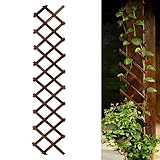
Dreaming of a garden overflowing with fragrant roses cascading over a fence? You’re in the right place! Growing climbing roses on a fence is a fantastic way to add beauty, fragrance, and privacy to your outdoor space. It’s a rewarding project, and the results are simply stunning.
We’ll walk you through everything you need to know, from choosing the right rose varieties to planting, pruning, and caring for your climbing roses. You’ll learn about the best soil, how to deal with common problems, and how to train your roses to create a breathtaking display. Plus, we’ll cover essential aspects like sunlight requirements and the best time to plant. Ready to get started?
Choosing the Right Climbing Rose Variety
The first step in your climbing rose journey is selecting the perfect variety. Consider your climate, the size of your fence, and, of course, your personal preferences for color, fragrance, and bloom type. Some roses are better suited for certain climates than others, so research is key. Also, consider the bloom style, some bloom once, while others bloom repeatedly throughout the season. Here are some popular and reliable options, categorized by key characteristics:
Popular Climbing Rose Varieties
Here’s a breakdown to help you choose:
Repeat Bloomers (Continuous Flowers):
- ‘Eden’ (Pierre de Ronsard): A classic choice, known for its romantic, cupped blooms and excellent disease resistance.
- ‘Zephirine Drouhin’: A thornless variety with fragrant, cerise-pink blooms. Great for areas where thorns are a concern.
- ‘New Dawn’: A vigorous grower with pale pink, fragrant blooms. It’s known for its ability to rebloom.
- ‘Climbing Iceberg’: A very popular choice with clusters of white flowers and good disease resistance.
Once-Blooming (Spectacular Displays):
- ‘Albertine’: Produces masses of fragrant, salmon-pink flowers in spring.
- ‘Paul’s Himalayan Musk’: A vigorous grower with small, fragrant, pale pink flowers.
Factors to Consider When Choosing
Climate Hardiness: Check the USDA plant hardiness zone for your area to ensure the rose can survive your winters. Choose varieties rated for your zone or colder.
Size and Growth Habit: Consider the mature size of the rose and how much space you have on your fence. Some climbers can reach impressive heights, while others are more compact.
Fragrance: If fragrance is important to you, look for varieties known for their scent. Many climbing roses have delightful fragrances, adding another layer of enjoyment to your garden.
Disease Resistance: Choose disease-resistant varieties to minimize the need for chemical treatments. Black spot and mildew are common rose diseases.
Bloom Time and Frequency: Do you prefer a single, spectacular bloom in spring or repeat blooms throughout the growing season? Consider this when making your selection.
Sunlight Requirements: Most climbing roses need at least 6 hours of sunlight per day to thrive. Ensure your fence location receives adequate sun.
Color Preferences: Climbing roses come in a wide range of colors, from classic reds and pinks to yellows, whites, and even bi-colored varieties. Choose colors that complement your garden’s aesthetic.
Where to Buy Climbing Roses
You can purchase climbing roses from a variety of sources:
- Local Nurseries: Offer a wide selection and expert advice.
- Online Nurseries: Provide a vast selection and convenient shipping.
- Mail-Order Catalogs: Offer a diverse range of varieties, often with detailed descriptions.
Pro Tip: When purchasing roses, choose plants that are healthy and free from disease. Check for strong root systems and sturdy canes.
Preparing Your Fence and Soil
Before planting your climbing roses, proper preparation is essential for their long-term health and beauty. This involves assessing your fence and preparing the soil to provide the best possible growing conditions.
Assessing Your Fence
Material:
- Wood: A traditional choice that provides a natural look. Ensure the wood is treated or naturally rot-resistant.
- Metal: Durable and provides good support. Consider the style and whether you want to add trellis for additional support.
- Vinyl: Requires minimal maintenance but may not be as aesthetically pleasing as wood or metal.
Support Structure: Ensure your fence is sturdy enough to support the weight of the mature rose. Climbing roses can become quite heavy, especially when covered in blooms.
Sun Exposure: Observe the amount of sunlight your fence receives throughout the day. Climbing roses need at least 6 hours of sunlight per day.
Soil Preparation
Soil Testing: Conduct a soil test to determine the pH level and nutrient content. Roses prefer slightly acidic soil (pH 6.0-6.5).
Improving Soil Drainage: Roses don’t like wet feet. Amend heavy clay soil with organic matter, such as compost, well-rotted manure, or peat moss, to improve drainage.
Adding Organic Matter: Organic matter enriches the soil, improves drainage, and provides essential nutrients. Incorporate a generous amount of compost or well-rotted manure into the planting area.
Amending the Soil: If your soil is poor, consider adding a balanced fertilizer or slow-release rose food at planting time. Follow the manufacturer’s instructions.
Preparing the Planting Hole
Size: Dig a hole twice as wide as the root ball and just as deep. (See Also: How to Fence a Pasture: A Complete Guide to Safe & Secure Fencing)
Placement: Position the rose so the bud union (the knobby area where the rose canes meet the roots) is slightly above the soil line (about 1-2 inches). In colder climates, plant the bud union below the soil line to protect it from freezing.
Backfilling: Gently backfill the hole with the amended soil, firming it around the roots.
Watering: Water deeply after planting to settle the soil and encourage root growth.
Mulching: Apply a layer of mulch (such as wood chips or shredded bark) around the base of the rose to retain moisture, suppress weeds, and regulate soil temperature. Keep the mulch away from the canes to prevent rot.
Planting Your Climbing Rose
The best time to plant climbing roses is in the early spring or fall. Spring planting allows the rose to establish its roots before the heat of summer, while fall planting gives the rose time to settle in before the winter. Here’s a step-by-step guide:
- Choosing the Right Time: Plant in early spring after the last frost or in the fall, at least six weeks before the first expected freeze.
- Preparing the Rose: If the rose is bare-root, soak the roots in water for several hours before planting. If it’s in a container, gently remove it from the pot.
- Digging the Hole: Dig a hole twice as wide as the root ball and just as deep.
- Positioning the Rose: Place the rose in the hole, ensuring the bud union (the knobby area where the rose canes meet the roots) is slightly above the soil line.
- Backfilling the Hole: Gently backfill the hole with the amended soil, firming it around the roots.
- Watering: Water deeply after planting to settle the soil and encourage root growth.
- Mulching: Apply a layer of mulch around the base of the rose to retain moisture, suppress weeds, and regulate soil temperature.
- Training the Canes: Gently train the canes along your fence. Secure them with soft ties or twine.
Training and Supporting Your Climbing Rose
Proper training is crucial for maximizing the beauty and health of your climbing rose. It encourages abundant blooms and helps the rose grow in the desired direction. Here’s how to do it:
Choosing a Support System
Fence Type:
- Solid Fence: Requires a trellis or other support system attached to the fence.
- Open Fence (e.g., picket or wire): The rose can be trained directly onto the fence.
Support Options:
- Trellises: Available in various materials and styles, providing a decorative and functional support.
- Wires: Stretched horizontally or vertically along the fence, allowing you to train the canes.
- Lattice: Offers a classic look and provides good support.
- Arbors or Pergolas: Can be incorporated into your fence design to create a focal point.
Training Techniques
Horizontal Training: Training the canes horizontally encourages more blooms along the entire length of the cane. This is a common and effective technique.
Fan Training: Similar to horizontal training, but the canes are fanned out in a radial pattern.
Securing the Canes: Use soft ties, twine, or plant clips to gently secure the canes to the support system. Avoid tying the canes too tightly, as this can restrict growth.
Regular Training: Train the canes regularly, especially during the growing season, to guide the rose and maintain its shape.
Pruning for Training: Prune the rose to remove any dead, diseased, or crossing canes. This will help the rose focus its energy on new growth and blooms.
Pruning Your Climbing Rose
Pruning is essential for maintaining the health, shape, and flowering of your climbing rose. The timing and method of pruning depend on the type of climbing rose you have. Here’s a breakdown:
Types of Climbing Roses and Pruning Needs
Repeat-Blooming Climbers: These roses bloom throughout the growing season and are typically pruned in late winter or early spring.
Once-Blooming Climbers: These roses bloom only once a year, usually in the spring. Prune them immediately after they finish flowering.
Pruning Tools
- Pruning Shears: For cutting smaller canes and stems.
- Loppers: For cutting thicker canes.
- Pruning Saw: For removing large, old canes.
- Gloves: To protect your hands from thorns.
Pruning Techniques
Deadheading: Removing spent blooms to encourage more flowers (for repeat bloomers).
Removing Dead or Diseased Wood: Cut back any dead, diseased, or damaged canes to healthy wood. Make cuts at a 45-degree angle just above a bud.
Thinning: Remove some of the older canes to improve air circulation and light penetration. Aim to remove about one-third of the oldest canes each year.
Shaping: Prune to maintain the desired shape and size of the rose, and to encourage new growth. Train the canes along your fence to achieve the desired look.
Rejuvenation Pruning: For older roses, you may need to perform rejuvenation pruning. This involves cutting back some of the older canes to the base to stimulate new growth.
Timing of Pruning
Repeat Bloomers: Prune in late winter or early spring, before new growth begins.
Once-Bloom Climbers: Prune immediately after flowering. (See Also: How to Set Up Your Justpet Wireless Dog Fence: A Step-by-Step Guide)
Light Pruning During the Growing Season: Deadhead spent blooms and remove any suckers that appear from the base of the plant.
Caring for Your Climbing Roses
Proper care is essential to keep your climbing roses healthy and thriving. This includes watering, fertilizing, pest and disease control, and winter protection.
Watering
Frequency: Water deeply and regularly, especially during dry periods. Aim to water at the base of the plant to avoid wetting the foliage, which can increase the risk of disease.
Amount: Water deeply enough to moisten the soil to a depth of 12-18 inches.
Timing: Water in the morning to allow the foliage to dry before nightfall.
Fertilizing
Type: Use a balanced fertilizer specifically formulated for roses. Follow the manufacturer’s instructions.
Timing: Fertilize in early spring and again after the first flush of blooms.
Method: Apply the fertilizer around the base of the rose, avoiding contact with the canes.
Pest and Disease Control
Common Pests:
- Aphids: Small, sap-sucking insects that can be controlled with insecticidal soap or neem oil.
- Spider Mites: Tiny pests that can cause yellowing of the leaves. Control with insecticidal soap or horticultural oil.
- Japanese Beetles: Metallic green beetles that can defoliate roses. Handpick them or use traps.
Common Diseases:
- Black Spot: A fungal disease that causes black spots on the leaves. Prevent with good air circulation and fungicides.
- Powdery Mildew: A fungal disease that causes a white, powdery coating on the leaves. Prevent with good air circulation and fungicides.
- Rust: A fungal disease that causes orange or brown spots on the leaves. Prevent with good air circulation and fungicides.
Preventative Measures:
- Good Air Circulation: Prune to improve air circulation.
- Watering at the Base: Avoid wetting the foliage.
- Disease-Resistant Varieties: Choose disease-resistant varieties.
- Fungicides: Use fungicides preventatively if necessary.
Winter Protection
Mulching: Apply a thick layer of mulch around the base of the rose to protect the roots from freezing.
Protecting Canes: In colder climates, you may need to protect the canes from winter damage. You can wrap the canes with burlap or rose cones.
Protecting the Bud Union: In colder climates, mound soil around the base of the rose to protect the bud union.
Watering Before Winter: Water deeply before the ground freezes to help the rose survive the winter.
Troubleshooting Common Problems
Even with the best care, your climbing roses may encounter some problems. Here are some common issues and how to address them:
Yellowing Leaves
Cause: Overwatering, underwatering, nutrient deficiencies, pests, or diseases.
Solution: Check the soil moisture, adjust your watering schedule, fertilize, and inspect for pests or diseases.
Black Spots on Leaves
Cause: Black spot fungal disease.
Solution: Remove and destroy infected leaves, improve air circulation, and use fungicides.
Powdery Mildew
Cause: Powdery mildew fungal disease.
Solution: Improve air circulation, and use fungicides.
Failure to Bloom
Cause: Insufficient sunlight, improper pruning, lack of fertilization, or pests/diseases. (See Also: How to Build a Fence Around Your Garden: A Step-by-Step Guide)
Solution: Ensure your rose receives at least 6 hours of sunlight, prune correctly, fertilize regularly, and address any pest or disease problems.
Weak Growth
Cause: Poor soil, lack of nutrients, or root problems.
Solution: Improve soil conditions, fertilize, and check for root problems.
Pests
Cause: Aphids, spider mites, Japanese beetles, etc.
Solution: Identify the pest and use appropriate control measures (insecticidal soap, neem oil, etc.).
Frequently Asked Questions (faqs)
Here are some of the most common questions people ask about growing climbing roses on a fence:
Q: How much sun do climbing roses need?
A: Climbing roses need at least 6 hours of sunlight per day to thrive. The more sun they get, the more flowers they will produce.
Q: What is the best time to plant climbing roses?
A: The best time to plant climbing roses is in early spring after the last frost or in the fall, at least six weeks before the first expected freeze.
Q: How do I prune my climbing rose?
A: The pruning method depends on the type of climbing rose you have. Generally, you should remove dead, diseased, or crossing canes. Repeat-blooming roses are typically pruned in late winter or early spring, while once-blooming roses are pruned immediately after flowering.
Q: How often should I water my climbing roses?
A: Water deeply and regularly, especially during dry periods. Aim to water at the base of the plant to avoid wetting the foliage. Water deeply enough to moisten the soil to a depth of 12-18 inches.
Q: How do I fertilize my climbing roses?
A: Use a balanced fertilizer specifically formulated for roses. Fertilize in early spring and again after the first flush of blooms. Apply the fertilizer around the base of the rose, avoiding contact with the canes. Follow the manufacturer’s instructions for the correct dosage.
Q: How do I train my climbing roses on a fence?
A: Use soft ties, twine, or plant clips to gently secure the canes to the fence or trellis. Train the canes horizontally to encourage more blooms along the entire length of the cane.
Q: What are the best climbing roses for beginners?
A: Some good choices for beginners include ‘Eden’ (Pierre de Ronsard), ‘Zephirine Drouhin’ (thornless), ‘New Dawn’, and ‘Climbing Iceberg’. These varieties are generally disease-resistant and relatively easy to care for.
- How Deep to Bury Electric Dog Fence Wire? The Ultimate Guide
- Petsafe Wireless Fence: How to Set Up & Keep Your Dog Safe (2024 Guide)
- Best Indoor Plant Watering Can: Top Picks for Your Greenery
- Vanilla Plant Price: Find the Best Vanilla Orchid Deals!
- Mykonos Plant Based Butter: Delicious & Dairy-Free Options
Verdict
Growing climbing roses on a fence is a rewarding endeavor that can transform your garden into a beautiful and fragrant oasis. By following these guidelines, you can choose the right variety, prepare your fence and soil, plant your roses correctly, and provide the necessary care. With a little effort and patience, you’ll be enjoying a stunning display of climbing roses for years to come. The beauty and fragrance are well worth the work.
Recommended Products