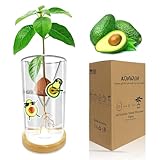
Dreaming of fresh guacamole made with avocados from your own backyard? It’s a surprisingly achievable goal! Growing an avocado plant from seed is a rewarding project, offering a unique connection to nature and the satisfaction of nurturing a plant from its humble beginnings. This comprehensive guide will walk you through every step, from selecting the perfect seed to cultivating a thriving avocado tree.
While patience is key, the process is straightforward and accessible to anyone. We’ll explore the best methods for germination, the ideal growing conditions, and essential tips for long-term care. Get ready to embark on a fascinating journey, and discover the joy of watching your very own avocado tree flourish.
Whether you’re a seasoned gardener or a complete beginner, this guide provides all the information you need to successfully grow an avocado plant from seed. Let’s get started and turn your avocado dreams into a delicious reality!
Choosing and Preparing Your Avocado Seed
The journey to growing your own avocado tree begins with selecting the right seed. Not all avocados are created equal, and the seed’s health and variety will significantly impact your success. Follow these steps to ensure you start with the best possible seed for your avocado growing adventure.
Selecting the Right Avocado
The type of avocado you choose will influence the taste of any fruit produced, should your tree eventually bear fruit. Consider varieties like Hass, Fuerte, or Bacon, which are known for their fruit quality and adaptability. Choose a ripe avocado, but not one that’s overly soft or bruised. The seed should be firm and healthy-looking.
Avoid avocados that have been treated with chemicals or pesticides, as these can hinder germination. The best seeds come from organically grown avocados, if possible. A good seed is a firm seed. Don’t use a seed from an avocado that has already been cut and exposed to air for a long time.
Extracting the Seed
Carefully slice the avocado lengthwise around the large seed, avoiding cutting into it. Gently twist the two halves of the avocado to separate them. Use a spoon to scoop out the seed, being careful not to damage it. Wash the seed thoroughly under running water to remove any remaining avocado flesh; this prevents mold growth.
The flesh can inhibit germination if left on the seed. Ensure all traces of the fruit are gone, but avoid scrubbing too vigorously. The seed is the heart of your future avocado tree. Handle it with care and respect.
Identifying the Top and Bottom of the Seed
Avocado seeds have a distinct top and bottom. The top is slightly pointed, while the bottom is flatter. This is crucial for proper germination. The roots will emerge from the bottom, so it’s essential to orient the seed correctly.
The top is where the sprout will eventually emerge, so it’s important to orient the seed correctly. If you’re unsure, you can often tell by looking for a slightly textured or lighter-colored area on the bottom, which will be the root end.
Germination Methods: Water vs. Soil
There are two primary methods for germinating an avocado seed: the water method and the soil method. Both have their pros and cons. The water method allows you to visually monitor the root development, while the soil method can provide a more stable environment for the seed.
The Water Method (toothpick Method)
This is the classic and most visually engaging method. Here’s how to do it:
- Insert Toothpicks: Carefully insert three or four toothpicks around the middle of the avocado seed, spaced evenly. These toothpicks will act as supports, allowing you to suspend the seed in a glass of water.
- Suspend the Seed: Place the seed, pointed end up, in a glass or jar. The toothpicks should rest on the rim of the glass, with the bottom half of the seed submerged in water.
- Water Level: Ensure that the bottom of the seed is submerged in water. Refill the water regularly, typically every one to two weeks, to maintain a consistent water level and prevent the seed from drying out.
- Location: Place the glass in a warm location with indirect sunlight. Avoid direct sunlight, which can overheat the water and harm the seed.
The water method allows you to visually track the progress of the root development. It also provides a clean and simple environment for germination, making it easy to monitor for any signs of mold or rot. Regular water changes are critical to prevent stagnation and the growth of harmful bacteria.
The Soil Method
The soil method offers a more natural environment for the seed to germinate. Here’s how to do it:
- Prepare the Pot: Choose a small pot with drainage holes. Fill it with well-draining potting mix, such as a mix of peat moss, perlite, and compost.
- Plant the Seed: Plant the avocado seed in the potting mix, with the pointed end (top) just protruding above the soil surface.
- Watering: Water the soil thoroughly after planting, and then keep the soil consistently moist but not waterlogged. Avoid overwatering, which can lead to root rot.
- Location: Place the pot in a warm location with indirect sunlight, similar to the water method.
The soil method can sometimes lead to faster germination, as the seed is in contact with nutrients right away. It also provides a stable environment for the developing roots. The key is to maintain consistent moisture and ensure good drainage to prevent root rot. (See Also: Zz Plant Watering Guide: How Often Do I Water a Zz Plant?)
Caring for Your Germinating Avocado Seed
Regardless of the germination method you choose, consistent care is essential. Patience is key, as avocado seeds can take several weeks or even months to sprout. However, with the right care, you’ll be rewarded with the sight of your avocado seed sprouting.
Monitoring for Sprout and Root Development
With the water method, you’ll see the root emerge first, followed by the sprout. The seed will split open, and the root will grow downwards. Eventually, a small stem will emerge from the top of the seed.
For the soil method, look for a small sprout emerging from the soil. The root system will be developing underground, so it’s crucial to avoid disturbing the seed. The first sign of life is always a momentous occasion.
Watering and Light Requirements
Whether you’re using the water or soil method, consistent watering is crucial. Keep the water level consistent in the water method, and keep the soil consistently moist, but not waterlogged, in the soil method.
Avocado seeds need indirect sunlight to thrive. Direct sunlight can scorch the delicate leaves. Place your avocado seed in a location that receives bright, indirect light, such as near a window with a sheer curtain.
Transplanting Your Avocado Seedling
Once your avocado seedling has grown a few leaves and a strong root system (usually after a few months), it’s time to transplant it into a larger pot with well-draining soil. This provides the seedling with more space to grow and access to more nutrients.
- Prepare the Pot: Choose a pot that is at least 10-12 inches in diameter. Ensure it has drainage holes.
- Choose the Right Soil: Use a well-draining potting mix. A mix of peat moss, perlite, and compost works well.
- Gently Transplant: Carefully remove the seedling from its current environment (water or small pot). Be gentle with the roots.
- Planting: Place the seedling in the new pot, ensuring the top of the root ball is level with the soil surface.
- Watering: Water the newly transplanted seedling thoroughly.
- Location: Place the pot in a location with bright, indirect sunlight.
Be careful not to damage the roots during the transplant. The first few weeks after transplanting are a critical time for the seedling to adjust to its new environment. Proper care during this period is crucial for its survival.
Ongoing Care for Your Avocado Plant
Once your avocado seedling is established, ongoing care is necessary to ensure its healthy growth. This includes watering, fertilizing, providing the right light, and protecting it from pests and diseases.
Watering and Fertilizing
Avocado plants need regular watering, especially during the growing season. Water deeply when the soil surface feels dry to the touch. Avoid overwatering, which can lead to root rot. Well-draining soil is essential to prevent this.
Fertilize your avocado plant during the growing season (spring and summer) with a balanced fertilizer. Follow the instructions on the fertilizer package. Avoid over-fertilizing, which can burn the roots.
Light and Temperature Requirements
Avocado plants thrive in bright, indirect light. Direct sunlight can scorch the leaves, while insufficient light can stunt growth. Place your avocado plant near a window that receives bright, indirect light.
Avocado plants prefer warm temperatures, ideally between 60-85°F (15-29°C). Protect your plant from frost and extreme temperatures. If you live in a colder climate, you may need to bring your avocado plant indoors during the winter months.
Pruning and Training
Pruning your avocado plant is essential for shaping it and promoting healthy growth. Prune the plant regularly to remove any dead, damaged, or overcrowded branches. This also encourages branching and helps to create a more balanced shape.
Training your avocado plant can help to improve its shape and encourage fruit production. You can train the plant by tying branches to stakes or using other supports to direct their growth. This is particularly important if you want to keep your tree a manageable size. (See Also: Planting Elephant Ear Bulbs: How Deep to Plant & Thrive)
Common Pests and Diseases
Avocado plants can be susceptible to various pests and diseases. Common pests include spider mites, mealybugs, and aphids. Common diseases include root rot and fungal infections.
Regularly inspect your avocado plant for any signs of pests or diseases. Treat any infestations or infections promptly with appropriate insecticides or fungicides. Good air circulation and proper watering can help prevent many problems.
Will My Avocado Tree Produce Fruit?
Growing an avocado tree from seed is a fun project, but it’s important to have realistic expectations regarding fruit production. Avocado trees grown from seed may take several years, often 5-10 years, to bear fruit, if they produce fruit at all. The quality of the fruit can also vary.
The fruit produced by a seed-grown avocado tree may not be identical to the fruit from which the seed originated. Grafting is the most reliable way to ensure that your avocado tree produces fruit with the desired characteristics and within a shorter timeframe. However, growing an avocado tree from seed can still be a rewarding experience.
Factors Affecting Fruit Production
Several factors influence whether your avocado tree will produce fruit and the quality of that fruit. These include:
- Variety: Some avocado varieties are more likely to produce fruit when grown from seed than others.
- Pollination: Avocado trees often require cross-pollination to produce fruit. This means you may need to have multiple avocado trees of different varieties.
- Climate: Avocado trees thrive in warm climates. If you live in a colder climate, your tree may not produce fruit.
- Age: Avocado trees typically take several years to mature and produce fruit.
- Care: Proper care, including watering, fertilizing, and pruning, is essential for fruit production.
Even if your avocado tree doesn’t produce fruit, it can still provide beauty and enjoyment to your home or garden. The process of growing the tree and watching it develop can be a rewarding experience in itself. Many people still grow avocado trees from seed simply for the joy of it.
Grafting for Fruit Production
Grafting is a horticultural technique used to combine two plants into one. In the case of avocado trees, grafting involves attaching a branch (scion) from a known fruiting avocado tree onto the rootstock of your seed-grown avocado tree. This allows you to obtain fruit more quickly and with the desired characteristics.
Grafting is a more advanced technique that is best performed by experienced gardeners or professional nursery staff. However, it is the most reliable way to ensure fruit production from your avocado tree. If you’re serious about getting fruit, grafting is the way to go.
Troubleshooting Common Problems
Even with the best care, you may encounter problems when growing an avocado plant from seed. Here are some common issues and how to address them:
Failure to Germinate
If your avocado seed doesn’t germinate, it could be due to several factors. Ensure the seed is viable (not old or damaged). Check that the seed is properly oriented and that the water or soil is at the correct level.
The environment may also be a factor. The seed needs warmth and humidity. Make sure the location is warm enough and not too cold or dry. Try different methods: if the water method isn’t working, try the soil method, and vice-versa.
Root Rot
Root rot is a common problem caused by overwatering. The roots become waterlogged and begin to decay. This can be fatal to the avocado plant.
To prevent root rot, ensure the soil has good drainage. Water only when the soil surface feels dry. If you suspect root rot, stop watering and allow the soil to dry out. If the problem persists, repot the plant in fresh, well-draining soil.
Pest Infestations
Pest infestations can weaken your avocado plant and damage its leaves. Common pests include spider mites, mealybugs, and aphids. (See Also: How to Fertilize Zz Plant: A Complete Guide for Thriving Growth)
Inspect your plant regularly for any signs of pests. Treat infestations promptly with appropriate insecticides or insecticidal soap. Ensure good air circulation around the plant to help prevent infestations.
Leaf Problems
Discolored leaves can indicate various problems. Yellowing leaves can signal overwatering or nutrient deficiencies. Brown leaf tips can be a sign of underwatering or low humidity.
Identify the cause of the leaf problem and take appropriate action. Adjust your watering schedule, provide more humidity, or fertilize the plant as needed. If the problem persists, consult with a local gardening expert.
The Long-Term Commitment of Avocado Tree Care
Growing an avocado tree is a long-term commitment. These trees can live for many years, even decades, and require consistent care throughout their lifespan. Here’s what to expect:
Ongoing Maintenance
Regular maintenance is crucial for the health and productivity of your avocado tree. This includes watering, fertilizing, pruning, and protecting the tree from pests and diseases.
Adapt your care practices to the changing seasons and the tree’s growth stage. Be prepared to provide the necessary care throughout the tree’s life, as it will require ongoing attention.
Potential Challenges
Be prepared for potential challenges, such as pests, diseases, and environmental stressors. These can impact the tree’s health and fruit production.
Be ready to address any problems promptly and seek expert advice if needed. Learning about these potential problems can help you be prepared and resolve them effectively. This will help you keep your avocado tree healthy and productive.
Reaping the Rewards
Despite the challenges, the rewards of growing your own avocado tree can be significant. It can provide you with fresh, delicious avocados, offer a connection to nature, and enhance the beauty of your home or garden.
The satisfaction of nurturing a plant from seed to a mature tree is immense. You’ll gain a deeper appreciation for nature and the process of growing food. The taste of your own home-grown avocados will be a reward in itself.
Conclusion: Your Avocado Growing Journey Begins
Growing an avocado plant from seed is a rewarding journey that requires patience, care, and a little bit of know-how. By following the steps outlined in this guide, you can increase your chances of successfully germinating an avocado seed and nurturing it into a thriving plant.
Remember to select a healthy seed, use the appropriate germination method, provide consistent care, and be patient. Even if your tree doesn’t produce fruit, the experience of growing an avocado plant from seed is a fulfilling one. Embrace the process, learn from your experiences, and enjoy the journey!
Recommended Products