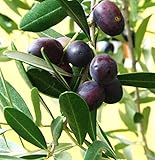
Dreaming of your own olive grove, complete with the rich, earthy scent and the promise of future olives? While many imagine grafting or buying a sapling, the journey of cultivating an olive tree from a humble seed is a deeply rewarding endeavor. It’s a slower path, yes, but one that allows you to witness the entire life cycle of this ancient and cherished plant.
This guide will walk you through every step, from selecting the perfect seed to nurturing your seedling into a young tree. We’ll demystify the process, breaking down the requirements for germination, the ideal conditions for growth, and the patience that this rewarding project demands. Get ready to embark on a green adventure that connects you directly to nature’s timeless rhythms.
The Exciting Journey: How to Grow an Olive Tree From Seed
Growing an olive tree from seed is a testament to patience and dedication. Unlike propagating from cuttings or purchasing a young tree, starting from seed offers a unique connection to the plant’s origins. It’s a slower, more deliberate process, but the satisfaction of nurturing a tree from its very beginning is unparalleled. This comprehensive guide will equip you with the knowledge and techniques necessary to successfully sprout and cultivate your own olive tree from a seed.
1. Selecting Your Olive Seeds
The first crucial step in growing an olive tree from seed is selecting viable seeds. Not all olive fruits produce seeds that are easily germinable, and some varieties are notoriously difficult to grow from seed. For the best chances of success, consider the following:
- Source of Olives: Ideally, obtain seeds from a reputable source that specializes in olive trees or from a known, healthy olive tree. If you’re harvesting from your own tree or a friend’s, ensure the olives are fully ripe. Green olives will likely not have mature seeds.
- Variety Matters: Some olive varieties are more amenable to seed germination than others. While it’s difficult to know the exact germination rate of any given seed without experimentation, choosing seeds from established cultivars known for their hardiness can improve your odds.
- Freshness is Key: Olive seeds have a limited viability period. The fresher the seed, the higher its germination potential. If you’re collecting from fruit, extract the seeds as soon as possible after harvesting.
- Seed Preparation: Olive seeds have a hard outer shell that protects the embryo. This shell is a natural barrier to germination, and it often requires scarification or stratification to encourage sprouting.
2. Extracting and Preparing the Olive Seeds
Once you have your ripe olives, the next step is to carefully extract the seeds and prepare them for germination. This process involves removing the fleshy pulp and then treating the seed to overcome its dormancy.
Cleaning the Seeds
The fleshy pulp of the olive can inhibit germination and introduce fungal issues. It’s essential to thoroughly clean the seeds:
- Remove Pulp: Gently rub the olives between your hands under running water to remove as much of the fleshy pulp as possible. You can also use a soft brush.
- Soaking: After removing the bulk of the pulp, soak the seeds in warm water for 24-48 hours. Change the water a few times during this period. This helps to further loosen any remaining pulp and start the hydration process.
- Drying: Once cleaned, spread the seeds out on a paper towel in a single layer and allow them to air dry for a day or two. This prevents mold growth.
Scarification: Breaking the Shell
The hard endocarp (pit) of the olive seed is a significant barrier to germination. Scarification involves weakening or slightly breaching this shell to allow water and oxygen to penetrate. (See Also: How to Propagate Pomegranate Tree: A Step-by-Step Guide)
- Mechanical Scarification: This is the most common method. You can gently nick the shell with a sharp knife or file, being careful not to damage the embryo inside. Look for a slight groove or ridge on the pit; nicking on the opposite side is often recommended. Alternatively, you can lightly sand the shell with coarse sandpaper.
- Chemical Scarification (Use with Caution): Some gardeners experiment with brief soaks in diluted sulfuric acid (highly dangerous and not recommended for home growers). A less aggressive, though less effective, method is a short soak in a very dilute solution of potassium nitrate. However, mechanical scarification is generally safer and more practical.
Stratification: Mimicking Winter Conditions
Olive seeds often require a period of cold, moist stratification to break dormancy. This mimics the natural winter conditions they would experience in their native environment. This process can take anywhere from 60 to 120 days.
- Moist Medium: Place your scarified seeds in a small plastic bag or airtight container filled with a slightly damp medium. Common mediums include:
- Peat moss
- Vermiculite
- Sand
- Perlite
The medium should be moist but not waterlogged – it should feel like a wrung-out sponge.
- Sealing and Refrigeration: Seal the bag or container and place it in the refrigerator (around 35-40°F or 2-4°C).
- Checking Regularly: Check the seeds every couple of weeks for signs of mold. If mold appears, remove the affected seeds and gently wipe down the others with a clean, damp cloth. You can also replace the damp medium if it seems to be deteriorating.
- Patience is Key: Stratification can take a significant amount of time. Don’t be discouraged if you don’t see any changes for several weeks.
3. Sowing Your Olive Seeds for Germination
Once your seeds have undergone stratification, it’s time to sow them and give them the best possible chance to sprout. The goal is to provide a warm, moist, and well-draining environment.
Choosing the Right Potting Mix
A well-draining potting mix is crucial to prevent waterlogging and root rot. A good blend might include:
- 1 part potting soil
- 1 part perlite
- 1 part coarse sand
Alternatively, a seed-starting mix combined with perlite or sand can also work well. The key is excellent drainage.
Planting the Seeds
- Pot Selection: Use small pots or seed trays with drainage holes. A depth of about 4-6 inches is usually sufficient.
- Filling the Pots: Fill the pots with your chosen potting mix, leaving about an inch of space at the top.
- Planting Depth: Plant the stratified seeds about 1/2 to 1 inch deep in the soil. If you’re planting multiple seeds, space them a few inches apart.
- Watering: Gently water the soil after planting to ensure it’s evenly moist. Avoid overwatering.
Providing Optimal Germination Conditions
Warmth and consistent moisture are vital for olive seed germination.
- Temperature: Olive seeds germinate best in temperatures between 65-75°F (18-24°C). You can achieve this by placing the pots on a heating mat designed for seedlings or in a consistently warm location.
- Humidity: Covering the pots with a clear plastic dome, a plastic bag, or a sheet of plastic wrap can help maintain humidity, creating a mini-greenhouse effect. Ensure there are some small ventilation holes to prevent excessive moisture buildup.
- Light: Once seeds have germinated and seedlings emerge, they will need bright, indirect light. Avoid direct, intense sunlight initially.
- Patience: Germination can take anywhere from 4 weeks to several months. Some seeds may not germinate at all, which is normal.
4. Caring for Your Olive Seedlings
As soon as you see those first tiny green shoots emerging, it’s a cause for celebration! However, this is just the beginning of a new phase of care. Seedlings are delicate and require specific attention to thrive. (See Also: How to Get Christmas Tree in Little Alchemy 2)
Light Requirements
Once your seedlings have emerged, they need plenty of bright light to grow strong and prevent them from becoming leggy (tall and thin). Move them to a location where they receive at least 6-8 hours of bright, indirect sunlight per day. A south-facing window is ideal. If natural light is insufficient, consider using grow lights.
Watering Practices
Watering is a delicate balance for seedlings. They need consistent moisture but are highly susceptible to root rot if the soil stays too wet.
- Check Soil Moisture: Water only when the top inch of soil feels dry to the touch.
- Water Thoroughly: When you do water, water until you see it draining from the bottom of the pot. Discard any excess water that collects in the saucer.
- Avoid Misting: While some seedlings benefit from misting, olive seedlings generally do better with direct watering at the base to minimize the risk of fungal diseases on their leaves.
Fertilizing Your Seedlings
Olive seedlings don’t require heavy fertilization in their early stages. Once they have developed a few sets of true leaves, you can start a very diluted feeding schedule.
- Type of Fertilizer: Use a balanced liquid fertilizer diluted to 1/4 or 1/2 strength. A fertilizer formulated for houseplants or a general-purpose liquid feed will work.
- Frequency: Fertilize sparingly, perhaps once a month during the active growing season (spring and summer).
- Avoid Over-fertilizing: Too much fertilizer can burn the delicate roots of young seedlings.
Repotting Seedlings
As your seedlings grow, they will eventually outgrow their starter pots. You’ll know it’s time to repot when you see roots emerging from the drainage holes or if the plant seems to be drying out very quickly.
- Timing: Repot in the spring when the plant is actively growing.
- Pot Size: Choose a pot that is only one size larger than the current one (e.g., moving from a 4-inch pot to a 6-inch pot). A pot that is too large can hold too much moisture.
- Potting Mix: Use a well-draining potting mix similar to what you used for germination, perhaps with a bit more compost added for nutrients.
- Transplanting: Gently remove the seedling from its current pot. If the roots are tightly bound (root-bound), you can gently tease them apart. Place the seedling in the new pot at the same depth it was previously growing and fill with fresh potting mix. Water thoroughly after repotting.
5. Transitioning to a Young Olive Tree
With consistent care, your seedlings will gradually develop into young olive trees. This stage involves preparing them for outdoor life (if applicable) and continuing their growth.
Hardening Off
If you plan to grow your olive tree outdoors, it’s crucial to ‘harden it off’ before exposing it to full sun and outdoor conditions. This process gradually acclimates the plant to the elements. (See Also: How Do You Grow a Fig Tree: A Complete Guide)
- Start Indoors: Begin by placing the potted tree in a sheltered outdoor location for a few hours each day, away from direct sun and strong winds.
- Increase Exposure: Gradually increase the amount of time spent outdoors and the intensity of sunlight over a period of 1-2 weeks.
- Monitor Closely: Watch for any signs of stress, such as wilting or leaf scorching, and adjust the exposure accordingly.
Outdoor Placement and Care
Olive trees thrive in full sun and well-draining soil. Once hardened off, they can be planted in the ground or kept in larger pots.
- Sunlight: Choose a location that receives at least 6-8 hours of direct sunlight daily.
- Soil Drainage: If planting in the ground, ensure the soil drains well. Raised beds or amending heavy clay soil with compost and sand can improve drainage.
- Watering: Mature olive trees are drought-tolerant but will benefit from regular watering, especially during dry periods. Allow the soil to dry out between waterings.
- Pruning: Pruning is important for shaping the tree, encouraging fruit production, and maintaining its health. Prune in late winter or early spring before new growth begins.
- Winter Protection (in colder climates): Olive trees are not frost-tolerant. In regions with freezing temperatures, you’ll need to bring potted trees indoors or provide significant protection for in-ground trees.
6. Troubleshooting Common Issues
Even with the best care, you might encounter some challenges. Being aware of potential problems can help you address them quickly.
- Lack of Germination: This is the most common issue. It could be due to unviable seeds, insufficient scarification, or improper stratification. Don’t be afraid to try again with new seeds and slightly adjusted methods.
- Damping Off: This fungal disease affects seedlings, causing them to rot at the soil line. It’s usually caused by overwatering and poor air circulation. Ensure good drainage and airflow.
- Leggy Growth: Seedlings stretching tall and thin indicate insufficient light. Increase light exposure immediately.
- Yellowing Leaves: This can be a sign of overwatering, underwatering, or nutrient deficiency. Assess your watering routine and consider a diluted fertilizer if needed.
- Pests: Young seedlings are generally less susceptible to pests, but watch out for aphids or spider mites. Treat with insecticidal soap or neem oil if necessary.
Growing an olive tree from seed is a journey that requires patience, observation, and a willingness to learn. While the timeline is longer than other propagation methods, the connection you’ll develop with your tree, from its very first sprout to its mature form, is incredibly rewarding. Enjoy the process and the eventual harvest of your own home-grown olives!
Conclusion
Embarking on the journey of growing an olive tree from seed is a deeply satisfying endeavor, albeit one that demands considerable patience. By meticulously selecting and preparing your seeds, providing optimal germination conditions, and diligently caring for your seedlings, you can successfully nurture a young olive tree from its very beginnings. This slower, more intimate process fosters a profound connection to the plant, offering a unique sense of accomplishment as your tree matures and, eventually, bears fruit. Embrace the journey, learn from each step, and enjoy the enduring beauty of your homegrown olive tree.
Recommended Products