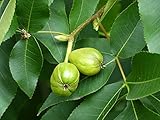
Imagine the satisfaction of nurturing a mighty hickory tree from a humble seed, watching it grow year after year, eventually providing shade, beauty, and even delicious nuts. While planting a sapling is straightforward, embarking on the journey of growing a hickory from seed is a rewarding challenge that connects you deeply with nature’s cycles.
It requires patience, a bit of horticultural know-how, and an understanding of the hickory’s unique germination needs. This guide will walk you through every step, from selecting the right nuts to ensuring your seedling thrives, transforming a simple seed into a future giant of the forest.
The Allure of Hickory Trees
Hickory trees (genus Carya) are cherished for their robust timber, prized for its strength and shock resistance, making it ideal for tool handles, furniture, and smoking meats. Beyond their practical uses, hickories are magnificent landscape specimens. Their stately presence, beautiful foliage that often displays stunning fall colors, and the unique, often delicious nuts they produce make them a valuable addition to any property.
Growing a hickory from seed is a testament to the power of nature and a commitment to long-term ecological contribution. It’s an endeavor that yields not just a tree, but a legacy. This guide aims to demystify the process, empowering you to successfully cultivate your own hickory from its very beginning.
Selecting and Sourcing Your Hickory Nuts
The first crucial step is obtaining viable hickory nuts. You have a few excellent options:
Collecting From the Wild
- Timing is Key: Hickory nuts typically mature and fall from the tree in the autumn, usually from September through November, depending on your geographic location and the specific hickory species. Look for nuts that have naturally dropped.
- Identify the Species: There are several hickory species native to North America, each with distinct nut characteristics. Common examples include:
- Shagbark Hickory (Carya ovata): Known for its delicious, sweet nuts and distinctive peeling bark. Nuts are generally round to oval with a thick husk that splits into four sections.
- Shellbark Hickory (Carya laciniosa): Produces the largest nuts among hickories, with a very thick shell and sweet kernel. Husks are thick and often remain closed.
- Bitternut Hickory (Carya cordiformis): As the name suggests, its nuts are bitter and not typically eaten by humans, though wildlife enjoys them. Nuts are small and round with a thin husk.
- Pecan (Carya illinoinensis): While technically a hickory, pecans are famous for their edible nuts. They have thinner shells and a rich, buttery flavor.
- Harvesting Mature Nuts: Look for nuts that have fallen to the ground. They should feel heavy for their size and the husk should be intact or beginning to split open. Avoid nuts with signs of insect damage, mold, or those that feel hollow.
- Gathering More Than You Need: It’s wise to collect more nuts than you intend to plant, as not all will be viable or germinate.
Purchasing Seeds
- Reputable Nurseries and Seed Suppliers: If collecting locally isn’t an option, you can purchase hickory seeds from specialized nurseries or online seed retailers. Ensure they are sourced from reputable providers to guarantee species accuracy and seed quality.
- Stratification Considerations: When purchasing seeds, inquire about whether they have already undergone stratification. Many suppliers will offer stratified seeds, saving you a significant step.
Preparing Your Hickory Nuts for Planting
Hickory nuts have a hard outer shell and a dormant embryo that requires specific conditions to break dormancy and germinate. This process is known as stratification. There are two main types of stratification: cold stratification and warm stratification, though for hickories, cold stratification is the primary method needed to mimic winter conditions.
Removing the Husk
Before any stratification, the outer husk must be removed. This husk can be leathery, fibrous, or woody, depending on the species. For nuts where the husk has already split, you can often peel it off by hand. For tougher husks, you might need to use a knife or pruning shears to carefully cut them away. Be cautious not to damage the nut’s shell underneath. Some people find it helpful to soak the nuts in water for a few days to soften the husk, making removal easier. Discard any nuts that float, as they are likely empty or non-viable.
Cleaning the Nuts
Once the husks are removed, thoroughly clean the nuts. You can do this by gently scrubbing them with a stiff brush under running water to remove any remaining husk material, dirt, or debris. This is important to prevent mold and fungal growth during the stratification process. (See Also: How to Take Care of Lemon Tree Indoors: A Complete Guide)
The Crucial Step: Stratification
Hickory seeds require a period of cold, moist conditions to break their dormancy. This process mimics the natural winter environment they would experience if left on the forest floor. Cold stratification typically takes 90 to 150 days, depending on the species.
Cold Stratification Method
- Moist Medium: Gather a sterile, moist medium. Options include:
- Peat Moss: Sphagnum peat moss is an excellent choice. It retains moisture well and is relatively sterile.
- Vermiculite or Perlite: These are inert materials that provide good aeration and moisture retention.
- Sand: Coarse sand can also be used, though it may require more frequent monitoring for moisture.
When and How to Sow Your Stratified Seeds
Once the stratification period is complete, your hickory seeds will be ready to be sown. The ideal time to sow is in early spring, after the last frost, allowing the seedlings to establish themselves during the growing season.
Direct Sowing Outdoors
Direct sowing is often the preferred method for hickory seeds, as it minimizes transplant shock and allows the taproot to develop undisturbed.
- Site Selection: Choose a location that receives full sun to partial shade. Hickory trees generally prefer well-drained soil. Avoid areas that are prone to waterlogging.
- Soil Preparation: Loosen the soil to a depth of at least 12 inches. Amend the soil with compost or well-rotted manure to improve fertility and drainage.
- Sowing Depth: Plant the stratified nuts about 1 to 2 inches deep. The exact depth can vary slightly by species, but this is a good general guideline.
- Spacing: If planting multiple seeds, space them at least 6 to 12 inches apart. Remember that these trees will grow large, so consider their future size when choosing a planting location.
- Watering: Water the area thoroughly after sowing. Keep the soil consistently moist, but not saturated, until germination occurs.
- Protection: Consider protecting the sown area from pests like squirrels and birds, which may try to dig up the nuts. A layer of mulch or a mesh cover can be effective.
Sowing Indoors (for an Earlier Start)
If you wish to get a head start or live in a region with a very short growing season, you can sow your stratified seeds indoors in pots.
- Container Choice: Use pots that are at least 6-8 inches deep to accommodate the developing taproot. Ensure they have drainage holes.
- Potting Mix: Use a high-quality seed-starting mix or a blend of potting soil and perlite for good drainage and aeration.
- Planting: Plant one stratified nut per pot, about 1 to 2 inches deep.
- Watering: Water thoroughly after planting. Keep the soil consistently moist.
- Environment: Place the pots in a warm location (around 70-75°F or 21-24°C) and provide bright, indirect light. A south-facing window is ideal.
- Germination: Germination can take anywhere from a few weeks to a few months after stratification. Be patient.
- Hardening Off: Once your seedlings have developed a few sets of true leaves and the danger of frost has passed, you will need to ‘harden them off’. This involves gradually exposing them to outdoor conditions over a week or two before transplanting them into their permanent location. Start with a few hours in a sheltered spot and gradually increase the time and exposure to sun and wind.
Caring for Your Hickory Seedlings
Once your hickory seeds have germinated, the real work of nurturing begins. Young seedlings are vulnerable and require consistent care to establish a strong root system and healthy growth.
Watering
Consistent moisture is vital for young hickory seedlings, especially during their first few years. Water deeply when the top inch of soil feels dry. Avoid overwatering, which can lead to root rot. During dry spells, you may need to water more frequently.
Weeding
Weeds compete with your young hickory for water, nutrients, and sunlight. Keep the area around your seedlings free of weeds. A layer of organic mulch (such as wood chips or straw) can help suppress weeds, retain soil moisture, and regulate soil temperature. Be careful not to pile mulch directly against the stem, as this can encourage rot. (See Also: How to Put the Christmas Tree Lights Perfectly Every Time)
Sunlight and Shelter
While mature hickory trees tolerate a range of light conditions, young seedlings often benefit from some protection from intense midday sun, especially in hotter climates. If you’ve started seeds indoors or planted them in an exposed location, consider providing temporary shade during the hottest parts of the day for the first year or two. As the tree grows, it will become more tolerant of full sun.
Fertilizing
Hickory trees are not typically heavy feeders. In most cases, good soil preparation with compost will provide sufficient nutrients. If your soil is particularly poor, you can apply a balanced, slow-release fertilizer in the spring. Follow the product instructions carefully, and avoid over-fertilizing, which can harm young trees.
Pest and Disease Management
Young hickory seedlings can be susceptible to various pests and diseases. Keep an eye out for common issues such as:
- Insects: Aphids, borers, and spider mites can sometimes be a problem. Often, a strong blast of water can dislodge aphids, and beneficial insects can help control other pests. For more severe infestations, consider organic insecticidal soaps or neem oil.
- Diseases: Fungal diseases like powdery mildew can affect leaves. Good air circulation and proper watering practices can help prevent many diseases. Remove any affected leaves promptly.
Early detection and intervention are key. If you notice any unusual symptoms, research the specific problem and implement appropriate organic solutions.
Transplanting Considerations
If you started your seeds indoors or in a temporary nursery bed, transplanting to their permanent location is a critical step. Hickory trees develop a strong taproot, so it’s best to transplant them when they are still relatively young (1-3 years old) to minimize disturbance to this root system. Ensure the new location offers adequate space for the mature tree, considering its eventual height and spread, as well as its proximity to structures or other plants.
Long-Term Growth and Patience
Growing a hickory tree from seed is a marathon, not a sprint. These trees are slow growers, especially in their early years. It can take many years, even decades, for a hickory to reach maturity and begin producing a significant crop of nuts or to provide substantial shade.
Embrace the journey. Each year of growth is a victory, a testament to your care and the resilience of nature. Observe the subtle changes, the emerging leaves in spring, the deepening bark texture, and the occasional falling nut. Your patience will be rewarded with a magnificent, long-lived tree that will benefit your landscape and potentially future generations. (See Also: How to Put a Christmas Tree Topper on: Your Ultimate…)
Troubleshooting Common Issues
Even with the best intentions, challenges can arise when growing hickory from seed. Here are a few common problems and how to address them:
No Germination
- Insufficient Stratification: The most common reason for non-germination is inadequate cold stratification. Ensure your seeds received the full required period (90-150 days) at the correct temperature.
- Non-Viable Seeds: Some seeds may simply not be viable. This can happen if they were harvested too early, damaged, or stored improperly. Collecting more seeds than you need helps mitigate this.
- Incorrect Sowing Depth: Planting seeds too deep or too shallow can hinder germination. Aim for the recommended 1-2 inches.
- Poor Moisture Levels: Seeds need consistent moisture during stratification and after sowing. Too dry or too wet can prevent germination.
Seedling Rot (damping Off)
This fungal disease affects young seedlings at the soil line, causing them to collapse. It’s often caused by overwatering, poor air circulation, and non-sterile soil.
- Prevention: Use sterile seed-starting mix, ensure good drainage, avoid overwatering, and provide adequate air circulation.
- Treatment: If damping off occurs, remove infected seedlings immediately to prevent spread. Improve environmental conditions.
Slow Growth
As mentioned, hickories are slow growers initially. However, excessively slow growth could indicate:
- Poor Soil Quality: Amend soil with compost.
- Nutrient Deficiency: Consider a balanced, slow-release fertilizer in spring if soil is poor.
- Competition: Ensure weeds are kept at bay.
- Inadequate Sunlight: Young trees may need more light as they mature, but consider temporary shade for very young seedlings in intense heat.
Pest Damage
Regularly inspect your seedlings for signs of pests. Early detection and appropriate organic treatments are crucial. For instance, if you notice aphids, a strong spray of water can often remove them. For more persistent issues, insecticidal soap or neem oil can be effective.
The Reward of a Hickory Legacy
The process of growing a hickory tree from seed is a journey of dedication and observation. It requires understanding the plant’s natural cycles, providing the right conditions at the right time, and offering consistent care. While the timeline is long, the rewards are immense. You are not just growing a tree; you are cultivating a piece of living history, a provider of habitat, a source of potential future harvests, and a beautiful, enduring addition to the landscape.
Conclusion
Growing a hickory tree from seed is a deeply rewarding endeavor that connects you with the natural world. By carefully selecting, stratifying, and sowing your nuts, and then diligently caring for your seedlings, you embark on a journey that culminates in a magnificent, long-lived tree. Patience is paramount, as hickories mature slowly, but the enduring legacy of shade, beauty, and potential harvests makes every step worthwhile. This process cultivates not just a tree, but a lasting appreciation for nature’s resilience and the power of patient cultivation.
Recommended Products