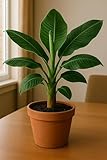
Dreaming of fresh, homegrown bananas? It might seem simple, but growing a banana plant from a banana is a fascinating, yet challenging, endeavor. While you can’t simply plant a store-bought banana and expect a tree to sprout, the process involves understanding the plant’s unique growth habits and how to propagate it. This comprehensive guide will walk you through the steps, from selecting the right banana variety to providing the optimal environment for your plant to thrive.
This article delves into the nuances of banana plant propagation, exploring the reasons why a banana fruit itself isn’t suitable for planting. You’ll learn the best methods for starting your banana plant, including using pups and seeds. With detailed instructions, tips, and troubleshooting advice, you’ll be well-equipped to cultivate your own tropical paradise, right in your backyard or even indoors. Get ready to embark on your banana-growing journey!
Understanding the Banana Plant: A Tropical Marvel
Banana plants, scientifically known as *Musa* species, are herbaceous flowering plants, often mistaken for trees. They are native to tropical regions and thrive in warm, humid climates. The ‘trunk’ of a banana plant is actually a pseudostem, formed by tightly packed leaf sheaths. These plants are known for their large, paddle-shaped leaves and impressive size, often reaching heights of 10 to 20 feet or more, depending on the variety.
Banana plants produce fruit on a single stalk and then die back, but they readily reproduce through suckers or pups that emerge from the base of the plant. These pups are essentially clones of the parent plant. The banana fruit, which we eat, is the result of the plant’s flowering process, and the seeds within a banana are often underdeveloped or absent in commercially grown varieties, which is a key reason why planting a banana fruit directly won’t work.
Why Can’t You Grow a Banana Plant From a Banana?
The bananas you buy at the grocery store are typically seedless cultivars, like the Cavendish. These bananas are propagated through vegetative means, primarily using suckers or rhizomes, because they lack viable seeds. Even if a banana does contain seeds, they are often infertile or slow to germinate, making it impractical to grow a banana plant from a store-bought fruit.
Commercial banana production relies on carefully selected varieties and vegetative propagation techniques to ensure consistent fruit quality and yield. This method ensures that new plants have the same desirable traits as the parent plant. The lack of viable seeds is also a defense mechanism, as the plant can’t rely on seed propagation in a harsh environment.
The Banana Plant Lifecycle
Understanding the banana plant’s lifecycle is crucial for successful cultivation. The lifecycle begins with the emergence of a sucker or the germination of a seed. The plant grows rapidly, developing its pseudostem and large leaves. After a period of growth, the plant flowers, producing a large inflorescence that eventually develops into a bunch of bananas.
Once the fruit is harvested, the original plant dies, but the suckers or pups at the base continue the cycle. This continuous cycle of growth and reproduction is key to the banana plant’s survival. The lifecycle can be affected by environmental factors, such as temperature, sunlight, and water availability.
Methods for Propagating Banana Plants
While you can’t grow a banana plant directly from a banana fruit, there are several successful methods for propagating these plants. The most common methods involve using suckers (also called pups) and seeds. Each method has its own advantages and disadvantages, depending on the type of banana you want to grow and the resources you have available.
Propagating From Suckers (pups)
Propagating from suckers is the easiest and most reliable method for growing banana plants. Suckers are offshoots that emerge from the base of the parent plant. These offshoots are genetically identical to the parent plant, ensuring that you get the same variety of banana. This is the most common way to propagate a banana plant, as it provides a quicker and more predictable outcome than using seeds.
When the sucker is about 3-4 feet tall, it can be separated from the parent plant and transplanted. The best time to do this is during the growing season, in spring or early summer. Selecting a healthy sucker with a well-developed root system is crucial for successful propagation. This method also allows for control over the variety and characteristics of the resulting banana plant.
- Selecting a Sucker: Choose a sucker that is at least 3-4 feet tall and has its own roots. Look for a healthy, vigorous sucker that is free from disease or pests.
- Preparing the Sucker: Carefully dig around the sucker, separating it from the parent plant. Use a sharp spade or shovel to cut through the rhizome connecting the sucker to the main plant.
- Transplanting the Sucker: Prepare a planting hole that is large enough to accommodate the sucker’s roots. Plant the sucker at the same depth it was growing previously. Backfill the hole with soil, gently firming it around the roots.
- Watering and Care: Water the newly planted sucker thoroughly. Provide consistent moisture and protect it from strong winds and direct sunlight for the first few weeks.
Propagating From Seeds
Propagating banana plants from seeds is a more challenging but rewarding method. It allows you to grow rare or unique varieties of bananas. However, it requires patience and a specific understanding of seed germination requirements. Not all banana varieties produce viable seeds, and the germination rate can be low.
The seeds of wild banana varieties are often viable, but those of commercially grown bananas are often sterile or produce inferior fruit. If you have access to banana seeds, you’ll need to prepare them properly for germination. Seeds require specific conditions to sprout, and the process can take several weeks or even months. (See Also: Planting Arborvitae: How Close Should You Plant?)
- Obtaining Seeds: Acquire seeds from a reputable source or a banana variety that produces viable seeds.
- Preparing Seeds: Soak the seeds in warm water for 24-48 hours to soften the seed coat and improve germination.
- Sowing Seeds: Plant the seeds about 1/2 inch deep in a well-draining potting mix. Keep the soil moist but not waterlogged.
- Providing Warmth: Maintain a consistent temperature of 75-85°F (24-29°C) to promote germination.
- Germination Time: Germination can take several weeks to several months. Be patient and monitor the seedlings closely.
- Transplanting Seedlings: Once the seedlings have developed a few leaves, transplant them into individual pots.
Choosing the Right Banana Variety
Selecting the right banana variety is crucial for successful cultivation, especially if you live outside of a tropical climate. Different varieties have varying cold hardiness, disease resistance, and fruit characteristics. Consider your local climate, the space you have available, and your personal preferences when choosing a variety.
Some varieties are better suited for container growing, while others require more space. Some are more resistant to diseases, making them easier to grow. The taste and texture of the fruit can also vary significantly. Researching different varieties will help you make an informed decision.
Popular Banana Varieties
- Cavendish: The most common variety found in grocery stores. It is relatively easy to grow, but susceptible to Panama disease.
- Dwarf Cavendish: A smaller version of the Cavendish, suitable for container growing.
- Ice Cream (Blue Java): Known for its blue-tinged peel and vanilla-like flavor. It is cold-hardy and a popular choice.
- Red Dacca: A red-skinned banana with a sweet, fruity flavor.
- Goldfinger: A disease-resistant hybrid with a sweet, tangy flavor.
Planting and Care: Setting the Stage for Success
Once you’ve chosen your banana variety and have a sucker or seedlings ready, the next step is planting and care. Proper planting and ongoing care are essential for the health and productivity of your banana plant. This includes choosing the right location, preparing the soil, and providing the necessary water, sunlight, and nutrients.
Banana plants are heavy feeders and require well-draining soil rich in organic matter. They also need plenty of sunlight and consistent moisture. Regular fertilization and protection from pests and diseases are essential for optimal growth. Providing the right environment will ensure your banana plant thrives and produces delicious fruit.
Choosing the Right Location
Banana plants thrive in warm, sunny locations with protection from strong winds. Choose a spot that receives at least 6-8 hours of direct sunlight per day. The location should also be sheltered from strong winds, which can damage the large leaves.
If you live in a cooler climate, consider growing your banana plant in a container, which allows you to move it indoors during cold weather. The location should also have well-draining soil, as banana plants do not tolerate waterlogged conditions. Adequate sunlight is crucial for fruit production; without it, the plant may grow but not produce bananas.
Preparing the Soil
Banana plants prefer rich, well-draining soil that is high in organic matter. Before planting, amend the soil with compost, aged manure, or other organic materials. This will improve drainage, provide essential nutrients, and help retain moisture. Proper soil preparation is key for optimal growth and fruit production.
Conducting a soil test can help determine the pH and nutrient levels in your soil. Banana plants prefer a slightly acidic soil with a pH of 6.0 to 7.0. Adjust the soil pH if necessary. Ensure there is good drainage to prevent root rot. Heavy clay soils will need significant amendment with organic matter.
Planting Your Banana Plant
Planting your banana plant correctly is essential for its long-term health and productivity. When planting a sucker, dig a hole that is large enough to accommodate the roots. Place the plant at the same depth it was growing previously. Backfill the hole with soil, gently firming it around the roots.
For seedlings, carefully remove them from their pots and plant them in the ground at the same depth they were growing. Water the newly planted banana plant thoroughly. Mulch around the base of the plant to help retain moisture and suppress weeds. Proper planting ensures that the plant has a strong start.
Watering and Fertilizing
Banana plants require consistent moisture, especially during the growing season. Water your plant deeply and regularly, ensuring the soil remains moist but not waterlogged. The frequency of watering will depend on the climate and the soil type. Overwatering can lead to root rot, while underwatering can stunt growth and reduce fruit production.
Banana plants are heavy feeders and benefit from regular fertilization. Use a balanced fertilizer specifically formulated for banana plants or a fertilizer rich in nitrogen, phosphorus, and potassium. Follow the instructions on the fertilizer label. Regular fertilization provides the nutrients the plant needs for healthy growth and fruit production. Supplementing with compost and other organic matter also benefits the plant. (See Also: Air Plant Soak Time: How Long to Soak an Air Plant?)
Sunlight and Temperature Requirements
Banana plants need plenty of sunlight to thrive. They require at least 6-8 hours of direct sunlight per day. The amount of sunlight can affect the fruit’s sweetness and overall quality. Insufficient sunlight can lead to slow growth and reduced fruit production.
Banana plants are tropical plants and are sensitive to cold temperatures. They prefer temperatures between 75-95°F (24-35°C). If you live in a cooler climate, protect your banana plant from frost and freezing temperatures. Consider growing your plant in a container so you can move it indoors during cold weather. The temperature is a crucial factor, especially for fruit production.
Pruning and Maintenance
Pruning and maintenance are essential for keeping your banana plant healthy and productive. Remove dead or damaged leaves regularly to improve air circulation and prevent disease. Cut off old pseudostems after they have fruited, as they will not produce fruit again.
Remove suckers that are not needed to maintain the desired number of plants. This will help the main plant focus its energy on fruit production. Providing support for the pseudostem, especially when the fruit bunch develops, is a good practice. Regular maintenance ensures the plant’s health and promotes fruit production.
Pest and Disease Management
Banana plants can be susceptible to various pests and diseases. Common pests include aphids, spider mites, and banana weevils. Common diseases include Panama disease, leaf spot, and banana bunchy top virus. Regular monitoring and prompt action are essential for managing pests and diseases.
Inspect your plant regularly for signs of pests or diseases. Use insecticidal soap or horticultural oil to control pests. Remove and destroy infected leaves to prevent the spread of diseases. Proper sanitation, such as removing fallen leaves and debris, can also help prevent disease. Preventative measures and early intervention are key to managing pests and diseases effectively.
Troubleshooting Common Problems
Even with the best care, you may encounter some challenges when growing banana plants. Understanding common problems and how to address them can help you keep your plant healthy and productive. These issues include yellowing leaves, lack of fruit production, and pest infestations. Addressing these issues early will help keep your plant healthy.
Yellowing Leaves
Yellowing leaves can be a sign of several problems, including overwatering, underwatering, nutrient deficiencies, or pest infestations. Overwatering and underwatering can cause stress to the plant, leading to yellowing leaves. Nutrient deficiencies, particularly nitrogen and potassium, can also cause yellowing.
Inspect the plant for signs of pests or diseases. Adjust your watering practices to ensure proper moisture levels. Fertilize the plant with a balanced fertilizer or one that addresses any nutrient deficiencies. Yellowing leaves can signal a serious issue, so early detection and action are important. Addressing the underlying cause is crucial to bring the plant back to health.
Lack of Fruit Production
Several factors can prevent a banana plant from producing fruit. These include insufficient sunlight, cold temperatures, nutrient deficiencies, and improper pollination. Banana plants need at least 6-8 hours of direct sunlight per day to flower and produce fruit. Cold temperatures can also inhibit fruit production.
Ensure the plant receives adequate sunlight. Protect the plant from cold temperatures. Fertilize the plant regularly with a balanced fertilizer. Some banana varieties may require hand pollination if natural pollinators are not present. Understanding the factors that affect fruit production is key to getting fruit.
Pest Infestations
Pest infestations can weaken your banana plant and reduce fruit production. Common pests include aphids, spider mites, and banana weevils. These pests can damage the leaves, stems, and fruit, leading to reduced yields. Prompt action is essential to control pest infestations. (See Also: Planting After Roundup: How Soon Can I Plant?)
Inspect your plant regularly for signs of pests. Use insecticidal soap or horticultural oil to control pests. Remove and destroy infected leaves. Maintain good sanitation practices to prevent pest infestations. Early intervention can prevent serious damage. Regular monitoring and prompt treatment are essential to keep your plant healthy.
Harvesting and Enjoying Your Bananas
Once your banana plant produces fruit, the anticipation of harvesting and enjoying your homegrown bananas is a very exciting experience. Harvesting bananas at the right time and storing them properly is important for optimal taste and quality. The ripening process is also an important aspect to consider.
Understanding the signs of ripeness and how to handle the fruit can enhance your enjoyment of your homegrown bananas. Knowing when to harvest will ensure that your bananas are at their peak flavor and sweetness. Proper storage will extend their shelf life and allow you to enjoy them over time.
When to Harvest
The time to harvest bananas depends on the variety and the climate. Bananas are typically ready to harvest when the fingers are plump and the skin starts to turn from green to yellow. The time from flowering to harvest can range from 3 to 6 months. It is important to know the signs of ripeness for your specific variety.
Look for slight yellowing of the skin, with the tips of the bananas still slightly green. The fingers should be plump and well-formed. The bananas should be firm to the touch but not hard. Harvesting at the right time will ensure the best flavor and texture. Harvesting too early can result in sour fruit, and harvesting too late can result in overripe fruit.
Harvesting Your Bananas
Harvesting bananas involves cutting the entire bunch from the plant. Use a sharp knife or machete to cut the stalk just above the top hand of bananas. Handle the bunch gently to avoid bruising the fruit. Harvesting should be done carefully to prevent damage to the fruit.
Support the bunch as you cut it to prevent it from falling and bruising. Remove any remaining flowers or debris from the bunch. Transport the bunch carefully to prevent damage. The harvesting process should be done carefully to preserve the quality of the fruit. Proper harvesting techniques ensure the fruit stays in good condition.
Storing Your Bananas
Proper storage is essential for extending the shelf life of your bananas. Bananas can be stored at room temperature, away from direct sunlight. To slow down the ripening process, you can store bananas in a cool, dark place. The storage method affects how quickly the bananas ripen.
Avoid refrigerating bananas, as this can damage the fruit and affect the flavor. If you want to store them for longer, you can peel and freeze them. Storing bananas properly will preserve their quality and allow you to enjoy them over time. Understanding the best storage practices ensures you can savor your harvest.
Conclusion: Growing Bananas – a Rewarding Experience
Recommended Products