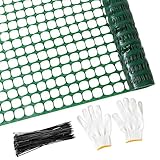
So, you’re looking to fence in your yard, but that majestic oak or beloved fruit tree is standing right in the way? Don’t worry, you’re not alone! Many homeowners face this very challenge. The good news is, you absolutely can build a fence around a tree. It’s a common project, and with the right approach, you can protect your tree while still enjoying the benefits of a well-defined yard.
This guide will walk you through the entire process, from planning and preparation to the final touches. We’ll cover everything you need to know about choosing the right fencing style, measuring accurately, and ensuring your tree thrives for years to come. We’ll also tackle some common questions and potential pitfalls, so you can avoid making costly mistakes. Let’s get started!
Understanding the Importance of Protecting Your Tree
Before we dive into the ‘how,’ let’s talk about the ‘why.’ Why is it so crucial to protect your tree when building a fence around it? The answer lies in the delicate balance of a tree’s ecosystem. Trees are living organisms, and their health depends on several factors, including access to water, nutrients, and sunlight. Disturbing these elements can lead to significant problems.
Root Damage: The most significant threat is root damage. Tree roots spread far beyond the visible canopy. Severing or compacting these roots can weaken the tree, making it susceptible to disease, pests, and even causing it to topple in strong winds. Any excavation near the tree can cause harm, so it’s important to take care.
Soil Compaction: The construction process, particularly the movement of heavy machinery, can compact the soil around the tree. This compaction reduces the soil’s ability to absorb water and oxygen, which are essential for root health. It also inhibits the growth of new roots.
Changes in Water and Nutrient Supply: Altering the natural flow of water and nutrients to the tree’s root system can stress the tree. For instance, if the fence prevents rainwater from reaching the roots, the tree could suffer. Similarly, if the fence restricts the application of fertilizers, the tree may not receive sufficient nourishment.
Bark Damage: Accidental damage to the tree’s bark during construction can create entry points for diseases and pests. Even minor injuries can have long-term consequences. This is why it’s important to be careful.
Protecting the Tree: By understanding these risks, you can take the necessary precautions to minimize the impact of your fence installation on your tree. This includes careful planning, appropriate construction techniques, and ongoing maintenance.
Choosing the Right Fencing Style
The type of fence you choose is a critical decision. It impacts the aesthetics of your yard, the level of security it provides, and, most importantly, how it interacts with the tree. Consider these popular options:
- Wood Fences:
- Pros: Offers excellent privacy, customizable designs, and a natural aesthetic.
- Cons: Requires regular maintenance (staining, sealing), can be more expensive than other options, and can potentially restrict airflow around the tree.
- Chain-Link Fences:
- Pros: Relatively inexpensive, durable, allows for good airflow and sunlight, and provides good security.
- Cons: Less aesthetically pleasing than other options, doesn’t offer much privacy.
- Vinyl Fences:
- Pros: Low-maintenance (doesn’t require painting or staining), durable, available in various styles and colors.
- Cons: Can be more expensive than wood or chain-link, can be affected by extreme temperatures.
- Metal Fences (e.g., wrought iron, aluminum):
- Pros: Stylish, durable, offers good security, allows for excellent airflow and sunlight.
- Cons: Can be expensive, requires occasional maintenance (painting to prevent rust), may not provide much privacy.
Important Considerations for Tree Health:
- Airflow: Choose a fence style that allows for good air circulation around the tree. This helps prevent fungal diseases. Chain-link and metal fences are excellent choices in this regard.
- Sunlight: Ensure the fence doesn’t cast excessive shade on the tree, especially if it’s a young tree or a species that requires a lot of sunlight.
- Root Zone Protection: Regardless of the fence type, avoid disturbing the tree’s root zone as much as possible during installation.
Recommendation: For the best balance of aesthetics, functionality, and tree health, chain-link or metal fences are often the best choices. However, if you prefer wood or vinyl, make sure to build the fence with sufficient space around the tree and be mindful of the tree’s needs.
Planning and Preparation: The Key to Success
Proper planning is the foundation of any successful fencing project, especially when a tree is involved. Taking the time to plan your project carefully will save you headaches and potential problems down the road. Here’s a step-by-step guide to help you prepare: (See Also: Electric Fence: How It Works & Keeps Your Property Safe (expert Guide))
- Assess the Tree: Before you do anything, take a close look at your tree. Consider its species, age, and overall health. Is it a young tree, a mature tree, or an older tree? Are there any signs of disease or damage? This assessment will help you determine the best approach for protecting the tree during construction. If you have any concerns, consult with a certified arborist.
- Identify the Critical Root Zone (CRZ): The CRZ is the area around the tree that contains the majority of its roots. A general rule of thumb is to measure the CRZ as 1 foot of radius for every inch of the tree’s diameter at breast height (DBH). For instance, a tree with a 20-inch DBH would have a CRZ of 20 feet. However, this is just a general guideline, and the actual root spread can vary depending on the species and soil conditions. It’s crucial to protect the CRZ during construction.
- Determine the Fence Line: Decide where you want your fence to be. The most important consideration is the distance from the tree trunk. The fence should be far enough away from the trunk to avoid damaging the roots. A general recommendation is to keep the fence at least as far away from the trunk as the CRZ. However, you can also build the fence in a circle around the tree.
- Mark the Fence Line: Once you’ve determined the fence line, mark it clearly. Use stakes and string, or marking paint, to outline the fence’s path. This will help you visualize the project and ensure you’re staying within your planned boundaries.
- Call Before You Dig: Before you start digging any holes, call your local utility companies to have them mark the location of underground utilities (gas, electricity, water, etc.). This is a free service, and it’s essential for safety and to avoid damaging any underground infrastructure.
- Gather Your Materials and Tools: Make a list of all the materials and tools you’ll need for the project. This will help you stay organized and avoid any delays. The specific materials and tools will vary depending on the type of fence you’re building.
- Consider Tree Protection Measures: Plan for how you will protect the tree during construction. This might include using protective barriers, such as plywood or fencing, around the tree trunk and roots. It could also involve avoiding heavy machinery near the tree and hand-digging holes within the CRZ.
Measuring and Layout: Precise Execution
Accurate measurements and a well-planned layout are critical for a successful fence project. Here’s how to ensure everything lines up perfectly, especially when working around a tree:
- Measure the Perimeter: Once you’ve determined the fence line, measure the total perimeter of your fence. This will help you determine the amount of fencing material you’ll need.
- Account for the Tree: Factor in the space the tree will occupy. You’ll need to measure the distance from the tree trunk to the fence line in several places to ensure the fence maintains a consistent distance from the tree.
- Mark Post Locations: Determine the location of your fence posts. The spacing between posts will depend on the type of fence you’re building and the manufacturer’s recommendations. Ensure the post locations are outside the CRZ of the tree. If any posts need to be placed within the CRZ, consider using alternative methods, such as a cantilevered design, or hand-digging the holes.
- Use a String Line: Use a string line to establish a straight line for your fence posts. This will help you ensure the fence is level and aligned properly.
- Consider the Slope: If your yard has a slope, you’ll need to adjust the fence height accordingly. You can either step the fence or rake it to follow the contours of the ground.
- Double-Check Measurements: Before you start digging post holes, double-check all of your measurements to ensure they are accurate. It’s always better to catch a mistake before you start digging.
- Alternative Layouts: If space is limited, consider a curved fence line to maximize yard space and protect the tree’s roots. This can be more visually appealing and allows for a more natural integration of the tree into the fence design.
Installing the Fence: Protecting the Tree During Construction
This is where the rubber meets the road. Proper installation techniques are crucial to minimizing the impact on your tree. Here’s a step-by-step guide:
- Protect the Tree Trunk: Before you begin any work, protect the tree trunk from damage. Wrap the trunk with protective material, such as burlap, plywood, or tree wrap. This will prevent accidental scrapes and bruises.
- Dig Post Holes (Carefully): Dig the post holes, being extremely careful to avoid severing any major roots. If you encounter roots, stop digging and carefully hand-dig around them. Consider using a post-hole digger with a narrower diameter or a shovel to minimize root damage. Consider using a root barrier around the tree.
- Hand-Dig Within the CRZ: If any post holes need to be located within the CRZ, hand-dig them to minimize root disturbance. Use a shovel or a hand auger. Be extremely cautious and avoid cutting or damaging any roots larger than 1 inch in diameter.
- Set the Posts: Once the post holes are dug, set the posts in place. Ensure the posts are plumb (vertical) and level. Use concrete or gravel to secure the posts, following the manufacturer’s recommendations.
- Install the Fence Panels or Sections: Attach the fence panels or sections to the posts, following the manufacturer’s instructions. Ensure the fence is level and properly aligned.
- Adjust the Fence Line: If necessary, adjust the fence line to accommodate the tree’s branches or root system. This might involve cutting or trimming branches, or adjusting the fence height to avoid any obstructions.
- Backfill and Compact Soil (Gently): Once the posts are set and the fence sections are in place, backfill the post holes with soil. Compact the soil gently, being careful not to compact the soil around the tree’s roots.
- Clean Up the Site: Remove any debris or construction materials from the site. This will help prevent any potential damage to the tree.
- Water the Tree: After the fence is installed, water the tree thoroughly, especially if the weather is dry. This will help the tree recover from any stress it may have experienced during construction.
Addressing Common Challenges and Mistakes
Even with careful planning, you might encounter some challenges during the fence installation. Here are some common problems and how to address them:
- Root Damage: If you accidentally cut a root, don’t panic. Cleanly cut the root with a sharp saw or pruning shears. Apply a tree wound dressing to the cut to help prevent disease. Monitor the tree for any signs of stress.
- Branch Obstructions: If tree branches interfere with the fence installation, you can either trim the branches or adjust the fence line. Always consult with a certified arborist before trimming any branches.
- Uneven Terrain: If your yard has uneven terrain, you may need to step the fence or rake it to accommodate the slope.
- Soil Compaction: If the soil around the tree becomes compacted during construction, aerate the soil to improve air and water circulation. You can use a core aerator or a garden fork to loosen the soil.
- Choosing the Wrong Materials: Using the wrong materials can lead to problems down the road. For example, using cheap wood that rots quickly will require more maintenance and replacement.
- Ignoring Local Regulations: Always check with your local municipality for any regulations regarding fence height, setbacks, and permits.
Maintaining Your Fence and Protecting Your Tree Long-Term
Once the fence is installed, it’s essential to maintain both the fence and the tree to ensure they thrive for years to come. Here’s what you need to do:
- Inspect the Fence Regularly: Inspect your fence regularly for any signs of damage, such as loose posts, broken panels, or rust. Make any necessary repairs promptly.
- Clean the Fence: Clean your fence regularly to remove dirt, debris, and mildew. The cleaning method will depend on the type of fence you have.
- Stain or Seal Wood Fences: If you have a wood fence, stain or seal it regularly to protect it from the elements. This will help prevent rot and extend the life of your fence.
- Prune the Tree: Prune the tree regularly to remove any dead, damaged, or diseased branches. This will improve the tree’s health and appearance. Consult with a certified arborist for proper pruning techniques.
- Water the Tree During Dry Spells: Water the tree deeply during dry spells, especially during the first few years after the fence installation. This will help the tree establish a strong root system.
- Fertilize the Tree (If Necessary): Fertilize the tree if it shows signs of nutrient deficiency. Consult with a certified arborist to determine the appropriate fertilizer and application method.
- Mulch Around the Tree: Apply a layer of organic mulch around the tree to help retain moisture, suppress weeds, and improve soil health. Keep the mulch away from the tree trunk.
- Monitor for Pests and Diseases: Monitor the tree for any signs of pests or diseases. If you notice any problems, take action promptly to prevent them from spreading.
- Avoid Disturbing the Soil: Avoid disturbing the soil around the tree’s roots. This includes avoiding digging, trenching, or compacting the soil.
How to Go Around a Tree with a Fence – Frequently Asked Questions (faq)
Let’s address some of the most common questions people have when building a fence around a tree:
Q: How far away from the tree trunk should I build the fence?
A: The distance depends on the tree’s size and species. Generally, you should keep the fence at least as far away from the trunk as the tree’s Critical Root Zone (CRZ). The CRZ is often calculated as 1 foot of radius for every inch of the tree’s diameter at breast height (DBH). However, the best practice is to consult with an arborist to determine the specific needs of your tree.
Q: Can I build a fence that touches the tree?
A: It’s generally not recommended to build a fence that touches the tree. This can restrict airflow, trap moisture, and damage the bark. Always maintain some clearance between the fence and the tree.
Q: What if I have to cut some roots during the fence installation?
A: If you accidentally cut a root, make a clean cut with a sharp saw or pruning shears. Apply a tree wound dressing to the cut to help prevent disease. Monitor the tree for any signs of stress. (See Also: How to Install Wire Mesh Fence: A Diy Guide for a Secure Yard)
Q: What type of fence is best for going around a tree?
A: Chain-link or metal fences are often the best choices because they allow for good airflow and sunlight. However, any fence can work, provided you build it with sufficient space around the tree and take steps to protect the tree’s roots.
Q: Do I need to get a permit to build a fence around a tree?
A: It depends on your local regulations. Check with your local municipality for any requirements regarding fence height, setbacks, and permits.
Q: What if the tree’s branches are in the way of the fence?
A: You can either trim the branches or adjust the fence line. Always consult with a certified arborist before trimming any branches.
Q: How can I protect the tree’s roots during construction?
A: Use a combination of methods, including:
- Hand-digging post holes within the CRZ.
- Avoiding heavy machinery near the tree.
- Using protective barriers around the tree trunk.
- Avoiding soil compaction.
Q: Can I put a tree in a fence?
A: Yes, you can. The fence can surround the tree. The main concern is to protect the tree’s roots, so the fence should be built far enough away from the trunk to avoid damaging them. Also, choose a fence that allows for good air circulation and sunlight to reach the tree.
Q: What are the best methods for digging near the tree? (See Also: How to Hang a Birdhouse on a Fence: A Simple Guide for Bird Lovers)
A: The best methods for digging near the tree involve minimizing root disturbance. This includes:
- Hand-digging post holes.
- Using a shovel or hand auger.
- Avoiding cutting or damaging roots larger than 1 inch in diameter.
Q: What are the benefits of fencing around a tree?
A: Fencing around a tree can provide several benefits, including:
- Protecting the tree from damage.
- Defining the boundaries of your yard.
- Adding visual appeal to your property.
- Creating a safe space for children and pets.
Additional Tips for Success
- Consult with an Arborist: If you’re unsure about any aspect of the project, especially regarding tree health, it’s always best to consult with a certified arborist. They can provide expert advice and guidance tailored to your specific tree and situation.
- Consider a Curved Fence Line: A curved fence line can be more aesthetically pleasing and can help maximize yard space, especially if you have a large tree.
- Use a Root Barrier: Consider installing a root barrier around the tree to prevent the roots from growing into the fence.
- Choose a Tree-Friendly Fence Material: Select materials that won’t harm the tree. For example, avoid using pressure-treated wood that contains chemicals that could leach into the soil.
- Be Patient: Building a fence around a tree takes time and effort. Don’t rush the process. Take your time, and be careful to avoid damaging the tree.
- Document the Process: Take photos and keep records of your project. This can be helpful if you ever need to make repairs or modifications in the future.
Alternatives to Building a Fence Directly Around the Tree
While building a fence around a tree is a common and often effective solution, there are alternative approaches you might consider, depending on your needs and the tree’s location:
- Offsetting the Fence: Instead of building the fence directly around the tree, you could offset the fence line to create a wider buffer zone. This provides more space for the tree’s roots and allows for better airflow.
- Creating a Tree Well: A tree well is a landscaped area around the tree, often with a raised edge to prevent water runoff. You could incorporate the tree well into your fence design, leaving a circular or square opening around the tree.
- Using a Split Fence: A split fence is a fence that is divided into two sections, with the tree located in between. This allows you to protect the tree while still maintaining a defined boundary.
- Incorporating the Tree into the Fence Design: If the tree is large and healthy, you could consider incorporating the tree itself into the fence design. For example, you could build a section of the fence around the tree trunk or use the tree as a natural post. However, this approach requires careful planning and execution to avoid damaging the tree.
- Using a Different Type of Boundary: If a traditional fence isn’t feasible, you could consider using alternative boundary markers, such as a hedge, a low retaining wall, or a line of decorative posts.
The best alternative will depend on your specific circumstances, including the tree’s size and location, the type of fence you want to build, and your aesthetic preferences. Consulting with an arborist and a fencing professional can help you determine the most appropriate approach.
Protecting Trees During Construction: A General Overview
Even if you’re not building a fence, any construction project near a tree can pose a risk. Here are some general guidelines for protecting trees during construction:
- Establish a Tree Protection Zone (TPZ): Define a TPZ around the tree that is off-limits to construction activities. The size of the TPZ should be based on the tree’s CRZ.
- Install Protective Barriers: Use protective barriers, such as fencing or plywood, to prevent equipment and materials from encroaching on the TPZ.
- Avoid Soil Compaction: Prevent soil compaction by using mats, plywood, or other protective coverings in areas where construction equipment will be operating.
- Control Runoff: Prevent runoff from construction sites from entering the TPZ. This can be achieved by installing silt fences or other erosion control measures.
- Avoid Damaging Roots: Avoid cutting or damaging any roots. If you encounter roots during excavation, hand-dig around them.
- Protect the Trunk and Branches: Protect the tree’s trunk and branches from damage by using protective wraps or padding.
- Properly Dispose of Construction Debris: Dispose of construction debris properly to prevent it from harming the tree.
- Water the Tree: Water the tree regularly during and after construction to help it recover from any stress.
- Consult with an Arborist: If you have any concerns about tree health, consult with a certified arborist.
By following these guidelines, you can help protect trees from damage during construction and ensure their long-term health and vitality.
Final Verdict
Building a fence around a tree is definitely achievable with careful planning and execution. By understanding the potential challenges, choosing the right materials, and following these steps, you can create a beautiful and functional fence that complements your yard and protects your valuable trees. Remember to prioritize the tree’s health throughout the process, and you’ll enjoy the benefits for years to come.
Recommended Products