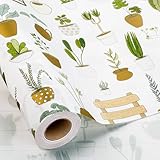
Giving a plant as a gift is a thoughtful gesture, bringing a touch of nature and life to any space. But, a plain pot can sometimes lack the celebratory feel of a beautifully presented present. Learning how to gift wrap a plant transforms a simple offering into a visually stunning experience, showing the recipient how much you care about the details.
This guide will walk you through various methods to gift wrap a plant, from simple and elegant to more elaborate and creative approaches. We’ll cover everything from choosing the right materials to adding those personal finishing touches. Get ready to elevate your gift-giving game and impress your friends and loved ones with your beautifully wrapped plants.
Whether you’re celebrating a birthday, a housewarming, or just want to brighten someone’s day, knowing how to gift wrap a plant adds a special touch. You’ll learn how to select the best wrapping paper, ribbons, and decorative elements to perfectly complement the plant itself. Let’s get started!
Choosing the Right Plant for Gifting
Before you even consider the wrapping, the plant itself needs careful selection. Consider the recipient’s lifestyle and experience with plants. A low-maintenance plant is ideal for beginners, while a more experienced gardener might appreciate a unique or challenging species. Think about the environment where the plant will be placed, as well, to ensure it thrives.
Low-Maintenance Plant Options
For those new to plant care, or those with busy lives, low-maintenance plants are the best choice. These plants are generally forgiving and require minimal attention. They are a good way to show you care without placing a big burden on the recipient.
- Snake Plant (Sansevieria): Known for its air-purifying qualities and ability to tolerate low light and infrequent watering.
- ZZ Plant (Zamioculcas zamiifolia): Extremely drought-tolerant and can thrive in various light conditions.
- Pothos (Epipremnum aureum): A trailing plant that’s easy to propagate and comes in various colors and patterns.
- Spider Plant (Chlorophytum comosum): Produces “spiderettes” (baby plants) that are easy to propagate and share.
- Succulents: Many succulents, like Echeveria and Sedum, are drought-tolerant and add a touch of modern beauty.
Plants for Experienced Gardeners
If the recipient has a green thumb, consider more unique or demanding plants. These can be a more thoughtful gesture. These plants require more specific care and attention, which an experienced gardener will appreciate.
- Orchids: Beautiful and elegant, orchids come in many varieties and require specific light and watering conditions.
- Fiddle Leaf Fig (Ficus lyrata): A statement plant that requires bright, indirect light and consistent care.
- Herbs: Gifting herbs like basil, rosemary, or mint allows the recipient to enjoy fresh flavors.
- Bonsai: A miniature tree that requires careful pruning and shaping, perfect for a dedicated gardener.
- Carnivorous Plants: Plants like Venus flytraps or pitcher plants are fascinating and require specific environments.
Considering the Plant’s Size and Needs
The size of the plant will influence your wrapping choices. A small succulent will require different wrapping than a large potted plant. Consider the plant’s specific needs, such as light and watering requirements, when selecting the plant. This will also help you determine the best packaging to protect it during transport.
Gathering Your Gift Wrapping Supplies
Before you begin, gather all the necessary supplies to make the process smooth and enjoyable. Having everything ready beforehand saves time and ensures a professional-looking result. This preparation is key to knowing how to gift wrap a plant properly. (See Also: Unlocking Beauty: How to Plant Stargazer Lilies Successfully)
Essential Materials
- Wrapping Paper: Choose paper that complements the plant and the occasion. Consider paper with patterns, solid colors, or even kraft paper for a rustic look.
- Ribbon: Ribbons add a touch of elegance and can be used to secure the wrapping. Select ribbons in various colors, textures, and widths.
- Scissors: Sharp scissors are essential for clean cuts and a polished finish.
- Tape: Use double-sided tape or clear tape to secure the wrapping paper and create a seamless look.
- Gift Tags: Add a personalized touch with a gift tag, a handwritten message, or the plant’s care instructions.
- Optional: Tissue paper, cellophane, decorative accents (e.g., twine, burlap, dried flowers, stickers).
Where to Find Supplies
Gift wrapping supplies are readily available at various stores, making it easy to find everything you need. Craft stores, department stores, and online retailers offer a wide selection of wrapping paper, ribbons, and other decorative items. Consider buying in bulk to save money, especially if you plan on wrapping multiple plants.
- Craft Stores: Stores like Michael’s or Joann Fabrics have a vast selection of wrapping papers, ribbons, and embellishments.
- Department Stores: Stores like Target or Walmart often have seasonal gift-wrapping sections.
- Online Retailers: Amazon and Etsy offer a wide variety of unique and specialized gift-wrapping supplies.
- Dollar Stores: Dollar stores can be a budget-friendly option for basic supplies like tape, scissors, and plain wrapping paper.
Wrapping Techniques for Plants
Now that you have your plant and supplies, let’s explore different wrapping techniques. Each technique offers a unique look, allowing you to customize your gift presentation. Consider the plant’s size, shape, and the overall aesthetic you want to achieve.
The Classic Wrap
This is a versatile method suitable for various plant sizes and shapes. It’s a fundamental technique for learning how to gift wrap a plant. The classic wrap is simple, elegant, and allows the plant to be the focal point.
- Measure and Cut: Lay the plant on the wrapping paper and measure the amount needed, ensuring enough paper to cover the pot. Cut the paper, leaving extra on each end for folding.
- Center the Plant: Place the plant in the center of the wrapping paper.
- Wrap the Sides: Bring the sides of the paper up and around the plant, overlapping them slightly. Secure with tape.
- Fold the Ends: Fold the top and bottom ends of the paper inward, creating neat corners. Secure with tape or double-sided tape.
- Add Ribbon: Wrap a ribbon around the plant, tying it in a bow or knot.
The Diagonal Wrap
This technique adds a touch of sophistication and is especially effective for plants with a wider base. This method is slightly more advanced, but the results are worth the effort.
- Position the Plant: Place the plant diagonally on the wrapping paper, with one corner of the pot touching a corner of the paper.
- Fold One Side: Bring one corner of the paper over the plant, securing it with tape.
- Wrap the Opposite Side: Bring the opposite corner over the plant, overlapping the first fold. Secure with tape.
- Fold the Remaining Corners: Fold the remaining two corners inward, creating neat triangles. Secure with tape.
- Add Ribbon: Wrap a ribbon around the plant, tying it in a bow or knot.
Using Cellophane for a Clear View
Cellophane wrapping is ideal for showcasing the plant while providing protection. This allows the plant’s beauty to shine through. This method is particularly useful if the plant has attractive foliage or flowers.
- Cut the Cellophane: Cut a large square of cellophane, ensuring it’s wide enough to wrap around the pot with extra to spare.
- Center the Plant: Place the plant in the center of the cellophane.
- Gather the Cellophane: Gather the cellophane around the top of the plant, creating a bundle.
- Secure with Ribbon: Tie a ribbon around the gathered cellophane, just below the rim of the pot.
- Optional: Add a decorative bow or embellishments to the ribbon.
Wrapping with Burlap or Fabric
For a rustic or natural look, consider using burlap or fabric. These materials add texture and a unique touch. This is an excellent option if you want to create a more eco-friendly presentation.
- Measure and Cut: Cut a piece of burlap or fabric large enough to wrap around the pot.
- Wrap the Pot: Wrap the fabric around the pot, overlapping the edges.
- Secure the Fabric: Use twine, ribbon, or fabric glue to secure the fabric in place.
- Add Embellishments: Add decorative elements like dried flowers, leaves, or a personalized tag.
Wrapping a Plant with a Decorative Pot
If the plant is already in a decorative pot, you can enhance the presentation without completely covering the pot. This is often the easiest, and most elegant approach. This allows the pot to be part of the gift. (See Also: Expert Guide: How to Maintain Snake Plant for Thriving Growth)
- Choose a Ribbon: Select a wide ribbon that complements the pot’s colors and style.
- Wrap the Ribbon: Wrap the ribbon around the pot, securing it with a bow or knot.
- Add a Tag: Attach a gift tag with a handwritten message or care instructions.
- Optional: Add small embellishments like a few sprigs of greenery or a small charm.
Adding Finishing Touches and Personalization
The finishing touches are what make your gift truly special. These details show extra care and attention. Personalization transforms a standard gift into a memorable experience.
Choosing the Right Ribbon and Bows
Ribbons and bows add elegance and a festive touch. The choice of ribbon can greatly impact the overall look. Consider the occasion and the plant’s style when selecting ribbons and bows.
- Ribbon Types: Satin ribbons offer a classic look, while burlap ribbons provide a rustic feel. Grosgrain ribbons are durable and come in various colors.
- Bow Styles: Simple bows are easy to create, while more elaborate bows add a touch of sophistication. Consider double bows or layered bows.
- Color Coordination: Choose ribbon colors that complement the wrapping paper and the plant.
Adding a Gift Tag and Personal Message
A gift tag with a handwritten message adds a personal touch and shows you put thought into the gift. It’s a meaningful way to connect with the recipient. This is an important part of knowing how to gift wrap a plant.
- Gift Tag Options: Use pre-made gift tags, create your own from cardstock, or use a decorative label.
- Handwritten Message: Write a heartfelt message expressing your well wishes or sharing a memory.
- Plant Care Instructions: If the recipient is new to plant care, include basic care instructions or a link to helpful resources.
Incorporating Decorative Accents
Decorative accents add visual interest and personality to your gift. These details enhance the presentation. The right accents can elevate your gift from ordinary to extraordinary.
- Dried Flowers and Greenery: Tuck small sprigs of dried flowers or greenery under the ribbon for a natural touch.
- Twine and Burlap: Use twine or burlap to add a rustic and eco-friendly element.
- Stickers and Embellishments: Add stickers, small charms, or other embellishments to match the occasion or the recipient’s interests.
- Seasonal Decorations: Incorporate seasonal decorations, such as small ornaments for Christmas or colorful flowers for spring.
Addressing Common Gift-Wrapping Challenges
Gift wrapping can sometimes present challenges, but with a few tips and tricks, you can overcome them. Knowing what to do in these situations is important for a polished finish. These solutions will help you achieve a professional-looking result.
- Uneven Surfaces: If the plant has an uneven base, use tissue paper or crumpled paper to create a level surface before wrapping.
- Bulky Plants: For large or bulky plants, consider using a larger sheet of wrapping paper or a different wrapping technique, such as the diagonal wrap.
- Plant Vulnerability: Ensure the wrapping does not damage the plant, especially delicate flowers or leaves. Use soft materials and handle the plant gently.
- Watering Concerns: If the plant is freshly watered, consider using a plastic liner inside the wrapping to prevent leakage.
Transporting and Presenting Your Gift
The final steps involve transporting and presenting your beautifully wrapped plant. Proper handling ensures that the gift arrives in perfect condition. These final touches are crucial for a successful gifting experience.
Safe Transport Tips
Transporting a plant requires care to prevent damage. Protect the plant during transit by following these tips. This ensures the plant arrives in the best possible condition. (See Also: Unlocking Growth: A Comprehensive Guide on How to Use Liquid Plant Food)
- Secure the Plant: Place the wrapped plant in a sturdy box or carrier to prevent it from tipping over.
- Provide Support: Use packing peanuts, bubble wrap, or crumpled paper to cushion the plant and prevent movement.
- Temperature Control: Avoid leaving the plant in extreme temperatures, such as a hot car or a freezing porch.
- Handle with Care: Inform whoever is transporting the gift to handle it with care and avoid dropping or bumping it.
Presentation and Delivery
The presentation is the final impression. A thoughtful presentation enhances the gifting experience. Make the moment memorable with these presentation tips.
- Timing: Present the gift at an appropriate time, such as during a housewarming, birthday celebration, or special occasion.
- The Reveal: Hand the plant with a smile and a warm greeting.
- Explanation: Share the plant’s name, care tips, or any special meaning behind your gift.
- Offer Assistance: Offer to help the recipient find a suitable spot for the plant or answer any questions they may have.
Troubleshooting and Faqs
Even with careful planning, questions can arise during the gift-wrapping process. Here are some common questions and solutions. This section addresses common challenges to help you become an expert in knowing how to gift wrap a plant.
What If the Plant Is Too Large to Wrap?
If the plant is too large, consider alternative presentation methods. This ensures the gift is still beautiful and thoughtful. These options provide flexibility for larger plants.
- Decorative Pot: Repot the plant into a decorative pot.
- Ribbon and Bow: Wrap a wide ribbon around the pot and add a bow.
- Gift Basket: Place the plant in a gift basket with other items.
How Do I Prevent the Wrapping Paper From Tearing?
Tearing wrapping paper is a common frustration. Proper preparation and technique can prevent this. Choosing the right paper and handling it carefully are key.
- Use Thicker Paper: Choose thicker wrapping paper or double-wrap the plant.
- Handle Gently: Avoid pulling or stretching the paper too tightly.
- Reinforce Corners: Use extra tape to reinforce the corners of the wrapping.
How Can I Make the Wrapping Waterproof?
Protecting the wrapping from water damage is important, especially if the plant is recently watered. These methods offer protection from moisture. This is key to knowing how to gift wrap a plant for transport.
- Use a Plastic Liner: Place a plastic liner inside the wrapping paper to prevent water leakage.
- Choose Waterproof Paper: Use waterproof wrapping paper or cellophane.
- Avoid Overwatering: Ensure the plant is not overwatered before wrapping.
Can I Use Recycled Materials for Wrapping?
Using recycled materials is a great way to be eco-friendly. This is a sustainable and thoughtful approach. This is an increasingly popular option for many.
- Kraft Paper: Use kraft paper, which is recyclable and provides a rustic look.
- Fabric Scraps: Wrap the plant in fabric scraps or old scarves.
- Newspaper: Use newspaper for a unique and eco-friendly wrapping option.
Conclusion
Mastering How to Gift Wrap a Plant Enhances the Joy of Giving, Transforming a Simple Offering Into a Cherished Moment. By Choosing the Right Plant, Gathering the Necessary Supplies, and Mastering Various Wrapping Techniques, You Can Create a Memorable Gift. Remember to Personalize Your Gift with Ribbons, Tags, and Thoughtful Details, and Always Handle the Plant with Care During Transport. With These Tips, You’re Well-Equipped to Share the Beauty of Nature in a Beautifully Wrapped Package, Delighting Your Loved Ones and Adding a Touch of Elegance to Any Occasion.
Recommended Products