Uh oh. You’re ready to tackle that overgrown lawn, but your trusty mower sputters, coughs, and dies. The culprit? Water in the gas tank. It’s a common, frustrating problem, especially after a rainy spell or if your mower has been stored improperly.
But don’t despair! This isn’t a death sentence for your lawnmower. With a few straightforward steps, you can effectively remove that unwelcome moisture and get your machine running smoothly again. We’ll walk you through the entire process, from identifying the problem to getting your mower back in action.
The Dreaded Water Contamination: Why It Happens and What It Does
Water in your lawn mower’s gas tank is a surprisingly common issue. Think about it: your mower likely sits outside, perhaps under a tarp or in a shed. Rain can seep in, condensation can form, or even a leaky fuel can can introduce moisture. Once water gets into the fuel system, it can wreak havoc.
Why is water bad for your gas tank? Water is denser than gasoline, so it settles at the bottom of the tank. When the engine tries to draw fuel, it might suck up this water instead. This leads to several problems:
- Engine sputtering and stalling: Water doesn’t combust like gasoline, so your engine will struggle to run, leading to inconsistent power and eventual shutdown.
- Corrosion: Over time, water can cause rust and corrosion in your fuel tank and other metal components of the fuel system.
- Fuel system damage: Water can freeze in cold weather, blocking fuel lines, and can also promote the growth of algae and bacteria in the fuel.
Identifying the Problem: Signs of Water in Your Gas Tank
Before you can fix it, you need to be sure water is the issue. Here are the tell-tale signs:
- Difficulty starting: Your mower might crank but not start, or start for a few seconds and then die.
- Rough idling and stalling: The engine runs unevenly, making strange noises, and frequently stops.
- Loss of power: You notice a significant decrease in the mower’s cutting power, even on light grass.
- White or milky fuel: If you can drain a small amount of fuel and it looks cloudy or milky, water is almost certainly present. Pure gasoline should be clear or slightly colored.
How to Get Water Out of Gas Tank Lawn Mower: A Step-by-Step Guide
Now for the main event! This process involves draining the contaminated fuel and ensuring your system is clean. It’s a hands-on task, so be prepared to get a little greasy. (See Also: How to Start Snapper Lawn Mower: How to Start a Snapper…)
Step 1: Safety First!
Before you begin, ensure your mower is in a well-ventilated area, away from any open flames or sparks. Gasoline is highly flammable. Wear gloves and eye protection to keep yourself safe.
Step 2: Locate and Access the Fuel Tank
The fuel tank is usually a plastic or metal container located on top of the engine. You might need to remove a plastic engine cover or a shroud to get clear access. Consult your lawn mower’s manual if you’re unsure.
Step 3: Drain the Contaminated Fuel
This is the most crucial step. There are a few methods:
- Using the Drain Plug (If Available):
- Many lawn mower tanks have a drain plug at the very bottom. Place a suitable container (like a gas can or an old bucket) directly underneath the plug.
- Carefully loosen and remove the drain plug using an appropriate wrench. The contaminated fuel will begin to drain out.
- Allow the tank to drain completely. Once it’s empty, clean the drain plug and the surrounding area, and re-install it snugly.
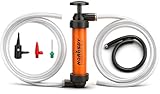
- Using a Siphon Pump:
- If your tank doesn’t have a drain plug, or it’s difficult to access, a siphon pump is your best bet. You can purchase these at auto parts stores or hardware stores.
- Insert one end of the siphon hose into the gas tank, making sure it reaches the bottom.
- Place the other end of the hose into your approved fuel disposal container.
- Pump the bulb on the siphon to start the flow of fuel, or use the manual suction method (carefully!) to draw fuel through the hose.
- Continue siphoning until the tank is as empty as possible.
- Tilting the Mower (Use with Caution):
- This method should be a last resort, as it can lead to fuel spilling into other engine components if not done carefully.
- With the gas cap off, carefully tilt the mower so the fuel filler neck is facing downwards, allowing fuel to drain out into your container. Be mindful of the carburetor and air intake.
Step 4: Clean the Fuel Tank (optional but Recommended)
Even after draining, some residual water or sediment might remain. For a thorough cleaning:
- Add a small amount of fresh gasoline to the tank.
- Swish it around vigorously to dislodge any remaining contaminants.
- Drain this mixture out using your chosen method (siphon or drain plug).
- You can also use a dedicated fuel tank cleaner, following the product’s instructions.
Step 5: Check and Clean the Fuel Filter
The fuel filter is designed to catch impurities, but it can become clogged with water and debris. If your mower has a visible fuel filter (often a small, clear plastic cylinder in the fuel line), inspect it. (See Also: How to Rejuvenate Your Lawn: Bring Back Lush Green Beauty!)
- If it looks dirty, discolored, or contains water, it’s best to replace it.
- To replace it, note the direction of fuel flow (usually indicated by an arrow on the filter). Disconnect the fuel lines from the old filter, remove it, and install the new one, ensuring the fuel lines are securely attached.
Step 6: Clean or Inspect the Carburetor
the Carburetor Is Where Fuel and Air Are Mixed. If Water Has Made Its Way This Far, It Can Cause Problems. Depending on the Severity of Contamination, You Might Need to Clean or Even Rebuild the Carburetor.
- simple Inspection: Sometimes, Simply Draining the Fuel Tank and Running Fresh Fuel Through the System Is Enough to Clear Minor Carburetor Issues.
- draining the Carburetor Bowl: Most Carburetors Have a Small Bowl at the Bottom. Locate the Drain Screw or Nut on This Bowl. Place a Small Container Underneath and Carefully Loosen the Screw to Drain Any Accumulated Water or Debris From the Bowl. Tighten the Screw Securely Afterwards.
- carburetor Cleaning (more Advanced): If the Problem Persists, You May Need to Remove and Clean the Carburetor. This Involves Disassembling It, Cleaning Out All Jets and Passages with Carburetor Cleaner and Compressed Air, and Then Reassembling It. If You’re Not Comfortable with This, It’s Best to Take It to a Professional.
step 7: Refill with Fresh Fuel
Once you’re confident the fuel system is clear, it’s time to add fresh gasoline. Use the octane rating recommended in your owner’s manual. Never use E85 or high-ethanol fuels in small engines unless specifically stated as compatible by the manufacturer.
Step 8: Add a Fuel Stabilizer and Water Remover (recommended)
To prevent future issues and ensure complete removal of any lingering moisture, it’s a good idea to add a fuel stabilizer and a fuel system cleaner designed to remove water.
- Fuel Stabilizer: Helps prevent fuel from degrading, especially during storage.
- Water Remover Additive: These additives bind to any remaining water molecules, allowing them to be safely burned off by the engine. Follow the product’s instructions for the correct dosage.
Step 9: Start the Engine and Run It
With fresh fuel and additives in the tank, start your lawn mower. Let it run for a good 10-15 minutes. This will help circulate the fresh fuel and additives throughout the system, clearing out any remaining traces of water or contaminants. (See Also: How to Mow Your Lawn in a Checkerboard Pattern for Curb)
Preventing Future Water Contamination
The best way to deal with water in your gas tank is to prevent it from happening in the first place. Here are some tips:
- Proper Storage: Store your lawn mower in a dry, covered location like a shed or garage. Avoid leaving it uncovered outdoors, especially during rainy seasons.
- Fuel Cap Check: Ensure the fuel cap is always tightly sealed. A loose or damaged cap can let in rain and condensation.
- Use a Quality Fuel Can: When storing gasoline, use a clean, approved fuel can with a tight-fitting lid.
- Fill Up Before Storage: If you’re storing your mower for an extended period (e.g., over winter), fill the tank completely with fresh fuel and add a fuel stabilizer. This minimizes the amount of air in the tank, reducing condensation.
- Regular Maintenance: Keep up with your mower’s maintenance schedule. A clean fuel filter and a properly functioning carburetor are less likely to be affected by minor contamination.
- Drain Old Fuel: If you know you won’t be using your mower for a while, consider draining the fuel tank to prevent old, stale fuel from causing issues.
When to Call a Professional
While most water contamination issues can be resolved with the steps outlined above, there are times when you might need expert help:
- If you’ve followed all the steps and your mower still won’t run properly.
- If you suspect significant internal damage to the fuel tank or carburetor.
- If you’re uncomfortable performing any of the carburetor cleaning or disassembly steps.
A qualified small engine mechanic can diagnose and repair more complex issues, saving you time and frustration.
Verdict: Getting Your Mower Back on Track
Dealing with water in your lawn mower’s gas tank can seem daunting, but it’s a manageable problem. By following these steps, you can effectively drain the contaminated fuel, clean the system, and refill with fresh gasoline. Remember to always prioritize safety, and consider adding fuel additives to prevent future issues. With a little effort, your mower will be back to its powerful, reliable self in no time.
Recommended Products