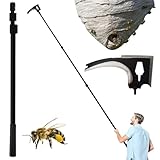
Discovering a paper wasp nest in your tree can be a startling experience. These buzzing colonies, while fascinating in their own right, can pose a stinging threat to you, your family, and your pets. Thankfully, with the right knowledge and precautions, you can effectively address this issue and reclaim your outdoor space.
This guide will walk you through everything you need to know about how to get rid of a paper wasp nest in a tree. We’ll cover identification, safety measures, and various removal methods, empowering you to tackle the problem with confidence and minimize risks.
Identifying Paper Wasp Nests in Trees
Before you can tackle a paper wasp nest, it’s crucial to correctly identify it. Paper wasps are common social insects that build open, umbrella-shaped nests, typically made from chewed wood pulp mixed with saliva. Unlike the enclosed nests of yellow jackets or hornets, paper wasp nests have visible hexagonal cells.
Where They Build
Trees provide ideal locations for paper wasp nests due to their sheltered branches and accessible building materials. You’ll often find them:
- Underneath large leaves or branches.
- Attached to twigs or stems.
- In areas with good overhead cover, offering protection from rain and direct sunlight.
Distinguishing From Other Nests
It’s important not to confuse paper wasp nests with those of other stinging insects:
- Hornets: Hornet nests are typically larger, more rounded, and have a papery outer shell.
- Yellow Jackets: Yellow jacket nests are usually underground or within enclosed spaces like wall voids, and are not typically found in trees in the same open manner as paper wasp nests.
Safety First: Essential Precautions Before Removal
Dealing with stinging insects requires a healthy respect for their defensive capabilities. Paper wasps can and will sting if they feel their nest is threatened, and multiple stings can be dangerous, especially for individuals with allergies.
When to Call a Professional
There are times when DIY removal is not the best course of action. Consider calling a professional pest control service if:
- The nest is very large.
- The nest is in a hard-to-reach location (high up, deep within dense foliage).
- You or someone in your household has a severe allergy to wasp stings.
- You are uncomfortable or unsure about the removal process.
Personal Protective Equipment (ppe)
If you decide to proceed with DIY removal, proper protective gear is non-negotiable. This includes:
- Full-body coverage: Wear thick, long-sleeved shirts, long pants, closed-toe shoes, and socks. Tuck pants into socks and shirt into pants to prevent wasps from entering.
- Gloves: Heavy-duty work gloves are recommended.
- Head and face protection: A bee veil or a hat with a wide brim combined with safety glasses and a scarf to cover your neck is crucial.
Timing Is Key
The best time to attempt wasp nest removal is during cooler parts of the day, typically early morning or late evening. During these times, wasps are less active and more likely to be inside the nest. (See Also: How to Draw a Tree Step by Step with Pencil: A Guide)
Methods for Removing Paper Wasp Nests in Trees
Several methods can be employed to get rid of a paper wasp nest in a tree. The most effective approach often depends on the nest’s size and location.
Method 1: Using Wasp and Hornet Spray
This is often the most straightforward and effective DIY method for smaller to medium-sized nests.
- Choose the right spray: Purchase a spray specifically designed for wasps and hornets. These sprays typically shoot a stream of insecticide up to 20 feet, allowing you to maintain a safe distance.
- Gear up: Ensure you are wearing all your protective gear as outlined above.
- Approach cautiously: Approach the nest slowly and calmly during the early morning or late evening.
- Spray the nest: Aim the nozzle directly at the nest opening and spray generously. Continue spraying for the duration recommended on the product label, ensuring the entire nest is saturated.
- Retreat immediately: After spraying, calmly and quickly move away from the area.
- Monitor and repeat if necessary: Observe the nest from a safe distance over the next 24-48 hours. If you still see wasp activity, you may need to repeat the spraying process.
- Remove the nest (optional): Once you are certain there is no more activity, you can carefully remove the nest using a long pole or a broom to knock it down. Dispose of it in a sealed bag.
Method 2: Soapy Water Solution
For those who prefer a less chemically intensive approach, a strong soapy water solution can be effective, especially for smaller, accessible nests.
- Prepare the solution: Mix a generous amount of dish soap with water in a spray bottle or a garden sprayer. A ratio of about 1/4 cup of soap to 1 quart of water is a good starting point. The soap breaks down the wasps’ exoskeleton, leading to suffocation.
- Gear up: Wear your full protective gear.
- Approach at dusk: This method is best performed at dusk when wasps are less active and congregated in the nest.
- Spray thoroughly: Aim the sprayer directly at the nest and saturate it completely with the soapy water. Ensure the spray penetrates the nest structure.
- Observe and repeat: Leave the area and monitor for activity. You may need to reapply the solution if some wasps survive.
- Nest removal: Once activity ceases, the nest can be removed.
Method 3: Using a Long Pole or Broom
This method is more about physically dislodging the nest and is best suited for very small, newly formed nests or as a follow-up to a spraying treatment.
- Gear up: Always wear protective gear, even when using this method.
- Choose your tool: A long broom or a sturdy pole works well.
- Approach at dusk: Perform this task at dusk when wasps are least active.
- Knock the nest down: Carefully but firmly knock the nest from its attachment point. Try to knock it directly into a container or onto the ground where you can immediately contain it.
- Contain and dispose: If the nest falls into a bucket or bin, quickly cover it. If it falls to the ground, use a shovel to scoop it into a sealed bag.
- Follow up: Be prepared for returning wasps. You may need to use a spray or soapy water on any stragglers.
Method 4: Smoke and Water (less Recommended for Trees)
While sometimes suggested, using smoke to disorient wasps and then dousing them with water can be less effective and more dangerous when dealing with a nest in a tree due to the difficulty in thoroughly saturating the nest and the potential for wasps to scatter.
Post-Removal and Prevention Strategies
Once the immediate threat is gone, it’s wise to take steps to prevent future infestations and ensure the area is safe.
Inspecting the Area
After removing a nest, thoroughly inspect the surrounding area for any straggler wasps that may have been out foraging. Also, check for any signs of new nest construction, as wasps can be persistent builders.
Sealing Entry Points (if Applicable)
While less relevant for nests directly on tree branches, if you’ve found a nest in a tree that also has cavities or structures nearby, sealing any potential entry points into buildings or other structures can prevent future nesting. (See Also: How to Start Tracing Your Family Tree: A Beginner’s Guide)
Natural Deterrents
Some natural methods are believed to deter wasps, although their effectiveness can vary:
- Peppermint oil: Wasps are said to dislike the strong scent of peppermint. Dilute peppermint essential oil with water and spray it around areas where wasps tend to build.
- Cinnamon: Similar to peppermint, the strong aroma of cinnamon is thought to be a deterrent. Sprinkle cinnamon powder around the base of the tree or where nests have been previously found.
- Hanging fake nests: Some believe that hanging decoy paper wasp nests can deter real wasps from building in the vicinity, as they are territorial and may avoid areas they perceive as already occupied.
Regular Inspections
Make it a habit to inspect your trees periodically, especially during the warmer months when wasp activity is high. Early detection of small, newly formed nests makes removal significantly easier and safer.
Managing Attractants
Wasps are attracted to food and sweet substances. Keep outdoor trash cans sealed, clean up any spilled sugary drinks or food, and consider covering outdoor seating areas when not in use.
Understanding Paper Wasp Behavior
Knowing how paper wasps behave can help you approach removal with more confidence and less risk.
Aggression Levels
Paper wasps are generally not as aggressive as yellow jackets or hornets unless their nest is directly disturbed. They are more likely to defend their immediate nesting area than to pursue perceived threats over long distances.
Colony Lifecycle
Paper wasp colonies are annual. The queen emerges in the spring, builds the initial nest, and lays eggs. She raises the first brood of workers herself. As the colony grows, more workers emerge to help maintain the nest and forage. In the fall, new queens mate and overwinter, while the old colony dies off. This means that the nest you remove in late summer or fall will not be reused the following year, but the threat of new nests being built remains.
Importance of Wasps in the Ecosystem
While they can be a nuisance, it’s worth noting that paper wasps play a role in the ecosystem. They are predators, feeding on other insects, including many common garden pests like caterpillars and flies. They also serve as a food source for other animals. Therefore, removal should be considered a necessary safety measure rather than a primary goal for pest eradication.
Troubleshooting Common Issues
Even with careful planning, you might encounter some challenges. (See Also: How to Build a Flower Bed Around a Tree: A Complete Guide)
Wasps Still Active After Spraying
This can happen if the spray didn’t fully saturate the nest or if some wasps were out foraging during the treatment. Wait at least 24 hours and reapply the spray if necessary. Ensure you are using a product that is effective against paper wasps.
Nest Is Too High to Reach
If the nest is in a tree and too high for you to safely reach with a spray or pole, it’s time to call a professional pest control service. They have the equipment and expertise to handle aerial nests safely.
Allergic Reactions
If you suspect you or someone in your household has a severe allergy to wasp stings, do not attempt DIY removal. Contact a pest control professional immediately. Always have an epinephrine auto-injector (EpiPen) readily available if you have a known allergy and are in an area where wasps may be present.
Environmental Considerations
When using insecticides, always follow the product instructions carefully. Consider the potential impact on beneficial insects and the environment. Soapy water is a more eco-friendly option when feasible.
Conclusion
Effectively dealing with a paper wasp nest in a tree requires careful planning and execution. Prioritize your safety by wearing appropriate protective gear and choosing the right time of day for removal. Whether you opt for a specialized wasp spray, a soapy water solution, or physical removal with a pole, always approach the task with caution. For large, inaccessible, or high-risk nests, professional pest control is the safest and most reliable option. Regular inspections and natural deterrents can help prevent future nesting issues, ensuring your outdoor spaces remain enjoyable and sting-free.
Recommended Products