Is your trusty lawn mower losing air, making your weekend chore a deflated disappointment? We’ve all been there. A flat tire can turn a quick mow into a frustrating hunt for a solution. But don’t let a leaky tire sideline your gardening efforts!
Getting your lawn mower tire to seal properly is often a simpler fix than you might think. Whether it’s a slow leak or a more obvious puncture, there are several effective methods you can employ right in your own garage. We’re here to guide you through the process, helping you get back to a perfectly inflated, perfectly functioning mower in no time.
Understanding Lawn Mower Tire Leaks
Before we dive into the fixes, it’s essential to understand why lawn mower tires develop leaks. These aren’t high-performance racing tires, but they still face a barrage of abuse. Common culprits include:
- Punctures: Sharp objects like nails, screws, thorns, glass shards, or even stubborn bits of wire can pierce the tire.
- Rim Leaks: The seal between the tire bead and the wheel rim can degrade over time due to dirt, corrosion, or damage. This is particularly common on older mowers.
- Valve Stem Issues: The valve stem itself can become cracked, brittle, or loose, leading to air loss.
- Sidewall Damage: Cracks or abrasions on the tire’s sidewall, often caused by age, UV exposure, or impact, can also cause leaks.
- Underinflation: Consistently running your tires underinflated can stress the sidewalls and increase the risk of damage and leaks.
Identifying the Source of the Leak
The first step in fixing any problem is diagnosis. You need to pinpoint where the air is escaping. Here’s how: (See Also: Fix Your Mower: How to Use Carburetor Cleaner Lawn Mower)
- Visual Inspection: Carefully examine the entire tire, both inside and out, for any obvious cuts, punctures, or cracks. Pay close attention to the tread and the sidewalls.
- Soapy Water Test: This is your best friend for finding subtle leaks. Mix a generous amount of dish soap with water in a spray bottle or bucket. Thoroughly coat the tire, including the tread, sidewalls, and the area where the tire meets the rim. Look for bubbles forming – where there are bubbles, there’s a leak!
- Listen Closely: Sometimes, you can hear a faint hissing sound if the leak is significant.
- Submerge (if possible): For smaller tires or if you can easily remove the wheel, submerging it in a tub of water can help identify leaks by watching for escaping air bubbles.
Diy Solutions for Sealing Lawn Mower Tires
Once you’ve identified the leak, you can choose the best repair method. We’ll cover several popular and effective DIY approaches.
Method 1: Tire Sealant (the Quick Fix)
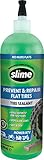
Tire sealant is a liquid product designed to automatically seal small punctures and leaks. It’s often the fastest and easiest solution for minor issues.
What You’ll Need:
- Tire Sealant Product: Look for sealants specifically designed for pneumatic tires, often found in automotive or lawn and garden stores. Some are designed for tubeless tires, while others work with tubes. Ensure you get the right type for your mower’s tires.
- Air Compressor or Pump: To reinflate the tire after application.
- Valve Core Removal Tool (optional but recommended): For easier sealant injection.
Steps:
- Locate the Valve Stem: Ensure the tire is sufficiently deflated to allow the sealant to distribute properly.
- Remove the Valve Core (optional): Using a valve core removal tool (or pliers if you’re careful), unscrew and remove the valve core. This allows for faster and more complete filling of the sealant.
- Inject the Sealant: Follow the instructions on your chosen sealant product. Typically, you’ll attach the sealant bottle or applicator to the valve stem and squeeze the recommended amount of sealant into the tire.
- Replace the Valve Core: If you removed it, screw the valve core back in securely.
- Inflate the Tire: Use your air compressor or pump to inflate the tire to the manufacturer’s recommended pressure. You can usually find this information on a sticker on the mower itself or in its manual.
- Distribute the Sealant: Slowly roll the mower back and forth for a few minutes. This helps the sealant spread throughout the inside of the tire and reach the leak. You can also spin the wheel by hand.
- Check for Leaks: Use the soapy water test again to confirm the leak has been sealed. You may need to drive the mower around for a short period for the sealant to fully activate.
Pros of Tire Sealant:
- Fast and Easy: Can often fix a leak in minutes.
- Automatic: Seals punctures as they happen.
- Convenient: No need to remove the tire.
Cons of Tire Sealant:
- Temporary Fix: May not work on larger punctures or sidewall damage.
- Can Clog Valve Stems: Some sealants can harden and cause future problems if not applied correctly.
- Messy: Can be difficult to clean up if spilled.
- Balance Issues: In some cases, the sealant can slightly unbalance the tire, leading to vibration.
Method 2: Tire Patching (for Tubeless Tires)
If your lawn mower has tubeless tires and the puncture is in the tread area, a tire patch kit can provide a more permanent repair. (See Also: Master How to Sow a New Lawn: Your Green Oasis Awaits!)
What You’ll Need:
- Tire Patch Kit: These typically include rubber cement, abrasive strips (like a rasp or sandpaper), and self-vulcanizing patches.
- Tire Levers: To help pry the tire bead off the rim.
- Bead Breaker (optional but helpful): To separate the tire bead from the rim.
- Air Compressor or Pump: For reinflation.
- Bucket of Water: For the soapy water test.
- Gloves and Safety Glasses: For protection.
Steps:
- Remove the Wheel: First, you’ll need to remove the wheel from the mower. This usually involves unbolting it or removing a cotter pin.
- Deflate the Tire Completely: Let all the air out.
- Break the Bead: This is the process of separating the tire’s edge (the bead) from the wheel rim. You might be able to do this by pressing down on the sidewall with your foot or using a dedicated bead breaker tool.
- Remove the Tire from the Rim: Use tire levers to carefully pry the tire off the rim. Work your way around the wheel, ensuring you don’t damage the tire or rim.
- Locate and Prepare the Puncture: Inflate the tire slightly so you can find the exact spot of the puncture with the soapy water test. Mark the spot clearly.
- Clean and Roughen the Area: Inside the tire, thoroughly clean the area around the puncture. Use the abrasive strip from your kit to roughen the rubber for about an inch around the hole. This helps the patch adhere.
- Apply Rubber Cement: Apply a thin, even layer of rubber cement to the roughened area, extending beyond the puncture. Let it dry until it’s tacky (follow product instructions).
- Apply the Patch: Peel the backing off the patch and center it over the puncture. Press it down firmly, working from the center outwards to eliminate any air bubbles.
- Allow to Cure: Let the patch cure according to the kit’s instructions. This is crucial for a strong bond.
- Reinstall the Tire: Carefully work the tire back onto the rim, using tire levers if necessary. Ensure the bead seats properly all the way around.
- Inflate the Tire: Inflate the tire to the recommended pressure.
- Check for Leaks: Use the soapy water test again to ensure the patch is holding and there are no other leaks.
Pros of Tire Patching:
- Durable Repair: Often provides a long-lasting fix for tread punctures.
- Strong Bond: Creates a robust seal when done correctly.
Cons of Tire Patching:
- Labor Intensive: Requires removing the tire from the rim.
- Can Be Tricky: Requires some dexterity and strength.
- Not for Sidewall Damage: Patches are generally not recommended for sidewall punctures.
Method 3: Using an Inner Tube (for Tires Designed for Tubes or as a Solution for Leaky Rims)
If your mower tire uses an inner tube, or if you’re experiencing leaks from the rim itself that patching doesn’t solve, installing a new inner tube is a reliable solution.
What You’ll Need:
- New Inner Tube: Ensure it’s the correct size for your tire. The size is usually printed on the sidewall of the tire.
- Tire Levers.
- Bead Breaker (optional).
- Air Compressor or Pump.
- Bucket of Water.
- Talcum Powder (optional): Helps prevent the tube from sticking to the tire.
- Gloves and Safety Glasses.
Steps:
- Remove the Wheel: As with patching, start by removing the wheel from the mower.
- Deflate the Tire Completely.
- Break the Bead and Remove the Tire: Follow the same steps as in Method 2 to get the tire off the rim.
- Inspect the Old Tube: If you’re replacing a punctured tube, find the hole and inspect the tire and rim for anything that might have caused it.
- Prepare the New Tube: Lightly inflate the new inner tube just enough to give it some shape. This makes it easier to handle and helps prevent pinching. You can also dust the inside of the tire and the tube with talcum powder to help it slide into place and prevent sticking.
- Install the New Tube: Carefully place the new tube inside the tire, ensuring it’s not twisted. Insert the valve stem through its designated hole in the rim.
- Seat the Tire on the Rim: Work the tire back onto the rim, making sure the inner tube is tucked in and not caught between the tire bead and the rim. This is the most critical step to avoid pinching the new tube.
- Inflate Slightly and Check for Pinches: Inflate the tire just enough to seat the beads against the rim. Go around the entire wheel, checking that the tire is evenly seated and that no part of the inner tube is visible or pinched between the tire and rim.
- Inflate to Full Pressure: Once you’re confident the tube isn’t pinched, inflate the tire to the manufacturer’s recommended pressure.
- Reinstall the Wheel: Mount the wheel back onto the mower.
- Check for Leaks: Perform the soapy water test one last time to ensure everything is sealed.
Pros of Using an Inner Tube:
- Reliable Fix: Excellent for repairing punctured tubes or addressing rim leaks.
- Restores Original Functionality: Especially if the tire is designed for a tube.
Cons of Using an Inner Tube:
- More Labor Intensive: Requires tire removal.
- Risk of Pinching: Easy to accidentally pinch the tube during installation, leading to immediate failure.
- Not for All Tires: Some modern mower tires are tubeless.
Method 4: Sealing Rim Leaks
Rim leaks can be frustrating because they don’t involve a puncture in the tire itself. Dirt, rust, or a slight bend in the rim can compromise the seal.
What You’ll Need:
- Tire Sealant (specifically designed for rim leaks or a good all-around sealant).
- Wire Brush or Sandpaper.
- Clean Rags.
- Air Compressor or Pump.
Steps:
- Remove the Wheel: Take the wheel off the mower.
- Deflate the Tire: Let all the air out.
- Clean the Rim and Tire Bead: Carefully inspect the rim where the tire bead sits. Use a wire brush or sandpaper to remove any rust, dirt, or debris. Clean the corresponding bead on the tire as well.
- Apply Sealant: If the leak is persistent and cleaning doesn’t help, you can try injecting a tire sealant around the rim where the tire meets the metal. Follow the sealant’s instructions for application.
- Reinflate and Distribute: Inflate the tire and roll it around to distribute the sealant.
- Check for Leaks: Use the soapy water test to see if the rim leak has been sealed.
If the rim is bent or significantly damaged, you may need to consider replacing the wheel or having it professionally repaired. (See Also: How to Replace a Flywheel Key on Lawn Mower: Easy Fix!)
Preventative Maintenance to Avoid Future Leaks
Once you’ve successfully sealed your tire, a little preventative maintenance can go a long way in preventing future leaks:
- Maintain Proper Tire Pressure: Regularly check and inflate your tires to the recommended pressure. Underinflation is a major cause of tire damage and leaks.
- Inspect Tires Regularly: Before and after mowing, take a quick look at your tires for any embedded objects or signs of damage.
- Clean Your Mower: Remove grass clippings and debris from around the wheels and tires. This prevents buildup that can damage the tire or rim.
- Store Your Mower Properly: If storing your mower for an extended period, consider inflating the tires to a slightly higher pressure (but don’t over-inflate) or using tire cradles to prevent flat spots.
- Be Mindful of Terrain: Avoid running over sharp objects or debris whenever possible.
Verdict on Sealing Lawn Mower Tires
Getting a lawn mower tire to seal is a manageable task for most homeowners. From quick-fix sealants for minor punctures to more robust patching or tube replacement for significant issues, you have several effective DIY options. Remember to always identify the leak source first, follow product instructions carefully, and perform regular maintenance to keep your tires in top condition.
Recommended Products